What Are Red grapes and How Can I Use Them?
Wondering what to do with red grapes? This guide covers how to pick them, cook them, store them, and swap them, plus 21 recipes to put them to work.
Key Points
- Sweet, slightly tannic seedless table grapes; deeper color and bolder flavor than green grapes.
- Eat cold and raw, halve into chicken salads, or roast at 425°F until jammy.
- Freeze washed, dried grapes on a tray for a slushy snack and reusable ice cubes.
- Buy plump grapes on green, pliable stems; color does not signal ripeness, so taste first.
- Store unwashed and cold for one to two weeks; wash only what you eat.
What are red grapes?
Red grapes are the deep crimson-to-purple table grapes you buy by the bunch, almost always seedless and meant to be eaten out of hand.
They lean sweeter and more floral than green grapes, with skins that carry a faint tannic grip and most of the fruit's color and antioxidants.
Sweetness is the whole point, but it is sweetness with backbone. That mild tannin in the skin keeps them from tasting flat, which is exactly why a handful of cold red grapes works so well against rich or salty food.
Ways to Use Red Grapes
Eat them cold and raw first. Straight from the crisper they are the lunchbox staple and the easy fruit on a cheese board, where their juicy pop cuts through aged cheddar and salty cured meat.
Halved, they turn savory salads bright. They are the classic sweet note in a chicken or turkey salad, where they balance mayonnaise and crunch, as in Apricot Chicken Salad and the Turkey Red Grape Salad. Curried Tofu Salad uses the same trick, letting cold grapes offset warm curry spice.
Heat changes them completely. Roasting a bunch at 425°F (220°C) for about 20 minutes collapses the skins and concentrates the juice into something jammy and almost wine-like.
Spoon those roasted grapes over ricotta or alongside roast chicken and pork. That sweet-savory pairing is the whole idea behind Italian Sausage & Red Grapes, where the grapes burst and glaze the sausage as they cook. Chicken Ala Vineyard works the same vineyard logic with a pan sauce.
Frozen, they become their own dessert. Freeze them on a tray and you get a slushy, sorbet-like bite that beats any ice pop on a hot afternoon.
Pairing and Common Mistakes
Red grapes love salt, fat, and a sharp edge. Aged and blue cheeses, prosciutto, walnuts, rosemary, and a splash of balsamic all play off their sweetness, which is why they anchor cheese boards and show up in savory dishes more often than green grapes do.
The most common mistake is buying on color alone. Deep color does not guarantee ripeness in grapes the way it does in berries, because grapes stop sweetening the moment they are picked. Taste one from the bunch if you can.
The second mistake is washing them too early. Surface moisture invites mold and softens the skins, so leave the bunch unwashed until you are ready to eat.
When roasting, do not crowd the pan or they steam instead of caramelizing. Give the bunch room and leave the grapes on their small stems so they hold together.
Substitutes
Match the swap to the job. For raw snacking and cheese boards, green or black seedless grapes are the obvious stand-in, though green run tarter and black run sweeter and bolder.
In a chicken or tuna salad, halved grapes can be replaced by diced apple or dried cranberries for the same sweet-tart crunch, with dried cherries the closest in flavor.
For roasting, fresh figs or pitted cherries collapse into a similar jammy result. If you only want color and snap in a fruit salad, pomegranate arils bring sweet-tart pop, though they cannot match the soft grape texture.
Buying and Storing
Look for plump, firm grapes attached firmly to green, pliable stems. Brown, dry, brittle stems mean the bunch is old.
A dusty pale film on the skins, called the bloom, is natural and a sign of freshness, not a defect to rinse off at the store.
Shriveling at the stem end or a musty smell means the bunch is past its best, and split or sticky berries signal fermentation has started.
Store grapes unwashed in their vented bag or a loosely covered container in the coldest part of the fridge, the back of a crisper drawer. Kept cold and dry they stay good for one to two weeks. Wash only the handful you are about to eat.
To freeze, wash and dry the grapes thoroughly, spread them in a single layer on a baking sheet, freeze until solid, then transfer to a bag. They keep for several months and double as ice cubes that chill a glass without watering it down.
Quick facts
- In Chinese
- 红葡萄
- British (UK) term
- Red grapes
- en français
- raisins rouges
- en español
- uvas rojas
Recipes using red grapes
There are 21 recipes that contain this ingredient.
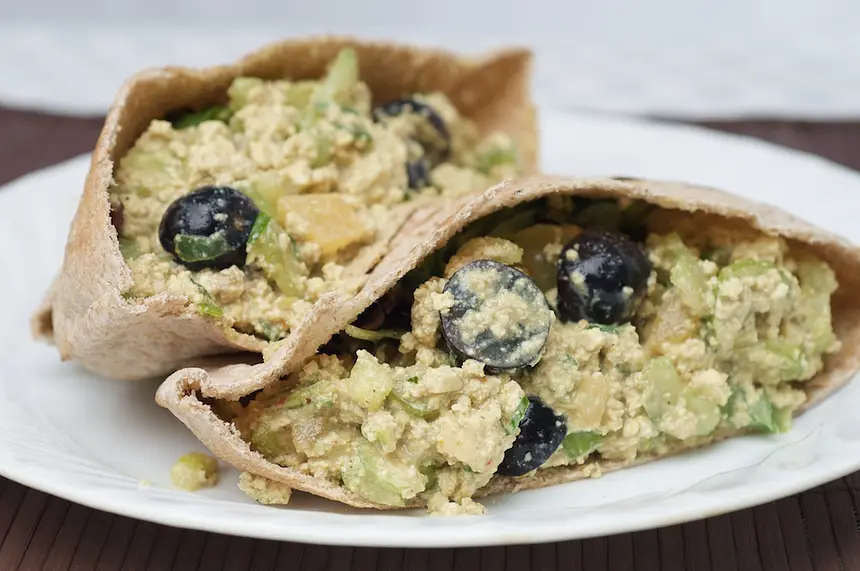
Curried Tofu Salad


This tasty curried tofu salad can be used in many ways, as a filling of whole wheat pita, or you can just spread them on top of the toasted bread.
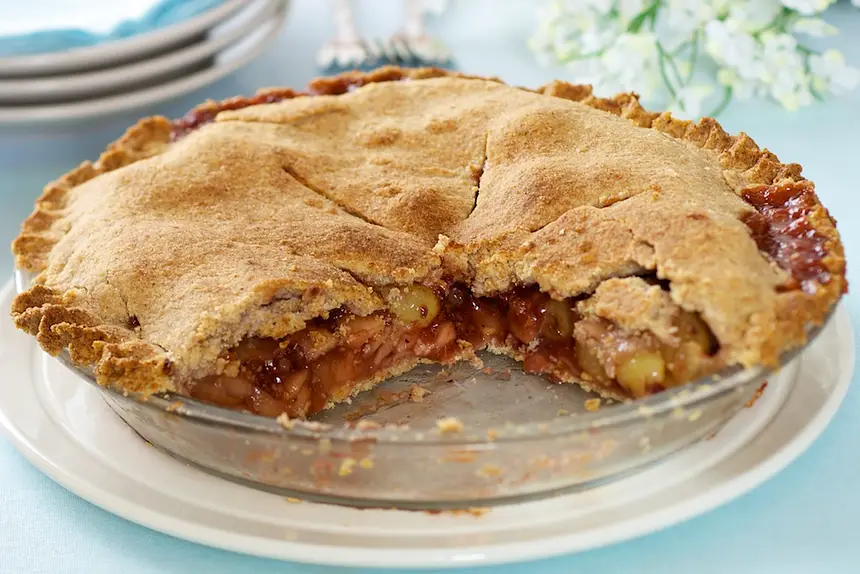
Apple Grape Berry Pie
Juicy apples, grapes and raspberry jam make a delicious pie that everyone asks for a second slice.
Pasta Salad with Guar Gum Dressing
Pasta salad with chopped spinach, daikon, red grapes, and a guar-gum-thickened raspberry-honey-mustard dressing. A fat-free dressing that coats like oil without the calories.
Hot Curried Fruit
Hot curried fruit with poached pears, oranges, melon, and grapes in a warm spiced curry syrup topped with crystallized ginger. An elegant side dish for holiday entertaining.

Italian Sausage & Red Grapes
Italian sausage and red grapes roast together with balsamic vinegar, then the mashed grapes finish into a buttery pan sauce. Rustic Tuscan supper with sweet, tangy, and savory in one pan.
Turkey Red Grape Salad
Turkey pasta salad with red grapes, celery, and creamy mayo-sour cream dressing over mostaccioli. An easy cold lunch or potluck side that turns leftover holiday turkey into something genuinely crave-worthy.
Miascia -- Mixed Fruit Tart
Miascia is a traditional Italian bread and fruit tart with pears, grapes, raisins, and a surprising hint of rosemary. A rustic Northern Italian dessert with a custard-like cornmeal filling.
Sorbet Au Cabernet
Cabernet Sauvignon sorbet made with fresh red grape juice and lemon, served over sliced kiwi. A sophisticated frozen dessert with real wine and fruit flavor.
Apricot Chicken Salad (Low Fat)
The sweetness of apricot preserves is brightened with lemon and balanced by a bit of cayenne pepper with some toasted nuts for added texture. This recipe is lightened by replacing the typical mayo with yogurt and delivers a cleaner taste on the palate.

Squash & Potatoes with Chicken on Pasta with Passion
Wok-seared chicken with sweet potatoes, red potatoes, winter squash, and bell peppers tossed with angel hair pasta in a spicy orange-hot sauce glaze. A colorful, high-protein dinner ready in 35 minutes.
Squash & Two Potatoes with Chicken on Pasta with Passion
Stir-fry chicken with yellow squash, yam, and red potato tosses over angel hair pasta in a zippy orange-juice-and-hot-sauce glaze. Quick one-wok dinner with peanut crunch.
Chicken Ala Vineyard
Herb-crusted chicken breast strips pan-seared golden, then simmered with garlic, chicken broth, white wine vinegar, and halved red grapes. Elegant and on the table in 35 minutes.
Fruit & Sour Cream Coleslaw
This is a little different than the usual coleslaw, but very good and easy to prepare. Prepare ingredients ahead of time, then put salad together whenever you wish.

Grape Starter
Grape starter for sourdough bread uses wild yeast from red grape skins to build a tangy, fruity base with just flour and water. A 6-day fermentation process creates a living starter you can maintain for months.

Curried Pasta with Chicken & Fruit
Curried chicken pasta salad with red grapes, pineapple chunks, and a creamy orange-curry dressing. A sweet-savory cold pasta dish that works for lunch, potlucks, or meal prep.
Fruited Rice Salad
Fruited rice salad with mandarin oranges, red grapes, golden raisins, and sliced almonds in a tangy Dijon-cider vinaigrette. A light, sweet-savory cold rice salad.

Poppy Seed Fruited Slaw
Poppy seed fruited slaw tosses shredded cabbage and carrots with juicy orange segments, halved red grapes, and a tangy poppy seed-cider vinaigrette. A sweet-savory summer side for picnics and barbecues.
Apricot Chicken Salad
The sweetness of apricot preserves is brightened with lemon and balanced by a bit of cayenne pepper with some toasted nuts for added texture.
Glazed Cornish Hens
Glazed Cornish hens roasted with an apple jelly and cinnamon glaze, served with wild rice tossed with red grapes, celery, and cashews. An elegant dinner that's easier than it looks.
Tropical Garden Salad
Crisp mixed greens tossed with red grapes, walnuts, celery, shredded coconut, and mandarin oranges. A quick 10-minute side salad with sweet, crunchy, tropical flair.