What Are Wheat flakes and How Can I Use Them?
If wheat flakes have turned up in a recipe or caught your eye at the store, here's what you need to use them with confidence and how to choose them, cook them, store them, what to substitute, and 15 recipes to try them in.
Key Points
- Wheat flakes are steamed, rolled whole wheat berries, the wheat version of rolled oats.
- They keep their chew through baking, which makes them a sturdy base for granola and bars.
- Raw flakes are firmer than quick oats, so soak or simmer them rather than just adding milk.
- Do not confuse them with wheat bran, which is only the husk and behaves differently.
- The germ holds oil that goes rancid; store airtight and cool for two to three months.
What are wheat flakes?
Wheat flakes are whole wheat berries that have been steamed and pressed flat, the same treatment that turns oat groats into rolled oats. The result is a soft, broad flake that cooks faster than the whole grain but keeps the bran and germ, so it counts as a whole grain.
You will find them two ways. Plain rolled wheat flakes are a raw cereal grain for porridge and muesli and for baking. Toasted and sweetened wheat flakes are a ready-to-eat breakfast cereal, the kind you pour milk over.
Either way they bring a mild, nutty wheat flavor and a chewy bite that holds up better than oats in granola and bars.
How to Use Wheat Flakes
The easiest use is raw, stirred into a bowl of muesli with dried fruit and nuts and soaked overnight in milk or yogurt until tender. They also cook into a hot porridge in about 10 minutes, softer and milder than steel-cut grains.
In the oven their chew survives the bake, which makes granola the place they earn their keep. They carry the texture in a Fruit Granola and a Sesame Granola, toasting golden and clumping with honey or oil.
Eating Well's Granola uses them the same way.
Baking is the other big use. A handful folds into muffins or cookies and quick breads for texture and a wholegrain note, as in Peanut Butter Crunchies and the topping on a Cereal Crunch Coffee Cake. Scatter them over a loaf before baking and they toast into a rustic crust.
Pairing and Common Mistakes
Wheat flakes pair with the sweet, warming flavors of breakfast: honey and maple, warm cinnamon, plus dried fruit alongside nuts and seeds. A splash of vanilla and a pinch of salt in granola makes the whole batch taste more finished.
The most common mistake is treating them like instant cereal. Raw wheat flakes are firmer than quick oats, so a quick splash of cold milk leaves them tough; give them a soak or a simmer to soften properly.
The second mistake is confusing them with wheat bran. Bran is only the outer husk, dusty and concentrated in fiber, while wheat flakes are the whole flattened berry. Swap one for the other and your texture and moisture both go wrong.
Substitutes
Rolled oats are the closest swap and work one for one in granola, muesli, and most baking. They are a touch softer and less nutty, but few people will notice in a finished bowl.
Other rolled grains trade in evenly too. Rolled rye flakes or spelt flakes each bring their own mild flavor, and for muesli a mix of two or three rolled grains often beats any single one.
If a recipe wants the flakes mostly for crunch on top, a coarse bran cereal or chopped nuts can stand in. Just do not reach for wheat bran or wheat germ as a direct swap, since neither has the flake structure that gives body to granola and bars.
Buying and Storing Wheat Flakes
Look for rolled wheat flakes in the bulk bins or the hot-cereal aisle, often labeled rolled wheat or wheat flakes, near the rolled oats. The ready-to-eat toasted flakes live in the cereal aisle instead. Choose flakes that look intact and smell sweet and grassy.
Because they keep the germ, wheat flakes carry a little natural oil that eventually goes rancid. Store them airtight in a cool, dark cupboard, where they stay fresh for two to three months.
For longer storage, the fridge or freezer keeps that oil from turning and extends them to six months or more.
A stale or faintly bitter smell means the oil has gone. Toss them rather than baking off-flavors into a whole batch.
Quick facts
- In Chinese
- 麦片
- British (UK) term
- Wheat flakes
- en français
- flocons de blé
- en español
- copos de trigo
Recipes using wheat flakes
There are 15 recipes that contain this ingredient.
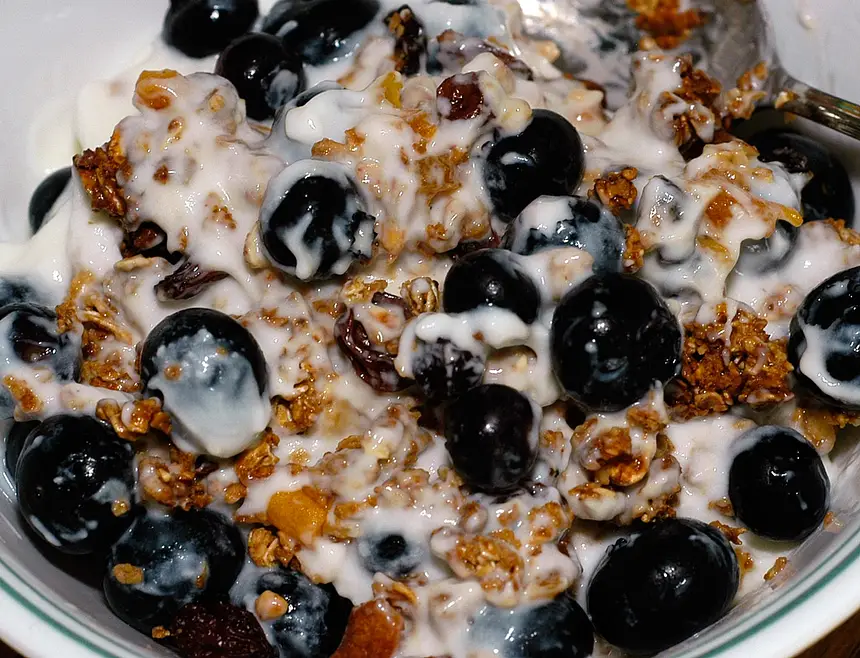
Eating Well's Granola


This granola is filling and loaded with energy filling ingredients. Great with tons of blueberry's and vanilla yogurt as pictured.
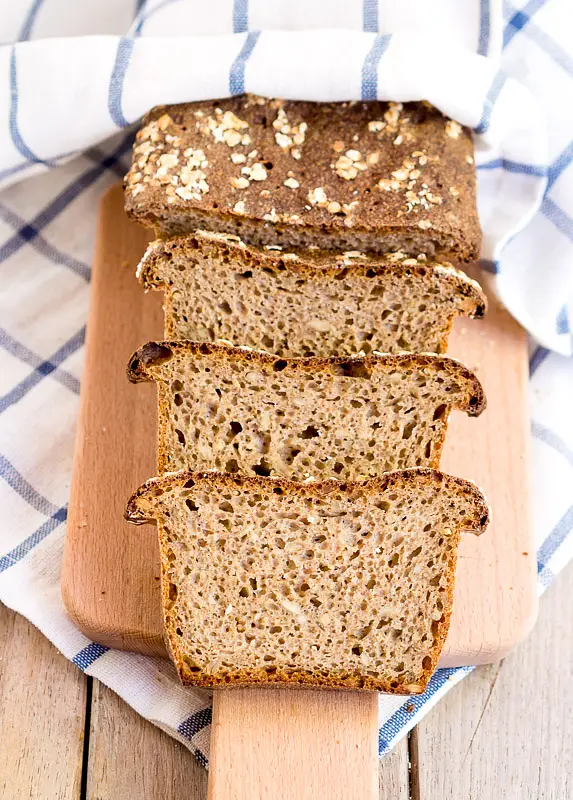
Healthy Whole Wheat Bread (Bread Machine)

Healthy whole wheat bread for the bread machine, layered with rolled oats, wheat germ, bran, sesame seeds, and a drizzle of molasses for deep flavor. Multi-grain texture and a tender, sliceable crumb. Set it and forget it.
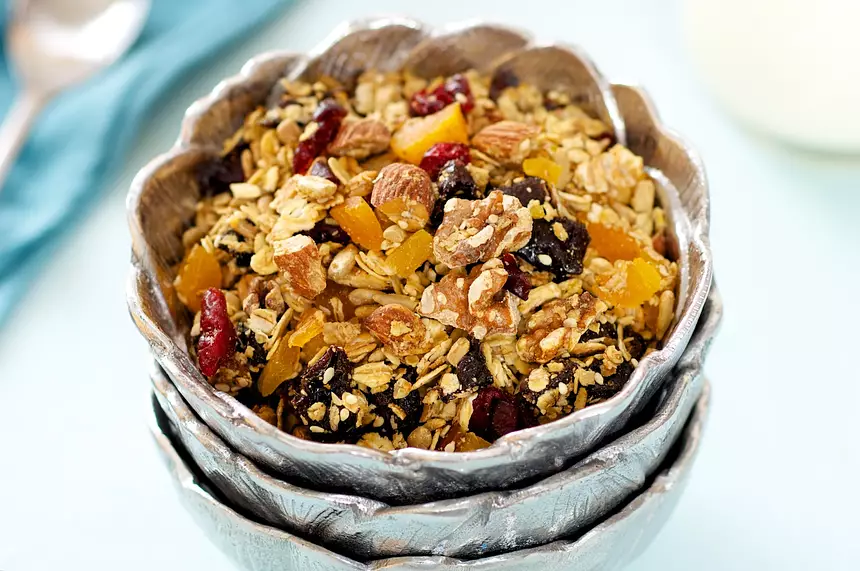
Fruit Granola
Crunchy clusters of toasted oats, nuts, and seeds glazed with honey, then tossed with chewy dried fruit for a homemade granola that beats any store-bought version.

Grapefruit Crunch
Broiled grapefruit halves topped with crunchy brown sugar-wheat cereal topping. Quick 15-minute retro breakfast treat.
Sesame Granola
Crunchy homemade sesame granola with oats, wheat flakes, sunflower seeds, walnuts, coconut, and raisins. Honey-sweetened and golden-baked in just 20 minutes for the best breakfast crunch.
Oil-Free Granola
Oil-free granola with oats, wheat flakes, rye flakes, bran, dried fruits, cashews, and sunflower seeds bound with honey and vanilla. A low-fat, crunchy homemade breakfast cereal.
Cocktail Crunch
A spiced, crunchy snack mix baked with flaked grains, peanuts, almonds, and sunflower seeds tossed in garam masala, turmeric, sesame oil, and soy sauce. Keeps for a month in an airtight jar.
Jim's Granola
Loaded homemade granola with oat, wheat, and barley flakes, popcorn, nuts, seeds, coconut, and dried fruit. Honey-baked with maple flavoring for crunchy, customizable clusters.
Best Triple Wheat-Honey Muffins
Triple wheat-honey muffins with whole-wheat flour, wheat bran and cooked wheat flakes for a hearty, high-fiber breakfast. Naturally sweetened with honey.

Pumpernickle
Pumpernickel bread machine loaf gets its midnight color from molasses, instant coffee, and cocoa powder, with rye, cornmeal, and wheat flakes building deep, earthy German-style flavor.

Skinny Scones
Crispy golden wheat scones with plump raisins, ready in 25 minutes for guilt-free breakfast treats that skimp on fat but not on taste.
Apricot Raisin Cookies
Incorporate fruit into your baking with this simple recipe that makes scrumptious cookies everyone will love.

Cereal Crunch Coffee Cake
Cereal crunch coffee cake with crushed wheat flakes baked into the batter and a cinnamon-cereal crumble on top. A lighter brunch cake with raisins, brown sugar, and a hint of nutmeg.
Peanut Butter Crunchies
Peanut butter crunchies are soft peanut butter cookies rolled in crushed wheat flakes before baking for a crackly, toasty-crunchy exterior. A retro lunchbox classic with a textural twist.