What Is Potato starch flour and How Can I Use It?
If potato starch flour has turned up in a recipe or caught your eye at the store, here's what you need to use it with confidence and how to choose it, cook it, store it, what to substitute, and 17 recipes to try it in.
Key Points
- Pure starch extracted from potatoes; flavorless and feather-light, not the same as potato flour.
- Thickens sauces and pie fillings glossy and clear, with no cloudy, pasty flour finish.
- Slurry it in cold liquid and add late; hard or long boiling thins it back out.
- A staple of gluten-free flour blends and the kosher-for-Passover kitchen.
- Cornstarch swaps about one for one; you need roughly double the amount of wheat flour.
What is potato starch flour?
Potato starch is the pure, silky-white starch extracted from potatoes, with the fiber and protein and flavor all washed away. Sold as "potato starch flour," it is a thickener and a gluten-free baking ingredient, not a substitute for wheat flour on its own.
The name causes real confusion, so it is worth being clear. Potato starch is NOT the same as potato flour.
Potato flour is the whole dried potato ground up, heavy and potato-tasting. Potato starch is just the isolated starch, flavorless and feather-light. They are not interchangeable.
What makes potato starch useful is how it behaves in heat: it thickens fast, sets glossy and almost clear, and carries no taste of its own.
Cooking and Baking With Potato Starch
As a thickener it works in sauces, gravies, soups, and pie fillings where you want a clear, glossy result rather than the cloudy, slightly pasty finish flour gives.
Whisk it into a little cold liquid to make a slurry first, then stir that into the hot pot near the end of cooking.
Timing matters because potato starch thickens at a lower temperature than flour and breaks down if it is boiled hard or held at a simmer too long. Add it late, heat just until it thickens, and stop.
In gluten-free baking it does a different job. Blended with rice flour and a binder, it lightens the crumb and softens the texture.
That is why it shows up in Gluten Free Gingersnaps and the tender Gluten Free Chocolate Chip Cookies, and why it gives lift and a delicate crumb to Gluten Free Blender Pancakes.
Because it is grain-free and kosher for Passover, it is a staple of the Passover kitchen, standing in for flour in sponge cakes like Amocha Sponge Cake and in MacAroons/Passover.
Pairing and Common Mistakes
Potato starch is a background player; it carries the flavors around it rather than adding any. It pairs naturally with the acidic, fruity fillings of pies and the rich pan juices of a roast, and in baking it partners with rice flour and tapioca to round out a flour blend.
The most common mistake is adding it dry to hot liquid, which makes instant lumps. Always slurry it in cold liquid first.
The second is overcooking. Boil a potato-starch-thickened sauce hard, or simmer it a long time, and it thins back out and can turn slimy. Thicken at the end, gently, then serve without long reheating.
The third trap is treating it like potato flour or like wheat flour in a recipe. Swapping one for the other by the same amount will wreck the texture, since their absorbency and weight are completely different.
Substitutes
For thickening, cornstarch is the closest match and works about one for one, though it sets a touch more opaque and a little less glossy. Tapioca starch and arrowroot also swap in near one for one and, like potato starch, stay clear; arrowroot in particular tolerates acidic fillings well.
If you only have wheat flour, you need roughly twice as much to get the same thickening power. The sauce will turn cloudy and need longer cooking to lose the raw-flour taste.
In gluten-free baking there is no single clean swap, since potato starch is usually one part of a blend; a commercial gluten-free flour mix is the simplest stand-in. Do not reach for potato flour here, as it absorbs far more liquid and brings potato flavor.
Buying and Storage
Look for it in the baking aisle, the gluten-free section, or, around spring, the Passover display. Read the label and make sure it says potato starch, not potato flour.
The two sit near each other and are easy to grab by mistake.
Being a dry, pure starch, it keeps almost indefinitely if you keep moisture out. Store it in an airtight container in a cool, dry cupboard and it stays good well past a year.
Keep the scoop dry, since any damp will clump it, and a damp clump in the box invites mold.
Quick facts
- In Chinese
- 马铃薯淀粉粉
- British (UK) term
- Potato starch flour
- en français
- la farine de pomme de terre de fécule
- en español
- harina de fécula de patata
Recipes using potato starch flour
There are 17 recipes that contain this ingredient.
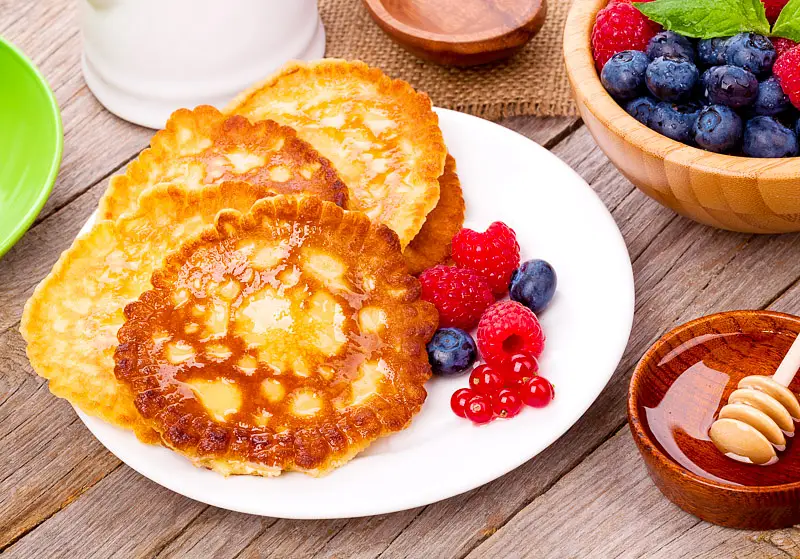
Gluten Free Blender Pancakes


Gluten-free pancakes blended in 60 seconds with rice flour, potato starch, and cornmeal. A buttermilk-based recipe ready in 25 minutes that delivers fluffy, tender flapjacks with no wheat in sight.
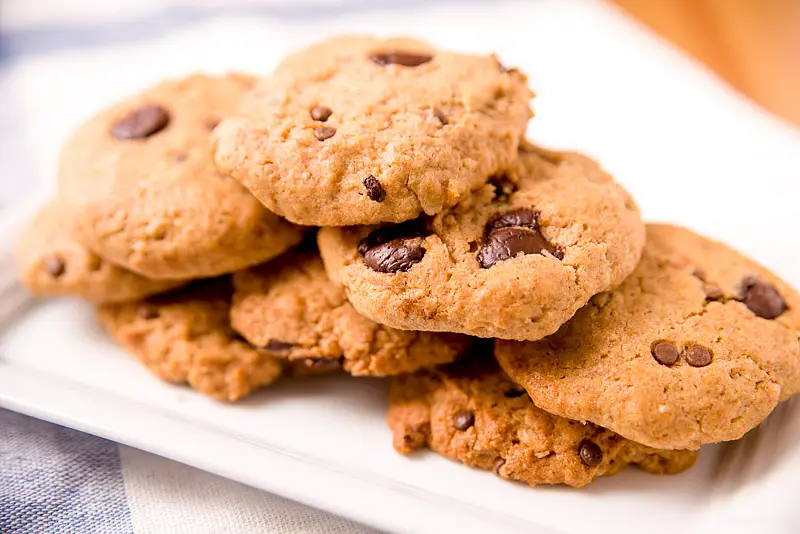
Gluten Free Chocolate Chip Cookies
Gluten-free chocolate chip cookies made with soy flour and potato starch. Tender, nutty cookies studded with chocolate chips prove gluten-free baking can be simple and satisfying.
Amocha Sponge Cake
Light sponge cake flavored with coffee, cocoa, and finely chopped nuts. Made with separated eggs for an airy texture, perfect for special occasions.
Pan Nero
Pan Nero, an Italian dark chocolate cake made with unsweetened chocolate, separated eggs, and potato starch flour. Dense, fudgy, and flour-light with just five ingredients.
Sandcake- Sandkage
Danish sandkage (sand cake) made with butter, potato starch, rice flour, and regular flour for a fine, crumbly texture. A classic Scandinavian butter cake with just 7 ingredients.
Pizza At Last
Gluten-free pizza with a rice and potato starch crust, topped with a slow-simmered roasted red pepper and tomato sauce. A revelation for celiac and wheat-free eaters.
MacAroons/Passover
Passover coconut macaroons with shredded coconut, egg whites, potato starch, and almond extract. Naturally flour-free and kosher for Pesach, these chewy-crisp cookies bake golden in 20 minutes.
Komish Broit
Komish broit is a Jewish twice-baked cookie similar to Italian biscotti, made with matzo meal, potato starch, and chocolate chips. Crisp diagonal slices rolled in cinnamon sugar.
Berry Pecan Cornbread
A vegan cornbread loaf studded with dried cherries, toasted pecans, and sesame seeds. Made with silken tofu, soy milk, and maple syrup instead of eggs and dairy. Hearty, naturally sweet, and completely plant-based.
Gluten Free Gingersnaps
Gluten free gingersnaps: classic spiced molasses cookies made with soy flour, cornstarch, and potato starch instead of wheat. Crisp edges, chewy centers, ready in 20 minutes.
Gluten Free Pumpkin Cookies
Gluten free pumpkin cookies blend rice flour and potato starch with cinnamon, pumpkin puree, vanilla, and chopped nuts. Soft, cakey, dairy-free, eggless, allergy-friendly.
Gf Banana Bread
Gluten-free banana bread made with rice flour, potato starch, and unflavored gelatin for structure. Folded egg whites keep it light and tender.
Gluten Free Muffins Quick & Easy
It's quite easy to make your own gluten-free muffins using these instructions for a gluten-free flour mix.
Gluten Free Rice Batter Bread
Gluten free rice batter bread: a quick eight-ingredient loaf using brown rice flour and potato starch, leavened with baking powder. No yeast, no kneading, ready in under an hour.
Basic Rice Bread (Bread machine)
Looking for a gluten free bread recipe? Use this basic rice bread recipe to make a delicious loaf.
Medisterkaker
Savor the comforting taste of Medisterkaker, traditional Norwegian pork meatballs seasoned with warm spices and simmered to perfection. This hearty dish combines ground pork, potato starch, and a touch of milk for a tender texture, making it an ideal cozy meal for any occasion.