What Is Potato flour and How Can I Use It?
Potato flour is easier to cook with than it looks. Here's how to choose, use, and store it, what to substitute, and 5 recipes to get you started.
Key Points
- Whole dried potatoes ground into a heavy, potato-flavored flour, not a pure starch.
- A few tablespoons in bread dough hold moisture and keep loaves soft for days.
- Works as a binder in dumplings and fritters; use a light hand since it drinks liquid.
- Never swap it for potato starch; the starch is a flavorless, far stronger thickener.
- Keeps about a year sealed in a cool, dry spot; refrigerate or freeze to extend it.
What is potato flour?
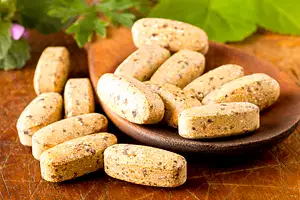
Potato flour is made from whole cooked potatoes, dried and ground whole, skin and flesh together, into a pale, heavy powder. Unlike potato starch, which is the pure starch washed out of the potato, potato flour keeps the whole vegetable, so it actually tastes like potato.
That potato flavor and its thirst for water are what define it. It is dense, soaks up a lot of moisture, and adds a soft, slightly chewy texture to whatever it goes into.
It belongs with the specialty flours rather than the wheat ones on the flour hub.
How to Use It
Potato flour earns its place in breads. A few tablespoons added to a wheat dough hold moisture and keep loaves and rolls soft for days longer, which is why it turns up in bakery sandwich bread and soft rolls.
It also works as a binder. Stirred into potato dumplings or fritter batters, it grabs liquid and holds everything together, as in A Better Potato Kugel and the steamed dumplings in Chicken Drumstick in Chanterelle Sauce with steamed Potato Dumplings.
Use a light hand. Because it drinks so much liquid, even a small amount stiffens a dough fast, so it is almost always a minor partner to other flours rather than the main one.
Pairing and Mistakes
It pairs naturally with wheat flour in yeast baking, and with eggs and grated potato in savory cakes and dumplings. A little also softens dense almond bakes like Kransekake.
The biggest mistake is swapping it for potato starch. They are not interchangeable. Potato starch is a flavorless thickener; potato flour is heavy and tastes of potato, so using one for the other wrecks both texture and flavor.
The second mistake is overdoing it, which leaves baked goods gummy and damp in the middle.
Substitutes
There is no exact swap, but for the moisture and softness it brings to bread, a small amount of mashed potato or instant potato flakes comes closest.
For binding in dumplings or fritters, all-purpose flour works, though you lose the potato character and may need a touch more.
Do not substitute potato starch or cornstarch. Those are pure starches with no potato flavor and far more thickening power, so they behave nothing alike.
Buying and Storing
Potato flour is sold in the baking or gluten-free aisle as a fine, cream-colored powder noticeably heavier than starch. Check the label, since some brands blur the line with potato starch.
Because it comes from the whole potato, it is not quite as shelf-stable as pure starch. Keep it sealed in a cool, dry cupboard and it holds well for a year or so. The fridge or freezer stretches that further.
Quick facts
- In Chinese
- 土豆粉
- British (UK) term
- Potato flour
- en français
- la farine de pomme de terre
- en español
- harina de papa
Recipes using potato flour
There are 5 recipes that contain this ingredient.
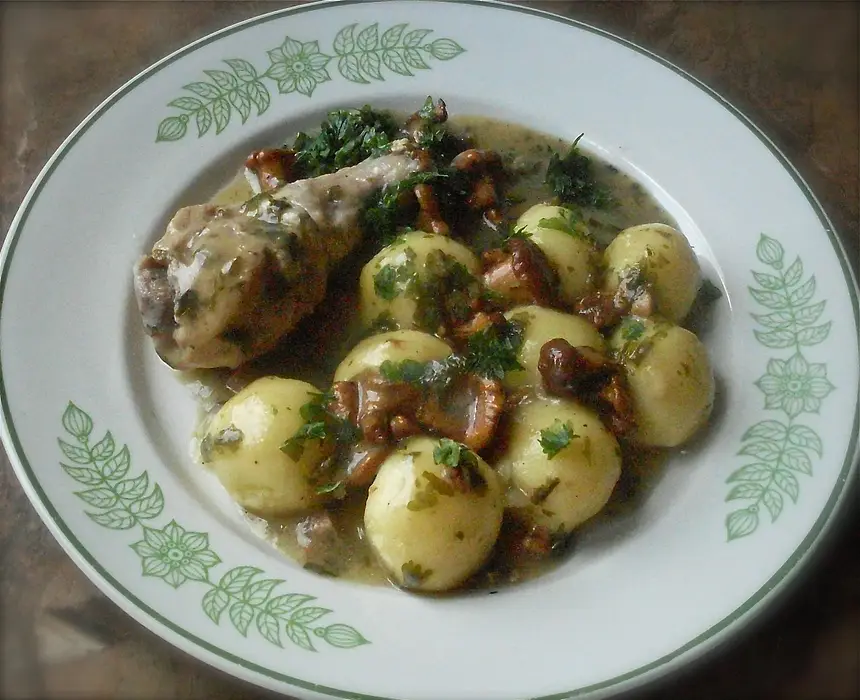
Chicken Drumstick in Chanterelle Sauce with steamed Potato Dumplings


July, the high season of chanterelle.. I like the combination of this mushroom with bear's garlic, and here it is..
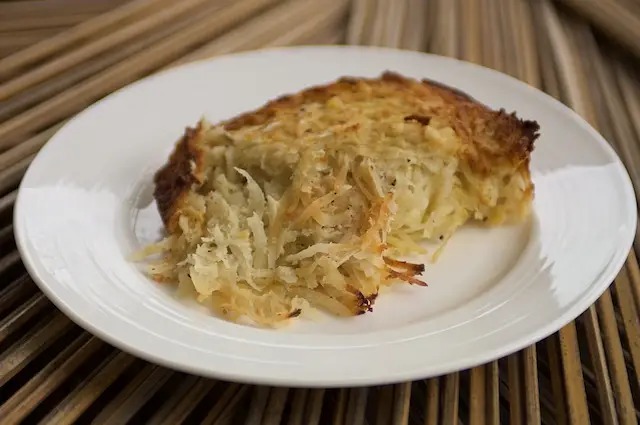
A Better Potato Kugel

This version of the classic Jewish passover potato dish is much lighter and fluffier than the old fashioned variety.
Chocolate Raisin Bars
Buttery shortbread-style raisin bars dipped in melted semi-sweet chocolate. Made with potato flour and vanilla sugar for a tender, crumbly European-style biscuit. Makes 20.
Sandcake
Sandcake is a Scandinavian butter cake made with three flours: all-purpose, potato flour, and rice flour. Incredibly fine-crumbed, tender, and rich with a golden crust.
Kransekake
Kransekake, a traditional Scandinavian tower cake made from ground almonds, powdered sugar, potato flour, and egg whites. A gluten-free celebration cake for Christmas and weddings.