What Are Pasilla chiles and How Can I Use Them?
Pasilla chiles rewards a little know-how: how to choose them, cook them, store them, and substitute in a pinch. Browse 22 recipes to cook with them.
Key Points
- Dried chilaca pepper, near-black and wrinkled, with deep raisin, prune, and cocoa notes.
- Mild at 1,000 to 2,500 Scoville units; prized for flavor over heat.
- One of the three classic mole chiles, alongside ancho and mulato.
- Toast briefly, then soak and blend to a paste for mole and enchilada sauce.
- Often confused with poblano and ancho; true pasilla is long, skinny, and black.
What are pasilla chiles?
Pasilla chiles are dried chilaca peppers, long and wrinkled and so dark they read almost black. The name means "little raisin" in Spanish, and that is exactly what they taste like: deep, dried-fruit sweetness with notes of raisin and prune and a cocoa edge behind a gentle heat.
They sit at the mild end of the dried-chile spectrum, roughly 1,000 to 2,500 Scoville units, milder than a jalapeño. The flavor is the point, not the burn.
This is one of the holy trinity of Mexican mole chiles, alongside ancho and mulato. You will find it carrying the depth in mole, enchilada sauce, and adobo.
Cooking With Pasilla Chiles
Dried pasillas need two steps before they can flavor anything: a quick toast, then a soak.
Tear off the stems, shake out most of the seeds, and press the chiles flat in a dry skillet over medium heat for fifteen to thirty seconds a side, until they smell toasty and turn pliable.
Burn them and the whole pot goes bitter, so pull them the instant the aroma blooms.
Then cover the toasted chiles with hot water and soak fifteen to twenty minutes until soft. Drain, and blend them into a smooth paste with a little of the soaking liquid.
That paste is the backbone of a real Oaxacan Black Mole or the sauce in Chicken Enchiladas with Pasilla Chili Sauce.
Pasilla also shows up in Classic Mole Poblano Sauce blended with ancho and mulato, where its dark, almost smoky depth balances the sweeter chiles.
It stands on its own too. A Pasilla Chili Aioli or a Filet Mignon with Pasilla Chile Bbq Sauce leans on that raisiny base note without much heat at all.
Pairing and the Ancho Mix-Up
Pasilla loves rich, savory partners: beef, pork, duck, dark chocolate, and warm spices like cumin and cinnamon. Its dried-fruit edge is why it works in mole next to chocolate and nuts, and why a spoonful deepens a pot of chili or a marinade for grilled pork.
Now the confusion worth clearing up. In much of the United States, and especially in California, fresh poblano peppers are sold mislabeled as "pasilla," and the dried poblano (correctly called an ancho) sometimes gets the pasilla name too.
They are not the same chile.
True pasilla is the dried chilaca, long and skinny and near-black. Ancho is the dried poblano, broad and shouldered and reddish-brown.
If a recipe wants that raisiny depth and you grab an ancho, you will get a sweeter, fruitier sauce with less of the dark backbone. Read the shape, not just the sign.
Substitutes
Out of pasilla? Ancho is the easiest swap and the most common stand-in, since the two often appear together anyway. Expect a sweeter, slightly fruitier result with less of the smoky-dark note; use it one for one.
Mulato, the third mole chile, runs closer in color and gives a chocolatey depth, though it leans sweeter too. For more of pasilla's earthy backbone, a mix of ancho plus a small piece of guajillo brings back some of the brightness and tannin.
If all you have is powder, ancho chile powder or a mild pure chile powder works in a pinch; start with a tablespoon per two whole chiles called for and adjust, since ground chile fades faster than whole.
Buying and Storage
Look for pasillas that are still flexible, like soft leather, with a glossy near-black skin. A good one bends without snapping.
If they crack and crumble or have faded to dull brown, they are old and will taste flat and dusty.
Buy them whole rather than pre-ground when you can, since whole dried chiles hold their aromatic oils far longer. The Latin foods aisle or a Mexican grocery is your best bet, often labeled pasilla negro to distinguish the true article.
Store whole dried chiles in an airtight container away from light and heat, where they keep their flavor for about a year.
They will not spoil in any dangerous sense well past that, but the raisiny perfume that makes them worth using slowly fades, so use them while they are still supple.
Quick facts
- In Chinese
- pasilla奇利斯
- British (UK) term
- Pasilla chiles
- en français
- piments pasilla
- en español
- chiles pasilla
Recipes using pasilla chiles
There are 22 recipes that contain this ingredient.
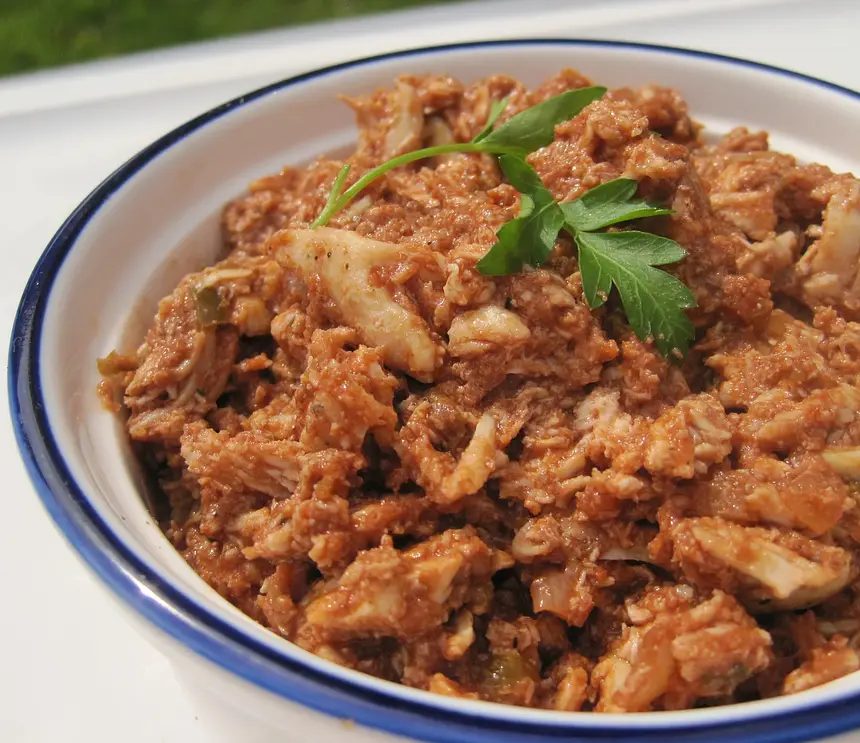
Classic Mole Poblano Sauce


Classic mole poblano, Mexico's legendary sauce: dried chiles, almonds, sesame, raisins, and warm spices pureed and slow-simmered with a touch of chocolate into a deep, complex sauce for poultry.
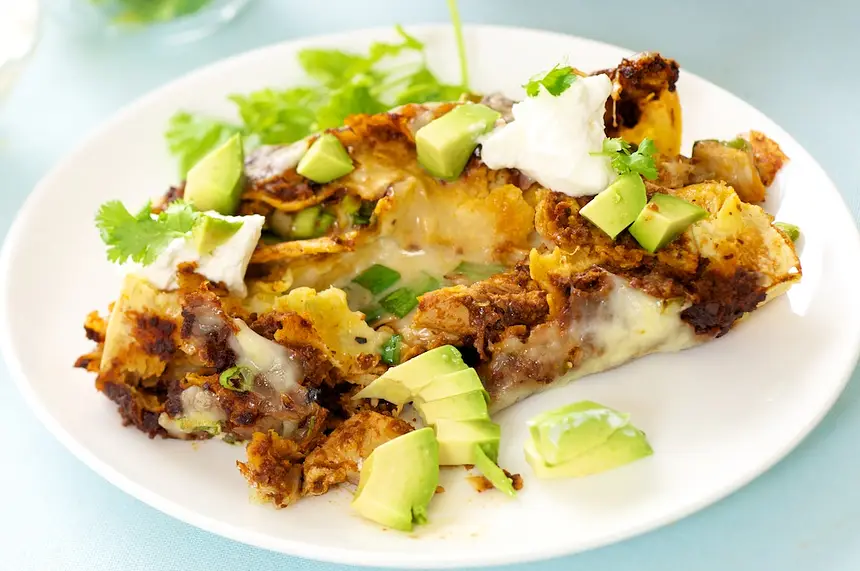
Chicken Enchiladas with Pasilla Chili Sauce
This dish is so worth every single second, because it came out absolutely delicious. The combination of all the ingredients was just terrific, and I didn't change a thing, followed recipe exactly. If you are big on Mexican food, this recipe shouldn't be passed for sure.
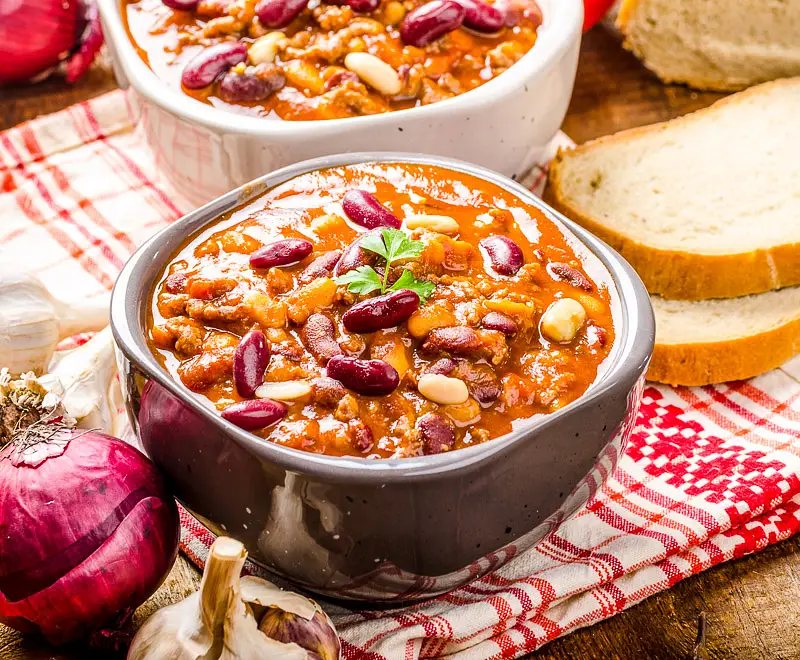
5 Alarm Chili
5 alarm chili for serious heat-seekers: layered with jalapeno, serrano, scotch bonnet, chipotle, and pasilla chiles over slow-simmered beans and meat. A deep, smoky, blistering bowl of fire.
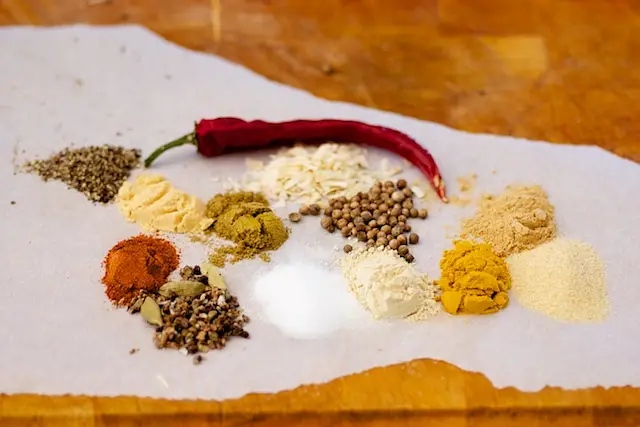
Frontier Chicken
Frontier Chicken is original from northern Pakistan, south Asian. It has become popular in the US, Canada and the UK. The unusual combination of flavors, spicy and the sweetness from the banana and peppers creates a unique balance.

Mancha Manteles
Mancha Manteles, the Mexican 'tablecloth stainer,' simmers turkey and chorizo in a rich mole of ancho, pasilla, and serrano chiles, almonds, and sesame, sweetened with pineapple, apple, and banana. Sweet, smoky, and spicy.
Filet Mignon with Pasilla Chile Bbq Sauce
Filet mignon grilled over wood embers in a pasilla chile BBQ marinade with maple syrup and cilantro. Southwestern-style steak with sweet smoke, gentle heat and a tender, restaurant-quality finish.

Oaxacan Black Mole
Oaxacan black mole simmered with charred pasilla chiles, Mexican chocolate, toasted nuts, and fried tortillas. The iconic sauce of saints and celebrations, spooned over poached chicken.
Grilled Pork Butt Slices
Grilled pork shoulder steaks rubbed with smoky pasilla chile and garlic, seared fast on the grill and served with a punchy chipotle Dijon mustard. A quick weeknight take on pork butt, ready in minutes.
Spicy Southwestern Chili
Spicy Southwestern chili is real-deal Texas chili: chunks of sirloin browned and simmered low in tomato and beef stock with a deep, layered chile blend. No beans, plenty of heat, and big bold flavor for chiliheads.
Rotelli Pasta with Menonita & Pasilla Cream Sauce
Rotelle pasta in Menonita cheese cream sauce with roasted pasilla chilies, garlic, and cilantro. A Mexican-Italian fusion baked casserole with smoky heat and mellow melted cheese.

Beer Jalapeño Chili
Beer-braised jalapeño chili loaded with beef and pork, three kinds of chiles, and toasted cumin, with no beans in sight. A fiery Texas-style bowl that simmers low in the crock-pot until the meat falls apart.
Mole Poblano De Dos Chiles
Mole poblano with turkey and pork simmered in a two-chile sauce of mulato and pasilla peppers, almonds, peanuts, chocolate, and warm spices. Authentic Mexican flavor.
Beef Chili
No-bean beef chili built on a puree of pasilla and ancho chiles, simmered low with beer, cumin, and a cinnamon stick. Thick, smoky, and unapologetically Texas-style.
Pinto Three Chile Salsa
Pinto bean salsa with three dried chiles, dark beer, blackened tomatoes, and caramelized onion, pureed and re-fried in smoking-hot peanut oil. A deeply smoky, complex Mexican condiment.
Chorizos
Homemade Mexican chorizo: coarsely ground pork cured with toasted ancho and pasilla chilies, garlic, vinegar, and warm spices. Bulk sausage that matures in the fridge for three days.
Mole Pablano
Authentic mole poblano sauce made from scratch with mulato, ancho, pasilla, and chipotle chilies, roasted vegetables, toasted nuts, sesame seeds, and Mexican chocolate. A complex, deeply layered sauce worth every minute.
Dom's Nuclear Chili
A from-scratch chili built on six varieties of dried chiles pureed with beer and garlic, simmered for hours with bacon, bell peppers, and beans. Intensely complex heat with serious depth of flavor.
Crab Cakes with Pasilla Chili Aioli
Southwestern crab cakes with carrots, celery, and cayenne, pan-fried golden and served with a smoky pasilla chili aioli made with pimientos, white wine, and garlic.
Chili Base
A freezer-ready chili base made from roasted pasilla, Anaheim, and red peppers with tomatoes, cumin, and cinnamon. Portion it out, freeze for 6 months, and build any chili you want.
Porterhouse Steak with Hoisin Barbecue Sauce
Porterhouse steak grilled with a hoisin barbecue sauce that mashes up Chinese pantry staples with classic BBQ flavors, hoisin, soy, and rice vinegar meet ketchup, ancho chili, and Worcestershire.