What Are Fine herbs and How Can I Use Them?
Fine herbs rewards a little know-how: how to choose them, cook them, store them, and substitute in a pinch. Browse 15 recipes to cook with them.
Key Points
- Fines herbes is the delicate French blend of parsley, chives, chervil, and tarragon in equal parts.
- These are finishing herbs; add them at the end, since heat drives off their fragile aroma.
- They are made for eggs, cream sauces, and delicate fish, not heavily spiced dishes.
- Do not confuse them with herbes de Provence, a woody blend built for long roasting.
- No chervil on hand? Lean on extra parsley plus a few more tarragon leaves to fill the gap.
What are fine herbs?
Fine herbs, from the French fines herbes, is the classic delicate herb blend of French cooking: parsley, chives, chervil, and tarragon in roughly equal parts. The point is subtlety, a fresh green lift rather than a bold, dominant flavor.
It is a workhorse of egg and fish cookery, the seasoning behind a proper French omelet and a hundred light cream sauces. Tarragon gives a faint anise note, chervil a soft parsley-like sweetness, chives a whisper of onion, and parsley ties it together.
Traditionally fines herbes are fresh and finely chopped. Dried blends sold under the name are common and convenient too.
The rule is the same either way: go gently and add them late.
How to Use Fine Herbs
These are finishing herbs. Their flavor lives in volatile oils that cook off fast, so stir them in at the very end or sprinkle them over a finished plate. Add them early in a long simmer and you lose almost everything that makes them worth using.
Eggs are the natural home. A classic omelette aux fines herbes folds the blend into soft-scrambled eggs just before they set. The same touch lifts a Savory Zucchini Muffin batter and the cream-bound seafood in a Tuna St. Jacques.
Fish and white meats are the other strong match. A scatter over Oven-Fried Orange Roughy, or stirred into the broth of a Cauliflower & Roquefort Soup off the heat, adds freshness without weight.
They also stir into vinaigrettes and soft cheeses, or into compound butter for instant herb flavor.
Pairing and Common Mistakes
Fine herbs suit anything mild and creamy: eggs and butter, cream and fresh cheese, plus chicken and delicate white fish. Lemon and white wine sharpen them; rich dairy gives them something to cling to. They belong in light French cooking, not heavily spiced dishes that would bury them.
The most common mistake is cooking them too long. Heat drives off the delicate aromatics, especially the chervil and tarragon, leaving a dull, grassy taste. Treat them as a final flourish, not a base seasoning.
The second mistake is confusing fines herbes with herbes de Provence. That Provence blend is built on woody herbs like thyme, rosemary, and oregano meant for long roasting and grilling. Swap one for the other and a gentle omelet turns piney, while a roast lamb tastes thin.
Substitutes
If you have no blend, mix your own from any of the four. Equal parts fresh parsley and chives with a little tarragon covers most of the character, since chervil is the hardest of the four to find.
For the missing chervil, a touch more parsley plus a few extra tarragon leaves gets close, as chervil sits flavor-wise between the two. Dried fines herbes work in cooked dishes, though they lose the bright top notes of the fresh blend.
What you should not do is reach for a heavy dried Italian or Provence mix as a substitute. Those woody herbs pull the dish in the opposite direction and overwhelm the soft foods fines herbes are meant for.
Buying and Storing Fine Herbs
Dried fines herbes is sold in the spice aisle in small jars; check that chervil and tarragon are actually listed, since cheap blends sometimes drop them. As with all dried herbs, buy small amounts and use them within a year, while the aroma is still lively.
Fresh is better when you can get it, especially for the tarragon and chervil. Wrap the bunches in a barely damp paper towel, seal them in a bag, and they hold in the crisper for about a week.
To keep fresh herbs longer, chop the blend, pack it into an ice cube tray with a little water or olive oil, and freeze. Drop a cube straight into a sauce or scramble, though frozen herbs are best in cooked dishes rather than as a raw garnish.
Quick facts
- In Chinese
- 细药材
- British (UK) term
- Fine herbs
- en français
- fines herbes
- en español
- finas hierbas
Recipes using fine herbs
There are 15 recipes that contain this ingredient.

Hamburger with Almonds


Hamburger patties mixed with toasted slivered almonds and fine herbs, then broiled or grilled. The almonds add unexpected nutty crunch and texture to the classic burger, dressed up or down for any meal.
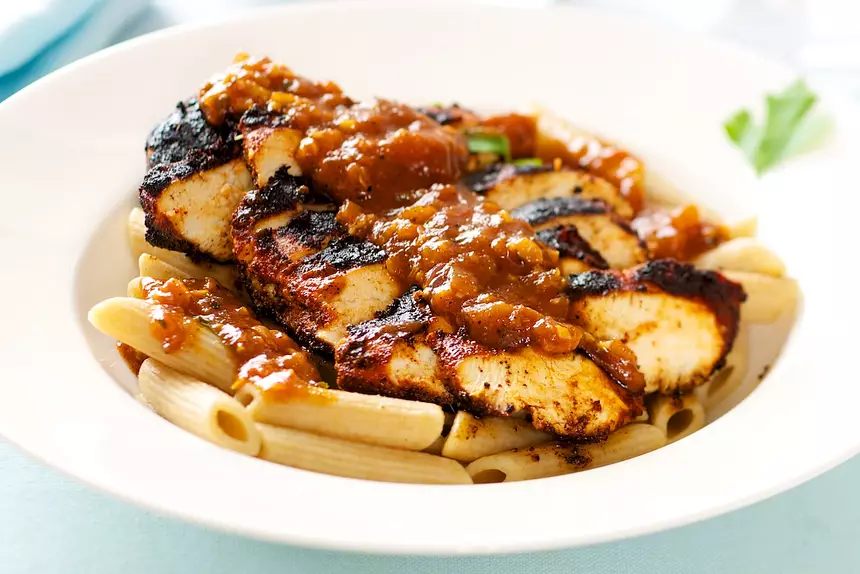
Blackened Chicken Strips on Pasta with Cajun Sauce

The blackend chicken breast came out tender, juicy and flavorful, and the cajun sauce was delicious, really bound all the flavors together. It was reasonably quick and easy to make as well, an ideal supper for a busy weekday.
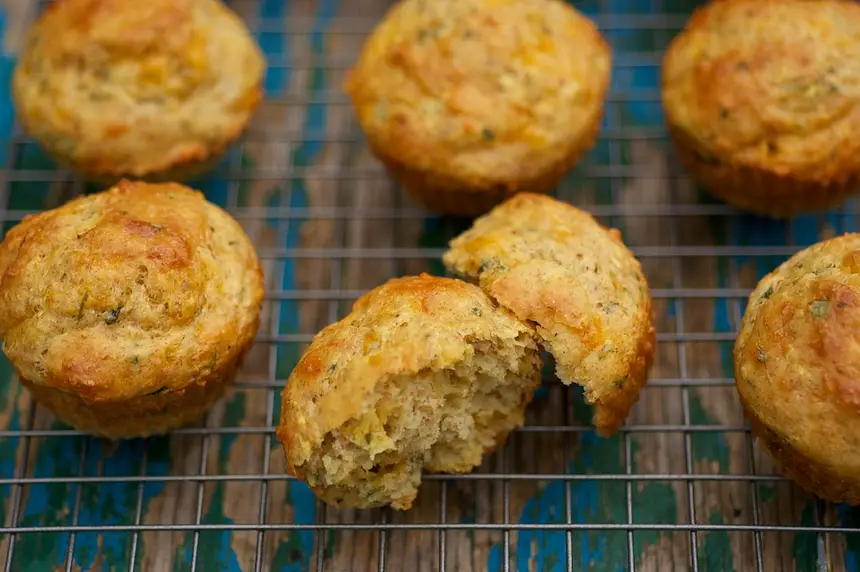
Savory Zucchini Muffins
I made these muffins with the leftover zucchini pulp from the basil and ricotta stuffed zucchini recipe. They turned out fluffy, moist and packed with yumminess. Another awesome recipe to make zucchini into something delicious :-)
Country Beef Loaf
A hearty free-form meatloaf packed with sauteed mushrooms, carrots, celery, and onions, seasoned with fines herbes and soy sauce. Baked crusty-brown on a sheet pan. Serves 4 to 6.
Pimento-Onion Relish
No-cook pimento-onion relish marinated overnight in a sweet vinegar brine with fine herbs. A bright, tangy condiment that pairs beautifully with grilled or roasted meats.
Relish
Homemade garden vegetable relish with green peppers, tomatoes, zucchini, and eggplant in a sweet vinegar brine with mustard seed and celery seed. A great way to use summer produce.

Yogurt Chicken
Yogurt chicken marinated 24 hours in a spiced yogurt blend of turmeric, ginger, cinnamon, cloves, garlic, and lemon juice, then baked golden. Deeply flavored and incredibly tender.

Six-Bean Soup
Hearty six-bean soup with lima, white, black, chickpea, pink, and kidney beans simmered with vegetables, fines herbes, and chicken noodle soup mix. Topped with Parmesan and tomatoes.
Herb or Mint Jellies
Homemade herb or mint jelly with fresh herb infusion, sugar, apple cider vinegar, and liquid pectin. A glossy, fragrant condiment for roast lamb, cheese, and toast.
Risotto Soup
Vegan risotto soup made with arborio rice, vegetable stock, and a garden's worth of frozen vegetables. No oil, no butter, just creamy rice and bright vegetable flavor.
Cauliflower & Roquefort Soup
Velvety puréed cauliflower soup enriched with crumbled Roquefort, heavy cream, egg yolks, and a splash of Armagnac. Herbes de Provence and chives round out this rich, deeply savory French-inspired bowl.
Crockpot Boeuf Bourguigon
Make this sophisticated and scrumptious dish hassle-free by using the crockpot you got for Christmas last year.
Tuna St. Jacques
Canned tuna gets the French treatment in this microwave-friendly St. Jacques: mushrooms, bell peppers, and green onions in a white wine cream sauce topped with buttery crushed croutons. Elegant enough for company, easy enough for Tuesday.

Basque Style Eggplant Casserole
Basque-style eggplant casserole with egg-dipped fried slices layered under a slow-simmered tomato sauce with peppers, mushrooms, and garlic, topped with Parmesan and melted Swiss cheese.

Oven-Fried Orange Roughy
Oven-fried orange roughy coated in seasoned crumbs and baked in butter for a crispy crust without deep frying. A lighter, less messy take on breaded fish fillets.