What Are Pie shells and How Can I Use Them?
Pie shells rewards a little know-how: how to choose them, cook them, store them, and substitute in a pinch. Browse 15 recipes to cook with them.
Key Points
- A ready-to-fill pastry round, sold frozen in a pan or as a refrigerated roll-out crust.
- Custard and pecan fillings bake in the raw shell; cream pies need a blind-baked shell first.
- Blind bake docked and weighted at 375°F (190°C) for about 15 minutes.
- Prevent shrinkage by easing dough in without stretching, chilling, and weighting it.
- Match shell depth to the recipe, since deep-dish holds far more filling than regular.
What are pie shells?
A pie shell is a ready-to-fill round of pastry crust, sitting in a pan and waiting for whatever you pour into it. Most recipes that call for one mean the prepared kind: a frozen crust in a foil pan, or a refrigerated roll-out crust you fit into your own dish.
The shell is the workhorse of the dessert and savory world. The same plain pastry round holds a pumpkin custard one day and a savory quiche or chicken pot pie the next. The filling changes; the shell does its quiet job of staying crisp underneath.
Buying a shell instead of making pastry from scratch trades a little flavor for a lot of speed, and for a weeknight quiche or a holiday pie under pressure, that is a fair trade.
How to Use It
How you treat the shell depends on the filling. A pie falls into two camps, and getting this right is the difference between a crisp crust and a soggy one.
If the filling bakes inside the shell, like a pumpkin custard or a pecan pie, you pour it into the raw crust and bake them together. Kitty's Pumpkin Pie and Bob's Chocolate Chip Pecan Pie both go in this way.
If the filling is already cooked or does not need baking, like a cream pie or a no-cook fruit filling, you have to bake the shell empty first so it is crisp and golden before anything goes in. That empty bake is called blind baking.
A custard or quiche filling is wet enough that a partial blind bake helps even when it bakes in the shell. Giving the empty crust a head start firms the bottom so a Sweet Potato and Cranberry Quiche does not turn pasty underneath.
Blind Baking and Docking
To blind bake, first dock the crust: prick the bottom and sides all over with a fork. Those holes let steam escape so the crust does not puff up into a bubble in the middle of the pan.
Then line the shell with parchment and fill it with pie weights, dried beans, or rice. The weight holds the pastry against the pan so the sides do not slump down as the fat melts. Bake at 375°F (190°C) for about 15 minutes with the weights in.
For a fully baked empty shell, lift out the weights and parchment after those first 15 minutes, then bake another 10 minutes or so until the bottom is dry and lightly golden.
For a partial bake under a wet filling, pull it as soon as the sides are set, around the 15-minute mark.
One more trick against a soggy bottom: brush the warm baked shell with a thin layer of beaten egg white and return it to the oven for a minute. The egg seals the surface against the filling's moisture.
Common Mistakes
The two classic failures are shrinkage and slumping. A shell that pulls away from the rim and shrinks down the sides was usually stretched into the pan or baked without weights. Ease the dough into the pan without stretching it, then chill it before baking and weight it well.
The other common problem is the soggy bottom, where the underside never crisps. It comes from skipping the blind bake under a wet filling, or from filling a cold raw shell. Bake on a preheated baking sheet on the lower rack so the bottom gets direct heat.
If a refrigerated crust cracks as you unroll it, let it sit at room temperature for a few minutes first; cold pastry is brittle and tears, while slightly warmed dough bends.
Buying and Storage
Prepared shells come two ways. Frozen crusts arrive already formed in a foil pan, usually sold in twos, in regular and deep-dish depths.
Refrigerated crusts come as flat rolled rounds you unroll and press into your own pie plate, which gives a fresher, flakier result and lets you crimp your own edge.
Mind the depth. A deep-dish shell holds noticeably more filling than a standard one, so a custard that fills a deep-dish pan may leave a regular shell overflowing, while a deep-dish recipe looks skimpy in a shallow one.
Match the shell to what the recipe expects.
Keep frozen shells in the freezer until you use them, where they last for months. Refrigerated rolled crusts keep in the fridge to their printed date, and both freeze well.
Bake frozen shells straight from the freezer; do not thaw a frozen formed crust, or it slumps and cracks as it softens.
Quick facts
- In Chinese
- 馅饼壳
- British (UK) term
- Pie shells
- en français
- croûtes de tarte
- en español
- tarta de los depósitos
Recipes using pie shells
There are 15 recipes that contain this ingredient.
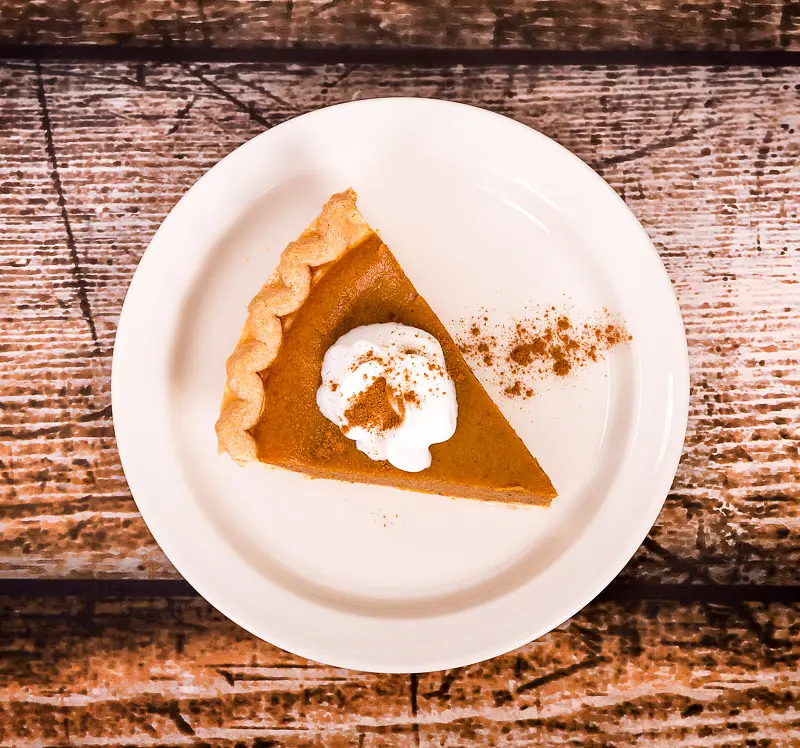
Easy Creamy Pumpkin Pie

Easy creamy pumpkin pie made with brown sugar, evaporated milk, and a simple cinnamon-allspice-ginger spice blend. A no-fuss Thanksgiving classic that mixes in one bowl.
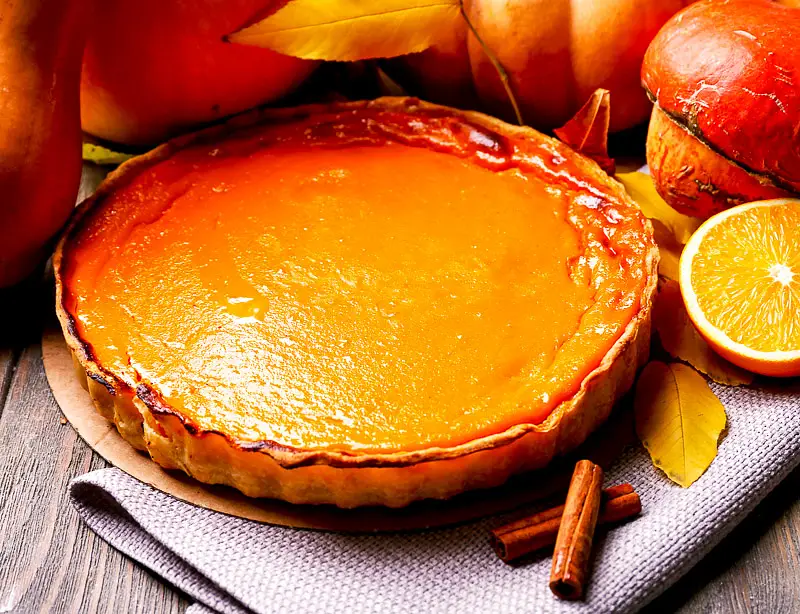
Kitty's Pumpkin Pie


Pumpkin pie spiked with a half cup of whiskey for grown-up depth, made with canned pumpkin and warm cinnamon, ginger, and clove. A boozy holiday classic that bakes into two custardy pies.
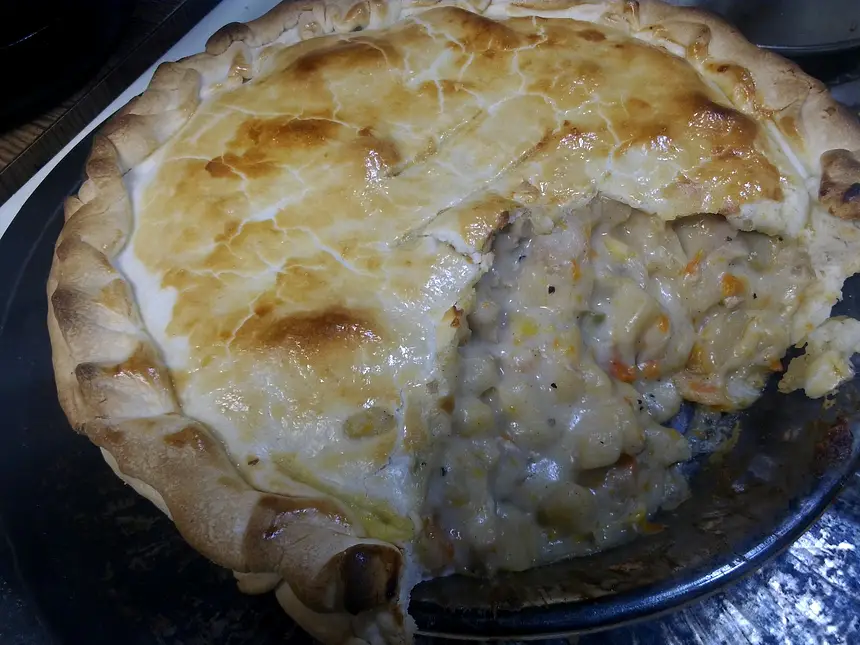
Chicken Pot-pie
Easy chicken pot pie that skips the roux: cream of potato soup, mixed vegetables, and cooked chicken baked between two flaky crusts with thyme. A fast way to use up leftover meat.
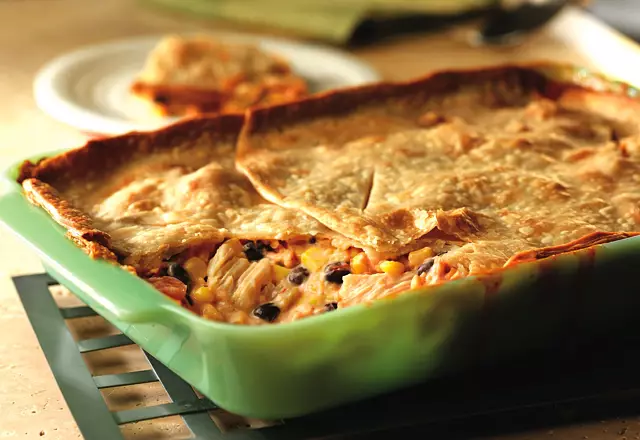
Fiesta Chicken Casserole
This crowd-pleasing, kicked-up casserole uses pantry ingredients and refrigerator staples topped with a refrigerated pie crust and baked until the filling is bubbling and the crust is golden.
German Chocolate Pies
German chocolate pies: two pies at once, gooey cocoa-pecan-coconut filling in flaky shells. One to eat now, one to freeze. A Southern dessert for holidays and church suppers.
Bob's Chocolate Chip Pecan Pie
Bob's chocolate chip pecan pie loads an unbaked crust with pecans and chocolate chips, then bakes them under a gooey, custardy filling of corn syrup, eggs, and butter. A rich twist on classic pecan pie.
Sweet Potato& Cranberry Quiche
Sweet potato and cranberry quiche with grated sweet potatoes, carrots, and sugar-cooked cranberries in a creamy cream cheese custard with nutmeg. A stunning harvest brunch dish that serves 12.
Lemon Cream Cheese Pie
Lemon cream cheese pie with a homemade lemon curd folded into sweetened condensed milk, cream cheese, and lemon pudding. Tangy, creamy, and no-bake filling.
Awesome Chocolate Coconut Pie
Chocolate coconut pie with a fudgy semi-sweet chocolate filling and flaked coconut, baked in a flaky crust. Like a brownie meets a coconut macaroon meets pecan pie.
Elanor's Sweet Potato Pie
Southern sweet potato pie with evaporated milk, nutmeg, and lemon extract in a deep-dish crust. A silky, custard-style filling made from mashed sweet potatoes that yields two full pies from one batch.
McCall's Apple Crumb Pie
This is a delicious apple pie, the brown sugar crumb topping is really good.
Blue Goo Pie
Blue goo pie is a no-bake cream cheese and whipped topping pie with sliced bananas and blueberry pie filling. Makes 2 pies in 15 minutes with zero oven time. A crowd-pleasing potluck legend.
Quiche
Ham and cheese quiche packs eggs, two cheeses, sauteed onion, and bell pepper into a flaky pie shell, then bakes into a creamy custard. An easy savory supper or brunch that works hot or at room temperature.
Amish Apple Pie
I made this because it sounded soooo good! It was delicious. And those in my family that tried it really liked it too!