What Is New mexico chile and How Can I Use It?
New mexico chile is easier to cook with than it looks. Here's how to choose, use, and store it, what to substitute, and 15 recipes to get you started.
Key Points
- Dried red Hatch-style pod with earthy, fruity flavor and mild, slow-building heat.
- The base of New Mexico red chile and enchilada sauces, red chili, and spice rubs.
- Toast the pods about 30 seconds a side, then soak 15 to 20 minutes and blend.
- Guajillo swaps closest but runs hotter; California chile is milder, ancho sweeter.
- Buy pliable whole pods, store airtight away from light, and they keep about a year.
What is new mexico chile?
New Mexico chile is the dried red pod that gives Southwestern cooking its deep, earthy backbone.
These are mature red chiles, the same long pods grown around Hatch and across New Mexico, picked ripe and dried until they turn a glossy brick red.
The flavor is the draw, not the burn. It tastes of sun-dried fruit and toasted earth, with a faint cherry sweetness and a gentle heat that builds slowly rather than bites.
This is the chile behind a true red chile sauce, the kind ladled over enchiladas and burritos across the region. One pod does more for color and depth than for fire.
Dried green New Mexico chile is a different ingredient; the green is roasted fresh and frozen, while these red pods are dried for sauce and powder.
Cooking With New Mexico Chile
The classic move is to turn whole dried pods into sauce. Pull the stems and shake out most of the seeds, then toast the pods briefly in a dry pan or a low oven until they smell nutty and pliable, about 30 seconds a side.
Do not let them scorch. A burnt pod turns the whole batch bitter, so pull them the moment they darken and puff.
Next, cover the toasted pods with hot water and soak them for 15 to 20 minutes until soft, then blend with some of the soaking liquid plus garlic and salt. That puree is the heart of a New Mexico Red Chile Sauce and a quick 10 Minute Enchilada Sauce.
The same chiles carry a pot of beans. They give a New Mexico Red Bean Chili its rust color and round, earthy heat, where they stand in for the flat scoop of generic chili powder.
Ground into powder, they become a rub or a seasoning. The powder seasons the meat in New Mexican Chile-Marinated Pork Spareribs and lends its fruity depth to a spice blend like Berbere Sauce.
Pairing and Common Mistakes
New Mexico chile loves the flavors of the Southwest: garlic, cumin, oregano, tomato, pork, beans, and corn. Its mild fruitiness also takes well to a touch of cinnamon or unsweetened chocolate in a darker sauce.
The first mistake is skipping the toast. Raw rehydrated pods taste flat and slightly grassy; 30 seconds of dry heat wakes up the oils and is the difference between a dull sauce and a deep one.
The second is leaving the soaking water in by default. If your pods were old or you toasted them a shade too far, that liquid can carry bitterness, so taste it first and use plain stock or water instead when it tastes harsh.
The last is straining or not. Pod skins can stay slightly grainy even after blending, so for a silky enchilada sauce, push the puree through a sieve; for a rustic chili, leave it.
Substitutes for New Mexico Chile
Guajillo is the closest swap and the easiest to find. It shares the same bright, fruity red-chile character but runs a little hotter and sharper, so use it measure for measure and dial back if you want it mild.
California chile is essentially the same pod grown milder, almost interchangeable but with even less heat, so reach for it when you want the color and flavor with almost no burn.
Ancho, the dried poblano, is darker and sweeter, more raisin-like, with similar gentle heat; it works one for one but pushes the sauce toward sweet and smoky rather than bright.
A blend of ancho and guajillo lands close to the New Mexico profile.
In a pinch, plain New Mexico or chili powder stands in for the pods, though you trade the fresh-toasted depth; start with about a tablespoon of pure chile powder per two dried pods and adjust.
Buying and Storing New Mexico Chile
Buy whole dried pods that are still pliable and leathery, not brittle or dusty, with a deep red color and a fruity smell. Cracked or faded pods have lost their oils and will make a weak sauce.
Store them whole in an airtight bag or jar away from light and heat, where they keep their flavor for about a year before the aroma fades. Ground powder dulls faster, so buy pods and grind as needed if you use them often.
If a pod ever smells musty or shows white fuzz, discard it; that is mold, not the harmless pale bloom of natural oils. For long storage, the freezer keeps both whole pods and powder fresh well beyond a year.
Quick facts
- In Chinese
- 新墨西哥州智利
- British (UK) term
- New mexico chile
- en français
- Nouveau-Mexique Chili
- en español
- nuevo México Chile
Recipes using new mexico chile
There are 15 recipes that contain this ingredient.
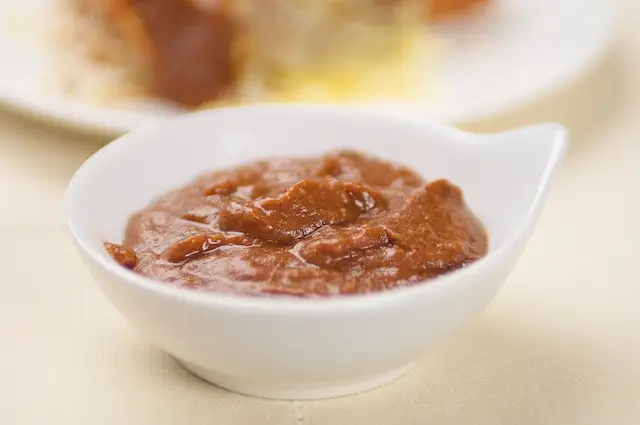
Everything Salsa


"SOUTH TO NORTH -- `Everything' Salsa Adds Zing to, Well, Everything." Jacqueline Higuera McMahan
Chipotle Rubbed Cowboy Steak with Jalapeno Jelly
Thick-cut cowboy steak rubbed with smoky chipotle paste, grilled over high heat, then slathered with homemade jalapeno jelly. Includes a from-scratch pepper jelly recipe.

Paul's Sacramento Black Bean Soup
Sacramento-style black bean soup with smoked ham, New Mexico chile, chipotle peppers, cumin, and oregano. Pureed smooth and topped with homemade creme fraiche and red bell pepper.
Pasta with Roasted Tomato & Red Chile Arrabiata
Roasted tomato and red chile arrabiata sauce with New Mexico chile, garlic, oregano, and cilantro over pasta. A Southwestern twist on Italian arrabiata with fire-roasted depth.
New Mexican Chile-Marinated Pork Spareribs
New Mexican spareribs simmered tender, then marinated overnight in pureed dried red chiles, tequila, cider vinegar and brown sugar. Grilled hot for a smoky, deeply spiced char. Real Southwestern barbecue.
New Mexico Red Chile Sauce
New Mexico chiles are not overly spicy. The flavor will depend on which chiles you use. You can find dried New Mexico chiles in the Mexican section of some supermarkets or in Latin supermarkets.
Fish in Fiery Lemon-Coriander Sauce
Fish in fiery lemon-coriander sauce: halibut marinated overnight with green chiles, garlic, fresh cilantro, and ground coriander, then grilled and basted with ghee.
Dom's Nuclear Chili
A from-scratch chili built on six varieties of dried chiles pureed with beer and garlic, simmered for hours with bacon, bell peppers, and beans. Intensely complex heat with serious depth of flavor.
Hot & Spicy Pineapple Pork
Hot and spicy pineapple pork stir-fry with thin-sliced pork tossed in a sweet-sour sauce of New Mexico chile, brown sugar, and cider vinegar, finished with juicy pineapple, celery, and crunchy cashews.
Smoky Joe's Texas Red Chili
This is a Texas style red chili. Texas chili has no tomatoes but more importantly NO BEANS! Some of the ingredients I used, like the chocolate and the granulated chicken broth in lieu of salt, are non-traditional but I like the flavor it adds.
Smoky Joe's Texas Red Chili
This is a Texas style red chili. Texas chili has no tomatoes but more importantly NO BEANS! Some of the ingredients I used, like the chocolate and the granulated chicken broth in lieu of salt, are non-traditional but I like the flavor it adds.
New Mexico Red Bean Chili
New Mexico red bean chili with ground beef, three cans of kidney beans, and pureed pimentos. Built on ground New Mexico chile with allspice, cumin, and coriander.

Apple Pie with New Mexico Chili
Unexpected apple pie spiked with New Mexico chili powder for subtle heat and depth. The apples cook down with spices before filling the crust. Sweet, spicy, and totally unique.
Berbere Sauce
Toast whole spices until smoky, grind with dried chilies and aromatics, then blend with oil and wine for a thick Ethiopian berbere paste that clings to meats and vegetables.