What Is Scotch bonnet chile peppers and How Can I Use It?
Scotch bonnet chile peppers is easier to cook with than it looks. Here's how to choose, use, and store it, what to substitute, and 19 recipes to get you started.
Key Points
- Very hot Caribbean chile at 100,000 to 350,000 Scoville units, with a fruity mango-and-apricot sweetness.
- Simmer one whole and unpierced for aroma, or chop and blend it in for full jerk-level heat.
- Always wear gloves; capsaicin oil lingers and transfers to your eyes hours later.
- Habanero is the near-identical one-for-one substitute; serrano or jalapeno gives milder, less fruity heat.
- Scrape out seeds and pale ribs to cut the burn while keeping the flavor.
What are scotch bonnet chile peppers?
The scotch bonnet is a small, wrinkled chile that brings most of the heat to Caribbean cooking. It is named for its squat, lobed shape, which looks a little like a tam-o'-shanter cap, and it ripens from green through yellow to a deep orange-red.
The flavor underneath the burn is what separates it from a generic hot pepper. Behind the heat is a fruity, almost tropical sweetness, with notes that lean toward mango and apricot, which is why it belongs in jerk seasoning and island hot sauces rather than just any chili.
It is genuinely hot. On the Scoville scale it runs roughly 100,000 to 350,000 units, dozens of times hotter than a jalapeño, so a little goes a long way.
How to Use It
A whole scotch bonnet, left in but not pierced, is the traditional move in a pot of stew or rice. It perfumes the dish with its fruity aroma and a background warmth without dumping in all its heat.
Fish it out before serving. Simple Jamaican Rice & Peas uses it exactly this way, simmered whole in the coconut liquid.
To pull out the full force, chop or blend it into the dish. Jerk marinades grind it with allspice and thyme and scallion into a paste that coats chicken or pork, as in Jamaican Jerk Chicken and Jerked Pork.
Callaloo Soup and Chicken Roti both work it into the simmer for steady island heat.
The seeds and the pale inner ribs hold the most capsaicin, so scrape them out to dial the burn down while keeping the flavor. Start with less than you think you need; you can always add more, but you cannot take it back out.
Handling and Pairing
Wear gloves. The capsaicin oil clings to skin and transfers straight to your eyes hours later, long after you think your hands are clean.
If you skip the gloves, wash with soap and oil rather than water alone, since capsaicin is oil-soluble and water just moves it around.
Its fruitiness makes it a natural partner for sweet and tropical flavors. It plays beautifully against mango, pineapple, coconut milk, and brown sugar, which is the logic behind Caribbean marinades that balance the fire with sweetness.
Allspice, thyme, ginger, garlic, and lime round it out on the savory side. Dairy or a starch on the plate tames the burn at the table, so serve fiery dishes with rice or bread or a cooling yogurt sauce.
The common mistake is treating it like a milder chile and adding it by the handful. One pepper can carry a whole pot, so respect the quantity and taste as you go.
Substitutes
The closest swap is the habanero, a close relative with nearly identical heat and a similar fruity profile. Most cooks cannot tell the two apart in a finished dish, so use them one for one. The scotch bonnet leans a touch sweeter, the habanero a touch sharper.
If you need something milder, a serrano or a few jalapeños will give you the green, grassy heat without the tropical sweetness.
You will lose the character that makes a jerk dish taste right, so to get the fruit back, add a small piece of fresh mango or a splash of pineapple juice.
When fresh peppers are nowhere to be found, a scotch bonnet or habanero hot sauce stirred in at the end gives you the flavor and heat. Add it gradually, since bottled sauces also carry salt and vinegar.
Buying and Storage
Look for firm, glossy peppers with taut, unwrinkled skin and a fresh green stem. Color tells you ripeness, not heat: red and orange are riper and sweeter, green ones a little sharper, but all of them pack serious fire.
Caribbean and West Indian groceries are the most reliable source.
Fresh scotch bonnets keep in the refrigerator crisper for one to two weeks in a paper bag, which lets them breathe and resists the moisture that turns them soft. Toss any that go mushy or grow soft spots.
For the long haul they freeze whole with no blanching; just bag them and pull one out as needed, chopping it straight from frozen. You can also string and dry them, or blend a batch into a pepper sauce that keeps for weeks in the fridge.
Quick facts
- In Chinese
- 苏格兰阀盖辣椒智利
- British (UK) term
- Scotch bonnet chile peppers
- en français
- piments scotch bonnet
- en español
- escocesa del capó chiles
Recipes using scotch bonnet chile peppers
There are 19 recipes that contain this ingredient.
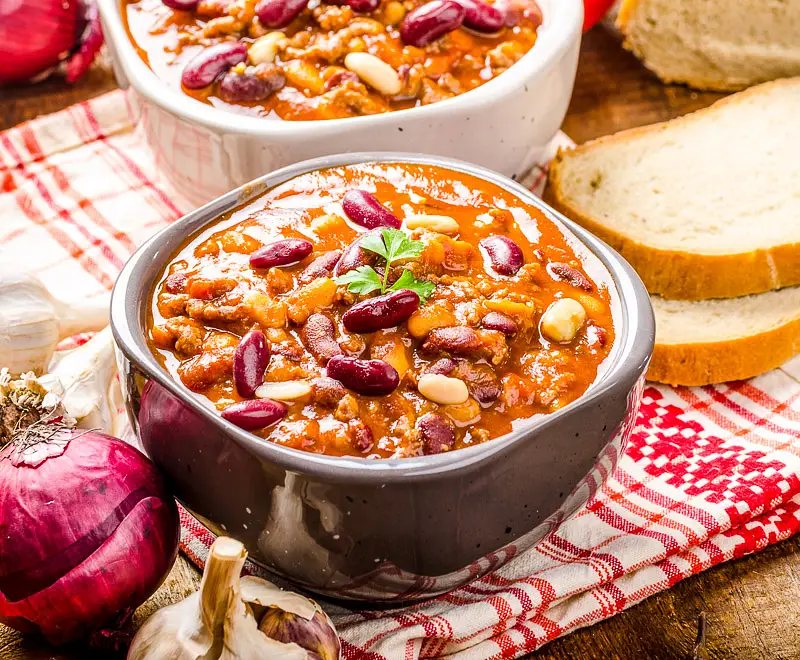
5 Alarm Chili


5 alarm chili for serious heat-seekers: layered with jalapeno, serrano, scotch bonnet, chipotle, and pasilla chiles over slow-simmered beans and meat. A deep, smoky, blistering bowl of fire.
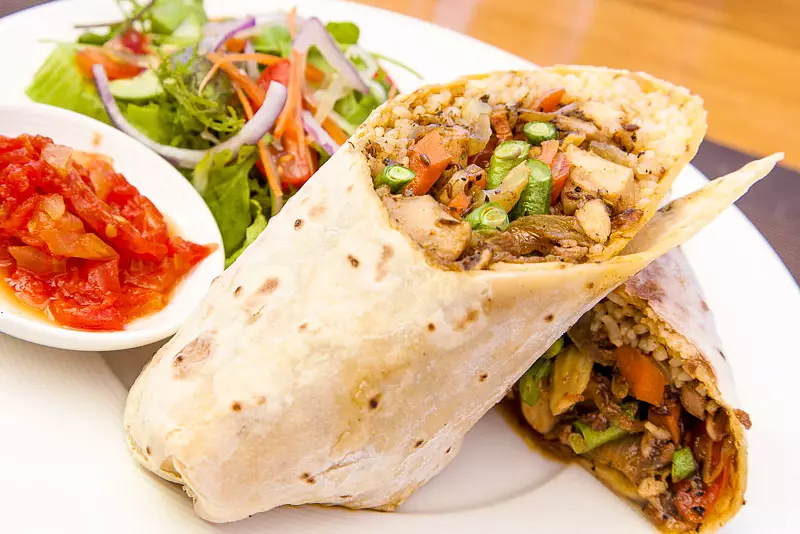
Chicken Roti
Caribbean chicken roti, curried chicken with scotch bonnet, garlic, and jira folded into homemade flatbread rounds. A Trinidadian-style street food classic that rewards a long marinating session.
Chicken Roti
Caribbean chicken roti, curried chicken with scotch bonnet, garlic, and jira folded into homemade flatbread rounds. A Trinidadian-style street food classic that rewards a long marinating session.
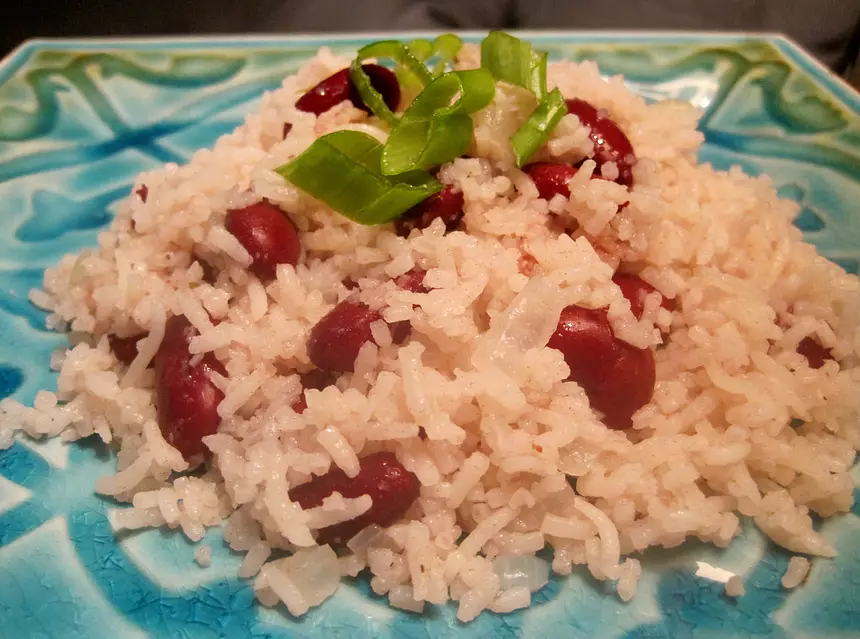
Simple Jamaican Rice & Peas
Made quick and easy by using canned (unsweetened) coconut milk and canned kidney beans, this is a great accompaniment to jerk chicken.
Callaloo Soup
Traditional Caribbean callaloo soup with dasheen, okra, plantain, and yam puréed into a silky, spiced broth with a Scotch bonnet kick. Warm, green, and soul-filling.
Best Tangy Grilled Chicken
Tangy grilled chicken with a Scotch bonnet and white wine marinade, sweetened with tomato paste and brightened with vinegar. A Caribbean-inflected chicken built for hot coals.
Barbequed Chicken with Citrussy Chargrilled Spring Onions
Barbecued chicken in a fiery citrus marinade of orange juice, scotch bonnet, garlic, and cilantro, grilled until crisp and served with lime-dressed chargrilled spring onions. Pile it into a wrap.
Saturday Sancoche
Caribbean sancoche soup with salt beef, ground provisions like yam, cassava, and dasheen, plus green bananas, pumpkin, and okra. A hearty weekend one-pot stew with island roots.
Jerk Chicken Wings
Jerk chicken wings marinated in scotch bonnet peppers, allspice, thyme, ginger, and soy sauce then baked until crispy. Fiery Caribbean-spiced wings with serious heat and warm spice.
Caribbean Pepper Oil
Homemade Caribbean hot pepper oil infused with scotch bonnet, shallots, garlic, thyme, and fresh herbs in extra-virgin olive oil. Just mix, bottle, and wait one week for fiery island heat.
Jamaican Chicken Wings
Jamaican chicken wings marinate overnight in jerk seasoning with Scotch bonnet, allspice, dark rum, and warm spices, then bake to a sticky-sweet finish. Authentic Caribbean party wings.
Jerked Pork
Jamaican jerk pork shoulder marinated overnight in Scotch bonnet peppers, allspice, thyme, and scallions, then slow-grilled over indirect heat. Authentic Caribbean jerk with serious heat.
Vegetables with Peanut Sauce
West African vegetables with peanut sauce, fried plantains, sautéed carrots, and green beans. Scotch bonnet heat, allspice warmth, and creamy peanut richness in every bite.
Scotch Bonet Pfeffernusse
Instead of being hard, dry spice cookies, these are soft, moist spicy cookies with a medium hot disposition. Their heat is derived from ground Jamaican Scotch Bonnet peppers.
Yellow Hell (Mango Marinade)
Yellow Hell is a Caribbean mango marinade with scotch bonnet pepper, dark rum, coconut milk, ginger, and lime. Fruity, fiery, and built for grilled chicken, pork, or seafood.
Coconut Chicken With Tropical Mango Rum Sauce
Crispy coconut-crusted chicken strips with a tropical mango rum dipping sauce spiked with scotch bonnet, lime, and fresh ginger. Island vibes on a weeknight plate in under 45 minutes.
Pasta From Hell
Try this devilishly delicious pasta dish made with pineapple juice, bananas and scotch bonnet chili peppers.
Ajilimojili (Hot & Sweet Pepper Sauce)
A spicy sweet pepper sauce that's made from scotch bonnet chile peppers and bell peppers.
Jamaican Jerk Chicken
Add a Jamaican kick to your chicken with this scrumptious recipe that will have you licking your fingers.