What Are Juniper berries and How Can I Use Them?
If juniper berries have turned up in a recipe or caught your eye at the store, here's what you need to use them with confidence and how to choose them, cook them, store them, what to substitute, and 60 recipes to try them in.
Key Points
- Dried blue cones of the juniper bush; piney, resinous, peppery, the flavor behind gin.
- Built for game, duck, pork, sauerkraut, and cured meats; crush before using.
- Potent, so use only four to six berries, not a spoonful, per dish.
- No true swap; a splash of gin echoes the note closest in a braise.
- Whole berries keep about a year airtight; crush only as you cook.
What are juniper berries?
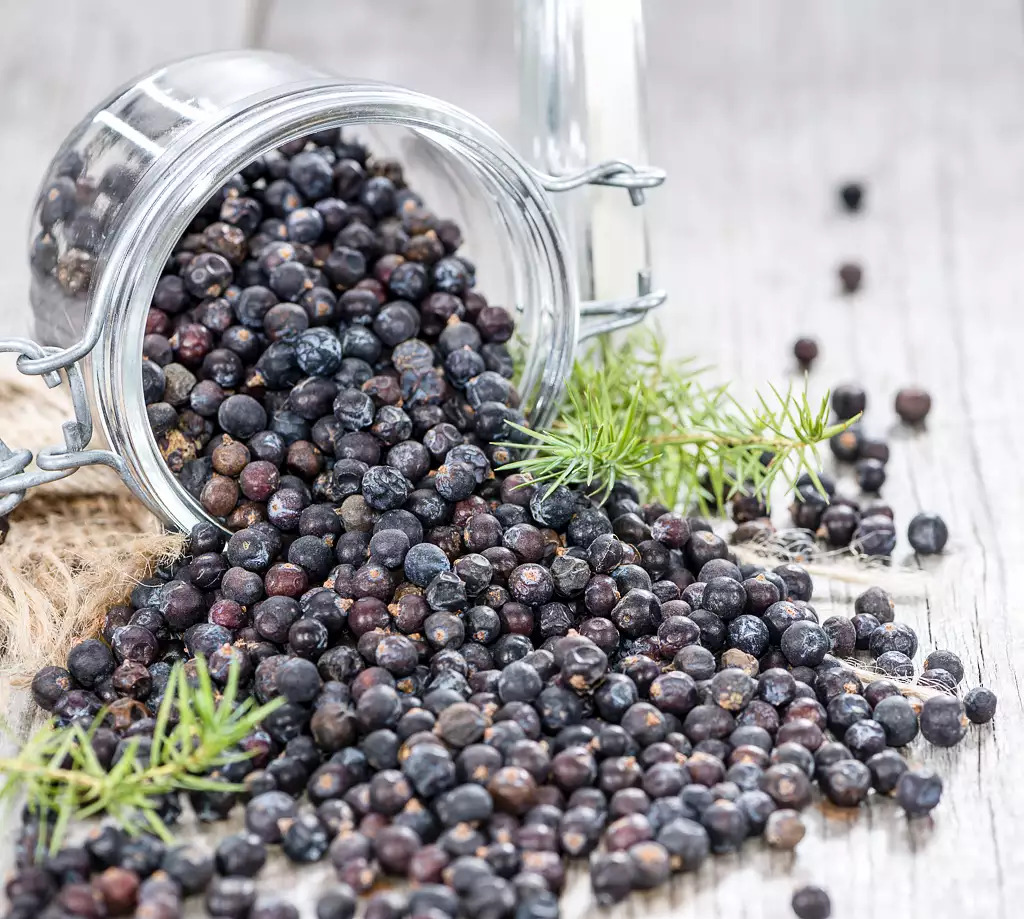
Juniper berries are the small, dusky-blue cones of the juniper bush, dried until they shrink to hard, wrinkled little spheres the color of a ripe blueberry gone matte. They are most famous as the thing that makes gin taste like gin.
In the kitchen they bring a flavor that is piney and resinous, with a sharp, almost peppery bite and a cool, faintly sweet edge underneath. It tastes like a walk through a pine forest, which is exactly why they belong with strong, gamey, fatty foods.
A little goes a very long way. Most dishes use only four to six berries, not a spoonful.
How to Use Juniper Berries
Crush the berries before you use them. They are dry and hard, and their oils stay locked inside until you crack them open, so press a few under the flat of a knife or grind them coarsely in a mortar.
Their classic home is game and rich meat. They cut through the heaviness of venison, caribou, duck, and pork, which is why you find them in a Caribou Marinade and a Venison Terrine and the corning brines for Surbraten (Corned Pork) and Peter's Corned Beef.
The other classic pairing is cabbage, especially sour or fermented cabbage. Juniper is the soul of Polish bigos, the hunter's stew that cuts the fat in dishes like Pork Ribs in Sour Cabbage, and it seasons a cured fish like Pickled Salmon as Appetizer (Gravad Lax style).
Toss whole crushed berries into a braise or marinade and fish them out before serving, or grind them fine into a dry rub or a terrine forcemeat where they stay put.
Pairing and Common Mistakes
Juniper runs with cold-climate flavors: bay leaf, thyme, rosemary, black pepper, garlic, red wine, plus orange and caraway. Those build the backbone of a northern European braise.
The single biggest mistake is using too many. Juniper is potent and turns medicinal and bitter fast, so stick to a handful of berries for a whole stew or roast and add more only if you must.
The second mistake is leaving whole berries in a finished dish. They are woody and unpleasant to bite into, so either tie them in a bundle, crush and strain them out, or grind them to powder if they need to stay.
Substitutes
There is no clean swap, because nothing else has that pine-resin character. A splash of gin is the smartest stand-in, since it is literally juniper-flavored; add a tablespoon or two near the end of a braise to echo the note.
For a dry rub, a small pinch of crushed rosemary plus a little caraway gets you in the neighborhood of the woodsy, slightly bitter profile. It will not be exact, but it reads as cold-weather and savory.
If a recipe calls for six berries and you have none, it is usually fine to leave them out. The dish loses a layer but rarely falls apart.
Buying and Storage
Buy whole dried berries, sold in the spice aisle, and choose ones that are still slightly soft and springy rather than rock-hard and crumbling. A fresh berry releases a sharp pine smell when you crush it; a tired one smells of almost nothing.
Stored in an airtight jar away from heat and light, whole juniper berries keep their flavor for about a year, less than most hard spices because their aromatic oils are volatile and fade.
Crush them only as you cook, never in advance, so the oils stay sealed until the last moment.
Juniper berries appear in more than 50 recipes here, heavily weighted toward game and sauerkraut and other cured meats, the cold-climate dishes where their pine-and-pepper edge does real work.
Quick facts
- In Chinese
- 杜松子
- British (UK) term
- Juniper berries
- en français
- baies de genièvre
- en español
- bayas de enebro
Recipes using juniper berries
There are 60 recipes that contain this ingredient.
Pork Hock with Pickled Sweet Red Pepper


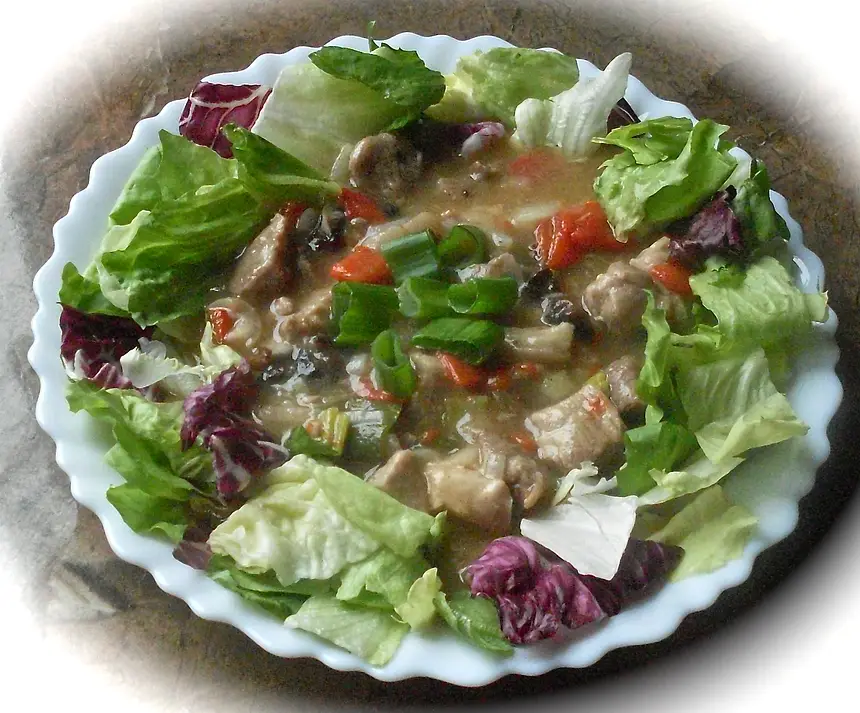
I like this sour flavor. The best over buckwheat, but all is fine when over rice, potatoes, noodles, or just with lettuce mix. You may use pickled grilled red pepper.
Garlic & Fava Beans Soup
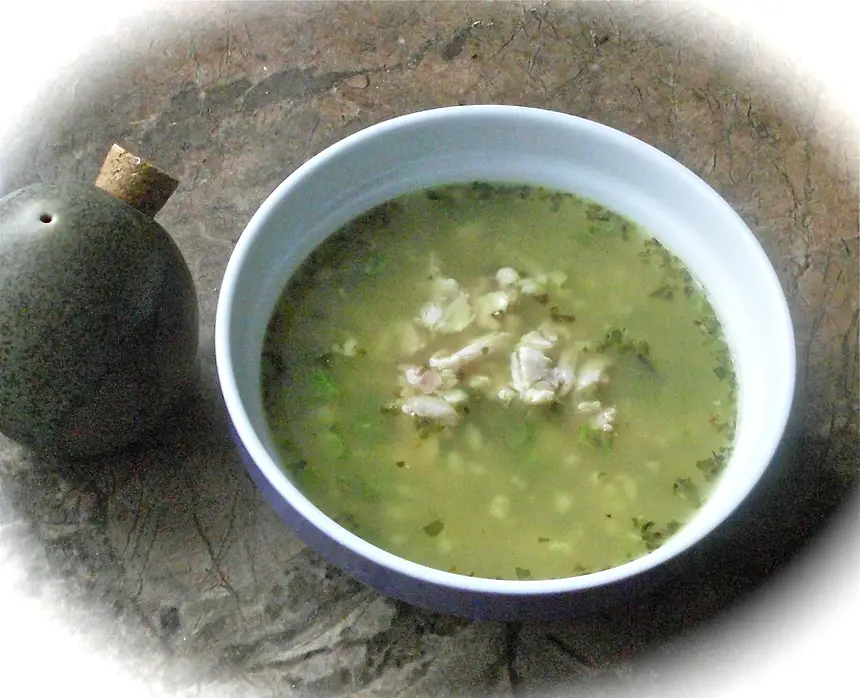
A soup which is a combination of Mediterranean garlic soups with a 17th century East European fava beans soup. Quite good.
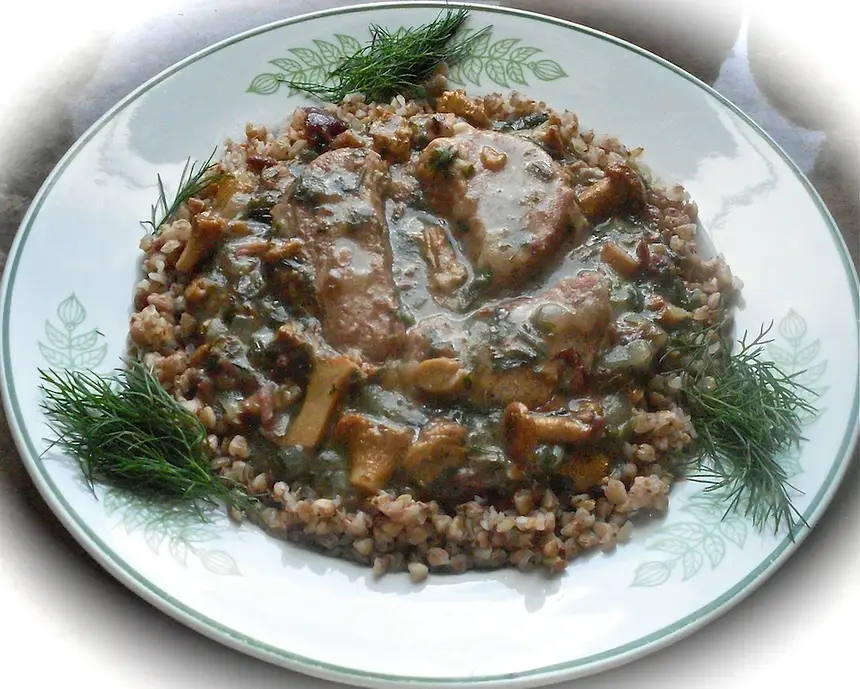
Pork Shoulder in Chanterelle Sauce over Buckwheat
Pork shoulder in chanterelle sauce over buckwheat: tender pressure-cooked pork in a fragrant wild-mushroom sauce with herbs, spooned over nutty buckwheat. A rustic, comforting Eastern European plate.
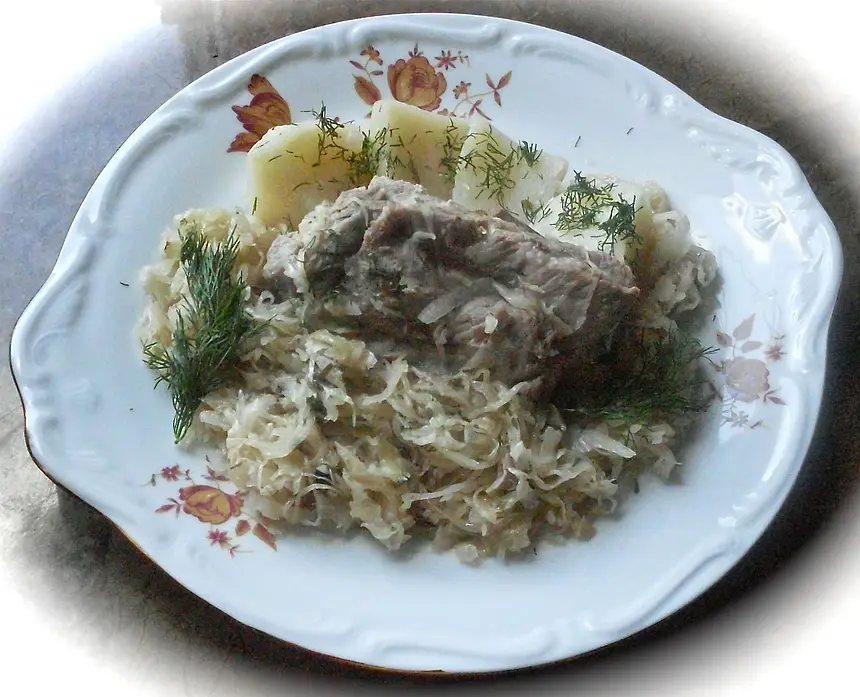
Pork Ribs in Sour Cabbage
Nothing new under the sun, just my rendition of very popular dish in Eastern Europe, inspired by various cuisines of Carpathian Mountains. Cooked quite quick in a pressure cooker.
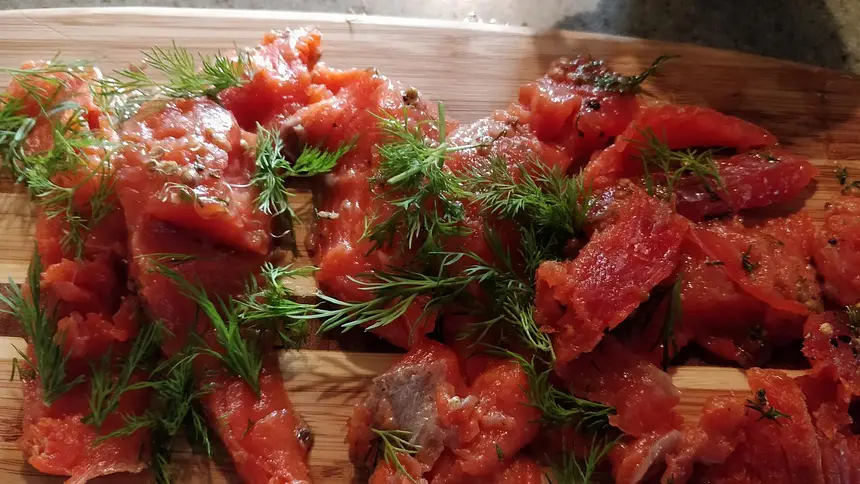
Pickled Salmon as Appetizer (Gravad Lax style)
An easy way to create a tasteful appetizer, similar to the way it is done in Scandinavia or Northern Germany. Preferably you want to use wild caught salmon when it is available or catch-it yourself. The usual caveats when you deal with fresh fish apply. Process it immediately. I had good experience with wild Alaska sockeye salmon which is frozen for a while before it comes into the shop.
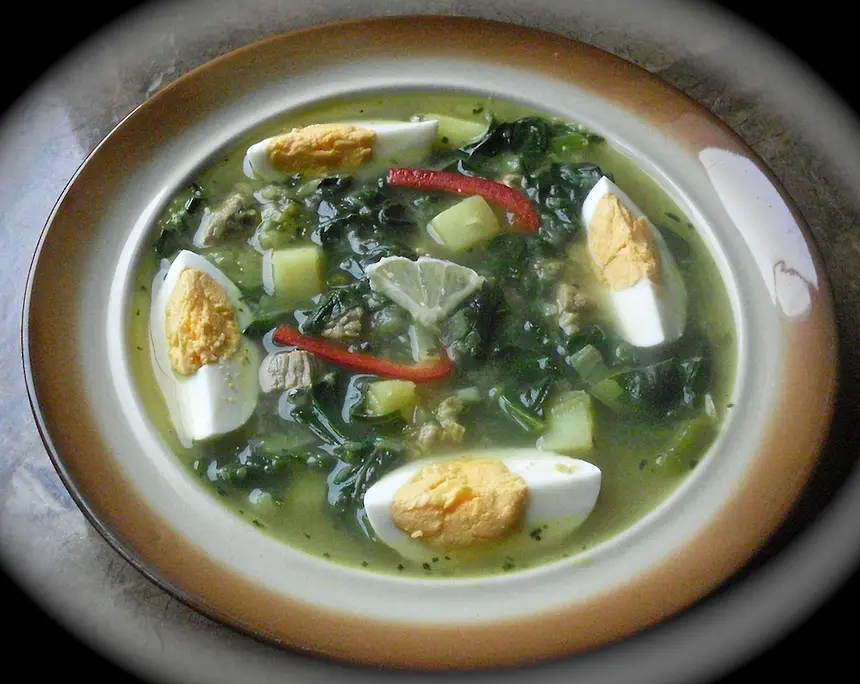
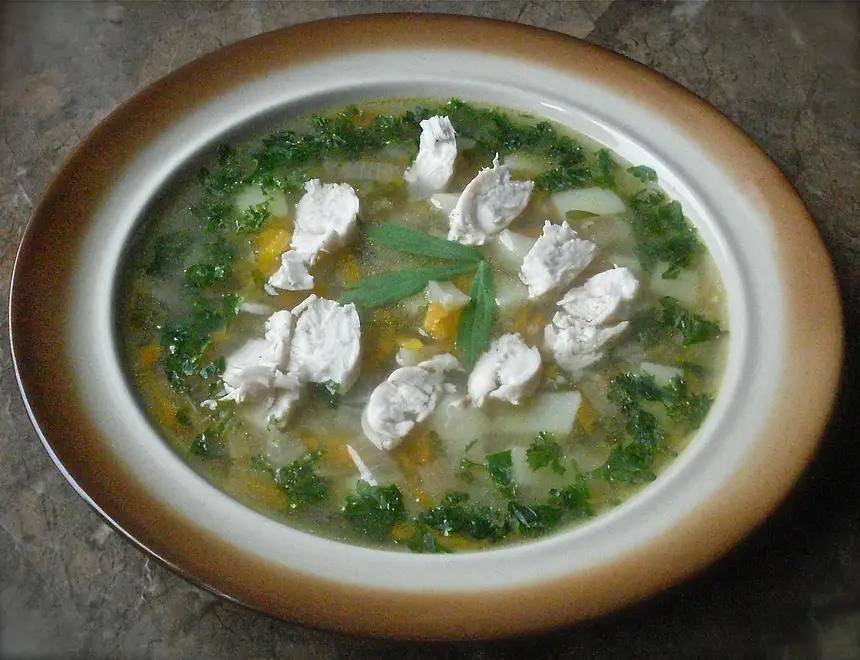
Spinach & Long White Radish Soup
Spinach and long white radish soup: a clear beef broth scented with juniper and tarragon, loaded with daikon, potato, and spinach, brightened with lemon and turmeric. An unusual, fresh spring bowl.
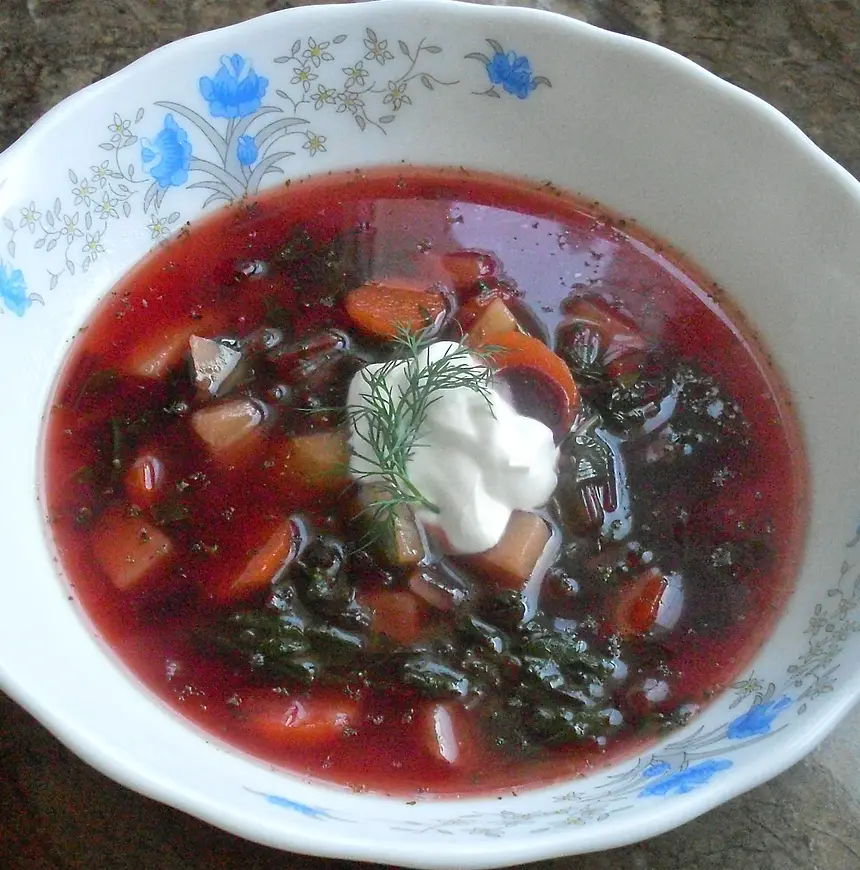
Spring Beet soup (Polish Botwina)
There are hundreds versions of this very Polish soup. Here you have an original proposition of mine. I used to cook it on the base of my favorite duck and chicken stock. The cream is a must to create wonderful pink color. Optionally you may add a quarter or a half of hard boiled egg to your bowl. By the way, I change my recipe sometimes, for instance by adding dried California prunes instead of sugar, or by adding some white vinegar instead of lemon juice.
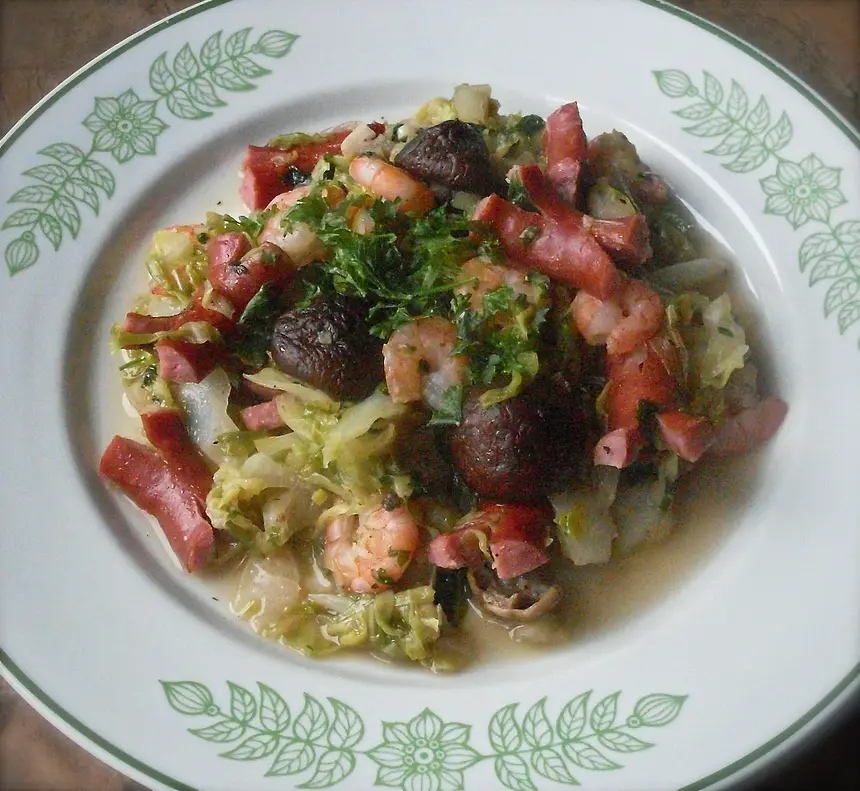
Spring Cabbage with Mushrooms, Frankfurters & Shrimps
for fans of spring cabbage and untypical combinations..
Cabbage with Gin & Juniper
Steamed cabbage wedges finished in butter with shallots, juniper berries, savory, and gin. An elegant, aromatic side dish that turns humble cabbage into something extraordinary.

Southwest Riblets
Southwest riblets baked in a mole-inspired sauce with ground red chiles, unsweetened chocolate, juniper berries, tomato paste, and apple cider vinegar. A smoky, complex, slightly bitter glaze on tender pork back ribs.
Roast Quail with Juniper Berries Iii (Quail)
Pan-roasted whole quail stuffed with pancetta, sage, and juniper berries, finished with a gin and white wine pan sauce. A masterchef-level wild game main course in 30 minutes.

Wild Pig on Sauerkraut
Roasted pork shoulder on sauerkraut with juniper berries, grated apples, white wine, and bay leaves. A hearty German-style pork and kraut dish with deep, rustic flavor.
Wild Pig on Sauerkraut
Roasted pork shoulder on sauerkraut with juniper berries, grated apples, white wine, and bay leaves. A hearty German-style pork and kraut dish with deep, rustic flavor.

Green Chili Stew
Green chili stew with lamb shoulder, poblano peppers, crushed juniper berries, and shredded lemon zest. A New Mexico-style chile verde with tender braised lamb in a thickened chicken broth.
Kip Filet with Sherry Sauce
Grilled chicken fillet marinated in sherry, soy sauce, and crushed juniper berries, sliced thin and served with a glossy sherry pan sauce. Dutch-inspired with bold, aromatic flavor.

Potato Pancakes with Juniper
Potato pancakes seasoned with crushed juniper berries and orange zest, fried golden in butter and oil. A crispy, aromatic twist on classic latkes with just 6 ingredients.

Fiery Chili Soup
Fiery chili soup with seared lamb, white hominy, green and red chili peppers, and crushed juniper berries. A hearty, spicy Southwestern-style stew simmered until the lamb is fork-tender.
Roasted Squab with Corn & Chili Sauce
Roasted squab with corn and chili sauce: juniper-scented birds roasted rare, served with a smoky bacon, chili, and corn-cob sauce sweetened with maple syrup.

Pheasant with Black Olives
Pheasant with black olives sears and roasts boned pheasant breast and thigh, served with a deep wine and bone-stock reduction studded with black olives and tomato. An elegant wild-game main with Provencal flavors.

Bakers Oven
Wine-marinated lamb shoulder layered with potatoes, onions, and butter, slow-roasted in a traditional German Romertopf clay pot. Rustic European comfort at its most elemental.
Smoky Lamb Chops in Red Wine Marinade
Tender lamb rib chops marinated overnight in red wine, crushed juniper berries, garlic and extra-virgin olive oil, then grilled until charred and smoky. Serve with olives and charred pepper skewers.

Red Cabbage & Apples
Slow-braised red cabbage with apples, juniper berries, caraway seeds, and malt vinegar. A traditional German-style side dish simmered for nearly two hours until silky and sweet-tart.
Snippets of Venison
Snippets of venison marinated in cider with juniper berries, seared pink, and served with sauteed mushrooms in a garlic sour cream sauce. An elegant way to use venison trimmings.
Roast Pork Loin Wtih Pinot Noir Sauce
Brined and roasted pork loin with a pinot noir pan sauce, thyme, juniper berries, and whole grain mustard. An elegant Sunday roast for dinner-party plating.
Choucroute Garnie
Alsatian choucroute garnie: pork shoulder, knackwurst, Polish sausage, and bacon braised slow in sauerkraut, white wine, and juniper berries. Serve with boiled potatoes and sharp mustard.
Zinfandel Beef Stew
Fork-tender beef braised in red Zinfandel with juniper berries, thyme, and bay leaf in a clay pot. The wine-rich sauce gets its velvety body from pressed braised vegetables, poured over chunks of steamed carrots and potatoes.
Lamb Loin in Puff Pastry
Lamb loin wrapped in puff pastry with a pistachio and chestnut puree stuffing, served with a juniper-and-thyme red wine reduction. A showstopper main course for special occasions.

Beef Tournedos with Gin & Juniper Sauce
Pepper-crusted beef tenderloin tournedos with a bold pan sauce of gin, crushed juniper berries, and balsamic vinegar. An elegant 35-minute dinner for two.

Acorn Squash Soup with Corned Beef & Walnuts
Hearty and very meaty with the crunch of earthy walnuts.
Potroasted Kid, Locarno Style (Capretto Alla Locarnese)
Capretto alla Locarnese, Swiss-Italian pot-roasted kid or lamb braised with sage, juniper berries, mint, white wine, and finished with cream and rum. A refined Alpine braise.

Fish Broth with Oysters & Saffron
Fish broth with oysters and saffron simmers a homemade fish fumet with juniper, leeks, and white wine, then adds clams, just-curled oysters, mung bean threads, radicchio, and saffron at serving. A delicate, restaurant-style seafood consomme.
Oven-Braised Pheasant with Sauerkraut
Oven-braised pheasant with sauerkraut, bacon, juniper berries, and white wine. Legs slow-cooked until tender in the kraut, breasts roasted separately to keep them juicy.


Braised Beef with Brandy& Mustard
Lean beef round steak browned, deglazed with brandy, and braised low in a tangy two-mustard sauce with shallots, sun-dried tomatoes, and juniper berries. An elegant braise that turns out fork-tender and rich.

Spicy Vinegar Marinade
Spicy vinegar marinade with red wine vinegar, juniper berries, cloves, bay leaves, rosemary, thyme, and basil. A bold aromatic marinade for lamb, chicken, and barbecue.

Poblano Lamb Stew
Poblano lamb stew: cubed lamb shoulder simmered with crushed juniper berries and chicken broth, then finished with roasted poblano strips and a bright shower of lemon zest.
Lou Pastis En Pott (Potted Meat)
Lou Pastis en Pott, the classic Languedoc potted meat: beef and pork slow-cooked in red wine with juniper, sealed under lard, and built up over weeks. Traditional French preservation cooking.
Pan-Roasted Rabbit with Fresh Herbs
Pan-roasted rabbit marinated two days in brandy, red wine, juniper berries, and fresh herbs, then braised with chicken stock and served over wilted spinach and beet greens. A classic French farmhouse dish.
Venison Sauerbraten
Classic German sauerbraten made with venison: a 3-day vinegar and spice marinade, hours of slow braising, and a tangy-sweet gingersnap gravy. This is the ultimate project recipe for wild game lovers.

Pheasant Stock
Rich pheasant stock from roasted bones, red wine, juniper berries, and aromatic vegetables. Deep wild game flavor for sauces and soups.
Roast Loin of Venison with Cranberries
Roast venison loin rubbed with juniper berries and black pepper, served with a citrus-ginger cranberry sauce finished with red wine and cold butter.

Dutch Oven Venison
Venison shoulder roast soaked overnight in milk to tame the gamey flavor, then braised in a Dutch oven with tomatoes, red wine, juniper berries, and a bouquet garni. Fork-tender wild game at its finest.
Surbraten (Corned Pork)
Traditional German Surbraten: pork brined for three weeks with juniper berries, garlic, and onion, then roasted until the outside is crackling-crisp. An old-world curing project for the patient and adventurous cook.
Braised Beef with Brandy & Mustard
Braised beef round steak seared and oven-simmered in brandy, dual mustards, juniper berries, shallots, and sun-dried tomatoes. A French-inspired dinner that slices tender and sauces itself.

Old Munich Sauerbraten(Clay-Pot)
Old Munich sauerbraten: beef marinated for days in a spiced vinegar bath, then clay-pot braised until fork-tender in a sweet-sour gravy thickened with gingersnaps. Authentic Bavarian pot roast for potato pancakes.
Bigos
Bigos, Poland's legendary hunter's stew: sauerkraut and cabbage simmered with roast pork, beef, ham, sausage, dried mushrooms, prunes, and red wine. Tastes even better reheated the next day.
Maple Barbecued Caribou Ribs
Maple barbecued caribou ribs marinated overnight and slow-roasted for 3 hours in a sauce of maple syrup, ketchup, Worcestershire, and juniper berries. Wild game meets Canadian-style BBQ.

Peter's Corned Beef
Homemade corned beef from scratch: brisket cured 10 days in a kosher salt brine with juniper, allspice, bay, and garlic. Includes Reuben sandwich assembly.
Juniper Marinated Medallions of Caribou Fillet
Juniper Marinated Medallions of Caribou Fillet recipe