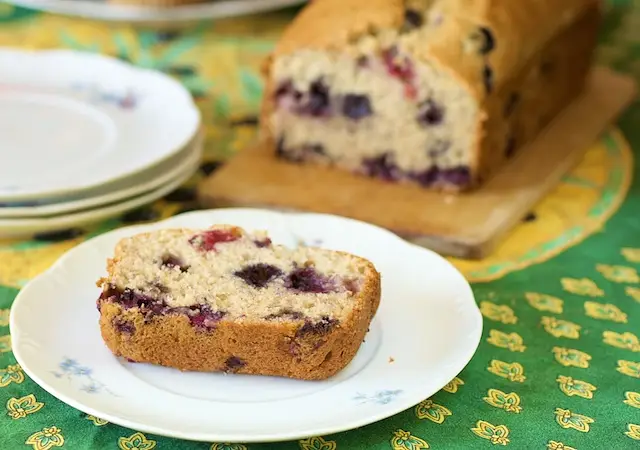
Salt-Rising Bread


Submitted by nikynoodle
Salt-rising bread made with a potato water starter fermented overnight. A heritage Appalachian yeast bread with a distinctive tangy flavor and dense crumb.
Salt-rising bread is one of the oldest American bread traditions, stretching back to Appalachian kitchens where bakers used potato water to cultivate a wild starter overnight. The result is a loaf with a distinctive tangy, almost cheese-like aroma and a dense, fine-grained crumb unlike any standard yeast bread.
The process starts with boiling potatoes and saving the starchy cooking water. Mixed with flour, sugar, and yeast, that starchy liquid ferments overnight into a bubbly, active starter that gives the bread its signature flavor. The potato starch feeds the yeast and creates the conditions for a long, slow fermentation.
This recipe also builds in a perpetual starter. Reserve one cup before baking, store it in the fridge, and use it next time in place of fresh potato water. That way each batch connects to the last, deepening the flavor over time.
Chef Tips
- Keep the starter in a warm spot overnight. A turned-off oven with just the light on works well for maintaining consistent warmth
- The starter should be bubbly and smell tangy, almost sour, before you proceed. If it’s flat and lifeless after overnight, start over
- This dough takes longer to rise than standard bread. Be patient with the 1 to 1¼ hour first rise
- The bread is done when it sounds hollow when tapped on the bottom
Variations
- Shape into three smaller loaves instead of one large one for faster baking and easier slicing
- Toast thick slices and serve with butter. Salt-rising bread makes exceptional toast with a crisp, almost crackery surface
- Use the reserved starter within two weeks for best results, refreshing it with a tablespoon each of flour and sugar
Ingredients
Directions
Cook potatoes, covered, in 6 cups unsalted water until tender; drain, reserving 5 cups cooking water.
Cool. (Use potatoes for another purpose.)
To make starter, combine the ½ cup flour, the 2 tablespoons sugar, 1 cup of the reserved potato water, and the yeast.
Cover; let stand in warm place several hours.
Add the remaining 4 cups potato water and the ½ cup sugar.
Cover; let stand in warm place overnight.
Next day, stir starter; remove 1 cup.
Add 2 tablespoons sugar to the 1 cup starter; pour into pint jar.
Cover; store in refrigerator until ready to use.
To the remaining starter (4 cups), add oil, salt and enough flour to make a moderately stiff dough.
Place in large greased bowl. Let rise in warm place until double, about 1 to 1¼ hours.
Stir down. Place in greased 12×5½ inch dishpan.
Let rise until nearly double, about 1 hour. Bake in 350℉ (180℃) oven for 60 to 70 minutes.
Or, divide dough in thirds. Place in three greased 9×5×3-inch loaf pans or three greased 1-quart casseroles.
Let rise until nearly double.
Bake in 375℉ (190℃) oven for 50 to 55 minutes.
To use reserved starter, proceed as before except substitute the 1 cup reserved starter for the 1 cup potato water.

Comments