What Are Udon noodles and How Can I Use Them?
Here's everything worth knowing about udon noodles and how to pick them, what they are, how to store them, and what to use instead, plus 11 recipes to cook tonight.
Key Points
- Thick, chewy Japanese wheat noodles with a neutral flavor that soaks up broth and sauce
- Sold frozen, fresh in vacuum packs, or dried; frozen has the best texture
- Cook times vary: dried 8 to 12 minutes, fresh 1 to 2, frozen about a minute
- Rinse cooked udon under cold water to strip starch so it does not stick
- Serve hot in dashi broth or cold with sesame, peanut, or chili dressing
What are udon noodles?
Udon are thick, chewy Japanese wheat noodles, the fattest of the common Asian noodles. Made from nothing more than wheat flour and salted water, they have a soft, bouncy bite and a neutral flavor that soaks up whatever broth or sauce they sit in.
They are usually round or square in cross-section and noticeably wider than spaghetti. That heft is the point: udon is a noodle you feel.
How to Use Udon
Cook udon in plenty of boiling water until tender but still springy. Dried udon takes the longest, around 8 to 12 minutes; fresh runs 1 to 2 minutes; and frozen, the best-textured kind, needs only a minute or so to loosen and heat through.
After cooking, rinse the noodles briefly under cold water to wash off surface starch, then add them back to hot broth or the pan. This keeps them from gluing together.
Served hot, udon goes into a simple dashi-soy broth, as in this bowl of Noodles in Broth. Served cold, the chilled noodles get tossed with a punchy dressing like the sesame and chili in these Cold & Spicy Udon Noodles.
Pairing and Common Mistakes
Udon pairs with dashi, soy sauce, mirin, scallion, and tempura, and it stands up to bolder treatments too: a thick peanut or curry sauce clings to its broad surface. It works equally well in a hot soup or a cold salad like this Udon Noodle Salad with Asian Peanut Sauce.
The most common mistake is overcooking. Udon should be tender with a springy core, not slack, so pull it the moment the center loses its raw firmness.
The second mistake is skipping the cold rinse. Without it the noodles carry a starchy film that thickens the broth and makes them stick.
Substitutes
There is no exact stand-in for udon's chew, but a few come close. Thick wheat noodles like Korean kalguksu are the nearest match. Soba gives a similar size with a very different buckwheat flavor.
In a Western pantry, the best swap is bucatini or thick spaghetti, cooked a touch past al dente so the bite turns soft rather than firm. Rice noodles miss the wheat chew but work if you need gluten-free.
Buying and Storing
Udon sells frozen, fresh in vacuum packs, or dried. Frozen has the best texture by far and is worth seeking out in the freezer case of an Asian market; it holds for a couple of months.
Fresh and vacuum-packed udon keeps a week or two refrigerated, so check the date and use it promptly.
Dried udon keeps for a year or more in the pantry. Once cooked, eat udon the same day, since it turns gummy after a night in the fridge.
Quick facts
- In Chinese
- 乌冬面
- British (UK) term
- Udon noodles
- en français
- nouilles udon
- en español
- fideos udon
Recipes using udon noodles
There are 11 recipes that contain this ingredient.
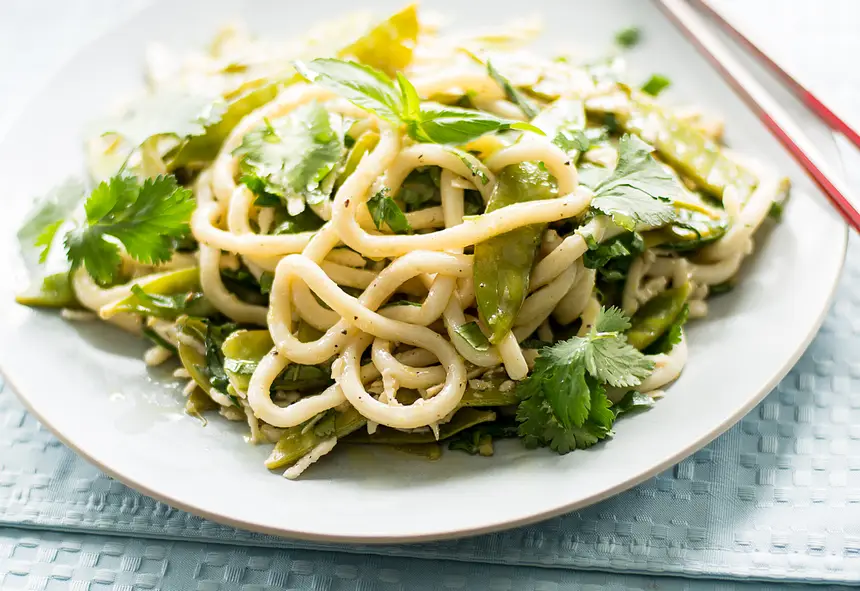
Lemon-Pepper Glazed Udon Noodles with Snow Peas & Coconut


A modern Asian twist brings this pasta salad to new heights. Udon noodles with crunchy snow peas glazed with a lemon-pepper coconut dressing and bursting with fresh basil and cilantro.
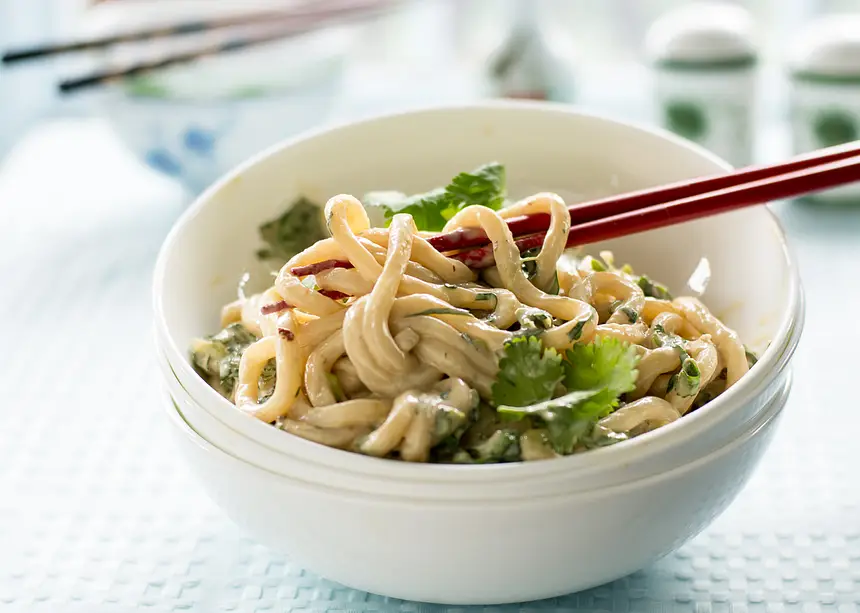
Cold & Spicy Udon Noodles
Thick udon noodles with a spicy Asian dressing that's easy to make and ready when you are.
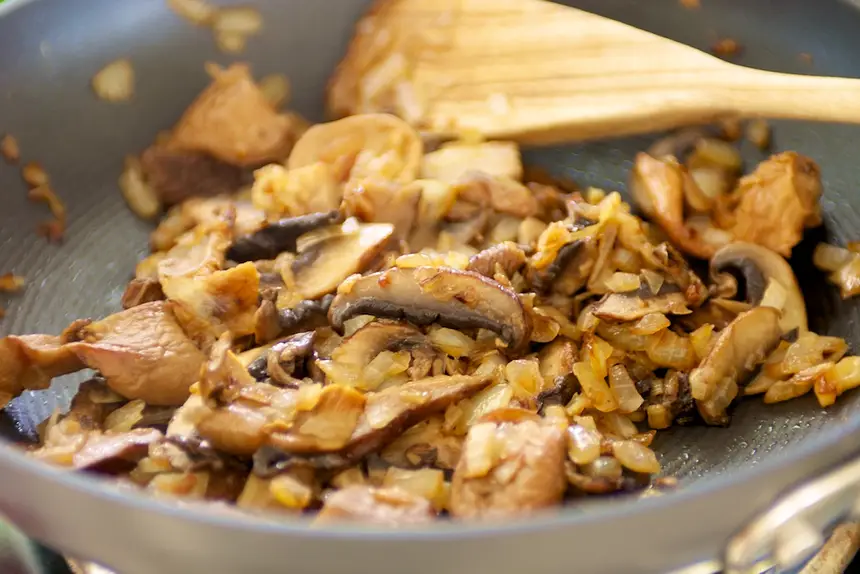
Best Hot & Sour Udon Noodle Soup

Nothing is better than a bowl of hot and sour soup on a cold winter day. Fresh vegetables, garlic, ginger and scallions, and some udon noodles are cooked in a base of stock, soy sauce and rice vinegar. It warms you up within a few seconds with tons of flavors.
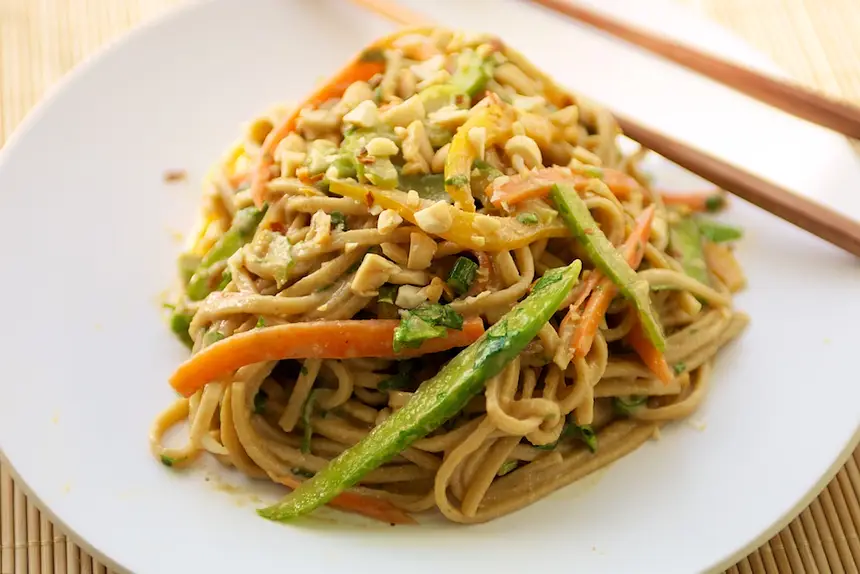
Udon Noodle Salad with Asian Peanut Sauce
Fresh vegetables and udon noodles are tossed with creamy, tangy and flavorful Asian peanut sauce that's made with peanut butter, soy sauce, rice vinegar, sesame oil and a little minced garlic, ginger. It's a wholesome yet delicious dish that's quick and easy to put together.
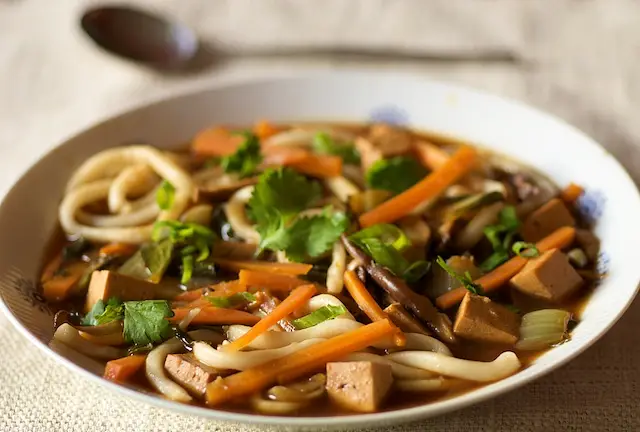
Asian Udon Noodle Soup
Shiitake mushrooms, tofu, bok choy and carrots are cooked together with ginger, sesame oil, oyster sauce and broth. Tons of fresh and delicious flavor. Yum!
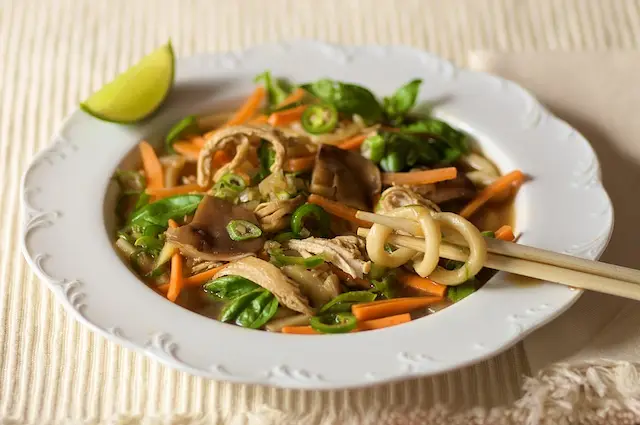
Chicken Udon Noodle Soup
This isn't your ordinary Mom's or Campbell's over-salted Chicken Noodle Soup. Udon noodles, lemongrass, and mushrooms take the soup to the next level.
Tanaka Traditional Noodles
Udon noodles tossed with shiitake mushrooms, bok choy, carrots, and grated ginger in toasted sesame oil, simmered in the mushroom soaking liquid. A clean, earthy Japanese noodle bowl.
Noodles in Broth
Udon noodle soup with chicken, bok choy, carrots, celery, and green onions in a hot chicken broth. A simple, warming Asian-style noodle bowl.
Dan Dan Mein
Dan dan noodles in the saucy style: chewy noodles topped with a spicy stir-fried ground beef sauce built on hot bean paste, garlic, and ginger, with crisp bean sprouts and scallions. A fast, fiery Sichuan noodle bowl.
Lemon Pasta Salad with Peppercorn-Coconut Glaze
Lemon Pasta Salad with Peppercorn-Coconut Glaze recipe
Noodles with Hot Meat Sauce
Noodles with hot meat sauce featuring ground beef, spicy bean sauce, ginger, and garlic over Beijing-style noodles with bean sprouts. A Sichuan-inspired dish ready in 30 minutes.