What Is Millet flour and How Can I Use It?
Millet flour is easier to cook with than it looks. Here's how to choose, use, and store it, what to substitute, and 12 recipes to get you started.
Key Points
- Naturally gluten-free, mild and faintly sweet, with a corn-like note and no bitterness.
- Best as an accent: keep it to a quarter or third of a flour blend.
- Shines in pancakes, waffles, and muffins where gluten structure matters less.
- Too much makes batters dense and sandy; sorghum flour is the closest one-for-one swap.
- Germ-rich, so it goes rancid fast: cupboard two months or freezer up to a year.
What is millet flour?
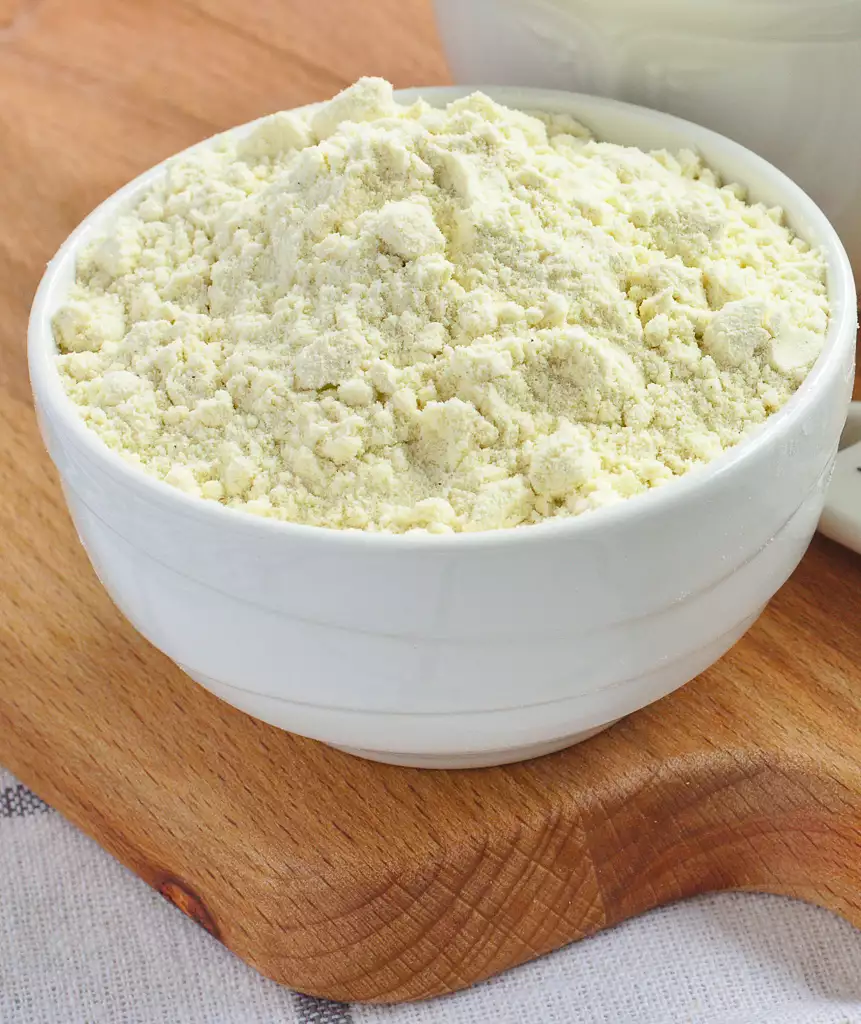
Millet flour is a soft, pale flour milled from whole millet, the same small round grain used for porridge and birdseed. It tastes mild and faintly sweet, almost corn-like, with none of the bitterness some whole-grain flours carry.
It is naturally gluten-free. On its own it cannot build the stretchy structure that holds a loaf together, and that single fact shapes everything about how you use it. For more on the wider flour family, see the flour hub.
Baking With Millet Flour
Treat millet flour as a flavor-and-texture partner, not the whole show. In gluten-free baking, keep it to roughly a quarter to a third of the flour blend and rely on rice flour plus a binder like xanthan gum for structure.
In wheat baking it works best as an accent. A handful stirred into a yeast dough adds a tender crumb and a sweet, nutty note, as in this Easy Whole Wheat Millet Bread or a hearty Favourite Multigrain Bread.
It performs best in quick batters where gluten matters less. Pancakes, waffles, muffins, and the West African Funkaso: Millet Pancakes all let its sweetness come through.
Flavor and Common Pitfalls
The sweetness pairs naturally with honey, molasses, banana, and warm spices like cinnamon and cardamom. It also takes well to savory company such as cheese and toasted seeds.
Toast the raw flour in a dry pan for a minute or two before mixing and the corn-like note deepens noticeably.
The big mistake is treating it like wheat flour and using too much. Millet is thirsty and gritty, so an all-millet batter turns dense and sandy on the tongue. Hold it to a supporting share and let the flour rest a few minutes before baking so it hydrates fully.
What to Substitute
Sorghum flour is the closest swap. It is mild and sweet and works one-for-one. Oat flour or brown rice flour also stand in, though rice flour brings more grit and less sweetness.
Going the other way, millet can replace part of the rice flour in a gluten-free blend to soften the flavor. In a wheat recipe, you can usually trade a small amount of the all-purpose flour for millet without retooling the liquids.
Buying and Storing It
Look for it in the baking or gluten-free aisle, or grind your own from whole millet in a clean spice grinder. Home-milled flour is fresher but coarser.
Because the germ stays in, millet flour carries oils that go rancid faster than white flour. Smell before you bake: fresh flour is sweet and grassy, while rancid flour turns sharp and bitter.
Store it airtight in a cool, dark cupboard for about two months, or keep it in the freezer for up to a year. Buy it in small amounts unless you bake with it often.
Quick facts
Where to find millet flour: Millet flour is usually found in the baking supplies section or aisle of the grocery store or supermarket.
- In Chinese
- 小米面粉
- British (UK) term
- Millet flour
- en français
- la farine de mil
- en español
- harina de mijo
Recipes using millet flour
There are 12 recipes that contain this ingredient.
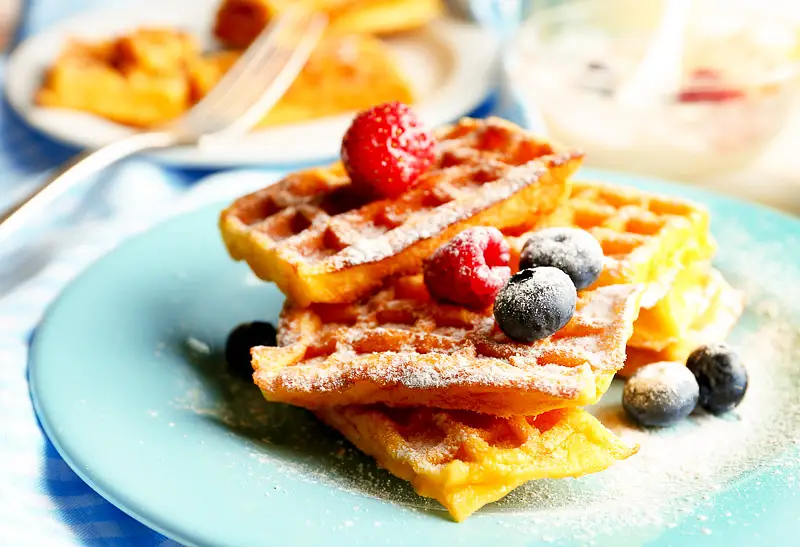
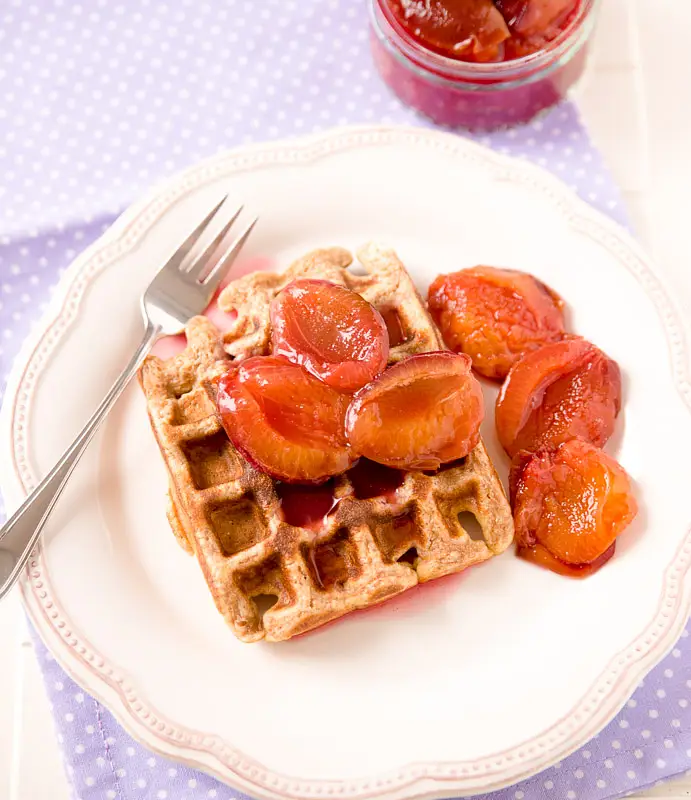
Wholegrain Waffles with Flaxseeds


A breakfast staple made with organic spelt flour, coconut oil and natural sweetener. Serve with maple syrup on the side and fresh berries or bananas or organic yoghurt. Another option is to soften some apple slices in a little bit of water, vanilla and dash of maple syrup until the liquid reduces and the apples are soft. Sprinkle liberally with cinnamon – reminiscent of apple pie!
Fluffy Bran Pancakes or Waffle Mix

Fluffy bran pancake and waffle mix combines whole wheat, millet, and rice flours with bran for a high-fiber, make-ahead batter base. Whisk in eggs, milk, and honey for breakfast in minutes.

Wheat Free Healthy Pancakes
Gluten-free pancakes blend millet flour and rice flour with applesauce and apple juice concentrate for sweetness. No oil, no dairy, no refined sugar, ready in under 30 minutes.

Favourite Multigrain Bread
Favourite multigrain bread baked in the bread machine with eight grains and seeds: whole wheat, triticale, soy, oats, bran, cracked wheat, millet, and flax. Molasses-sweetened, hearty, and entirely hands-off.

Easy Whole Wheat Millet Bread
Bread machine whole wheat millet bread blends whole wheat, bread flour and millet flour with toasted bran and molasses. Hearty, high-fiber and hands-off. Press start and walk away.

Creamy Golden Protein Cereal
A warm, porridge-style breakfast cereal made from amaranth flour, millet flour, cornstarch, and tahini. Naturally vegan, gluten-friendly, and high in plant protein.
Millet Muffins
These gluten-free millet muffins are moist and delicious. They are perfect for a grab-go breakfast or a nutritious snack.

Whole Millet Crackers
Whole millet crackers made with millet flour, whole wheat flour, whole millet seeds, honey and oil. Crisp, gluten-light wholegrain crackers with a nutty crunch.

Millet Molasses Cookies
Wholesome millet molasses cookies made with barley flour, oats and no eggs. Chewy, earthy and lightly sweet, these wheat-free cookies bake in just 10 minutes.
Squash Amaranth Patties
Crispy pan-fried patties made with amaranth and millet flour, grated zucchini, red bell pepper, and a touch of chili powder. A gluten-free, grain-based side dish with satisfying crunch in every bite.

Funkaso: Millet Pancakes
Crispy millet flour pancakes with a slightly nutty flavor, cooked on a griddle until golden and served with honey, chutney, or alongside African stews.
Millet, Soy, & Yogurt Bread
I was surprised by how it turned out. It was quite soft and not as dense as I thought, and it tasted delicious. I will be making this gluten-free bread often.