What Is Kasha and How Can I Use It?
Here's everything worth knowing about kasha and how to pick it, what it is, how to store it, and what to use instead, plus 13 recipes to cook tonight.
Key Points
- Kasha is toasted buckwheat groats: nutty, earthy, naturally gluten-free, and not actually wheat.
- Coat raw groats in beaten egg and toast dry before cooking to keep grains separate.
- Use a 2-to-1 ratio of boiling liquid to groats; simmer 10 to 12 minutes.
- Pair with caramelized onions and mushrooms; classic dish is kasha varnishkes.
- Store airtight and cool; the toasted oils eventually go rancid, so buy fresh.
What is kasha?
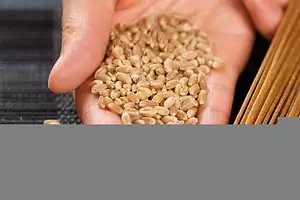
Kasha is toasted buckwheat groats, the hulled seeds of the buckwheat plant roasted until they turn reddish-brown and nutty. The toasting is the whole point: plain raw groats are pale, grassy and far blander.
Despite the name, buckwheat is not wheat at all. It is the seed of a flowering plant related to rhubarb, which makes kasha naturally gluten-free and a staple of Eastern European and Jewish kitchens.
Cooked, it has an earthy, almost mushroom-like flavor and a soft, fluffy texture that holds its shape better than rice.
How to Cook Kasha
The classic technique is the egg coating. Beat one raw egg into a cup of dry groats, then stir them in a hot dry pan until the egg dries and each grain separates.
This step keeps the kasha fluffy instead of mushy, and it is the single trick most worth learning.
Then add liquid. The ratio is 2 cups of boiling water or broth to 1 cup of groats. Cover, drop the heat low, and simmer 10 to 12 minutes until the liquid is absorbed and the grains are tender.
The flagship dish is Kasha Varnishkes, kasha tossed with bowtie pasta and a heap of fried onions. It also stuffs Piroshki and Kasha & Mushroom Knishes, and stands on its own in Kasha with Mushrooms.
Pairing and Common Mistakes
Kasha loves deep savory partners: caramelized onions, mushrooms, chicken or beef broth, and plenty of butter or schmaltz. Its earthiness can take a lot of richness without getting lost.
The most common mistake is skipping the egg or the toast and ending up with gluey porridge. The grains are starchy, and without that coating they clump the moment liquid hits them.
The second is overcooking. Buckwheat goes from fluffy to mushy fast, so check it at the ten-minute mark and pull it off the heat the instant the liquid is gone. Let it rest covered for five minutes before fluffing.
What to Use Instead
If you have raw buckwheat groats but no toasted kasha, just toast them yourself in a dry skillet over medium heat for a few minutes until fragrant. That is literally all kasha is.
For a different grain entirely, bulgur wheat is the closest match in texture and quick cooking, though it brings gluten and a milder taste. Brown rice or quinoa stand in for the heartiness in a pilaf or stuffing, but neither carries that buckwheat earthiness.
Buying and Storing Kasha
Boxed kasha comes in four grinds: whole, coarse, medium and fine. Whole and coarse stay separate and fluffy, the right pick for pilafs and side dishes. Fine granulation cooks down softer and suits porridge, knish fillings and kasha varnishkes.
Buy from a shop with decent turnover, since the toasted groats carry oil that eventually goes rancid.
Store it like any whole grain, in an airtight container somewhere cool and dark, where it keeps for several months. The freezer pushes that past a year.
If it smells sharp or like old paint, the oils have turned and it should go.
Quick facts
- In Chinese
- 卡莎
- British (UK) term
- Kasha
- en français
- Kasha
- en español
- kasha
Recipes using kasha
There are 13 recipes that contain this ingredient.

Piroshki


Piroshki: golden Russian stuffed buns of soft yeast dough wrapped around savory beef, mushroom, or buckwheat fillings, then baked or fried. The portable hand pie of Russian home cooking.

Leek & Kasha Pie

Vegan leek and kasha pie: Eastern European-inspired casserole with toasted buckwheat groats, sauteed leeks, and a tofu-bechamel topping crisped under bread crumbs.

Kasha Stuffed Tomatoes
Kasha stuffed tomatoes filled with toasted buckwheat groats, mushrooms, celery, pine nuts, and fresh herbs. A hearty Eastern European-inspired vegetarian side, perfect for late summer harvest meals.

Peanut Buttered Grain
Peanut buttered grain skillet with kasha or brown rice, sauteed onions, soy sauce, and peanut butter blended into a savory, nutty side dish.
Kasha Soup
Vegetarian kasha soup with kombu broth, miso, sauerkraut, lima beans, mushrooms, cabbage, and potatoes. A hearty, umami-rich bowl ready in 30 minutes.
Kash Varnishkes
Kasha varnishkes is the classic Jewish comfort dish: toasted buckwheat groats coated with egg, simmered with caramelized onions and porcini mushrooms, then tossed with bowtie pasta.

Polygrain Pilaf
Polygrain pilaf with brown rice, kasha, millet, and arame seaweed baked in vegetable stock. Topped with steamed carrots, peas, and daikon for a hearty vegan grain bowl.

Kasha
Kasha with sauteed onions, carrots, celery, and garlic, seasoned with soy sauce and tahini for a nutty, savory vegetarian main dish. Hearty buckwheat groats in 30 minutes.
Kashi Kugel
Kasha kugel: baked Jewish casserole of toasted buckwheat groats with apples, cottage cheese, yogurt, honey, and cinnamon. Healthier whole-grain take on the classic sweet kugel.
Kasha Rustica
Kasha Rustica with toasted buckwheat groats, bow-tie pasta, sauteed onions, and browned mushrooms in vegetable stock. A hearty vegetarian take on classic kasha varnishkes.

Kasha & Mushroom Knishes
Jewish-style kasha and mushroom knishes: flaky puff pastry pouches stuffed with toasted buckwheat groats, caramelized onions, and mushrooms. Poppy seed-topped and bite-sized for parties.
Kasha with Mushrooms
Kasha with porcini and white mushrooms, sauteed vegetables, and a finish of soy sauce baked in a casserole. Nutty buckwheat groats with deep, earthy mushroom flavor.

Braised Buckwheat Kernels
Braised Buckwheat Kernels Popular in Russia where it's called Kasha, this hearty style side dish is prefect for a hurry-up meal.