What Is Curd cheese and How Can I Use It?
If curd cheese has turned up in a recipe or caught your eye at the store, here's what you need to use it with confidence and how to choose it, cook it, store it, what to substitute, and 16 recipes to try it in.
Key Points
- Fresh, mild, drained curd cheese; known as farmer's cheese, quark, twaróg, or tvorog
- The classic filling for cheesecake, pierogi, and blintzes; smoother and drier than cottage cheese
- Drain a watery batch in cheesecloth, or a cheesecake bakes soggy and fillings run
- Not the Indian "curd" (dahi), which is set yogurt, not this drained cheese
- Highly perishable: refrigerate and use within about a week; freezing makes it grainier
What is curd cheese?
Curd cheese is a fresh, soft, unaged cheese made by curdling milk and draining off most of the whey. What is left is a mild, slightly tangy mass with a spreadable to crumbly texture.
It goes by many names depending on where you are. North Americans know it as farmer's cheese and Germans as quark, while across Poland and Eastern Europe it is twaróg or tvorog.
It is unripened and barely salted, so the flavor is clean and milky with a gentle lactic tang, nothing like an aged cheese. The texture ranges from smooth and pourable to dry and pressable, depending on how hard it is drained.
Think of it as the European cousin of cottage cheese, but smoother and less watery. That is exactly why it carries fillings and batters so well.
How to Use Curd Cheese
Curd cheese is the backbone of Central and Eastern European baking. Its smooth body and mild tang make it the classic filling for cheesecakes, pierogi, blintzes, and sweet tarts, where a wetter cheese would weep and a sharper one would clash.
Polish Cheesecake and Honey & Lemon Cheesecake both build their custardy bodies on it, beating it with eggs and sugar into a dense, tender bake that sets firmer and tangier than a cream-cheese cheesecake. Angelica Tartlets fold it into a delicate sweet filling.
On the savory side it works as a dip base. Seaman's Dip and Herbolace Pie use its mild creaminess as a backdrop that you can season with herbs or fish without it taking over.
You can eat it plain too, stirred with a little sugar and fruit for breakfast, or salted with chives on bread.
Heat it gently. High heat makes fresh curd cheese grainy and weepy.
Pairing and Common Mistakes
Curd cheese is a quiet, milky canvas. On the sweet side it loves vanilla, lemon zest, and honey; on the savory side it takes happily to chopped dill or smoked fish. Its tang cuts richness, which is why it balances buttery pastry so well.
The biggest mistake is using a watery cheese where the recipe wants a dry one. A wet, undrained curd cheese turns a cheesecake soggy and a pierogi filling runny. If yours is loose, drain it in cheesecloth for an hour or two before using.
The other pitfall is confusing it with the Indian "curd" called for in many South Asian recipes. There, curd means dahi, a set yogurt, not this drained cheese. Swapping one for the other changes the dish entirely.
Do not boil it. And do not expect dry, pressed curd cheese to go smooth on its own: push it through a sieve or blitz it first so the filling is lump-free.
Substitutes
The closest swaps are quark and farmer's cheese, with well-drained ricotta close behind, since all of them are fresh and barely salted. Ricotta is a touch grainier and sweeter, so drain it and add a squeeze of lemon to mimic the tang.
Cottage cheese works if you drain it well and blend it smooth. On its own it is too wet and lumpy, but pulsed in a food processor it comes close, and whole-milk versions match the richness best.
For a richer result, cream cheese can stand in, though it is denser and far less tangy. Cut it with a little plain yogurt or sour cream to loosen the texture and bring back some acidity.
Buying and Storage
Look for curd cheese in tubs near the cottage cheese and cream cheese, or at European and Polish delis where it is often sold loose and labeled twaróg or quark.
Choose the fat level the recipe wants. Drier, lower-fat curd presses firmer for fillings, while full-fat is creamier for spreads and cheesecake.
It is highly perishable. Keep it refrigerated at all times and use it within about a week of opening, or by the date on the tub. Fresh curd cheese smells clean and milky; a sour or yeasty smell means it has turned, so throw it out.
A little liquid pooling on top is normal whey separation, not spoilage. Pour it off or stir it back in depending on how dry you need the cheese.
You can freeze curd cheese for a few months, but it gets crumblier and grainier on thawing. Save thawed cheese for cooked dishes like cheesecake and pierogi rather than eating it raw.
Quick facts
- In Chinese
- 豆腐奶酪
- British (UK) term
- Curd cheese
- en français
- fromage blanc
- en español
- requesón
Recipes using curd cheese
There are 16 recipes that contain this ingredient.
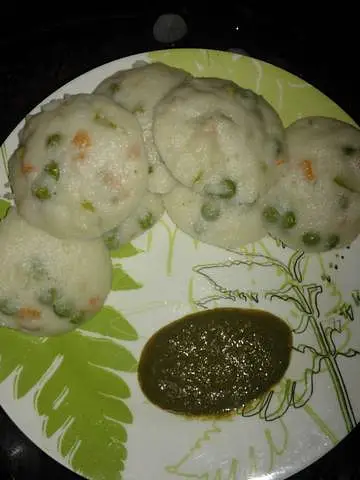
Stuffed Rava/Sooji idli


Here's a delicious, quite filling idli recipe that can be enjoyed as a snack or the main dish. Learn how to make stuffed idli. So here's a colourful idli recipe that's packed with the goodness of vegetables.

Spicy, Tasty Chicken Tandoori

Chicken tandoori is basically a snack which can be eaten in the evening or at night. Chicken marinated in tandoori masala, grilled in the oven is a super tasty, mouthwatering dish. Try it now.
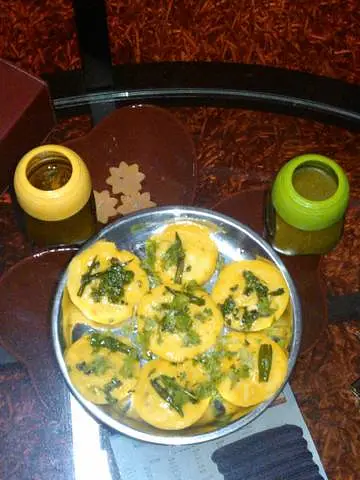
Instant Idli Dhokla
Here's a delicious, tempting dhokla recipe that can be made within no time and served to your guests. Learn how to make instant dhokla.
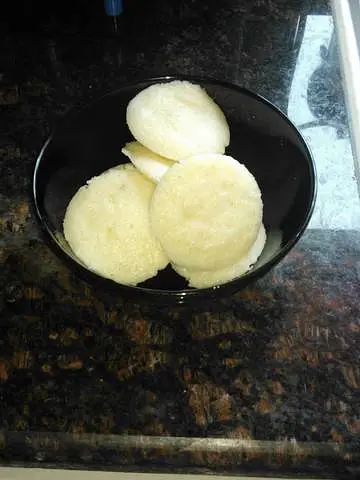
Plain sooji idli/rava idli/semolina idli
Sooji idli, a quick and simple tea-time snack that is low in fat, this is a perfect option for health conscious people. I’ve used low-fat curds to impart a nice taste and to make the idlis soft. For a wholesome evening snack of just 150 calories, serve three idlis with green chutney, page. . . . Make sure that you make the idlis as soon as you have added the fruit salt to the batter to ensure a fluffy product.
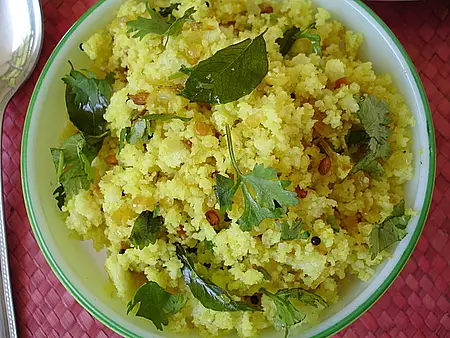
Upma (North Indian Style)
Yummy rawa upma is a delectable upma recipe with rawa or semolina as ingredient. The rawa or sooji are roasted and cooked with onion,tomatoes, mustard seeds, curry leaves, lime juice,curd,peanuts and chopped coriander leaves. An excellent breakfast item, yummy rawa upma upma is easy and delicious.

Seaman's Dip
Chunky salmon and avocado dip with fresh lime, tomatoes, curd cheese, and Greek yogurt. No cooking required, just 10 minutes of prep for a crowd-pleasing appetizer.
Tangy Salmon Mousse
Light salmon mousse made with canned and smoked salmon, Greek yogurt, ginger, and whipped egg whites, served with a grapefruit-walnut oil salad. An elegant British-style starter.
Salmon & Basil Ravioli
Salmon and basil ravioli: homemade basil-flecked pasta dough filled with canned salmon and curd cheese, poached in fish stock and served with a fresh tomato-pesto sauce.

Golden Cake
Golden Cake, a delicate European cheesecake with a buttery almond pastry base and an airy curd cheese, lemon and cream filling, served with fresh strawberry or raspberry puree. Old-world elegance on a plate.
Herbolace Pie
Herbolace pie: a medieval English double-crust cheese pie filled with curd, cottage cheese, cheddar, fresh mint, parsley, chives, and whole eggs tucked into the filling. A vegetarian classic.
Honey & Lemon Cheesecake
British-style honey lemon cheesecake with curd cheese, sultanas, and a lattice pastry top baked in a shortcrust flan case. A light, European cheesecake with no refined sugar.
Creamy Salmon Soup
Silky pureed salmon soup made in the microwave with white wine, curd cheese, and Greek yogurt. Uses canned salmon for a quick, protein-rich bowl ready in under 45 minutes.
Angelica Tartlets
These tarts are irresistible when made with home-candied angelica, as dull as ditchwater when store-bought is used.
Clafoutis (Cherry Flan with Ice-Cream & Praline)
Cherry clafoutis with homemade cherry ice cream and almond praline. A three-component Swiss-French dessert with kirsch-spiked custard flan, fresh cherry fruit, and caramelized crunch.

Pressure Cooker Rogan Josh with Coconut & Almonds
Pressure cooker rogan josh simmers tender mutton in a rich, nutty gravy of freshly roasted and ground coconut, almonds, and whole spices, with yogurt stirred in gradually. An aromatic Indian curry made fast in the pressure cooker.

Polish Cheesecake
Polish cheesecake (sernik) made with drained cottage or farmer's cheese, eggs, and a cinnamon-sugar crumb topping over shortbread crust. Old-world dessert that's lighter than New York-style.