What Are Oregano sprigs and How Can I Use Them?
Oregano sprigs is easier to cook with than it looks. Here's how to choose, use, and store them, what to substitute, and 11 recipes to get you started.
Key Points
- Oregano sprigs are fresh oregano on the stem: milder, grassier, and brighter than dried.
- Strip the leaves off the stem, discarding the woody lower stalks.
- Add it near the end of cooking, and use roughly one third the amount of dried.
- For oregano's flavor and varieties, defer to oregano.
What are oregano sprigs?
Oregano sprigs are simply fresh oregano sold on the stem, with the small leaves still attached to thin branching stalks. It is the same herb as the dried oregano in your spice rack, but fresher and a good deal more peppery and bright.
Fresh oregano tastes milder and more grassy than dried, which is concentrated and almost medicinal. So a sprig of fresh is not a one-for-one swap for a spoon of dried; the dried is far stronger by volume.
For oregano's flavor and varieties, see oregano. This page is about handling the fresh sprigs.
Working With Fresh Sprigs
Strip the leaves off the stem before using them. Hold the top of a sprig and run your fingers down the stalk against the grain, and the leaves come away in a quick pull.
The thin upper stems are tender enough to chop. The woody lower ones are best discarded.
Add fresh oregano toward the end of cooking. Its volatile oils fade with long heat, so a sprig tossed into a sauce at the start gives less than leaves stirred in near the finish.
You can also drop a whole sprig into a braise to infuse, then fish it out before serving.
It works best on tomatoes, lamb, and eggs, as in Lamb Pasta and Artichoke Eggs Benedict, where it lands as a fresh, peppery note rather than the dusty hum of dried.
Substitutes
Dried oregano is the obvious stand-in, but use only about one third as much, since drying concentrates the flavor. One tablespoon of fresh leaves is roughly one teaspoon dried.
Fresh marjoram is the closest fresh swap, sweeter and gentler, so add a touch more. In a pinch fresh thyme covers the savory, woodsy role, though it pushes the dish in a different direction.
Buying & Storage
Choose sprigs with perky green leaves and no black or slimy spots. A fresh bunch smells sharply of oregano when you brush it.
Wrap the sprigs in a barely damp paper towel, slip them into a bag, and keep them in the fridge, where they hold for about a week. Fresh oregano also dries beautifully: hang the sprigs in a dry spot and strip the leaves once brittle.
See oregano for more on storage.
Quick facts
- In Chinese
- 牛至小枝
- British (UK) term
- Oregano sprigs
- en français
- brins d'origan
- en español
- ramitas de orégano
Recipes using oregano sprigs
There are 11 recipes that contain this ingredient.

Sun Dried Tomato & Herb Cheese Strudels


Savoury two-cheese and sun-dried tomatoes, herbed and stuffed inside crispy phyllo pastry.
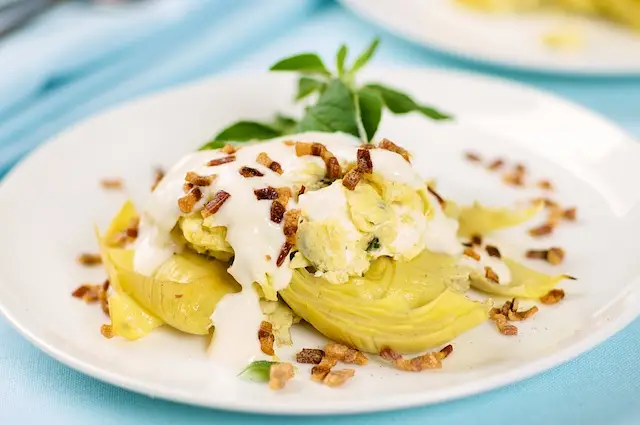
Artichoke Eggs Benedict

This much quicker and easier to prepare version of the classic Eggs Benedict. Reduced fat but equally as decadent as the original. This is a variation of a vegetarian version of the same recipe, see links below.
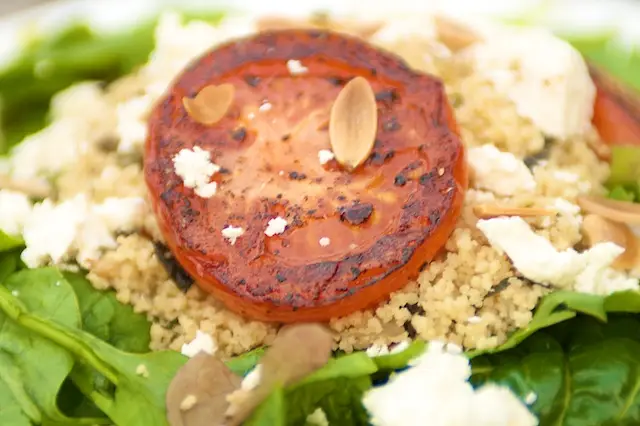
Fried Tomatoes with Mint Couscous
A lively fresh appetizer perfect for the summer. Mint and oregano brightness the couscous toped with fried tomatoes, almonds and a bit of salty feta.

Lamb Pasta
Oven-braised lamb stew with flageolet beans, elbow macaroni, fresh oregano, and Roma tomatoes. Browned lamb simmers in stock for 1 1/2 hours, then the pasta cooks right in the pot.
Herbed Roast Leg of Lamb
Roasted leg of lamb on a bed of tomatoes, mushrooms, peppers, onions, garlic, and fresh rosemary, oregano, and thyme. Holiday-worthy roast with baby vegetables.

Late Summer Tomato Soup with Shell Beans, Squid Rings & Parsley
Late summer tomato soup with shell beans, seared squid rings, and garlic-rubbed toast. A rustic Italian-leaning one-bowl meal that celebrates peak-season tomatoes and fresh beans.

Vegetable Soup (Vegan)
Garden-fresh vegetable soup with Roma tomatoes, new potatoes, corn cut from the cob, and a bouquet garni of oregano, parsley, and lemon zest. Ready in 30 minutes.
Chicken with Mild Red Chili Sauce
Grilled chicken breasts marinated overnight in lemon juice, white wine, mild chili powder, nine cloves of garlic, shallots, honey, soy, and oregano. Big flavor, mild heat.

Vegetarian Artichoke Eggs Benedict
Found this recipe in one of my favorite magazines, Eating Well. Loved it so much that I've tweaked it a bit to make it more vegetarian.

Mole Coloradito Oaxaqueno
Authentic Oaxacan mole coloradito with toasted ancho and guajillo chilies, Mexican chocolate, fried plantain, almonds, and sesame seeds. A rich, layered sauce for chicken.