What Is Lemon thyme and How Can I Use It?
If lemon thyme has turned up in a recipe or caught your eye at the store, here's what you need to use it with confidence and how to choose it, cook it, store it, what to substitute, and 10 recipes to try it in.
Key Points
- Lemon thyme blends earthy thyme with a real lemon scent from natural leaf oils.
- A favorite for fish and chicken, where plain thyme can feel heavy.
- Add a final pinch late, since the lemon oils are more volatile than the thyme.
- For general thyme handling, defer to thyme.
What is lemon thyme?
Lemon thyme is a thyme variety that carries a genuine lemon scent alongside the usual earthy, woody thyme flavor. The citrus comes from natural oils in the leaf, not from anything added, so it tastes like thyme and lemon at once rather than one flavor pretending to be the other.
That double note makes it a favorite for fish and chicken, where regular thyme can feel a little heavy and a hit of lemon would help. It works anywhere you want thyme plus a clean citrus lift without reaching for a lemon.
For general thyme handling, see thyme. This page is about the lemon difference.
Cooking With Lemon Thyme
Lemon thyme suits lighter proteins best. It is the backbone of Lemon Thyme Chicken and a natural for pan-fried trout, as in Karen's Fried Rainbow Trout, where the citrus echoes the squeeze of lemon you would add anyway.
The flavor is sturdier than soft herbs, so it holds up to roasting and baking. It even crosses into sweets and baked goods, as in the Amazing Ricotta Cheese-Lemon Thyme Tart and Lemon Thyme Cookies.
Strip the tiny leaves off the woody stem before chopping, the same as regular thyme. The lemon oils are more volatile than the thyme, so add a final pinch near the end of cooking if you want the citrus to read clearly.
Substitutes
Regular thyme plus a strip of lemon zest is the closest swap: use the thyme one for one and add zest to match the citrus. Lemon thyme and plain thyme are interchangeable by volume, so you do not need to adjust quantities.
If you have neither, a mix of regular thyme and a little fresh lemon balm or oregano can approximate the herb-and-citrus profile, though it will not be exact.
Buying & Storage
Fresh lemon thyme looks like ordinary thyme, small leaves on thin woody stems, so rely on smell: a crushed sprig should be clearly lemony. Pick firm sprigs with no yellowing.
Store sprigs wrapped in a slightly damp paper towel in the fridge, where they keep for one to two weeks. Lemon thyme also dries well, though drying mutes the lemon more than the thyme. See thyme for the full storage detail.
Quick facts
- In Chinese
- 柠檬百里香
- British (UK) term
- Lemon thyme
- en français
- thym citron
- en español
- tomillo limón
Recipes using lemon thyme
There are 10 recipes that contain this ingredient.

Lemon Thyme Chicken


If you're in a hurry, try this dish that is sure to keep you intrigued by it's tantalizing aroma!
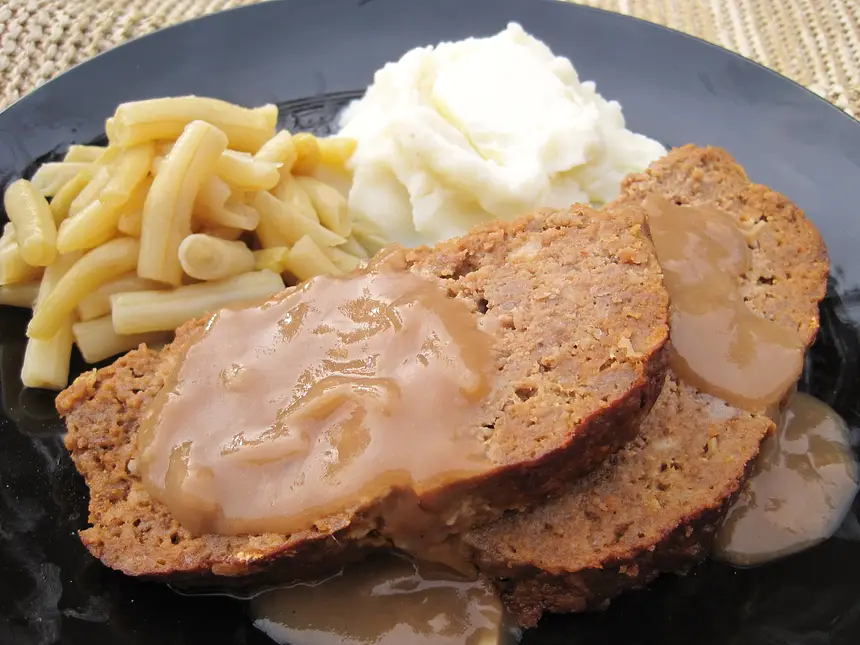
Karen's Meatloaf
I use crushed Ritz crackers instead of bread crumbs and add 2/3 cup of shredded sharp Cheddar. A simple gravy to go along with the meatloaf can also be made using another packet of soup mix, 2 Tbs. flour and 2 cups of cold water. Simmer until thickened.
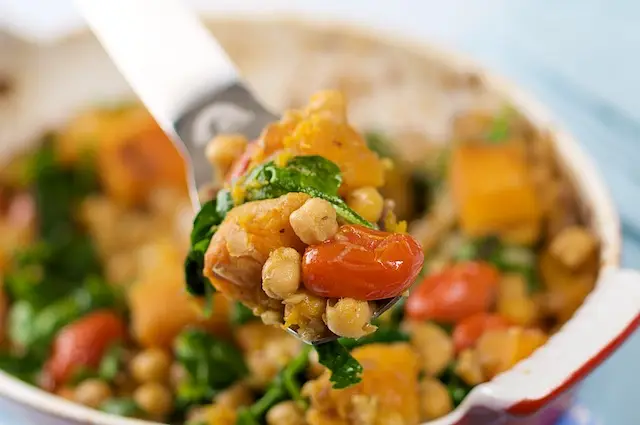
Chickpea & Butternut Squash Casserole
A tasty, filling and nutritious dish. It was easy to make, both the flavor and the texture were great. We had it with a few slices of homemade whole wheat bread, delicious!

Omelet, Mom's Favorite
Single-serving omelet with sauteed scallions, lemon thyme, and melted cheese. A simple, herb-scented breakfast that cooks in about 10 minutes.
Lemon Thyme Cookies
Lemon thyme butter cookies with a tender, crumbly texture from cream of tartar and dried lemon thyme folded into the dough. Chill overnight and bake into fragrant, herby rounds.

Amazing Ricotta Cheese-Lemon Thyme Tart
Having a few guests over for dinner? Serve these delicious tart that will have people sending compliments to the chef!
Salmon Loaf with Horseradish Sauce
Salmon loaf bound with nutty bulgur and loaded with vegetables, baked into a tender ring and topped with a tangy sour cream horseradish sauce. A wholesome, fiber-rich twist on the classic salmon loaf.

Orzo Pasta Salad
Mediterranean orzo pasta salad with sun-dried tomatoes, Greek olives, artichoke hearts, roasted red pepper, and a balsamic-lemon dressing. Add shrimp for a satisfying main course.

Fadge (Potato Bread)
Irish fadge is a traditional potato bread made from mashed potatoes, egg, butter, and herbs, then fried in bacon fat until golden and crusty on both sides. Simple, hearty, and satisfying.

Karen's Fried Rainbow Trout
Fried rainbow trout with a seasoned cornmeal-flour crust, flavored with lemon thyme, paprika, and garlic. Double-dredged and chilled for an extra crispy coating.