What Is Pork stew meat and How Can I Use It?
Here's everything worth knowing about pork stew meat and how to pick it, what it is, how to store it, and what to use instead, plus 9 recipes to cook tonight.
Key Points
- Bite-size cubes of pork, almost always from the marbled, collagen-rich shoulder.
- Built for slow, wet cooking; the connective tissue melts into tender meat.
- Brown the cubes hard first, then simmer low for one and a half to two and a half hours.
- Do not crowd the pan or pull it early; both leave you with gray, chewy meat.
- Swap cubed pork shoulder, country-style ribs, or beef chuck; skip lean loin.
What is pork stew meat?
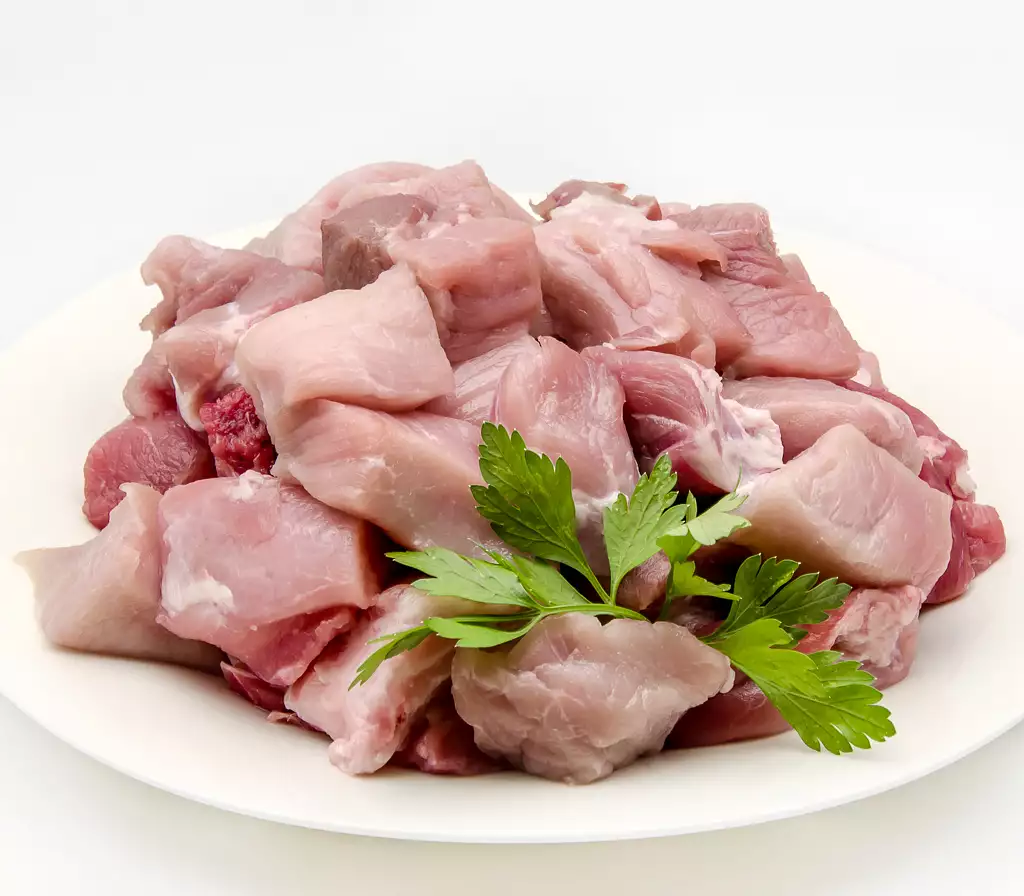
Pork stew meat is pork cut into bite-size cubes for slow, wet cooking. It is almost always trimmed from the shoulder, the hard-working front section of the pig, which is why it is shot through with fat and connective tissue.
Those threads of collagen are the point. Given time in liquid, they melt and turn the cubes meltingly tender.
Buying it pre-cubed saves you the knife work, though it can be a grab bag of pieces from different muscles. A consistent batch you cut yourself from a single shoulder roast browns and cooks more evenly.
This is not a cut to rush. Lean pork dries out when stewed, but stew meat is the opposite: it needs the long simmer to come good.
How to Use Pork Stew Meat
Two steps make or break a pork stew. First, brown the cubes hard in a hot pan before any liquid goes in, working in batches so they sear rather than steam. That deep crust is most of the flavor.
Then simmer low and slow, an hour and a half to two and a half hours, until a fork twists through a cube with no resistance.
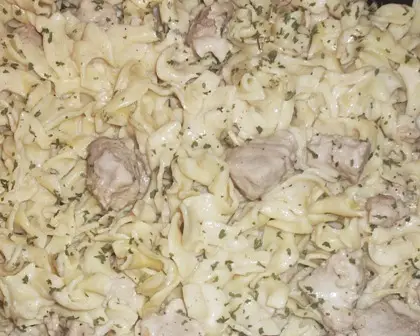
It is the backbone of stews, braises, and slow-cooker dinners. Favorite Pork Stroganoff simmers the cubes until tender, then finishes them in a sour-cream sauce, while Hungarian Pork & Roasted Vegetables leans on paprika and a long braise.
It earns its keep in bean-heavy classics too. Cassoulet folds pork into white beans and confit, and La Potee Auvergnate stews it with cabbage and root vegetables into a rustic one-pot meal.
Pairing and Common Mistakes
Pork takes happily to bold company. Paprika, caraway, mustard, smoked sausage, apple, beans, cabbage, and a splash of wine or cider all build the kind of deep, savory braise this cut was made for.
The most common mistake is skipping the sear or crowding the pan. Pile the cubes in wet and they steam, releasing water and going gray instead of brown, and you lose the fond that flavors the whole pot. Dry the meat, leave space, work in batches.
The second mistake is pulling it too soon. Stew meat passes through a tough, rubbery stage on its way to tender, and if you stop there it will be chewy. When it seems tough mid-cook, the answer is more time, not less.
Substitutes
The simplest swap is a whole pork shoulder you cube yourself, which is exactly what most stew meat is anyway, just fresher and more uniform. Country-style ribs, also from the shoulder end, can be boned and cubed for the same result.
Beef chuck, cut the same size, behaves almost identically in a braise, with the same collagen that rewards long cooking. Lamb shoulder works too where its flavor suits the dish.
Avoid lean cuts like loin or tenderloin here. Cubed and stewed, they turn dry and stringy instead of tender, because there is no fat or collagen to carry them through the long cook.
Buying and Storing Pork Stew Meat
Choose cubes with visible marbling and some fat, not lean, uniform pink chunks, which are likely from the loin and will dry out. Pieces around one to one and a half inches (3 to 4 cm) hold their shape through a long simmer without falling apart too early.
Raw stew meat keeps three to four days in the coldest part of the fridge. Cut surfaces spoil a little faster than a whole roast, so use it promptly or freeze it, well wrapped, for up to four months.
Cooked pork stew keeps three to four days refrigerated and is one of those dishes that genuinely tastes better the next day, once the flavors settle. It also freezes well for two to three months, so braising a double batch is rarely wasted effort.
Quick facts
- In Chinese
- 猪肉炖瘦肉
- British (UK) term
- Pork stew meat
- en français
- ragoût de viande de porc
- en español
- estofado de carne de cerdo
Recipes using pork stew meat
There are 9 recipes that contain this ingredient.

Cassoulet


Enjoy this delicious yet filling stew in a cold winter day with some crusty bread. It makes you warm and satisfies your taste buds.

Keftethes Apo Ton Pontos (Meat Patties From Ponti)
Keftethes from Pontos, Greek meat patties with veal, pork, fresh herbs, tomato, and vinegar. Shallow-fried until puffed and golden, served with fried potatoes.

Stir-Up-A-Stew
Stir up a storm of savory goodness with this delicious stew made with a variety of meats and spices.

La Potee Auvergnate
Potée Auvergnate is the rustic French farmhouse stew of cabbage, beans, potatoes, and three kinds of pork (bacon, sausage, smoked chops) slow-braised together in one pot. Hearty mountain cooking from central France.
Lentils with Chilies, Pork, & Fruit - Lentejas En Adobo
Lentejas en Adobo: Mexican lentils with pork, ancho chilies, sweet plantain, and pineapple. A traditional sweet-savory Oaxacan adobo stew with deep fruit and spice.
Forever City Chicken
City chicken made with cubed pork and beef, breaded with saltines and poultry seasoning, then braised in chicken broth. A Depression-era Midwestern classic with no actual chicken.

Hungarian Pork & Roasted Vegetables
Hungarian pork stew with paprika, caraway seeds, roasted vegetables, red peppers, and tomatoes braised until fork-tender. Serve over wide noodles or rice for a hearty dinner.