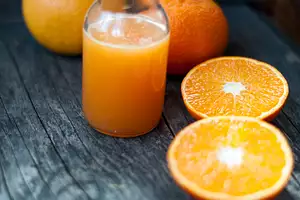
What Is Ginger juice and How Can I Use It?
Here's everything worth knowing about ginger juice and how to pick it, what it is, how to store it, and what to use instead, plus 18 recipes to cook tonight.
Key Points
- The liquid pressed from fresh ginger: full heat and aroma, none of the stringy fiber.
- Make it by grating ginger and squeezing the pulp; a thumb-sized piece gives about a tablespoon.
- Potent, so use roughly half the amount you would of grated ginger, then taste.
- A natural enzyme can curdle milk and stop gelatin setting; heat the juice first to tame it.
- Best squeezed fresh; refrigerate 2 to 3 days or freeze in cubes for months.
What is ginger juice?
Ginger juice is the liquid pressed from fresh ginger root, a clear-to-pale-gold extract that carries all the heat and bright, peppery aroma of the rhizome with none of its stringy fibers. It is ginger flavor you can pour.
Cooks use it where they want a clean hit of ginger that disperses evenly: marinades, dressings, drinks, and stir-fry sauces. Because there is no pulp, it blends smoothly and never leaves a fibrous bite in a delicate sauce or a cocktail.
It is potent. A little carries a lot of heat, so most recipes call for it by the teaspoon.
How to Make and Use Ginger Juice
Making it is quick. Grate a knob of peeled fresh ginger on a fine microplane, gather the pulp in your hand or a square of cheesecloth, and squeeze hard over a bowl. A thumb-sized piece yields roughly a tablespoon of juice; squeeze the spent pulp twice to get it all.
Stir it into marinades and dressings, where it spreads ginger flavor through the whole dish without grit. It sharpens the Soy Dressing on Smashed Radishes in Soy Dressing and the dressing for Asparagus Salad with Pickled Ginger.
In stir-fries and braises, add it toward the end so its fresh bite survives the heat, since long cooking dulls the brightness. It seasons the sauce in Pon Pon Chicken and the soy braise of Black Vinegar Pork.
It also belongs in drinks. A spoonful gives a Cranberry Cosmos a warm, spicy backbone, and it is the base of homemade ginger ale and ginger shots.
Pairing and Common Mistakes
Ginger juice plays well with soy, garlic, lime, honey, and sesame in savory cooking, and with apple and cranberry on the sweet and drinks side. Its clean heat is why it suits dressings and beverages where grated ginger would feel rough.
The most common mistake is overdoing it. The juice is more concentrated than the same weight of grated ginger because it is all flavor and no bulk, so start with about half what you would use grated, then taste.
The second mistake is making it too far ahead. Fresh ginger juice loses its bright top notes within a day or two and turns flatter and more bitter, so squeeze it close to when you cook.
A small thing worth knowing: fresh ginger juice contains an enzyme that can keep custards and gelatin from setting and can curdle warm milk. Heat the juice briefly first, or add it to dairy off the heat, if you run into that.
Substitutes
The honest stand-in is grated or finely minced fresh ginger. Use about twice the volume the recipe gives for juice, since the grated form is less concentrated, and accept some fiber unless you strain it.
Jarred ginger paste works in a pinch and saves grating, though it often carries acid or preservatives that mute the fresh snap. Use it roughly one-for-one with grated ginger.
Ground dried ginger is a last resort for flavor only; it tastes warmer and more muted, with none of the fresh zing. Use about ¼ teaspoon ground for each tablespoon of fresh juice, knowing it changes the character of the dish.
Buying and Storage
Ginger juice is rarely sold on its own, so the freshest option is to make it from a hand of ginger that feels firm and heavy with smooth, taut skin. Wrinkled or soft roots are old and yield less, weaker juice.
Once pressed, keep the juice in a small airtight jar in the fridge and use it within 2 to 3 days for the brightest flavor. It will separate and dull after that.
For longer storage, freeze it in an ice cube tray, then pop the cubes into a bag. They keep their punch for a few months and thaw fast for a stir-fry or a drink.
Whole fresh ginger, unpeeled, lasts a few weeks in the crisper if you want to press it as you go.
Quick facts
- In Chinese
- 姜汁
- British (UK) term
- Ginger juice
- en français
- jus de gingembre
- en español
- jugo de jengibre
Recipes using ginger juice
There are 18 recipes that contain this ingredient.
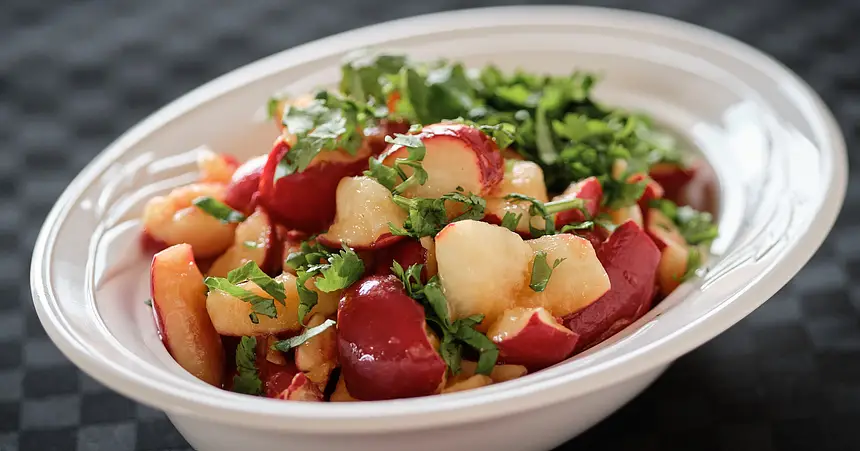
Smashed Radishes in Soy Dressing


Authentic Chinese side dish that combines the peppery flavor of radishes with a savory, slightly tangy with a hint of sweet soy dressing. The radishes are gleefully smashed allowing them to soak up the flavors of the dressing.
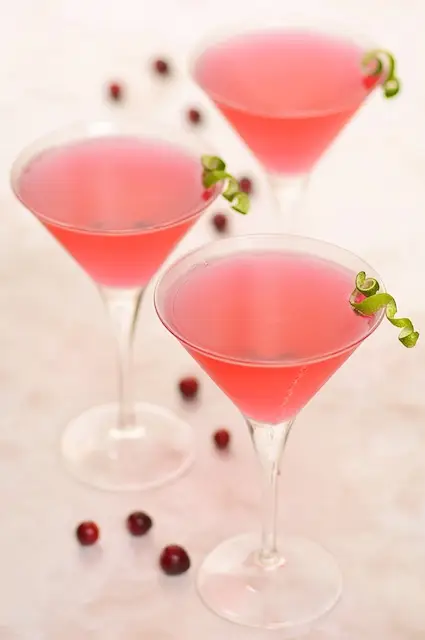
Cranberry Cosmos
A batch cranberry cosmopolitan you mix by the pitcher, vodka, cranberry, lime, and Cointreau with a fresh ginger kick. Shake to frosty, strain into a sugar-rimmed glass, and serve a crowd.
Arame-Stuffed Mushroom Caps
Sea vegetables ran be added to soups or salads, cooked alone or with other vegetables, and even brewed into teas. Their versatility in the kitchen is as wide as the ocean. When dried, the succulence and qualify of sea vegetables is not as apparent as when fresh, so it is important to choose a brand you can trust.
Oriental Treasure Soup

Oriental Treasure Soup is a DIY hot pot with homemade chicken broth flavored with soy sauce, sherry, and ginger, served with tofu, noodles, mushrooms, and fresh toppings guests choose themselves.
Lamb Steamed in Rice Powder
Lamb steamed in rice powder, a Sichuan-style fen zheng rou with toasted rice and star anise coating marinated lamb. Banana leaves line the bamboo steamer for aromatic, silky-tender meat.

Strawberry Ginger Soup
Refreshing chilled strawberry ginger soup with fresh berries and spicy warmth. Elegant cold fruit soup perfect for summer entertaining or light dessert.
Stuffed Bean Curd with Peas & Mushrooms
Chinese stuffed tofu pockets filled with seasoned ground pork, deep-fried until crusty, then simmered in chicken broth with dried mushrooms and fresh peas.
Stuffed Bean Curd with Peas
Deep-fried tofu stuffed with seasoned ground pork, then simmered in chicken broth with mushrooms and green peas. A classic Chinese clay pot dish with crispy, meaty filling.
Shark's Fin with Bamboo Fungus
An elaborate Chinese banquet dish: shark's fin stuffed in bamboo fungi with shrimp-coated crab claws, asparagus, bean sprouts, and crab roe sauce. A multi-component showpiece for special occasions.
China Moon Ten Spice Honey Dip
China Moon ten spice honey dip with soy sauce and pickled ginger juice. A sweet, savory, and warmly spiced Chinese dipping sauce ready in 5 minutes.
Asparagus Salad with Pickled Ginger
Chilled asparagus salad with pickled red ginger, sesame oil, and soy dressing. A crisp, refreshing Japanese-inspired side dish that takes just 20 minutes to prepare.

Golden Apricot Ginger Cake (Low Fat)
A golden and delicious cake that will have your family begging for a second slice!
Scallops & Pears with Fettucine in a Garlic Cream Sauce
Seared sea scallops and sliced pears over fettuccine in a garlic cream sauce with white wine, lemon verbena, and fresh ginger juice. An elegant, unexpected pairing.
Curried Chicken Spring Rolls
Crispy deep-fried spring rolls packed with curry-marinated ground chicken, cellophane noodles, napa cabbage, and fresh vegetables. Served with a fiery homemade chili-cilantro dipping sauce that brings serious heat.

Chinese Spicy Cold Noodles with Chicken
Cold chewy noodles with shredded chicken and silky egg strips in spicy Sichuan dressing. This make-ahead Chinese salad is perfect for hot summer nights, ready in an hour.
Black Vinegar Pork
A healthier take on a traditional Chinese recipe, with no MSG or food colouring, which are often added to commercially made versions.
Pon Pon Chicken
Pon pon chicken (bang bang chicken) shreds poached chicken over salted cucumber ribbons with a warm sesame-soy-ginger dressing. Classic Sichuan cold-plate appetizer or main.