What Are Chili pepper flakes and How Can I Use Them?
If chili pepper flakes have turned up in a recipe or caught your eye at the store, here's what you need to use them with confidence and how to choose them, cook them, store them, what to substitute, and 30 recipes to try them in.
Key Points
- Coarse crushed red chiles with seeds left in, giving both slow warmth and a sharper bite.
- A cayenne-based blend, roughly 15,000 to 30,000 Scoville, milder-feeling thanks to the loose grind.
- Bloom them in warm oil or butter for full flavor; sprinkle raw for a sharp finish.
- Cayenne swaps in at about half the volume; gochugaru is the call for Korean dishes.
- Ground flakes fade within months, so buy small and store sealed away from the stove.
What are chili pepper flakes?
Chili pepper flakes, also called crushed red pepper, are dried red chiles broken into coarse bits with the seeds left in. That mix of skin and seed is why they look uneven in the jar.
It also explains the two-part heat: a slow warmth from the flesh and a sharper hit from the seeds.
Most supermarket flakes are a blend, often built around cayenne and similar dried reds, landing somewhere around 15,000 to 30,000 Scoville. Hot, but the loose grind spreads that heat out so it feels gentler than the number suggests.
This is the shaker on the pizzeria table and the easiest way to add background heat to almost anything savory.
How to Use Chili Flakes
The single best trick is to bloom them in fat. Warm a spoonful in olive oil or butter over low heat for a minute and the heat and color seep into the oil, turning flat flakes into something fragrant and rounded.
That is the move behind a good aglio e olio or a chili oil drizzle. Sprinkled on at the end instead, they stay sharp and raw, which is what you want shaking them over a finished pizza or bowl of soup.
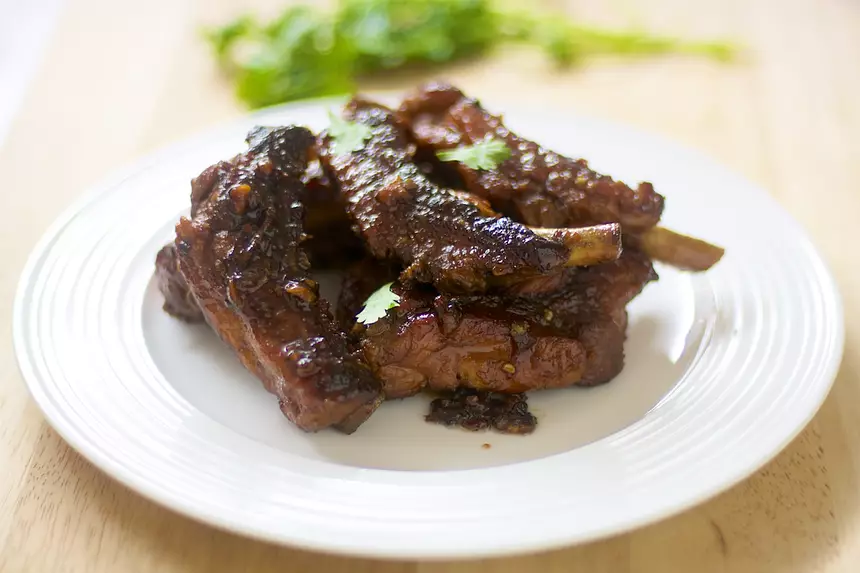
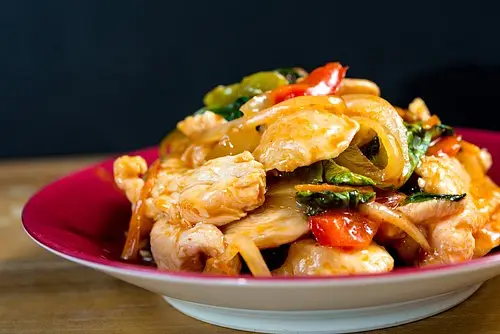
They carry long-cooked and bold dishes well. Sichuan Sticky Ribs lean on them for steady background heat, and a Thai Tamarind Chicken Stir Fry uses a pinch to lift the sauce.
A note on Korean recipes: dishes like Easy Kimchi and Bibimbap traditionally call for gochugaru, a softer, fruitier Korean flake. Ordinary crushed red pepper is hotter and rougher, so start with about half the amount and add more to taste.
Pairing and Common Mistakes
Chili flakes belong to the whole Italian pantry: garlic, olive oil, tomatoes, cured pork, anchovy, lemon, and hard cheese. They cross over to the Asian side just as easily with soy, sesame, and ginger.
The most common mistake is adding them raw at the end when a dish needed them bloomed. Without time in heat or fat, the flavor stays one-dimensional and a little dusty.
The other is treating old flakes as if they were fresh. They fade fast, so what worked from a new jar may do nothing from a tired one.
Substitutes
For straight heat, cayenne pepper is the closest pantry swap, but it is a fine powder with no texture and roughly twice the punch by volume. Use about half as much cayenne as flakes, then adjust.
A pinch of any ground dried chile or a few dashes of hot sauce will also cover heat in a cooked dish.
For the fruitier, milder profile of Korean cooking, gochugaru is the right call rather than crushed red pepper. In a real pinch, finely chop a dried red chile and you have rough flakes of your own.
Buying and Storage
Buy flakes in small jars unless you cook with them constantly. Like all ground spices they lose punch over time, fading noticeably after about six months even sealed.
Store them in an airtight container in a cool, dark cupboard, away from the heat and steam of the stove, which dulls them faster than anything.
Two quick freshness checks. The flakes should still smell distinctly of chile when you open the jar, and a pinch on the tongue should bite back. If they smell like nothing and taste flat, they are spent and will not season a dish properly.
Quick facts
- In Chinese
- 辣椒片
- British (UK) term
- Chili pepper flakes
- en français
- flocons de piment
- en español
- hojuelas de pimiento chile
Recipes using chili pepper flakes
There are 30 recipes that contain this ingredient.
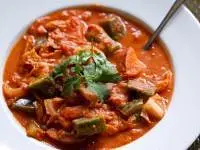
Ghana Ground Nut Stew


Aqua Aerobic friend, Lorelyn, shared this fabulous recipe with me. You will love it, too!!
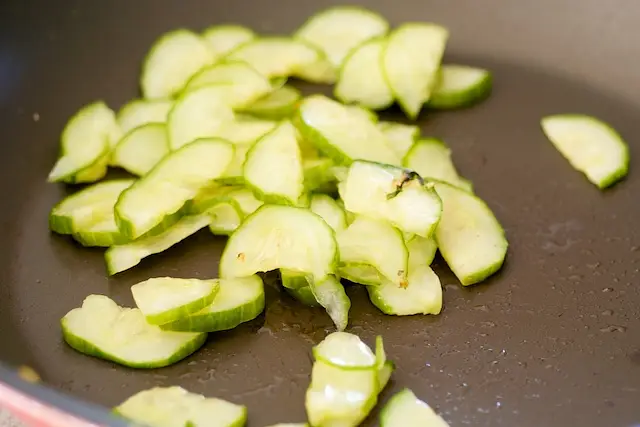
Korean Seasoned Vegetables & Noodles with Spicy Sauce
A classic Korean dish, seasoned vegetables are served with Korean noodles and spicy sauce along with a small bowl of miso soup and kimchee.
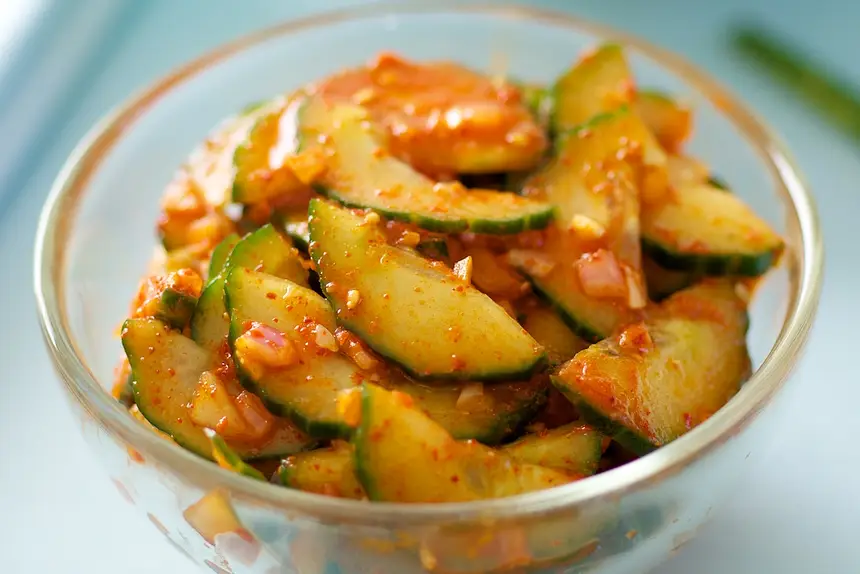
Spicy, Sweet & Sour Cucumber Salad
Spicy sweet and sour cucumber salad: crisp cucumber tossed in a tangy, sweet, and chili-spiked dressing. A quick, refreshing side that gets even better after a chill in the fridge.
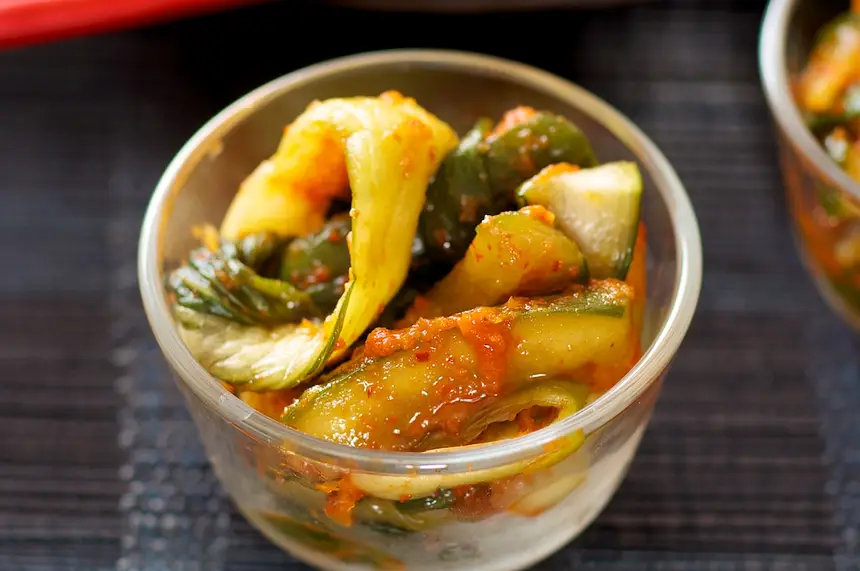
Easy Korean Cucumber & Bok Choy Kimchi
There are so many kinds of kimchi. Cucumber and bok choy together make a delicious and crunchy kimchi that goes well with any Korean dishes.
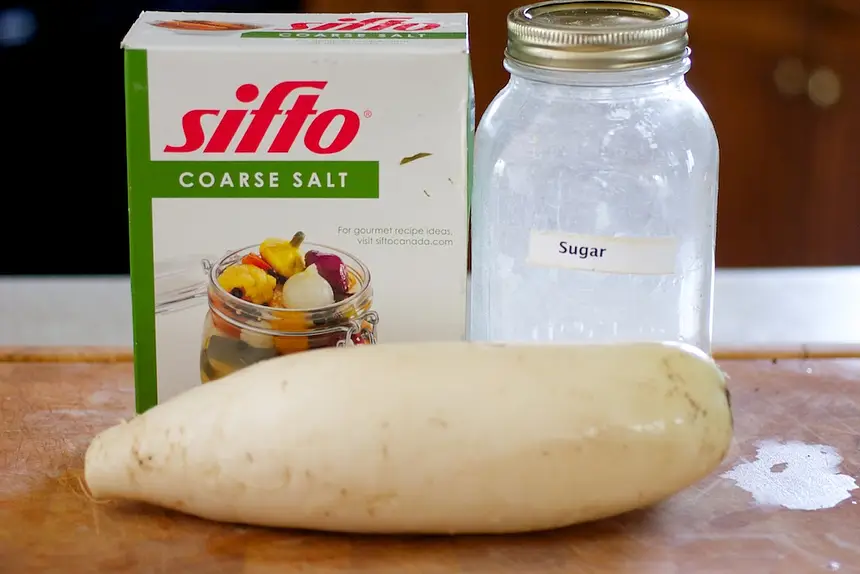
Korean Daikon Kimchi
Make this classic and delicious Korean kimchi with daikon. It's crunchy, a bit spicy and packed with ginger, garlic and all these yummy Asian flavors.
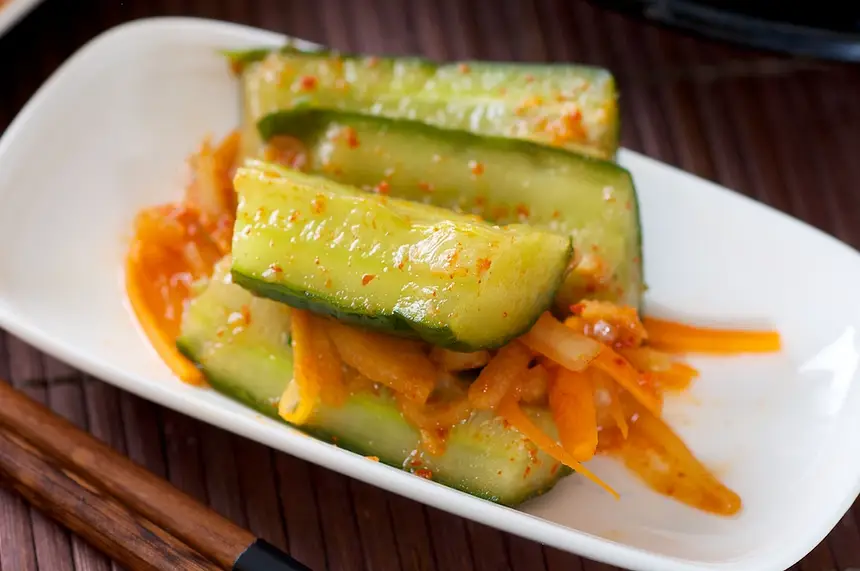
Korean Cucumber Kimchi
Cucumber kimchi is refreshingly delicious, and it's so easy to make at home. Follow this simple recipe to make your own cucumber kimchi that goes well with all the Korean dishes.
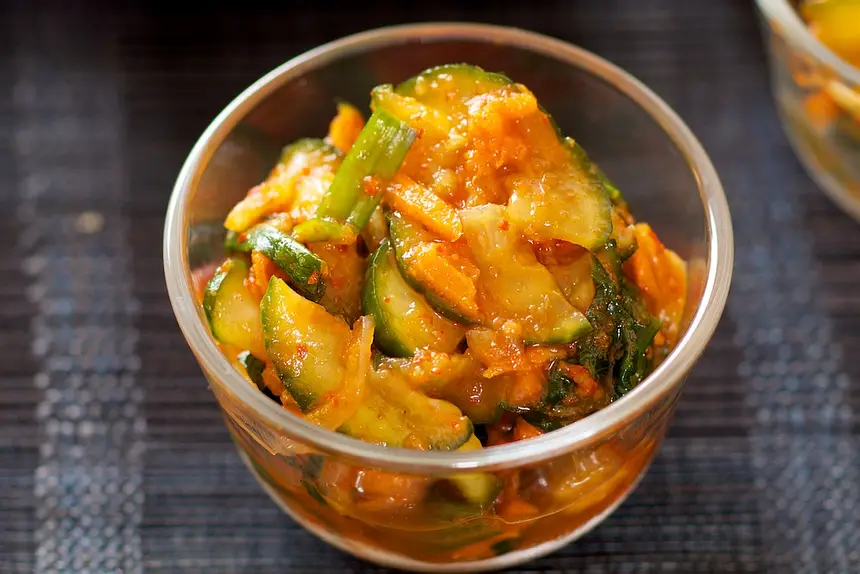
Easy Korean Cucumber Kimchi
Making your own kimchi at home is totally easy, and the best of all is that you can adjust the seasonings to your own taste. Serve it with any your favorite Korean or other dishes.
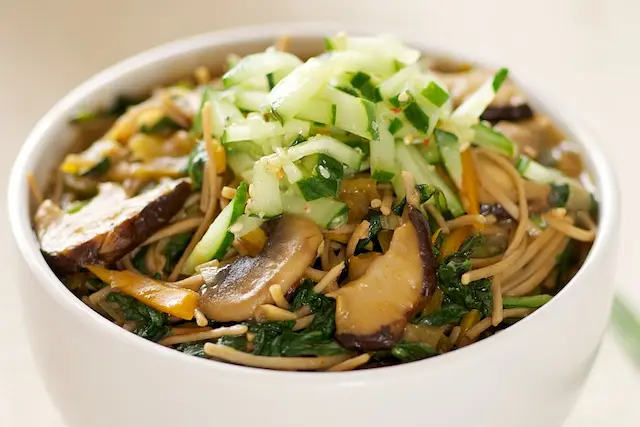
Soba Noodles, Mushroom & Tatsoi with Sweet-Sour Cucumber
This one pot dish is packed with deliciousness and goodness. Sauteed assorted mushrooms are cooked in a flavorful broth, lots of Asian yumminess will for sure make your tummy feel very happy.
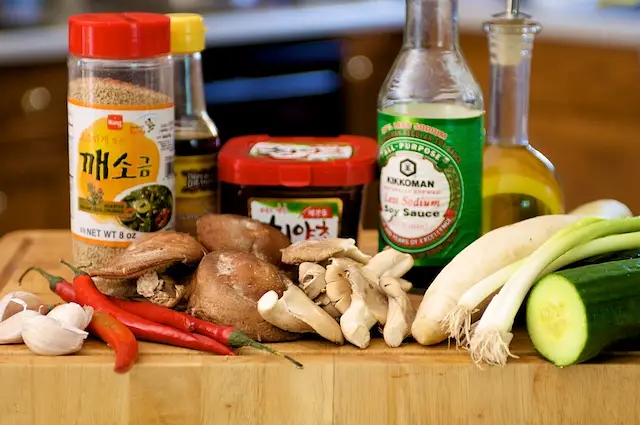
Bibimbap (Korean Seasoned Vegetables & Rice with Spicy Sauce)
A classic Korean dish, seasoned vegetables are served with steamed rice and spicy sauce along with a small bowl of miso soup and kimchee.
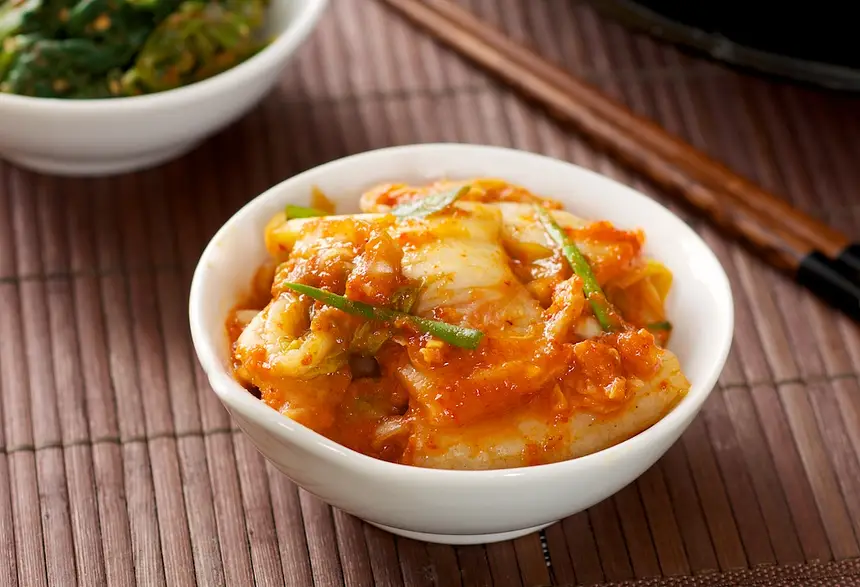
Easy Kimchi
If you are a big fan of kimchi and looking for an easy yet delicious kimchi recipe, this is the one. It's simple, it's easy to do at home, and you will be satisfied.
Thai Tamarind Chicken Stir Fry
Tired of cooking chicken the plain old style? How about making it Thai style this time! And with a hint of tamarind added to it, there is no way you can keep yourself from licking the last morsel of it left off the plate. What’s more? It is quick and easy to make and can be prepared in a jiffy whenever you have unannounced guests at home. A classic Thai recipe, this sweet and sour chicken stir fry even though is a meal by itself but when served with fragrant jasmine rice they take the eating experience to a whole new level. Try is right away!
Chinese Roasted Chicken Thighs with Brussels Sprouts
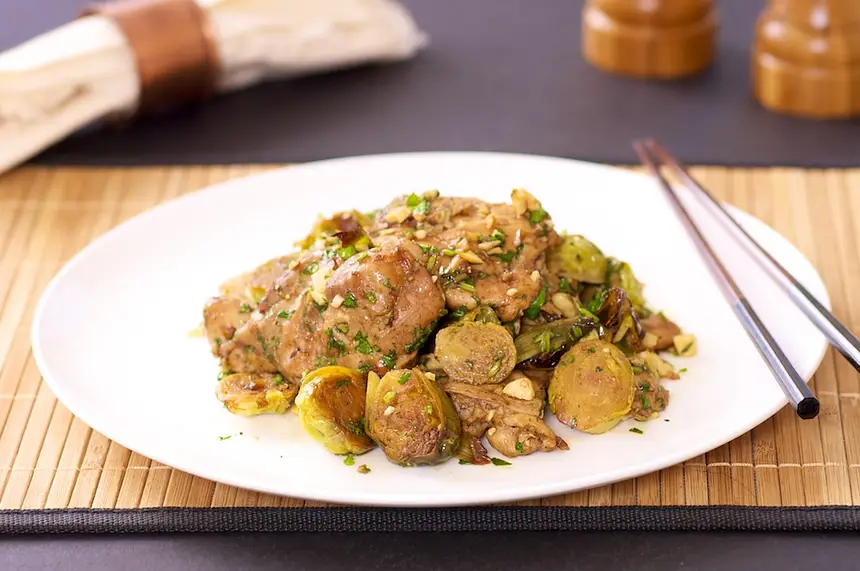
This easy and tasty dish will for sure satisfy your pickiest eater, and this time they will actually enjoy these deliciously roasted brussels sprouts.
Guizhou Lianai Doufu
Guizhou lianai doufu: golden-fried tofu squares stuffed with a garlicky cilantro-chili filling, simmered in a gingered soy sauce. A spicy Southwest Chinese classic worth the effort.
Roasted Cauliflower With Capers & Bread Crumbs
Roasted cauliflower with capers, anchovy-lemon dressing, and toasted garlic bread crumbs. A Sicilian-inspired side that caramelizes sliced cauliflower and finishes it with briny, crunchy punch.
Garden-Fresh Swiss Chard Pasta with Beans & Bacon
Discover a hearty one-pan pasta dish featuring garden-fresh Swiss chard—easy to grow yet underused. Sautéed stems and wilted leaves mingle with pasta, white beans, crispy bacon, garlic and rosemary (or oregano). Finished with Parmesan cheese for Italian flair.
Thai Mini Spring Rolls
Crispy deep-fried Thai spring rolls stuffed with seasoned pork, shrimp, bean thread noodles, and crunchy veggies, served with a tangy peanut-chile dipping sauce. The ultimate party appetizer.
Awesome Vegetable Couscous
A great stand alone vegetarian meal or top it with a fillet of grilled chicken or a white fleshed fish fillet.

Roasted Butternut Salad
Low in fat, butternut squash contains significant amounts of dietary fiber, making it an exceptionally heart-friendly choice. It also contains potassium, important for bone health, and vitamin B6, essential for the proper functioning of both the nervous and immune systems. Importantly, the squash is very rich in beta-carotene (which your body automatically converts to vitamin A), which has been shown to protect against breast cancer and age-related macular degeneration, among other health benefits. If that was not enough, a single cup serving provides nearly 50% of the daily recommended dose of vitamin C.
Good Karma Schawarma
Homemade chicken shawarma: yogurt-marinated thigh meat layered with spinach and roasted red peppers, baked into a stacked loaf, sliced thin, and served on fresh chapati flatbread with tzatziki.

Spicy Tofu with Green Vegetables & Noodles
If you haven't tried tofu, then now is your chance with this succulent dish you are bound to love!
Spicy Tofu with Green Vegetables & Noodles
If you haven't tried tofu, then now is your chance with this succulent dish you are bound to love!
Ananda's Spicy Carrot Pickles
This easy pickled chutney can transform rice and leftovers into something special.
Stir-fried Water Spinach (Side)
A favourite served at Din Tai Fung gets a healthy make-over. Water spinach, commonly known as kangkong, is rich in fibre, magnesium, vitamins A and C and is very low in calories. Word of caution: do not eat it raw as it may carry parasitic cysts from the waterways that are its natural habitat.
Roasted Squash with Goats Cheese & Spiced Onions
Butternuts are extremely nutritious: they’re rich in beta-carotene and vitamin C, as well as high in fibre and low in calories
Filled Stuffed Peppers Supreme
Meat filled green peppers in a spicy tomato cream sauce. A hand me down family recipe that I have greatly modified & finally written down.
Pork Chili Con Carne
Pork chili con carne with ground pork, tomatoes, kidney beans, and chili flakes. A leaner twist on classic beef chili with a quick 40-minute simmer.
Fiera's Orzo Muffaletta Salad
A convoluted version of Muffaletta salad inspired the the New Orleans sandwich of the same name. Based on a recipe by that Guy on Food Network; a dressed up pasta salad that's packed with loads of punchy flavors and textures then served in Bibb lettuce cups.