What Is Black licorice and How Can I Use It?
Black licorice rewards a little know-how: how to choose it, cook it, store it, and substitute in a pinch. Browse 14 recipes to cook with it.
Key Points
- Black licorice gets its dark, anise-like taste from licorice-root extract and glycyrrhizin.
- It is famously polarizing: a whisper intrigues, a flood overwhelms, so use it sparingly.
- For decorating, cut laces into spider legs; for flavor, melt it into warm cream.
- Salmiak, the Nordic salty licorice, uses ammonium chloride and has no easy substitute.
- The FDA warns large daily amounts of real licorice can disturb heart rhythm in adults.
What is black licorice?
Black licorice is the original licorice: a chewy candy flavored with extract from the root of the licorice plant, often deepened with anise or star anise oil. That root carries glycyrrhizin, a compound up to fifty times sweeter than sugar, which gives the candy its dark, slightly bitter, unmistakable taste.
It is one of the most polarizing flavors in the candy aisle. People who love it really love it; people who do not often describe it as medicinal. The flavor is the same one you meet in fennel and anise, which is exactly why opinions split.
Cooking and Baking With Black Licorice
In the kitchen, black licorice plays two different roles. As candy it becomes a building block for decorating, and as a flavor it folds into doughs and frozen desserts.
The decorating job is the one you see most around Halloween. Thin black licorice laces and twists become spider legs and other creepy details.
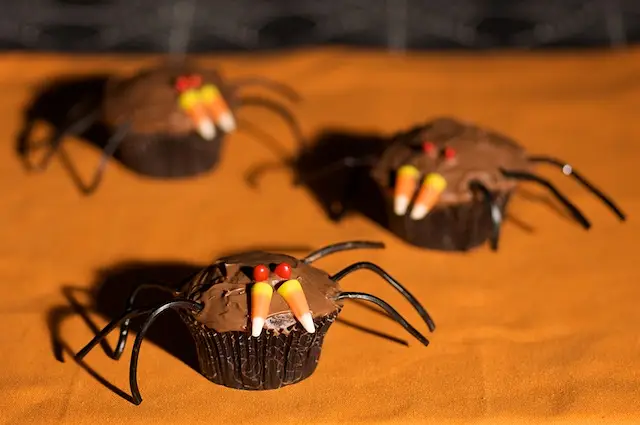
Black Licorice Chocolate Spiders and Halloween Spider Cupcakes both stick cut laces into frosting, while Black Cat Cupcakes, Critters in the Hay, and Jack-O'-Lantern Cookies press it on for legs and features.
As a flavor, chop or grate the candy and melt it gently into warm cream or milk for ice cream and panna cotta, where it tints the base grey-black and spreads the anise note evenly.
For baking, many cooks skip the candy and reach for ground anise seed or a few drops of anise extract instead, since pure licorice-root extract is hard to find.
A little goes a long way. The flavor is assertive, so start small and build.
Pairing and Common Mistakes
Black licorice has real affinities. It loves chocolate, salted caramel, blackberry, blackcurrant, fennel, mint, and coffee, and the salty Scandinavian versions pair with rich dairy beautifully.
The biggest mistake is overdoing it. Because the flavor is so strong and divisive, a heavy hand turns a dessert into a love-it-or-hate-it gamble. A whisper of it intrigues, a flood of it overwhelms.
The second mistake is a health one worth knowing. Glycyrrhizin in real black licorice can raise blood pressure and lower potassium when eaten in large amounts over time.
The U.S. FDA has warned that eating two ounces a day for two weeks can cause heart-rhythm problems, especially in people over 40. Most candy sold in North America is flavored with anise rather than real licorice root, but the genuine article deserves respect.
A Note on Salty Licorice
Scandinavia and the Netherlands take black licorice furthest with salmiak, or salty licorice, seasoned with ammonium chloride. It tastes salty and sharp, almost tongue-numbing, far beyond what most North Americans expect from the word licorice.
Salmiak turns up in candies and ice cream, and even in liqueurs, all over the Nordic countries.
If a recipe calls for it and you cannot find it, there is no easy swap. Regular black licorice plus a pinch of salt gets you only partway there.
Buying and Storage
Look for black licorice with candy, not with herbs and spices. Check the label if the real-root flavor matters to you, since many brands list anise or licorice flavor rather than actual licorice extract.
Store it like any chewy candy, sealed airtight at cool room temperature away from heat and humidity. Warmth makes the pieces stick together and humidity makes them tacky.
Kept sealed and cool, black licorice stays good for many months. It rarely spoils, but it does dry out and turn hard once air gets to it, so press out the extra air before you reseal the bag.
Quick facts
- In Chinese
- 黑甘草
- British (UK) term
- Black licorice
- en français
- réglisse noire
- en español
- regaliz negro
Recipes using black licorice
There are 14 recipes that contain this ingredient.
Halloween Spider Cupcakes


Creepy crawly Halloween chocolate spider cupcakes that are easy to make and a thrill to eat.

Black Licorice Chocolate Spiders
Black licorice chocolate spiders are a 2-ingredient Halloween treat. Twizzler legs and melted chocolate form creepy little spiders kids can make themselves. No baking required.
Monster Bread
Monster-shaped bread for Halloween made from store-bought dough with cinnamon sugar filling, raisin eyebrows, and candy decorations. A fun baking project kids can help shape and decorate.

Halloween: Pumpkin Patch Cake
Halloween pumpkin patch cake built from two devil's food bundts stacked face-to-face, frosted orange, with a green cupcake stem and candy corn jack-o-lantern face. Easy showstopper for kids' parties.

Jack 'O' Lantern Cookies
Jack-o-lantern cookies made from peanut butter sandwich cookies dipped in orange-tinted almond bark with black licorice faces. A fun, no-bake Halloween treat kids love decorating.

Jack-O'-Lantern Cupcakes
Halloween Jack-O'-Lantern cupcakes made with pumpkin, buttermilk, and pumpkin pie spice, topped with pumpkin frosting and decorated with black licorice faces and green gumdrop stems.

Jack-O'-Lantern Pie
A delicious pie made with vanilla ice cream, candy corn and black licorice. Perfect for the kids to enjoy before going off on their hunt for candy!

Hot Cross Black Widows
Halloween black widow spider muffins with black cream cheese frosting, a red hourglass mark, and licorice string legs. A spooky, fun baking project kids will love.

Critters in the Hay
Critters in the Hay is a Halloween popcorn treat with pumpkin pie spice caramel corn, candy corn, licorice spiders, and gummy worms. A spooky party snack kids love.

Halloween Spider Cake
Spooky Halloween spider cake shaped from two round layers with black frosting, licorice legs, and gumball eyes. A fun green gelatin surprise hides inside the body.
Halloween Chocolate Cookie Mice
Halloween chocolate cookie mice with pinched noses, chocolate chip eyes, and licorice tails. A spooky-cute kids' baking project that turns one chocolate shortbread dough into a tray of edible critters.

Black Cat Cupcakes
Halloween is coming, make these cute yet delicious cupcakes for your Halloween party. Everyone will love them.
Chicken Garden Saute
Quick chicken breast saute with rosemary, stewed tomatoes, black olives, zucchini, carrots, and green pepper. A one-skillet dinner ready in 30 minutes.