What Is Almond milk and How Can I Use It?
Almond milk is easier to cook with than it looks. Here's how to choose, use, and store it, what to substitute, and 15 recipes to get you started.
Key Points
- Thin, lightly nutty plant milk with very little protein, often only about 1 gram per cup.
- At its best cold: cereal, overnight oats, and smoothies, where its light body keeps drinks airy.
- Too low in protein to set custards or thicken sauces; it stays loose no matter how long it cooks.
- Bakes fine as a one-for-one dairy swap, giving a slightly lighter, less tender crumb.
- Keep an unsweetened plain carton for cooking; sweetened vanilla turns savory dishes oddly sweet.
What is almond milk?
Almond milk is a thin, lightly nutty plant milk made by blending soaked almonds with water and straining out the pulp. It is the most popular non-dairy milk in North America, and for a lot of cooks it is the default carton in the fridge.
What you taste is faint almond and not much else. The body is watery, closer to skim than to whole, because most of what makes an almond rich is the oil and fiber that get strained away.
That thinness matters in cooking. Almond milk has very little protein, often only about 1 gram a cup.
That is why it cannot set custards or build a thick sauce the way soy milk can.
How to Use Almond Milk
Almond milk is at its best cold and uncooked. Pour it over cereal and granola, stir it into overnight oats, or blend it into smoothies where its light body keeps the drink from feeling heavy.
It carries fruit and chocolate well in a blender. Try it in this spinach and strawberry smoothie, where it thins the greens without muddying the flavor, or chilled into a festive almondnog.
In baking it works fine as a one-for-one swap for dairy milk in muffins and quick breads, like these banana chocolate chip yogurt muffins. The low fat and protein show up as a slightly lighter, less tender crumb, but the result is good.
Pairing and Common Mistakes
The clean, nutty profile loves vanilla, banana, berries, oats, honey, maple, and cocoa. It plays nicely in a bircher muesli overnight too.
The big mistake is asking almond milk to do a custard or a thick stovetop pudding. With almost no protein, it stays loose no matter how long you cook it, and you end up adding cornstarch or eggs to compensate.
The second mistake is grabbing sweetened vanilla almond milk for a savory dish. That sugar turns a cream soup or a gravy oddly sweet. Keep an unsweetened plain carton on hand for cooking.
Substitutes
Other plant milks swap in cup for cup. Soy milk gives you more body and far better performance in anything that needs to thicken. Rice milk is even thinner and sweeter, while oat milk is creamier and the closest stand-in for richness.
Dairy milk replaces almond milk one for one and adds the body almond lacks. Cashew milk is the nearest plant match, with a similar mild nuttiness and a touch more creaminess.
Buying and Storing Almond Milk
The first label decision is sweetened versus unsweetened. Sweetened and vanilla cartons are built for cereal and coffee drinks; unsweetened plain is what you want for cooking and any savory use. Check the sugar line, because flavored versions can carry a surprising amount.
You will find both shelf-stable cartons on the dry-goods shelf and chilled cartons in the dairy case. Unopened shelf-stable boxes keep for months in the pantry; once opened, both kinds belong in the fridge and are best within seven to ten days.
Separation is normal, not spoilage. Almond solids settle, so shake the carton before every pour.
If it smells sour or has turned thick and slimy, it is done.
Quick facts
- In Chinese
- 杏仁奶
- British (UK) term
- Almond milk
- en français
- lait d'amande
- en español
- leche de almendras
Recipes using almond milk
There are 15 recipes that contain this ingredient.
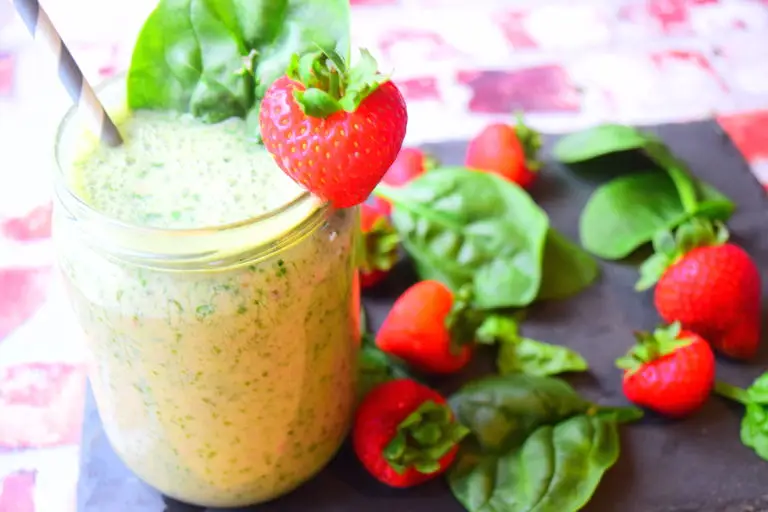
Spinach & Strawberry Smoothie


Here’s another healthy breakfast recipe that we’ve created for Fertility Road magazine. For those that are short on time in the morning, this quick and simple smoothie recipe is the perfect fertility boosting breakfast option.
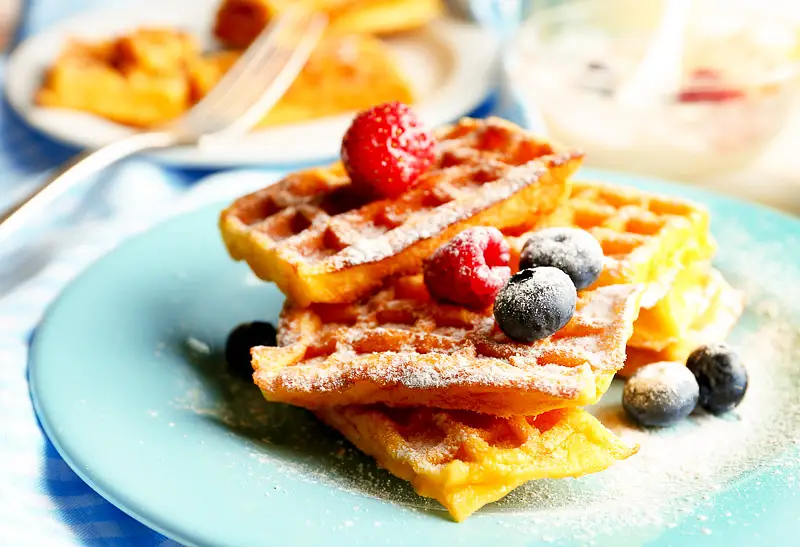
Wholegrain Waffles with Flaxseeds
A breakfast staple made with organic spelt flour, coconut oil and natural sweetener. Serve with maple syrup on the side and fresh berries or bananas or organic yoghurt. Another option is to soften some apple slices in a little bit of water, vanilla and dash of maple syrup until the liquid reduces and the apples are soft. Sprinkle liberally with cinnamon – reminiscent of apple pie!

Homemade Pumpkin Spice Doughnuts
Homemade pumpkin spice doughnuts fried golden from a pumpkin puree dough warm with cinnamon, ginger, and nutmeg, then dipped in a maple glaze. Cake-style donuts for fall mornings and Thanksgiving dessert.
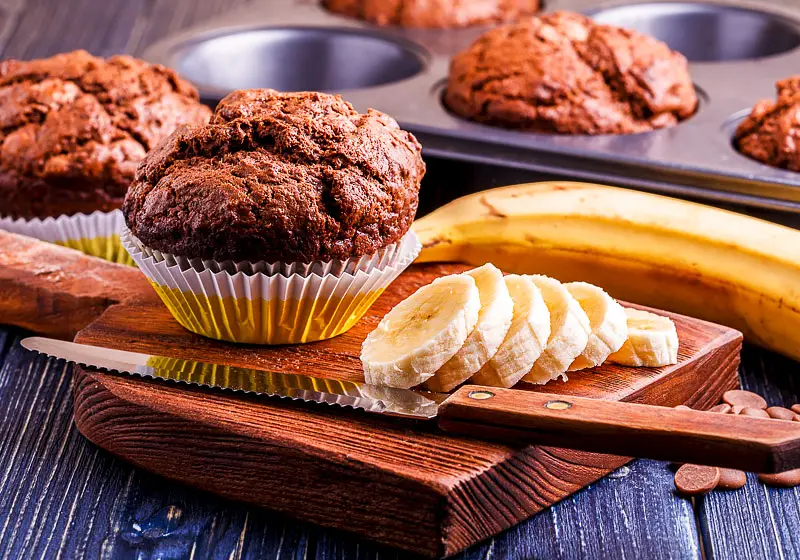
Gluten Free Casein Free Chocolate Avocado Muffins
Chocolate muffins packed with nutrients from an avocado you won't detect and protein from Quinoa Flakes!
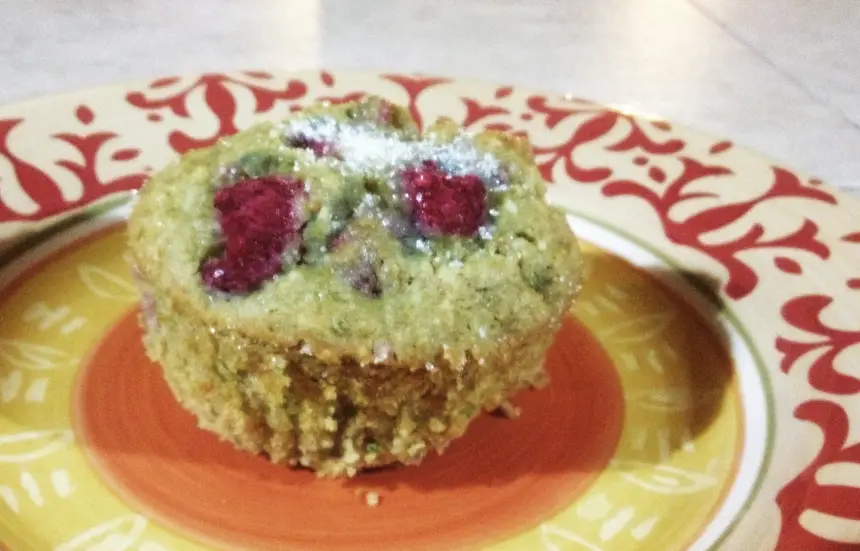
Gluten-Free Casein-Free Lemon Raspberry Muffins
Delicious Lemon-Raspberry Muffins that are sensitive to the toughest of dietary limitations.
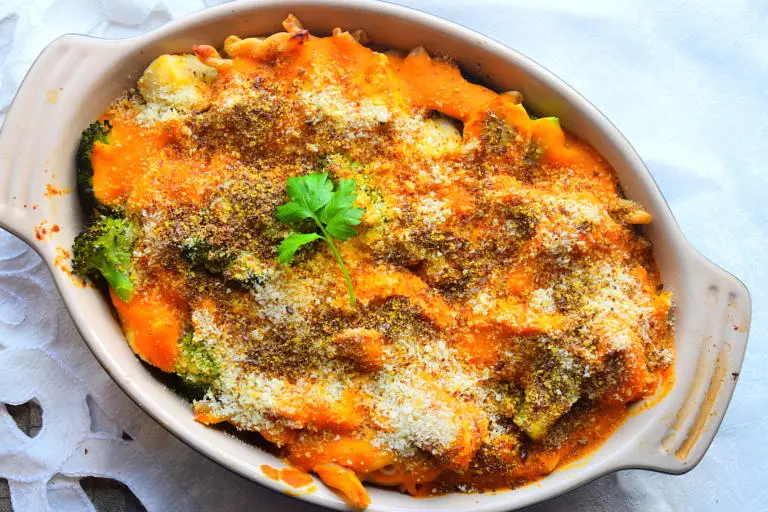
Healthy Chicken Pasta Bake

A delicious and wholesome, healthy dinner recipe that has under 500 calories per serving and will keep you full for hours. It takes just 30 minutes to make and is perfect for a nutritious week-night meal. It’s family pleasing, creamy and perfect for making the most of any leftover veggies.
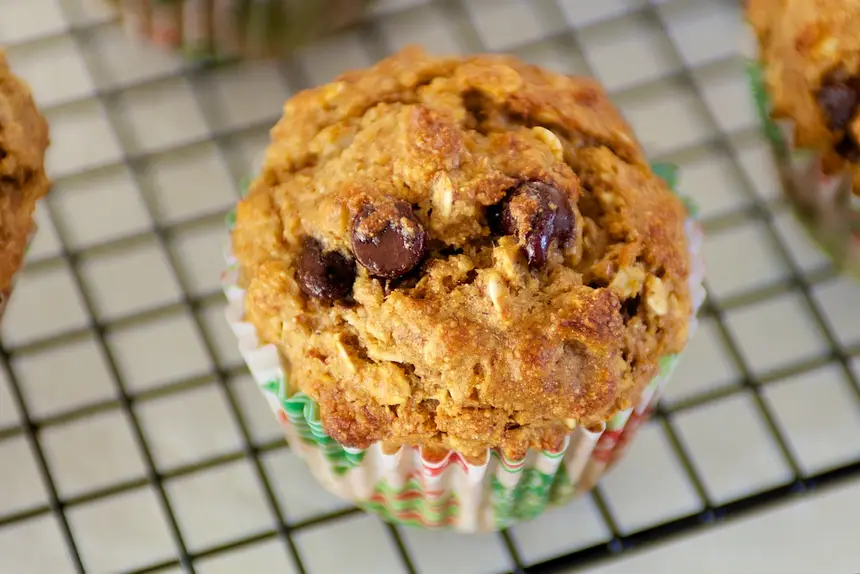
Banana Chocolate Chip Yogurt Muffins
Bananas, oats and yogurt make these muffins healthy and moist while the chocolate chips and walnuts add that touch of decadence.
Breakfast Strawberry Almond Milk Smoothie
Strawberry almond milk smoothie: just strawberries, unsweetened almond milk, and a touch of honey blended into a light, dairy-free breakfast. A clean base for protein powder.
Power Strawberry & Yogurt Smoothie
Power strawberry yogurt smoothie blends sweet strawberries, protein-rich Greek yogurt, a hidden handful of spinach, and almond milk into a creamy breakfast in a glass. You taste the berries, not the greens, and it's ready in minutes.
Wolfberry & Strawberry Smoothie
Thick, creamy goji berry and strawberry smoothie with soaked flax seeds and almond milk. A naturally gluten-free, nutrient-packed blend with a gorgeous pink hue.
Pumpkin Spice Latte
Homemade pumpkin spice latte made with real pumpkin puree, warm spice, and bold coffee. Skip the coffee-shop syrup and the line, ready in about 10 minutes, with a dairy-free option.

Black Rice Porridge with Coconut
Black rice, also known as forbidden rice, derives its name from when it was first cultivated for the sole consumption by the emperor in China. It is still cultivated in small quantities, and is not as popular as brown or white rice. However, studies have shown that the bran hull of black rice contains significantly more vitamin E than that of brown rice and more anthocyanin antioxidants than blueberries! It has a rich, nutty flavor and pairs beautifully in sweet dishes, such as this one where it is combined with coconut.
Bircher Muesli with Pear, Coconut & Chia Seeds (Breakfast)
Bircher muesli was first developed by a Swiss physician, Maximilian Bircher-Benner as part of the therapy he prescribed for his patients. Often called simply ‘overnight oats’ Bircher muesli is an ideal breakfast food – it can be assembled the night before, left in the fridge overnight and enjoyed in the morning – there is no cooking required. It's also a perfect combination of plant-based protein, slow-release wholegrain carbohydrates, and essential fats. The version below calls for pears and coconut, but alternative combinations are provided in the notes.
Almondnog
If you're tired of the same old eggnog, then try this delicious variation that uses almonds!
Peach & Oat Smoothie
If you cannot find fresh peaches, use frozen ones (they will further thicken the smoothie). Peaches were first cultivated in China where they are considered a symbol of immortality and friendship. Nutritionally, they are a good source of selenium and vitamins A and C. Chia seeds are not only a complete protein, but supply the much needed omega-3 fatty acids missing from so many modern diets.