What Is Cream of tartar and How Can I Use It?
If cream of tartar has turned up in a recipe or caught your eye at the store, here's what you need to use it with confidence and how to choose it, cook it, store it, what to substitute, and 490 recipes to try it in.
Key Points
- An acid salt scraped from wine barrels that makes whipped egg whites hold tall, glossy peaks.
- ⅛ teaspoon per egg white; ½ teaspoon plus ¼ teaspoon baking soda replaces 1 teaspoon baking powder.
- A pinch in hot syrup keeps sugar from re-crystallizing into grit.
- Lasts years in an airtight jar; check old powder by fizzing it with baking soda and water.
What is cream of tartar?
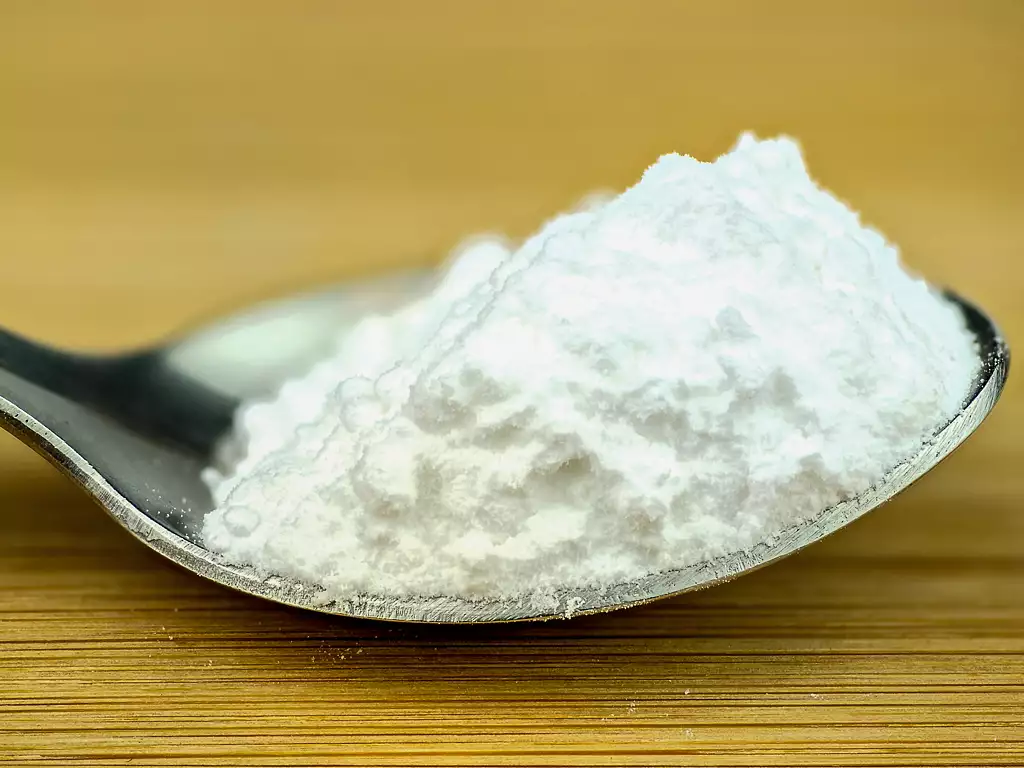
Cream of tartar is potassium bitartrate, the acid salt that crystallizes on the inside of wine barrels while grapes ferment. Winemakers scrape it out, refiners clean and grind it, and it lands in the spice aisle as a fine white powder with a faint sour bite.
It earns its shelf space for one job above all: whipped egg whites.
Beaten whites are a foam of unwound proteins holding air. A small dose of acid lowers the pH and firms up that protein network, so the foam climbs higher and holds its shape instead of weeping. Add ⅛ teaspoon per egg white once the whites turn foamy, before soft peaks form.
Nearly 500 recipes on Recipeland call for it, from Light Chocolate Angel Food Cake to Rhubarb Mousse.
What It Does in Baking
Foam stability comes first. Meringue, pavlova, soufflé and angel food cake all depend on whites that hold; the acid is what keeps a billowy foam from collapsing into a puddle during the bake.
With baking soda it becomes leavening. Mix ½ teaspoon of cream of tartar with ¼ teaspoon of baking soda and you have the working equivalent of 1 teaspoon of baking powder.
That pairing is the old-school lift behind Dad's Melty Biscuits and classic snickerdoodles, where the leftover tang is part of the flavor.
In sugar work it blocks crystallization. About ¼ teaspoon per cup of sugar in a hot syrup converts a little of the sucrose to invert sugar, and the syrup stays smooth instead of turning grainy. The same chemistry protects marshmallows and fondant.
On its own it is not a leavener. No baking soda, no gas, no rise.
What It Works With
At working doses the powder is nearly flavorless. You are pairing its chemistry, not its taste.
Snickerdoodles are the famous exception, the one place you can actually taste it. That faint tang under the cinnamon sugar is the cookie's signature, which is why swapping in plain baking powder gives you a flatter-tasting cookie.
For meringue I would not reach for lemon juice unless the jar is empty. Juice adds water, water makes a foam slump, and the powder delivers the same acidity dry.
The classic mistake is overdosing. Doubling the dose does not double the stability; past about ½ teaspoon in a six-white meringue, the foam dulls and the finish picks up a sour, faintly metallic edge. Measure level, not heaped.
What to Use Instead
It depends on which job you are replacing.
For whipped whites, use ½ teaspoon of lemon juice or white vinegar per ¼ teaspoon of cream of tartar. Expect a slightly softer foam, and in lemon's case a trace of citrus in a plain meringue.
For leavening, skip the arithmetic and use baking powder. One teaspoon stands in for the ½-plus-¼ pairing above.
For syrups and candy, a squeeze of lemon juice works the same acid trick. Corn syrup solves the problem a different way, adding glucose that gets in the way of crystal growth.
There is no animal product anywhere in the supply chain. It is grape-derived and vegan by default, no label-reading required.
Buying and Storing It
Look in the spice aisle; it is sold in small jars next to the baking spices. A jar usually outlasts its best-by date by years because the compound itself is shelf-stable.
Airtight and dry is the whole game. In a humid kitchen the powder cakes, and light clumps break up with a fork. A jar left open near the stove's steam can set hard enough to need chiseling.
Old jar of unknown vigor? Test it. Stir ¼ teaspoon into warm water with a pinch of baking soda: a vigorous fizz means the acid is still active, a lazy bubble or two means it is time to replace it.
Nutrition
Nutrition Facts
Serving Size 1 tsp (3g)Where found
Cream of tartar is usually found in the baking supplies section or aisle of the grocery store or supermarket.
Food group
Cream of tartar is a member of the Baked Products US Department of Agriculture nutritional food group.
How much does cream of tartar weigh?
| Amount | Weight |
|---|---|
| 1 teaspoon | 3 grams |
| ½ teaspoon | 1 grams |
Related
Baked Products
- In Chinese:
- 酒石
- British (UK) term:
- Cream of tartar
- en français:
- crème de tartre
- en español:
- cremor tártaro
Recipes using cream of tartar
There are 490 recipes that contain this ingredient.
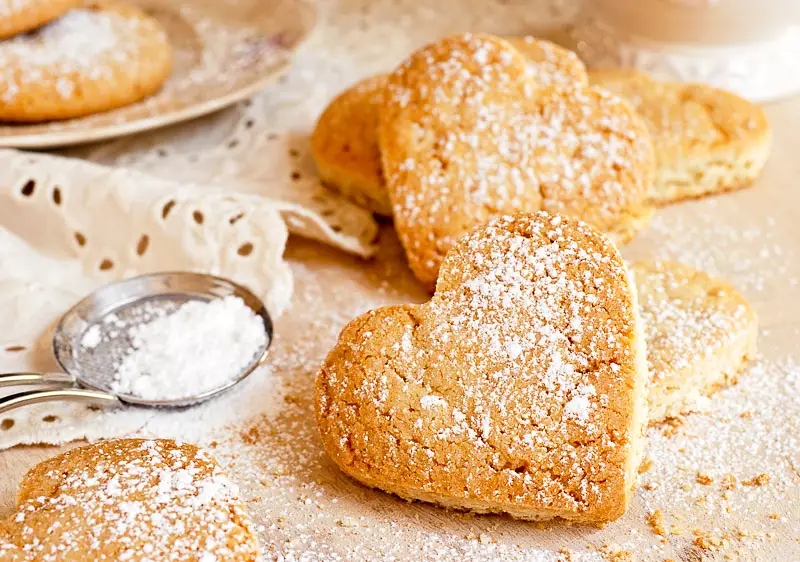
Best Sugar Cookies


Powdered sugar cut-out cookies stay tender and soft, perfect for decorating. Almond and vanilla extracts give these holiday classics a complex, bakery-style flavor that beats other sugar cookies.
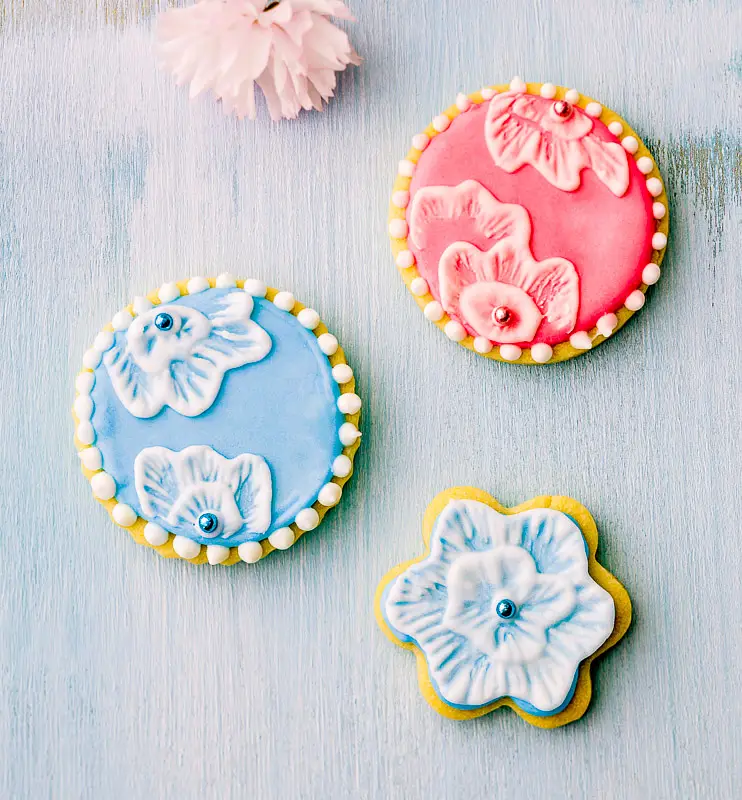
Cute Sugar Cookies

Cut-out sugar cookies made with powdered sugar and egg whites for ultra-tender, snowy-white cookies that hold their shape under cookie cutters. Perfect for holiday decorating with frosting or colored sugar.
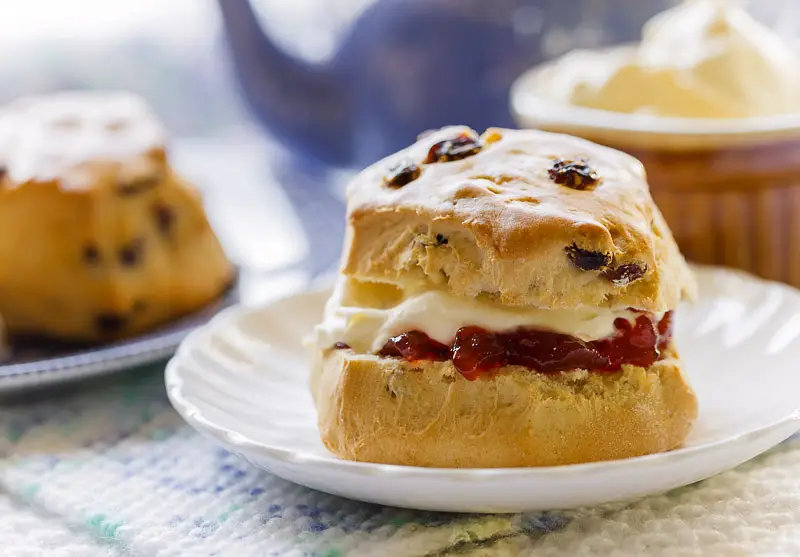
Classic Biscuits
Classic biscuits made with cold butter cut into the flour for flaky, tender layers and a tall rise. Cream of tartar lends a subtle tang. Roll and cut, or drop by the spoonful for rustic drop biscuits.
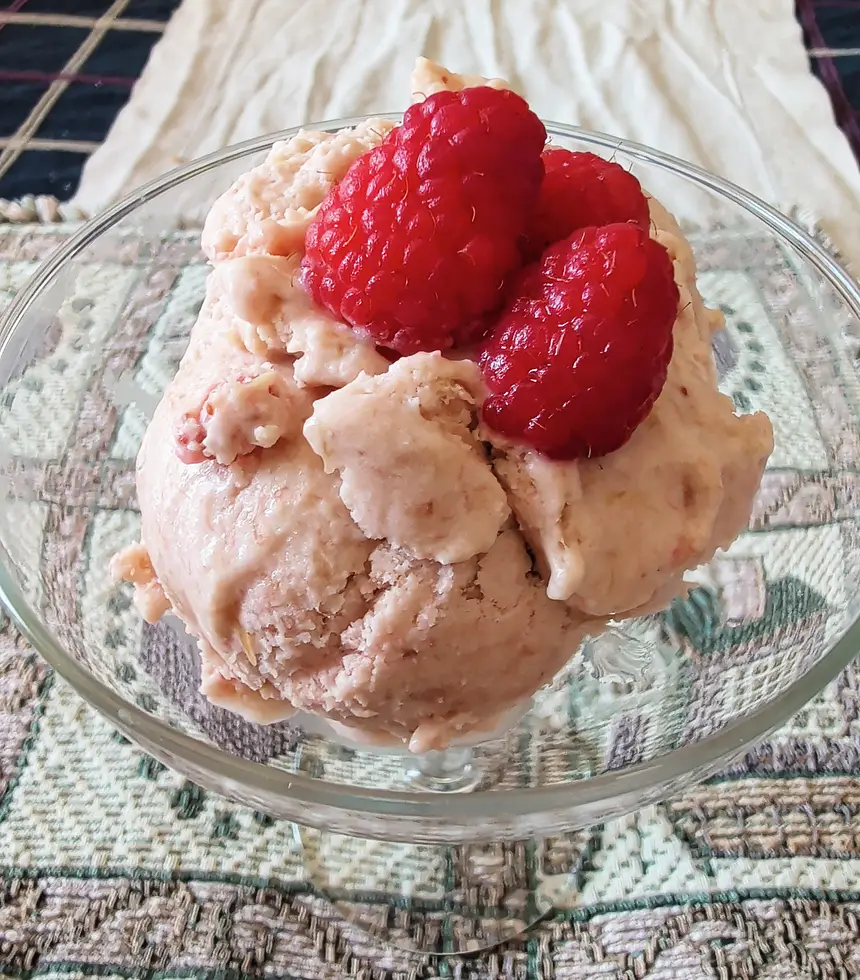
Rhubarb Mousse
Frozen rhubarb mousse: tart rhubarb puree folded into Italian meringue and whipped cream with a splash of raspberry liqueur. Light, airy spring dessert that scoops like ice cream.
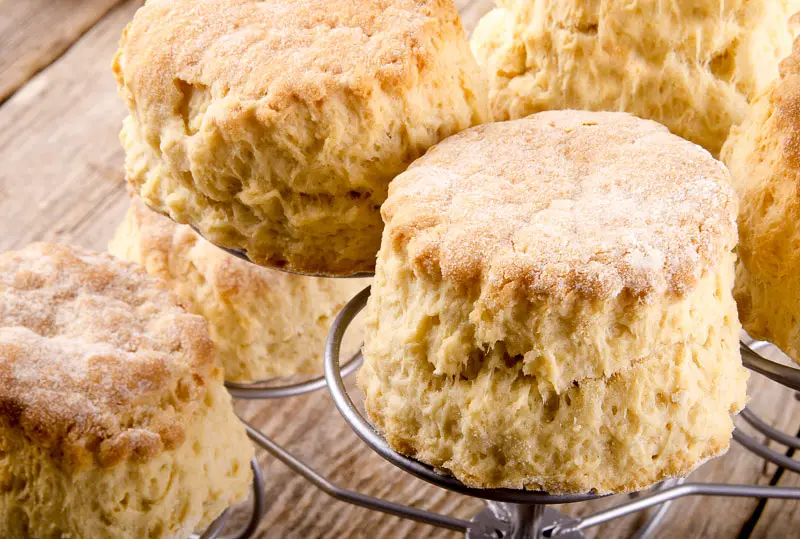
Cold Lunch Biscuits
Cold lunch biscuits are sturdy, lightly sweetened lunchbox biscuits made with milk, shortening, and a stiff flour dough. Bake them once and they keep for weeks in a tin.
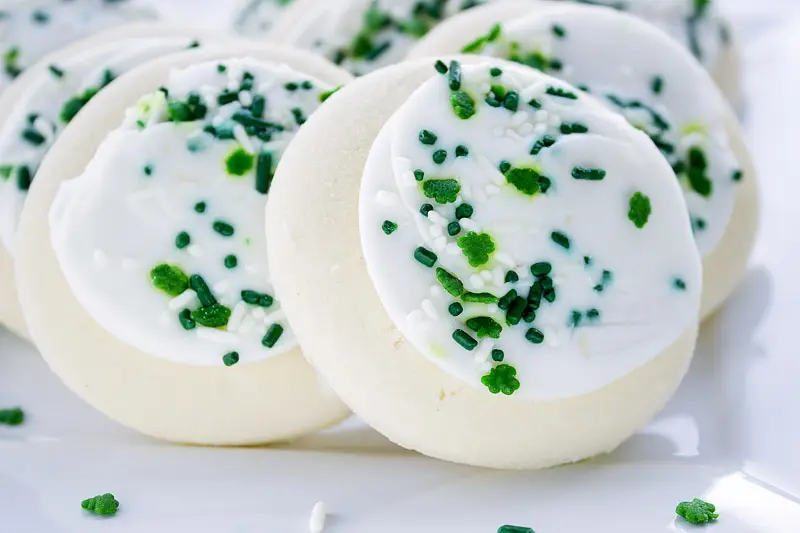
Em's Sugar Cookies
Sugar cookies with a half-shortening half-butter base for crisp edges and tender centers. Pressed flat with a sugar-dipped glass, baked 8 minutes, ready to ice and decorate.
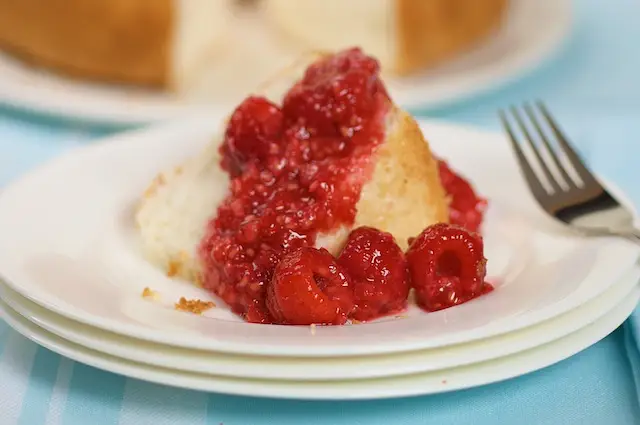
Angel Food Cake & Raspberries
Classic fluffy and light Angel Food Cake topped with juicy raspberries.
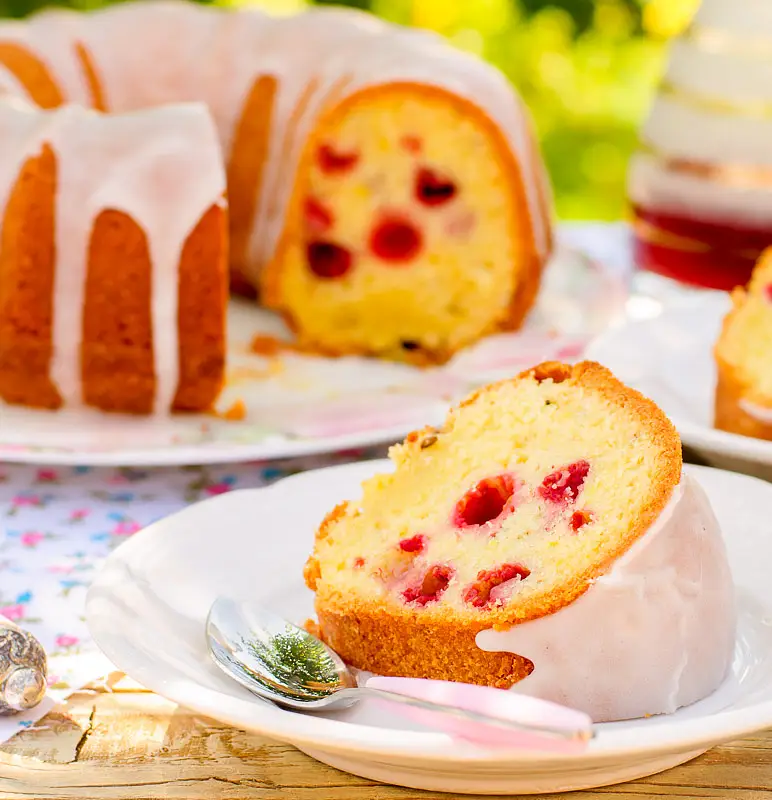
Berry Almond Bundt Cake
Cranberry almond bundt cake with cornmeal and applesauce. A dairy-free leaning bundt with tart cranberries, ground almonds, and a soft golden crumb. Drizzle with glaze or dust with powdered sugar.

Decorated Sugar Cookies
Decorated sugar cookies use powdered sugar and a touch of almond extract for tender, rollable dough that holds intricate cookie cutter shapes. The classic Christmas cookie recipe.
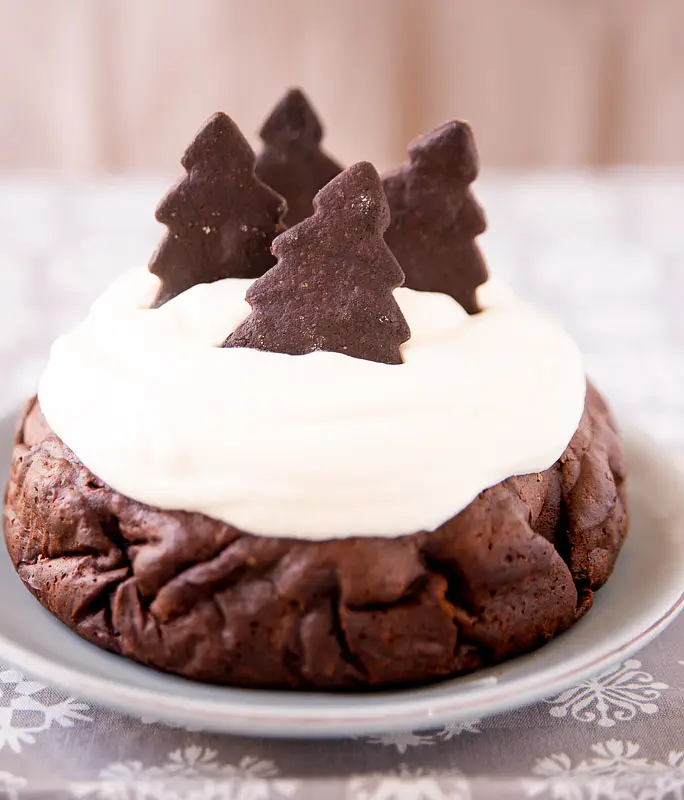
Gluten Free Chocolate Cake
Gluten free chocolate cake with a light, airy crumb built from whipped eggs, melted semisweet chocolate, cornstarch and ground amaretti instead of flour. Spiked with dark rum and rich without being dense.
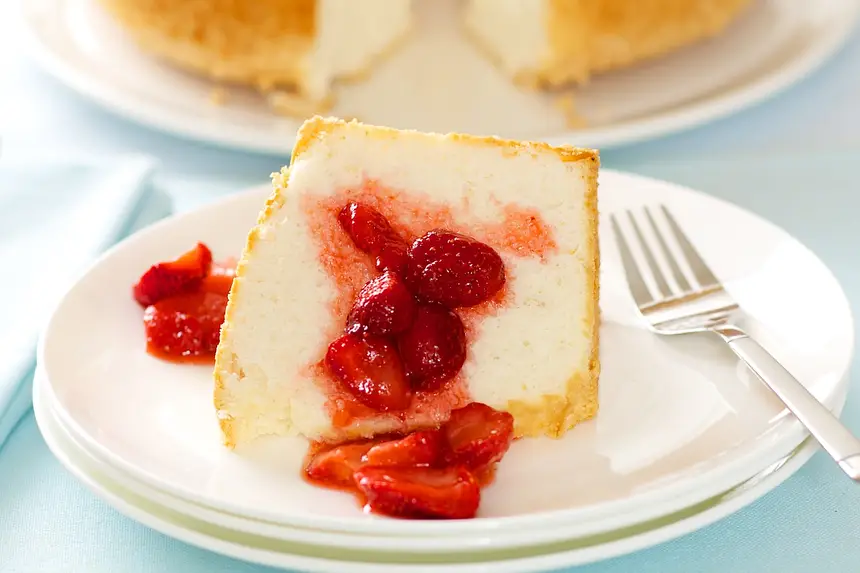
Angel Food Cake with Whipped Cream & Fresh Berries
Light and as fluffy as a feather. This version is served with whipped cream and fresh berries.
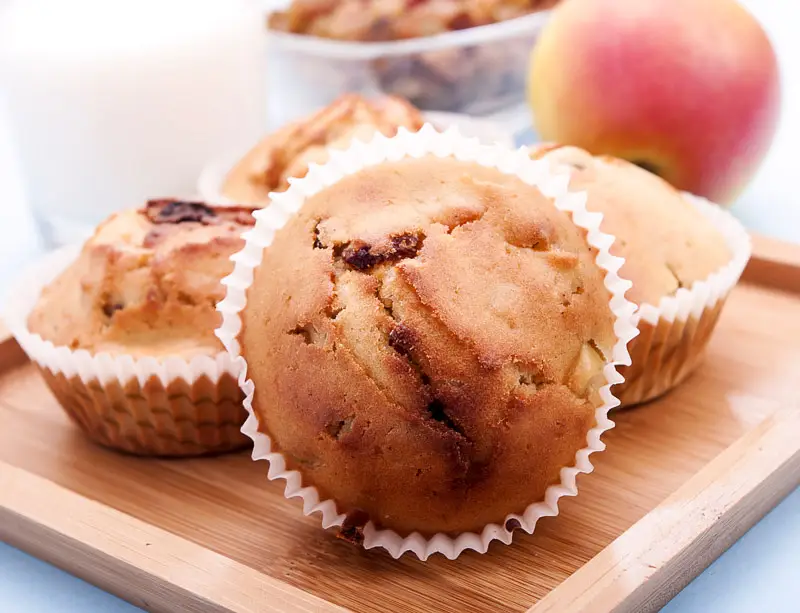
Breakfast Apple Orange Spice Muffins
Spiced apple-orange muffins with grated fresh fruit and warm spices. Light texture from folded egg whites. Optional raisins for extra sweetness.
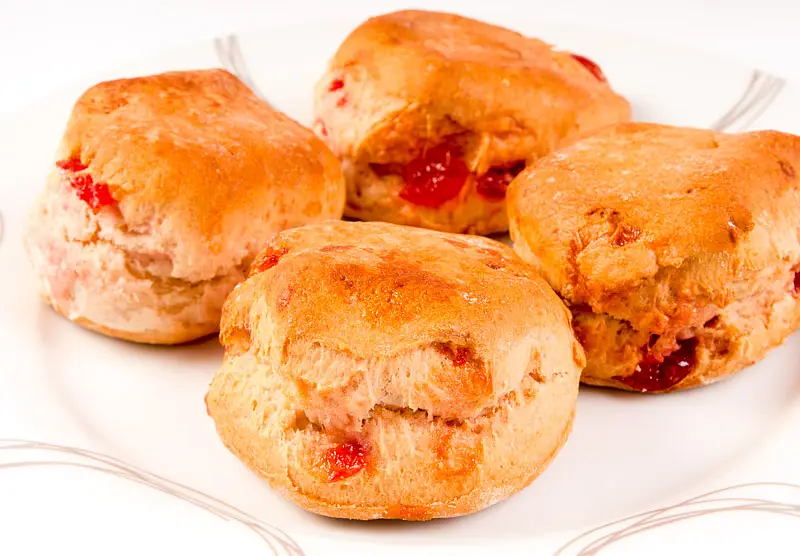
Buttermilk Breakfast Biscuits
Buttermilk breakfast biscuits cut into wedges, brushed with milk, and dusted with sugar before baking. A scone-style sweet biscuit with tender flaky layers and a lightly crisp golden top.
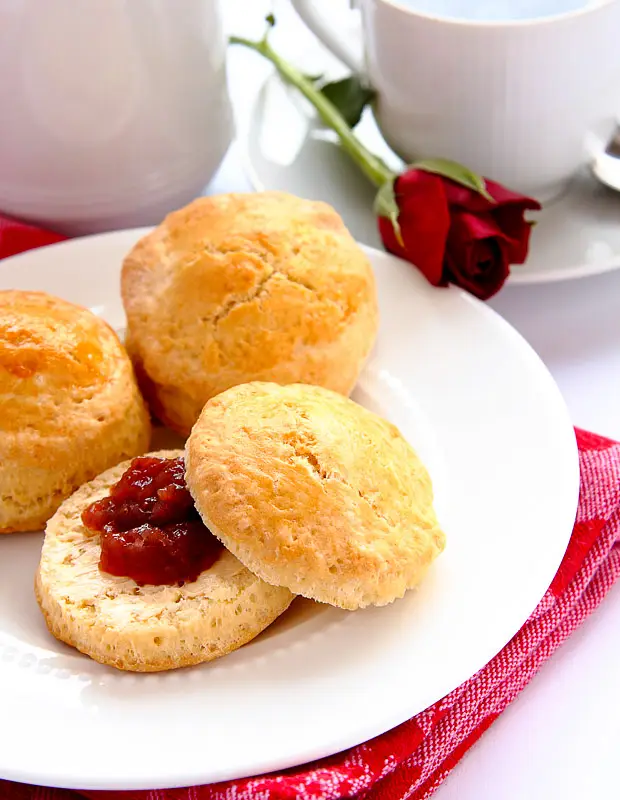
Honey & Cream Scones
Honey and cream griddle scones, an old-fashioned Welsh-style bakestone scone cooked on the stovetop, not baked. Whole wheat dough sweetened with honey and made tender with sour cream.
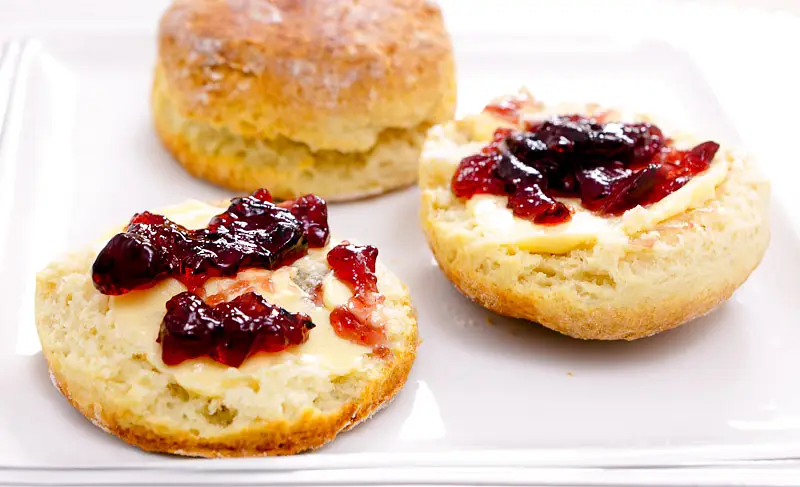
Best Cream Biscuits
Easy cream biscuits with butter, heavy cream, and a cream-of-tartar leavening. Tender, flaky biscuits ready in 45 minutes; serve with butter, whipped cream, or jam.

Star Sugar Cookies
Star sugar cookies with butter, both granulated and powdered sugar, plus cream of tartar for that signature soft chew. Roll, cut, and decorate or bake as flattened balls.
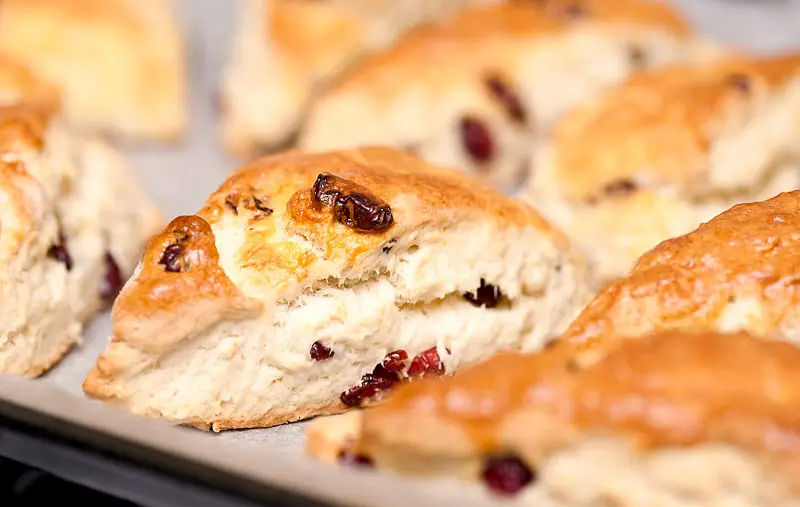
Breakfast Cranberry Orange Scones
Not too sweet, these scones are perfect to enjoy with a cup of warm tea!
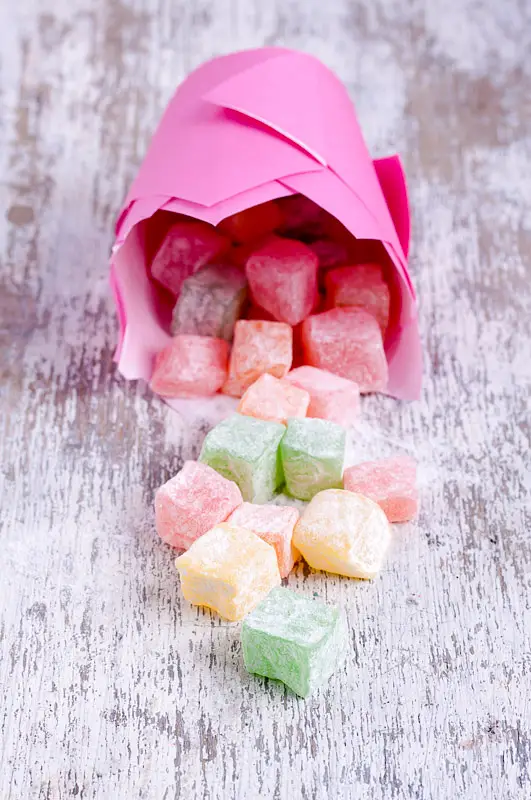
Grandma's Turkish Delight
Silky rose-scented candy squares dusted in powdered sugar, made with cornstarch and cream of tartar. Customize with pistachios, almonds, or fruit flavors for an authentic Middle Eastern sweet.
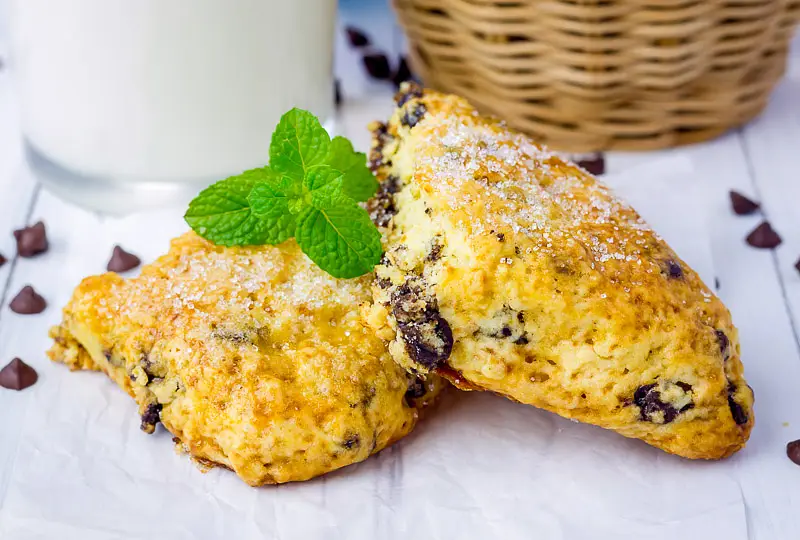
Cinnamon Chocolate Chip Scones
These scones are an excellent treat alongside of a steaming cup of coffee for breakfast, brunch, or dessert!
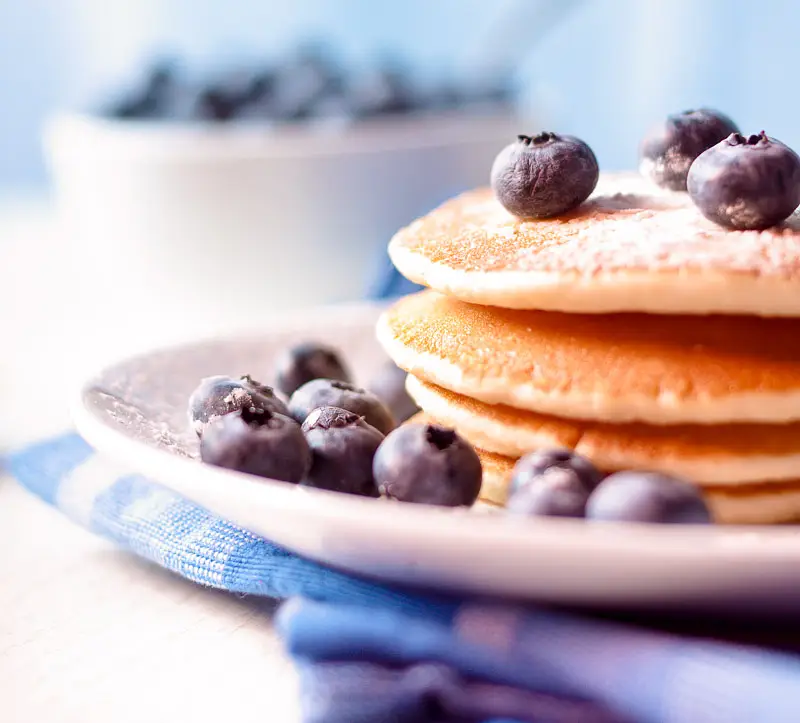
Breakfast Scotch Pancakes
Scotch pancakes are small, thick griddle cakes leavened with cream of tartar and baking soda for an old-fashioned tangy lift. Cook on a hot griddle, serve warm with berries and syrup.
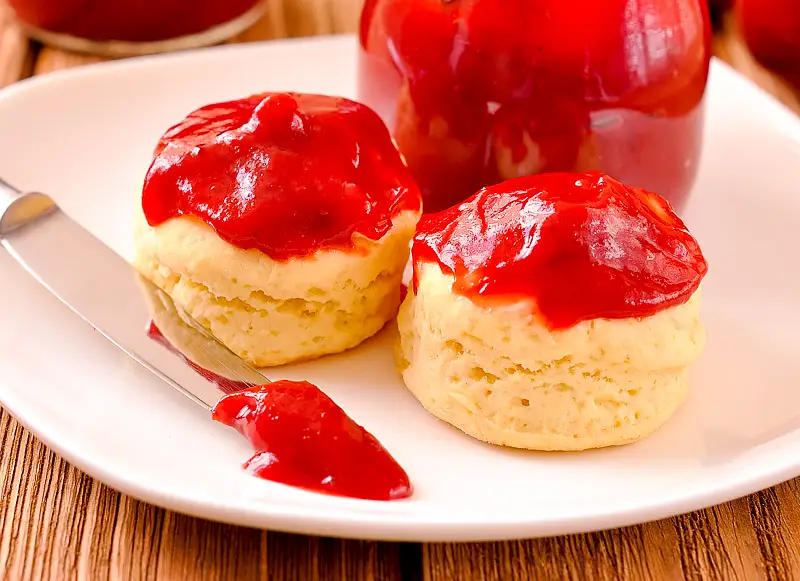
Irish Soda Scones
Traditional Irish soda scones made with buttermilk, baking soda, and cream of tartar. Tender, biscuit-style scones with a soft crumb, ready in under 40 minutes. No yeast needed.
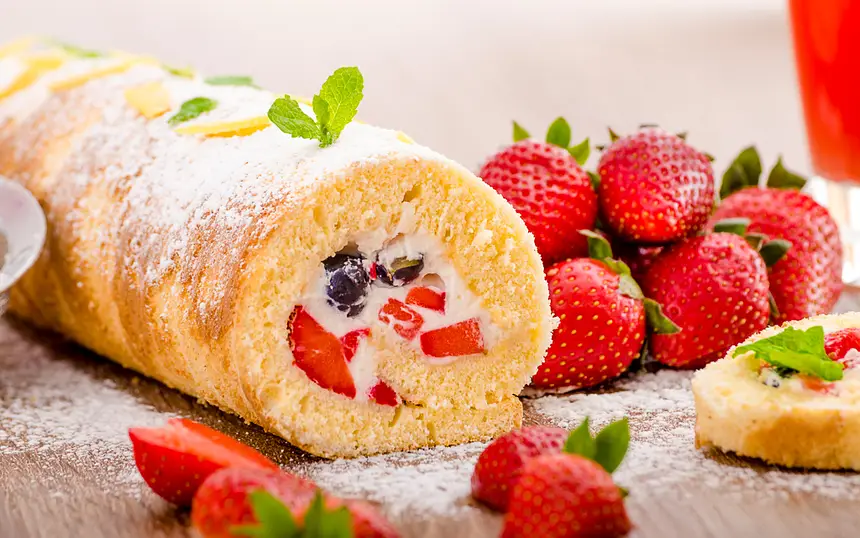
Strawberries 'N Cream Cake Roll
A light sponge cake rolled around sugared fresh strawberries and billowy whipped cream. Looks like it came from a French patisserie, but you made it in your own kitchen.
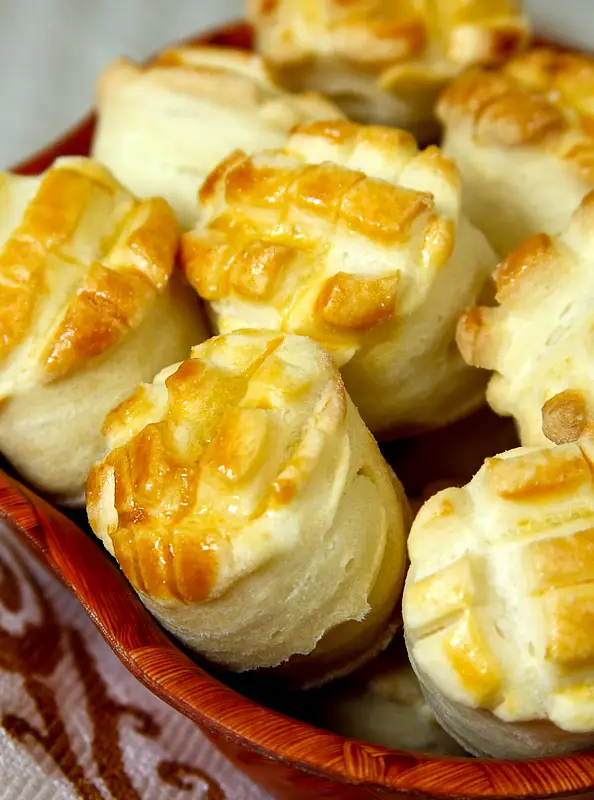
Golden Buttermilk Biscuits
Golden buttermilk biscuits use shortening and tangy buttermilk for sky-high layers and a tender crumb, with cream of tartar doubling down on the lift. Old-school camp-style biscuits that bake up golden in just 10 minutes.
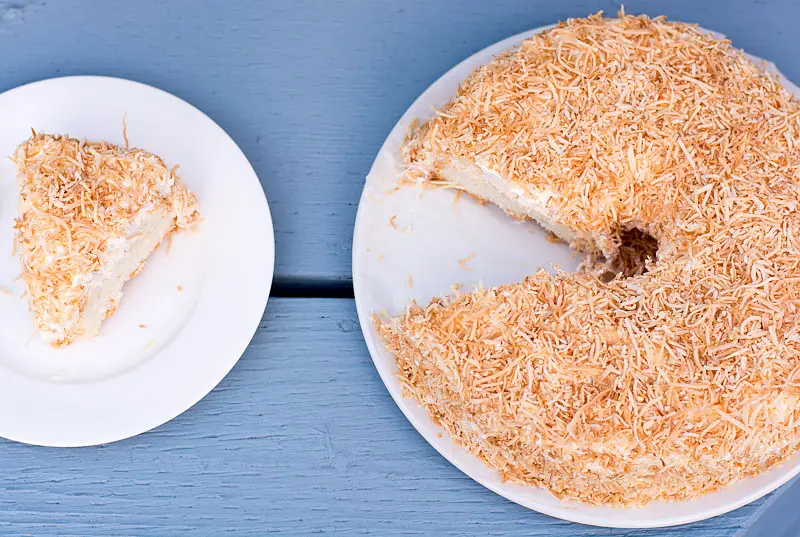
Coconut Angel Food Cake
Coconut angel food cake folds shredded coconut into a fat-free egg-white batter, then frosts the cooled tube cake in seven-minute orange frosting and toasted coconut.
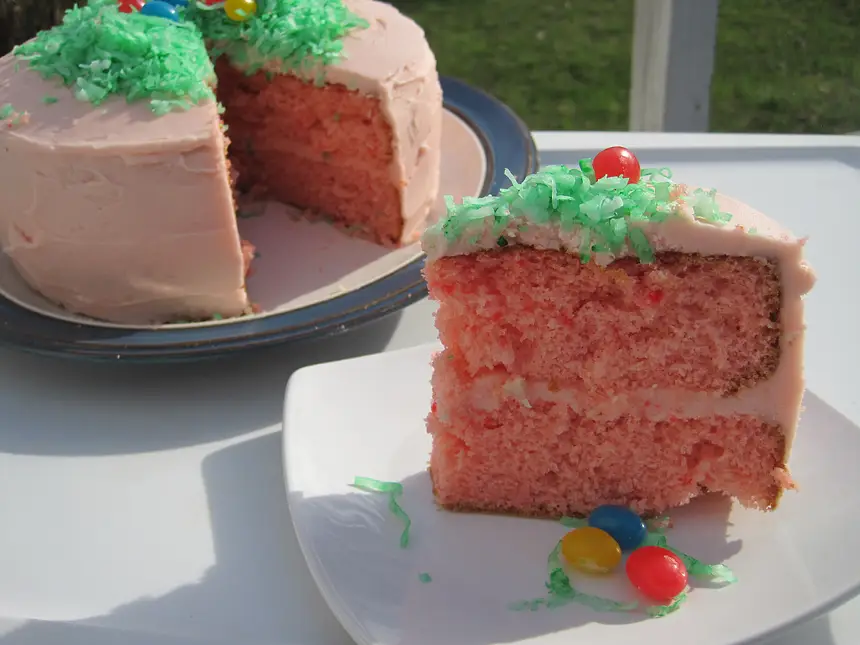
Easter Party Cake
I added some pureed strawberries and a couple of drops of red food coloring to make the cake pink.