2,753 gluten free recipes
 Recipe NOT List™ - disabled
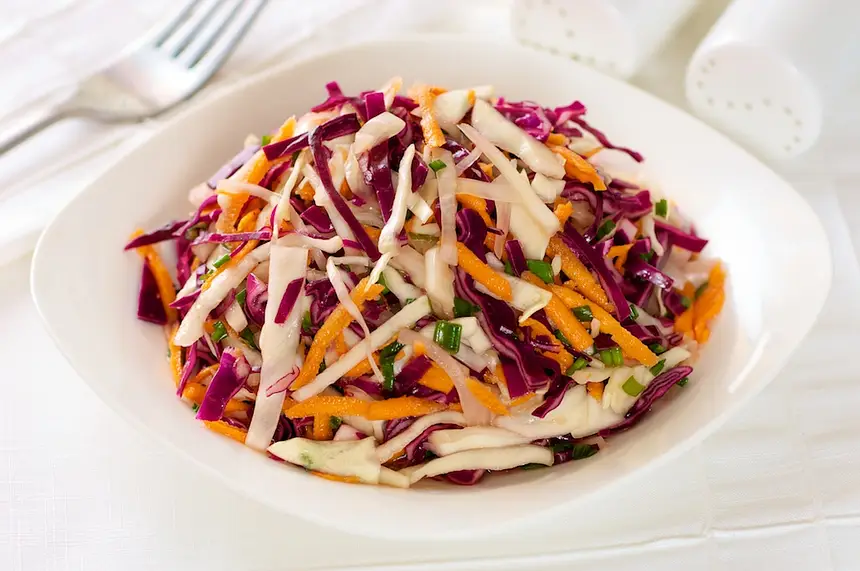
So easy to make, and it was sweet, sour and very flavorful. Forget the store-bought coleslaw mix, this simple yet tasty recipe takes no time, cost-effective, and tastes delicious.
Making your own fish balls is the key to keeping this soup hearty and nutritious. Avoid using store-bought fish balls which can contain added cornflour, flavourings, MSG and preservatives.
I was surprised by how it turned out. It was quite soft and not as dense as I thought, and it tasted delicious. I will be making this gluten-free bread often.
A healthier take on a traditional Chinese recipe, with no MSG or food colouring, which are often added to commercially made versions.
Quinoa has been called the supergrain of the future because of its complete protein profile and nutrient density. It contains almost twice as much fiber as most other grains, and is rich in magnesium, iron and vitamin B2, which improves energy metabolism within brain and muscle cells.
Holly always makes delicious things to share with the daycare!
When preparing this popular breakfast dish at home you can control the type and quantity of oil being used, the type of bee hoon (organic brown rice bee hoon is widely available now and not expensive) and use as many different green vegetables as you have on hand to increase its nutritional profile.
Honey-sweetened brown rice batter bread leavened with yeast and baking powder, no kneading and no wheat. A gluten-free quick loaf that slices clean and toasts well.
Loaded with healthy protein from chicken and egg and anti-inflammatory herbs such as coriander and ginger, this is a great way to start the day. Although traditionally made by cooking grain in the soup until it becomes mushy, consider cooking grains separately to retain their texture and nutrients. Also swap white rice for brown rice or quinoa, or even barley to boost the nutrition profile of the soup.
This tropical fruit is not only beautiful to look at, but is also highly nutritious. It contains significant amounts of heart-healthy fibre, antioxidants, vitamin C and has been shown to keep blood glucose levels stable. Chia seeds provide a boost of omega-3 fatty acids.

Vegan mushroom and barley miso soup simmers earthy mushrooms and chewy pearl barley in a savory miso-thyme broth. Hearty, low-fat, and full of umami.
Gluten-free and dairy-free carrot spice cookies made with rice flour, molasses, applesauce, and raisins. Soft, chewy drop cookies with warm allspice flavor. Makes 4 dozen.
A light, refreshing and uber-healthy take on traditional Thai green curry. You can adjust the amount of chilli you add based on how hot you prefer the curry. Serve with black or brown rice (or mixture of the two).
Silky tofu and spinach miso soup simmers silken bean curd and tender greens in a savory miso-soy broth, finished with toasted sesame and chili. Ready in 20 minutes, naturally vegan and gluten-free.
Asparagus—along with avocado, kale and Brussels sprouts—is a particularly rich source of glutathione, a detoxifying compound that helps break down carcinogens and other harmful compounds. It is also packed with antioxidants, ranking high for its ability to neutralize cell-damaging free radicals.

I was very hesitant to try this recipe out, but after I heard good reviews about a similar cheesy cauliflower "bread"sticks, I decided to give it a shot. The recipe is great!
Showing 177 - 192 of 2753 recipes