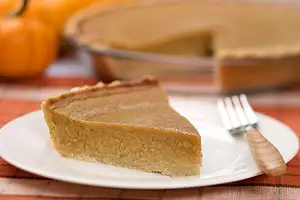
Olive Oil Pie Crust

Submitted by cheryl1575
Olive oil pie crust pressed straight into the pan with no rolling required. A simple, dairy-light Mediterranean-leaning pastry that mixes in 10 minutes and chills firm in half an hour.
YIELD
8 servingsPREP
10 minCOOK
0 minREADY
15 minThis is the pie crust for anyone who finds rolling pastry intimidating. There’s no shortening to cut in, no chilled water to ration, no rolling pin involved. You stir flour, sugar, and salt right in the pie plate, drizzle in olive oil and a splash of milk, then press the crumbly mixture into the pan with your fingers or the back of a spoon. Half an hour in the fridge and the crust is ready to fill.
Olive oil makes for a different texture than butter or shortening: more biscuit-like than flaky, with a subtle savory edge from the oil itself. That works in its favor for some pies (rustic galettes, savory tarts, custard pies with strong fillings) and against it for others. Use a mild, fruity olive oil rather than a peppery extra-virgin if the pie is sweet; strong oil overpowers delicate fillings. The mix-in-the-pan method also means one less bowl to wash.
Pro Tips
- Press the dough thinly and evenly. Thick spots stay raw in the corners; thin spots tear when filled.
- Don’t overwork the mixture. The more you press and pinch, the tougher the finished crust will turn out.
- The 30-minute fridge rest is what lets the flour fully absorb the liquid for a crust that holds its shape during baking.
- For cream or custard fillings, blind bake the chilled crust at 375°F (190°C) for 10 minutes before adding the filling.
Variations
- Add a teaspoon of fresh thyme or rosemary to the dry mix for savory tarts and quiches.
- Replace the milk with cold water for a fully vegan crust that still binds well.
- Use whole wheat pastry flour for half the white flour for a nuttier, more rustic shell.
Ingredients
Directions
Combine the flour, sugar, and salt in a 9 inch pie plate and stir fork to blend.
Drizzle the oil and milk over the mixture, and lightly toss it with the fork or your fingertips until crumbly.
Pinch the mixture together; if it is too dry and crumbly, add a few more drops of milk.
With the back of a spoon or your fingers, press or pat the dough evenly over bottom and up the sides and rim of the pie plate, taking care not to build it up in the corners.
To crimp the edge, either press the floured tines of a fork onto the dough on rim, or pinch the dough into a fluted pattern with your fingers.
Refrigerate the crust for at least 30 minutes.

Comments