What Is Orange bell pepper and How Can I Use It?
Here's everything worth knowing about orange bell pepper and how to pick it, what it is, how to store it, and what to use instead, plus 13 recipes to cook tonight.
Key Points
- A fully ripe sweet bell pepper with no heat, sweeter and fruitier than green.
- Green bells are the unripe stage; orange has ripened that bitterness into sugar.
- Great raw for color, roasted for smoky sweetness, or stuffed as an edible bowl.
- After roasting, steam the charred pepper so the skin peels off cleanly.
- Red or yellow bell peppers are the closest swaps; whole peppers keep one to two weeks.
What is orange bell pepper?
The orange bell pepper is a ripe sweet pepper with no heat at all, just clean sweetness and crunch. Its color comes from ripening fully on the plant, which is what builds the sugar.
A green bell pepper is the same kind of fruit harvested before it ripens. Green peppers taste grassy and faintly bitter, while a fully colored pepper has turned that bitterness into sweetness.
Orange falls right in the sweet tier alongside red and yellow, noticeably sweeter and more fruity than green.
The color also happens to survive cooking best, holding its bright tone where red can dull.
Using Orange Bell Peppers
Raw is where the color earns its keep. Cut into strips for a crudite platter or sliced into a salad, an orange pepper brings sweetness and a glow that green can't. Lentil & Sweet Pepper Salad uses that brightness against earthy lentils.
Roasting deepens everything. Char the skin under a broiler or over a flame until blackened, steam it covered for ten minutes, then slip the loosened skin off. What's left is silky and smoky, sweeter than before, the foundation of Pasta with Mixed Roasted Peppers Vinaigrette.
For high heat, peppers hold up well. They keep some bite in a quick stir-fry like Stir-fry Chicken and Spaghetti, and their flat-sided wedges thread cleanly onto skewers for Veggie Kabobs.
Stuffing is a natural too. A whole orange pepper, top cut off and seeds removed, makes a sturdy edible bowl, and a mix of colors gives you Rainbow Stuffed Peppers.
Pairing and Common Mistakes
Sweet orange peppers play well with tomato, corn, black beans, basil, garlic, and feta, as in Black Bean, Corn & Bell Pepper Salad. Their sugar also balances acid, so they round out a vinaigrette or a tomato sauce.
The most common mistake is treating green and orange as interchangeable. They are not.
Subbing green into a dish built on the sweetness of a ripe pepper leaves it grassy and a little sharp, which throws off salads and salsas especially.
The other slip is skipping the steam step after roasting. Peel a charred pepper straight away and the skin clings and tears. Let it sweat under a lid or in a bowl first, and the skin lifts off in sheets.
Substitutes
Reach for a red or yellow bell pepper first. Both sit in the same sweet, ripe tier, so the flavor barely changes and only the color shifts. Yellow is the closest visual match.
If sweetness matters more than color, a sweet Italian frying pepper such as cubanelle works, milder-walled and a touch less sugary. Use a green bell pepper only when you actually want that grassy edge, since it will pull a sweet dish in a different direction.
Buying and Storing
Pick peppers that feel heavy for their size with taut, glossy skin and a firm green stem. A deep, even orange signals full ripeness and the most sugar.
Skip any that are wrinkled, soft, or dull, since that is the look of a pepper on its way out.
Store them unwashed in the crisper drawer, loose or in a vented bag, where they keep for one to two weeks. Whole peppers last far longer than cut ones, so slice only what you need.
Once cut, wrap the rest tightly and use it within a few days. Bell peppers also freeze well if you slice them first, though they soften on thawing, which makes the frozen ones best for cooking rather than raw use.
Quick facts
- In Chinese
- 橙色的柿子椒
- British (UK) term
- Orange bell pepper
- en français
- Poivron orange
- en español
- Paprika anaranjado
Recipes using orange bell pepper
There are 13 recipes that contain this ingredient.
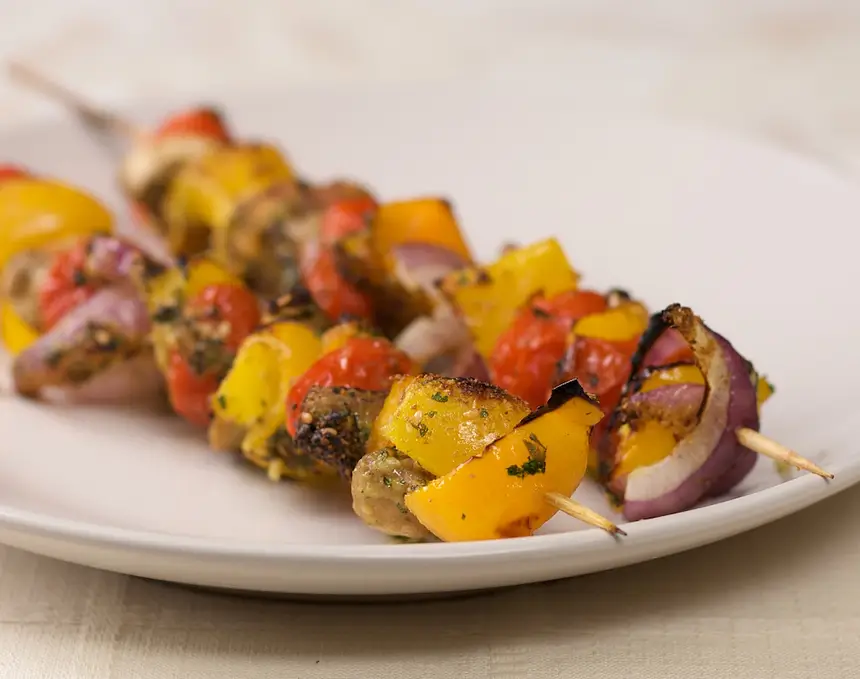
Veggie Kabobs


Fresh cherry tomatoes, colorful bell pepper, white mushroom and red onion, season with olive oil, sesame seeds and parsley leaves, they look good and tastes good, quick and easy.
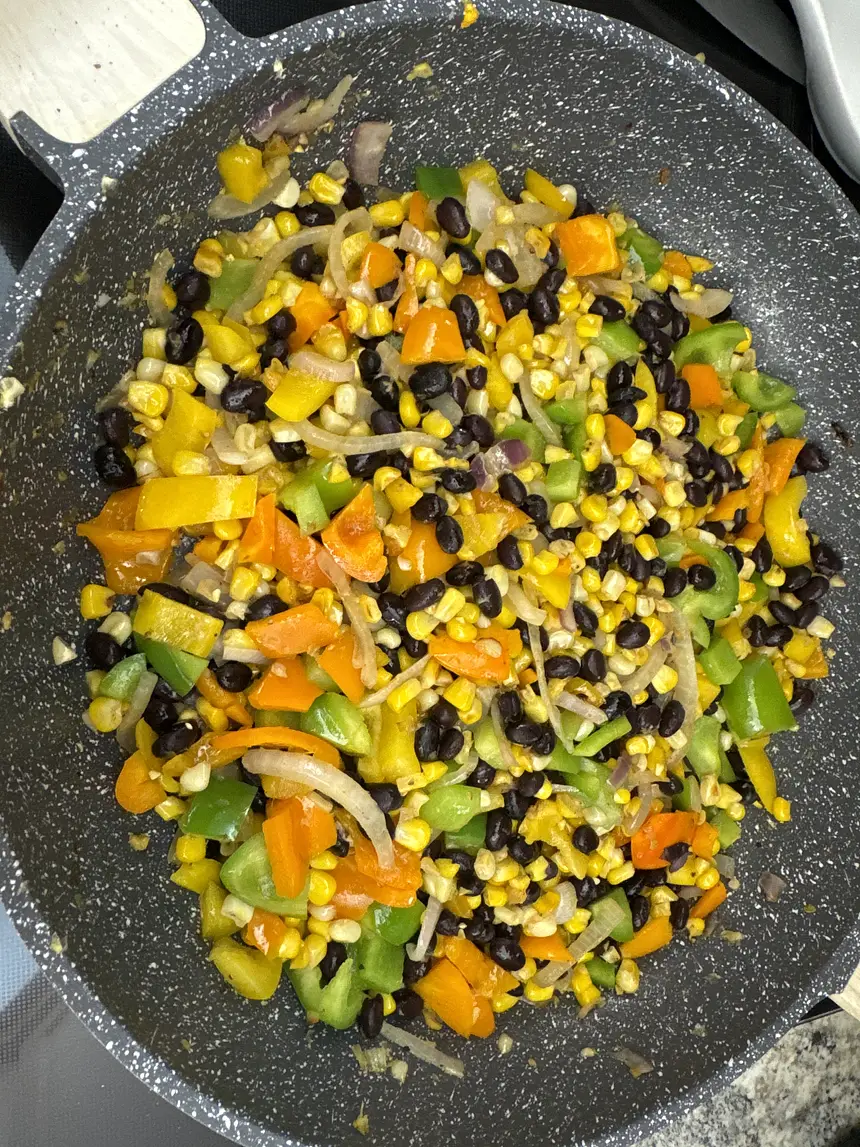
Black Bean, Corn & Bell Pepper Salad

Black beans and fresh veggies make a delicious, refreshing yet whole some salad. Serve it as a side dish or a simply delicious main dish with some good quality bread.
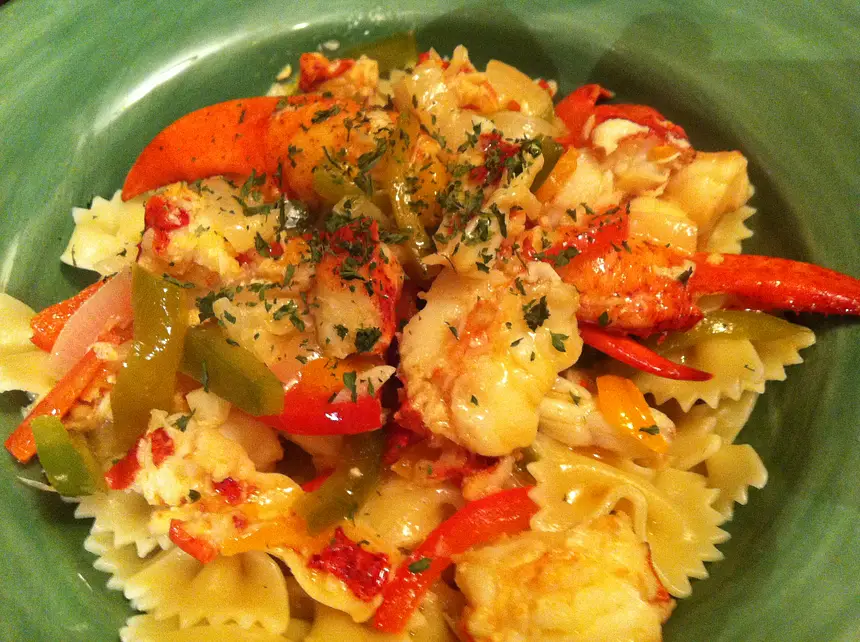
Lobster - Jamaican Style
Chunks of lobster meat sauteed in butter, peppers, garlic and onions served over bowtie pasta.
Halloween Black Spiders' Leg Noodles
Halloween black spiders' leg noodles toss inky squid ink linguine with roasted butternut squash, orange bell peppers, garlic, and Kalamata olives. A vegetarian Halloween pasta with bold spooky color contrast.
Lentil & Sweet Pepper Salad
Colorful lentil salad with charred red, yellow, and orange bell peppers, dried apricots, and cumin-coriander dressing. Broiled peppers add smoky depth to tender green lentils.
Charlie's Wrap Sandwich
Vegetarian wrap packed with sauteed sweet peppers, creamy goat cheese, sun-dried tomatoes, and peppery arugula finished with a splash of sherry vinegar. A fresh, no-cook-ahead lunch ready in minutes.
Pasta with Mixed Roasted Peppers Vinaigrette
Pasta tossed with four colors of oven-roasted bell peppers, balsamic vinegar, garlic, fresh basil, and olive oil. A vibrant, low-fat sauce bursting with smoky sweetness.

Corn & Tomato Salad
Fresh corn kernels sautéed with colorful bell peppers, scallions, and garlic get tossed with halved cherry tomatoes, chipotle chile, and lime juice for a smoky-spicy salad that works hot or cold.
Black Bean, Corn, Bell Pepper, & Tomato Salsa
Black bean and corn salsa loaded with tri-color bell peppers, tomatoes, red onion, jalapeno, and cilantro, tossed with Italian dressing and a squeeze of lime. A no-cook cowboy caviar dip that feeds a party.
Stir-fry Chicken & Spaghetti
Stir-fried chicken breast with orange bell pepper and scallions in a savory marsala-soy sauce, served over spaghetti. A quick 45-minute dinner for two.

Rainbow Stuffed Peppers
Mexican-style rainbow stuffed peppers with ground turkey, refried beans, corn, rice, and tomatillo salsa in red, green, yellow, and orange bell pepper halves.
Creamy Latin Pasta Salad
Latin-inspired pasta salad with a blended feta-cilantro-lime dressing, diced ham, colorful bell peppers, jicama, and olives. Bright, crunchy, and totally make-ahead friendly.