What Is Creole mustard and How Can I Use It?
If creole mustard has turned up in a recipe or caught your eye at the store, here's what you need to use it with confidence and how to choose it, cook it, store it, what to substitute, and 17 recipes to try it in.
Key Points
- Coarse Louisiana brown mustard with marinated seeds and a sharp, horseradish-like kick.
- The backbone of New Orleans remoulade, po'boys, and Cajun sausage and fish dishes.
- Add it near the end of cooking, since prolonged heat boils off the pungency.
- Spicier and grainier than Dijon; whole-grain mustard plus horseradish is the best swap.
- Refrigerate after opening and use within a year; the heat fades as it ages.
What is creole mustard?
Creole mustard is a coarse, spicy brown mustard from Louisiana, made from brown mustard seeds that are soaked in vinegar and marinated before being ground. That marinating step softens the seeds and deepens the flavor.
The result is a grainy texture and a sharp, horseradish-like heat that hits the back of the nose. It is the workhorse mustard of Cajun and Creole cooking, the one New Orleans cooks reach for the way other kitchens reach for Dijon.
How to Use It
This is a mustard with backbone, so let it do real work.
Its classic home is remoulade, the pink-or-tan New Orleans sauce that dresses cold shrimp; both Easy Shrimp Remoulade and Finger Lickin' Remoulade Sauce lean on it for that grainy bite.
Slather it on a po'boy, fold it into deviled eggs, or stir a spoonful into potato salad for texture and heat. It seasons sausage dishes like Andouille a la Jeannine.
A smear over fish before baking is a Creole standby, as in Trout with Roasted Pecans a la Commander's Palace.
It also makes a glaze or crust. Mixed with a little honey or brown sugar, it caramelizes on roast pork or ham, and the seeds toast as it bakes.
Pairing and Common Mistakes
Creole mustard stands up to bold, fatty foods like smoked sausage, fried seafood, and rich ham. It loves the company of garlic, paprika, hot sauce, and lemon, the usual Louisiana cast.
The most common mistake is cooking it too hard, too long. Mustard's pungency comes from volatile compounds that boil off with heat, so a sauce simmered forever goes flat and merely sour.
Stir it in near the end, or add a fresh spoonful at the finish to bring the heat back.
The other slip is treating it like yellow mustard and slathering it on thick. Creole mustard is potent, so a little carries a sandwich and too much buries everything else.
Substitutes
No Creole mustard on hand? Whole-grain mustard is the closest match for texture, though it is usually milder, so add a pinch of prepared horseradish to mimic the kick.
Dijon brings similar sharpness but a smooth body, so you lose the seedy crunch; it works fine in a sauce where texture matters less.
In a pinch, stir coarse spicy brown mustard with a few drops of vinegar and a little horseradish, and you are most of the way there. Plain yellow mustard is the weakest stand-in, milder and more sour than spicy.
Buying and Storage
Look for Creole mustard near the Dijon and specialty mustards, often a Louisiana brand like Zatarain's in a squat jar. Check the label for visible whole and cracked seeds, the sign of the real coarse grind.
Like all prepared mustard, it keeps a long time because vinegar and salt are natural preservatives. Refrigerate after opening and it stays good for up to a year, though the heat fades over the months, so older jars taste tamer.
A little liquid separating on top is normal; just stir it back in. There is no need to toss it over a small color change, but off smells mean it is done.
Quick facts
- In Chinese
- 克里奥尔芥末
- British (UK) term
- Creole mustard
- en français
- créole moutarde
- en español
- mostaza criolla
Recipes using creole mustard
There are 17 recipes that contain this ingredient.
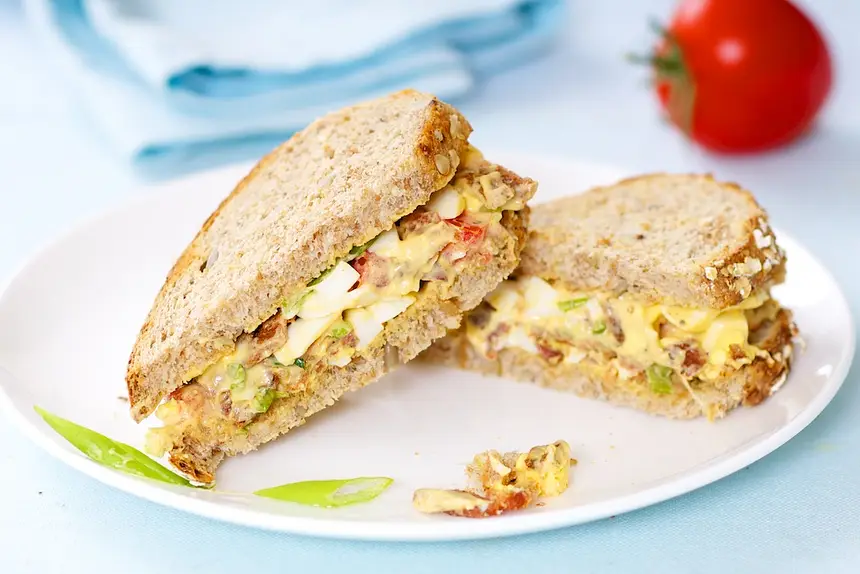
Bacon, Egg & Tomato Salad Sandwiches


A quick, easy and delicious way to prepare some delicious sandwiches for your family.

Trout with Roasted Pecans a la Commander's Palace
Crispy sautéed trout fillets crowned with pecan butter and roasted pecans, inspired by New Orleans' legendary Commander's Palace. Creole-seasoned, buttery, and ready in 30 minutes.

Crab Stuffed Prawns with Tomato Butter

Butterflied prawns stuffed with Creole-seasoned crab, Parmesan, and mustard, baked and served with a rich tomato butter sauce. Bold New Orleans-inspired seafood at its finest.
Elegant Baked Fish
Elegant baked fish fillets topped with a spiced mayo of Creole mustard, hot sauce, Worcestershire, curry powder, and a Ritz cracker crust. Baked until flaky.

Steak & Oysters a la Creole
Filet mignon and fresh oysters marinated in vermouth and Creole seasoning, served over spinach with a zesty horseradish sour cream sauce. A bold Louisiana surf and turf that brings the bayou to your table.

Shark Hors D'Oeuvres
Crispy deep-fried shark bites marinated in lemon, white wine, and garlic, breaded and served with Creole mustard or tartar sauce. A Gulf Coast appetizer with serious crunch and attitude.

Pecan Crusted Venison with Bourbon Mash
Pecan-crusted venison medallions seared medium rare, served over bourbon sweet potato mash with Creole mustard and roasted pecans. A Southern-meets-game-night showstopper.
Mos' Nilly Guacamole
Cajun-style guacamole with crumbled feta, Creole mustard, Worcestershire sauce, hot sauce, and white wine vinegar. Not your standard guac, this one has a Louisiana kick.

Andouille a la Jeannine
Andouille sausage braised low and slow in dry white wine, honey, and Creole mustard. A Justin Wilson Cajun classic that comes together in one skillet in 35 minutes.
Liver in Mustard Sauce
Pan-seared beef liver in a Creole mustard and white wine sauce with shallots and cayenne. A Cajun-style liver dish with a tangy, sharp pan sauce ready in 35 minutes.

Easy Shrimp Remoulade
Louisiana shrimp remoulade with Creole mustard, horseradish, and paprika in a sharp, herbaceous olive oil dressing. A classic New Orleans cold appetizer served over lettuce or as a chilled main.
Delicious Shrimp Remoulade
New Orleans shrimp remoulade with chilled poached shrimp on lettuce, smothered in tangy Creole mustard-paprika sauce. A classic Louisiana appetizer or main course.
Super Yummy Pork Boulettes
Cajun pork boulettes simmer ground pork with onion, peppers, and garlic in a brown roux gravy, then fold in rice before getting breaded and fried into golden, walnut-sized fritters. Served with Creole mustard aioli for full Louisiana flair.
Coconut Beer Shrimp with Sweet & Tangy Sauce
Coconut beer shrimp with sweet and tangy sauce: beer-battered shrimp rolled in fresh coconut, fried crisp, served with a marmalade-mustard-horseradish dip. A Gulf Coast appetizer classic.

Finger Lickin' Remoulade Sauce
Creole remoulade sauce with mayonnaise, sieved egg yolks, Creole mustard, paprika, chervil, and hot sauce. No-cook, mix-and-chill, bold Louisiana flavor.
Cabbage & Lamb Stew
Cabbage and lamb stew with green and red cabbage, lamb sausage, red potatoes, and Creole mustard. Rustic European-style one-pot dinner ready in an hour.
Le Filet De Lapin A La Moutarde
Cook like a famous French chef with this simple recipe that uses rabbit fillets and creole mustard.