Here's everything worth knowing about eggs and how to pick them, what they are, how to store them, and what to use instead, plus 14,690 recipes to cook tonight.
What are eggs?
Chicken eggs are widely used in many types of dishes, both sweet and savory. Egg recipes are extremely versatile, are quick cooking and are a particular favourite for breakfast recipes.
Eggs are used both as an ingredient and a main dish, eggs are a food product produced by poultry. Though there are many types of eggs available for food preparation (duck, goose, quail, turkey, ostrich), hen, or chicken eggs, are the most commonly eaten.
Eggs can be pickled, hard-boiled, soft-boiled, scrambled, fried and more. They can also be eaten raw, though this is not recommended for people who may be especially susceptible to salmonella, such as the elderly, the infirm, or pregnant women.
In addition, the protein in raw eggs is only 51% bio-available, whereas that of a cooked egg is nearer 91% bio-available, meaning the protein of cooked eggs is nearly twice as absorbable as the protein from raw eggs.
As an ingredient, egg yolks are an important emulsifier in the kitchen, and the proteins in egg white allow it to form foams and aerated dishes.
The egg white, contains protein but little or no fat. It can be used in cooking separately from the yolk, and can be aerated or whipped to a light, fluffy consistency. Beaten egg whites are used in desserts such as meringues and mousse.
Ground egg shells are sometimes used as a food additive to deliver calcium.
Every part of an egg is edible, although the eggshell is generally discarded.
Although the age of the egg and the conditions of its storage have a greater influence, the bird's diet does affect the flavor of the egg. For example, when a brown-egg chicken breed eats rapeseed or soy meals, its intestinal microbes metabolize them into fishy-smelling triethylamine, which ends up in the egg.
The unpredictable diet of free-range hens will produce unpredictable eggs that arguably taste better!
Legends about eggs have abounded throughout the eons. Early Phoenicians thought that a primeval egg split open to form heaven and earth; Egyptians believed that their god Ptah created the egg from the sun and the moon; and American Indians thought that the Great Spirit burst forth from a giant golden egg to create the world.
Types of eggs
Specific kinds of eggs and the recipes that use them.
Egg whites are the clear part of the egg, called the albumen, that surrounds the yolk. About two-thirds of a large egg's shelled weight is white, and roughly 90% of that is water. The rest is mostly protein, with trace minerals and glucose and almost no fat.
That protein is the whole reason cooks separate whites out. When you beat them, the proteins unfold and trap air, building the foam behind meringue and angel food cake.
They also set firm and pale when heated, which is why a white-only scramble cooks up lighter than a whole egg.
For the eggs hub and the difference between whites and yolks, see /recipes/eggs.
The yolk is the rich, golden center of the egg. It carries almost everything that makes eggs valuable in the kitchen beyond plain protein: the fat, the fat-soluble vitamins (A, D, E, and K), and the natural emulsifier lecithin that lets oil and water bind into a smooth sauce.
A large yolk is about 33% of the egg's liquid weight and roughly 55 calories, most of it fat. That fat is the point: it is what gives custards their silk and rich doughs their tenderness.
For the basics of buying and storing eggs, see the eggs hub. This page is about what the yolk does on its own.
Liquid egg substitute is pourable egg sold in a carton, the kind branded as Egg Beaters. Despite the name it is mostly real egg: about 99% egg white, with the yolk removed and a little color and a stabilizing gum added back.
Pulling the yolk is the whole point. It strips out the cholesterol and most of the fat while keeping the protein, which is why it became a fixture of lighter breakfasts and low-cholesterol baking.
What you trade away is everything the yolk does: the richness, the golden color, the emulsifying power that holds custards and rich batters together.
A hard-boiled egg is simply a whole egg cooked in its shell until both the white and the yolk are fully firm. It is the backbone of deviled eggs, egg salad, and countless composed salads, and it travels well as a protein you can make ahead by the dozen.
The whole game is timing and cooling. Done right you get a tender white and a bright, creamy yolk; done wrong you get a rubbery white and a yolk ringed in gray-green.
For egg sizing and storage in general, see the eggs hub. This page is about getting the boil itself right.
Egg product is the catch-all term for processed, pasteurized egg sold out of the shell, in cartons or frozen tubs. It might be plain whole egg, or it might be a yolk-removed blend of mostly egg white, the same category grocery shoppers know best as liquid egg substitute.
The defining feature is pasteurization. The egg has been heated just enough to kill salmonella, which makes it safe in dishes where the egg stays raw or barely cooked and gives it a longer, more predictable shelf life than shell eggs.
For shell eggs and general egg handling, see the eggs hub.
Powdered egg substitute is a dry mix that stands in for eggs in baking, sold in a box or pouch and stirred together with water when you need it. Most of these are egg-free, built from starches like potato or tapioca, plus leavening.
That combination binds and lifts a batter without any egg at all. It is a go-to for vegans and for anyone with an egg allergy.
It is also handy when you simply have no eggs in the house, since the box sits in the pantry for months.
One thing to clear up: this is not the same as liquid egg substitute in a carton, which is real egg white with the yolk removed. Powdered replacers usually contain no egg. Check the label if egg allergy is the concern.
For everything about real eggs, see the /recipes/eggs hub.
An egg wash is a beaten egg, often loosened with a splash of water or milk, brushed onto dough before baking. It is not an ingredient you eat on its own so much as a finishing technique that controls how a crust looks and behaves in the oven.
The egg proteins brown and the sugars caramelize under heat, so a washed crust comes out glossy and deep golden where an unwashed one stays pale and matte. The same brush of egg also acts as glue.
For everything about eggs themselves, see the eggs hub. This page is about the wash and how to use it.
Quail eggs are the tiny, speckled eggs of the quail, about the size of a large olive and weighing roughly 9 grams each. Their shells are cream-colored with brown blotches, and the membrane underneath is surprisingly tough for something so small.
By volume it takes about 5 quail eggs to equal one large chicken egg. That is the number to remember when you want to swap them into a recipe.
The flavor is close to a chicken egg but a touch richer, since the yolk makes up a larger share of the whole. For general egg handling, see the eggs hub. This page covers what is different about cooking the small ones.
Dried eggs are whole eggs, white and yolk together, pasteurized and dehydrated into a pale yellow powder. Add water back and you have something close to a beaten whole egg, ready to scramble or stir into batter.
Unlike powdered white, this is the full egg, so it carries the yolk's fat and color and rich flavor. That makes it a real one-for-one stand-in for fresh eggs in cooking and baking, not just a foaming agent.
The draw is shelf life and convenience. A sealed can keeps for years without refrigeration, which is why dried eggs are a staple for camping, backpacking, emergency stores, and military rations.
For everything about fresh eggs, see the /recipes/eggs hub.
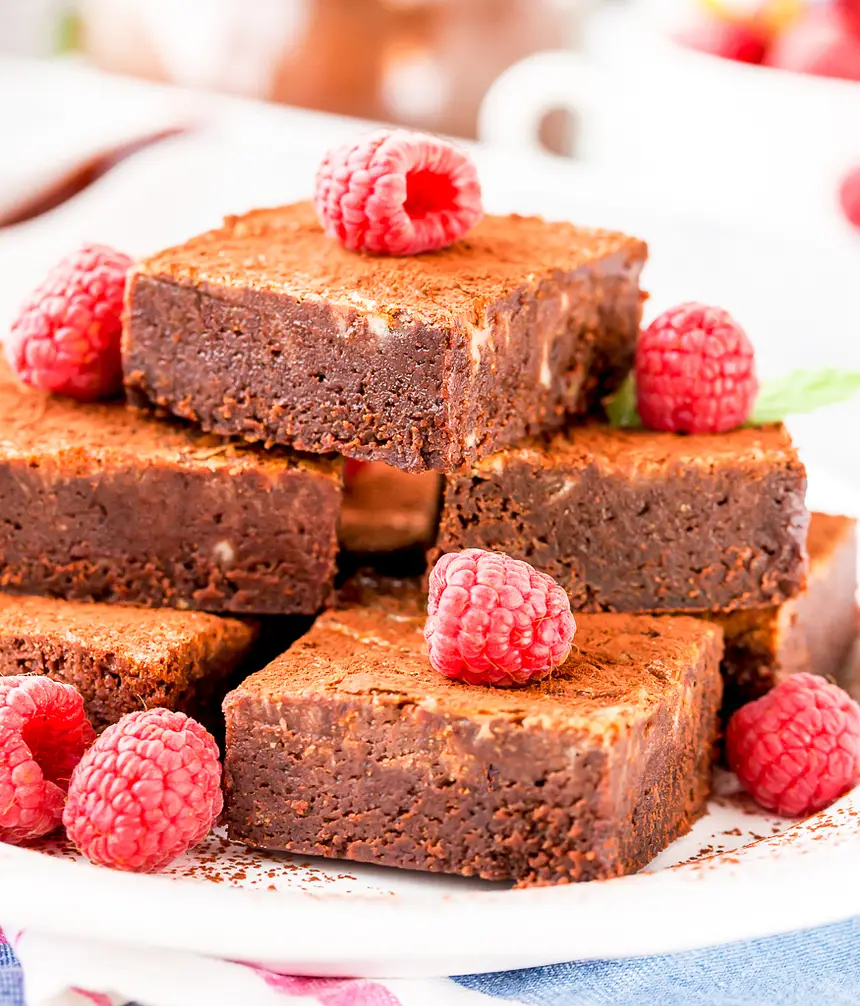
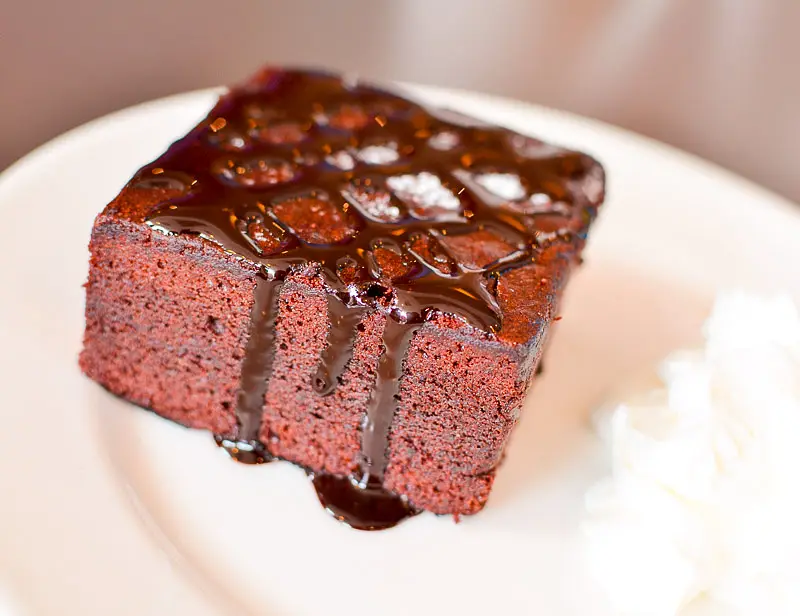
Quick fudgy brownies made with unsweetened chocolate and butter melted in the microwave, with optional marshmallow chocolate frosting. The classic from-scratch fudgy brownie in one bowl.
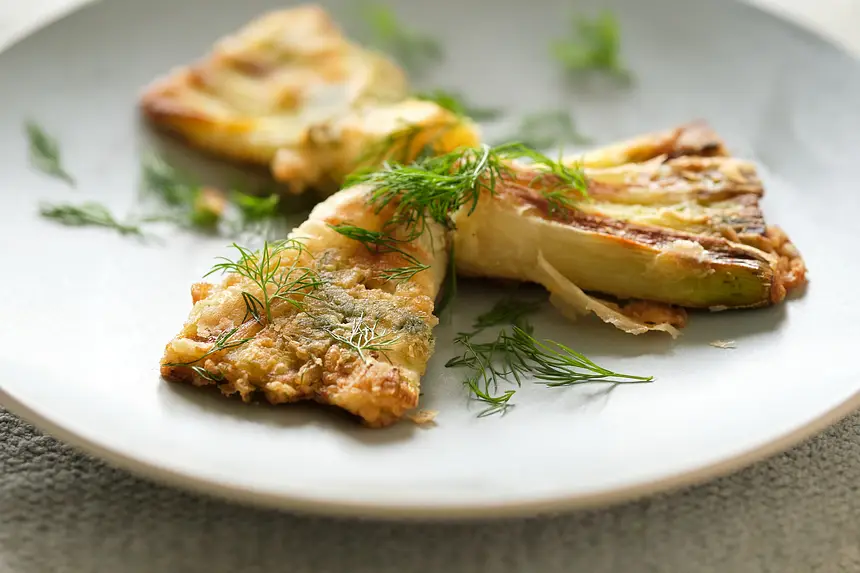
An elegant and sophisticated appetizer that will impress your dinner guests and is ready in just 20 minutes. The leeks are trimmed, steamed, battered, and fried to a beautiful golden brown. The addition of tarragon and parsley adds a subtle yet delicious flavor to the dish. The result is a crispy and flavorful appetizer or side dish that is certain to wow your guests.
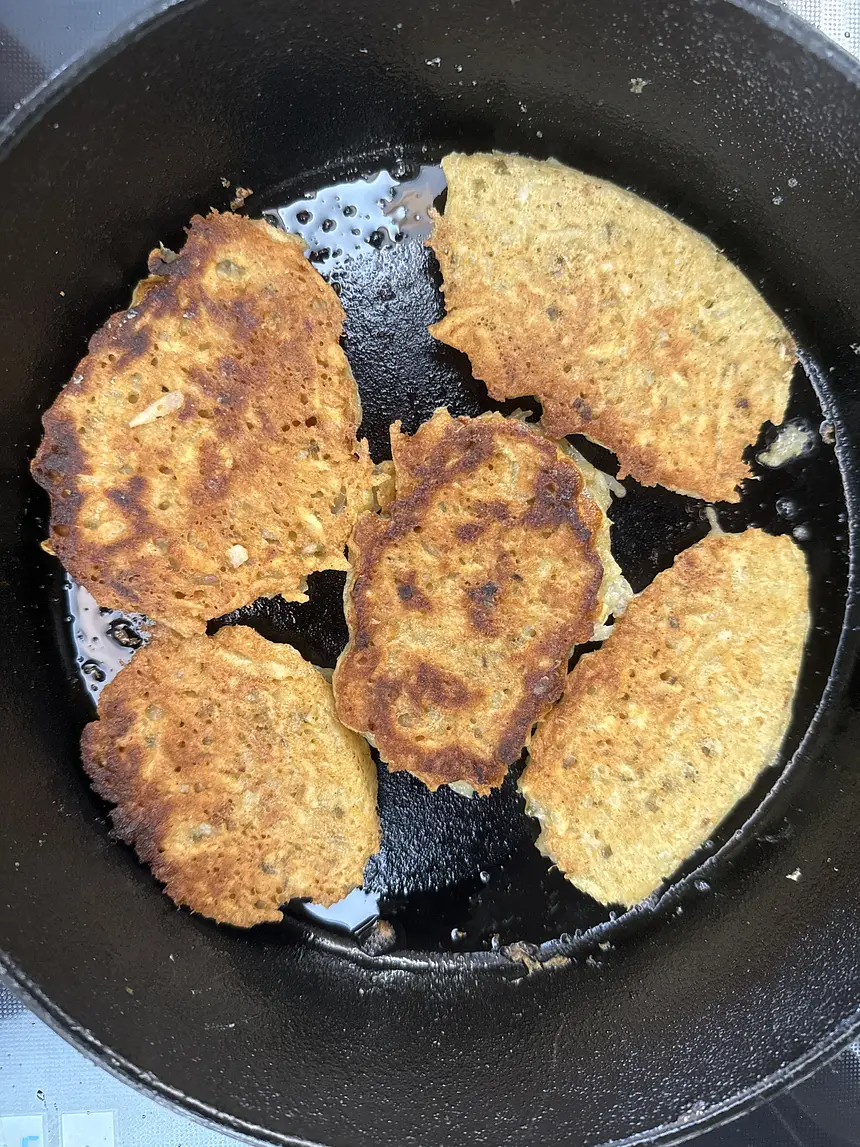
Crispy-edged potato pancakes made from grated raw potatoes with just eggs, onion, and matzo meal. Serve hot with applesauce or sour cream for a classic bite.
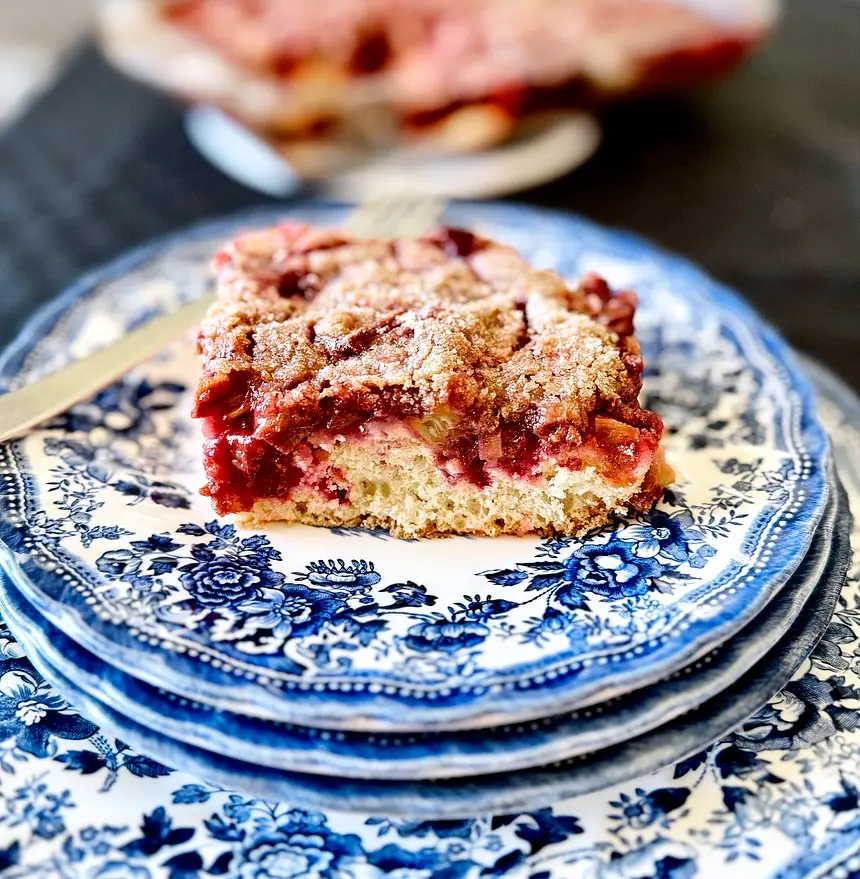
A soft cake bottom, with a fruit filled middle topped with a tantalizing cinnamon topping. Learning how to make Jello fruit cake that use any fruit you have on hand including summery rhubarb with strawberry gelatin.
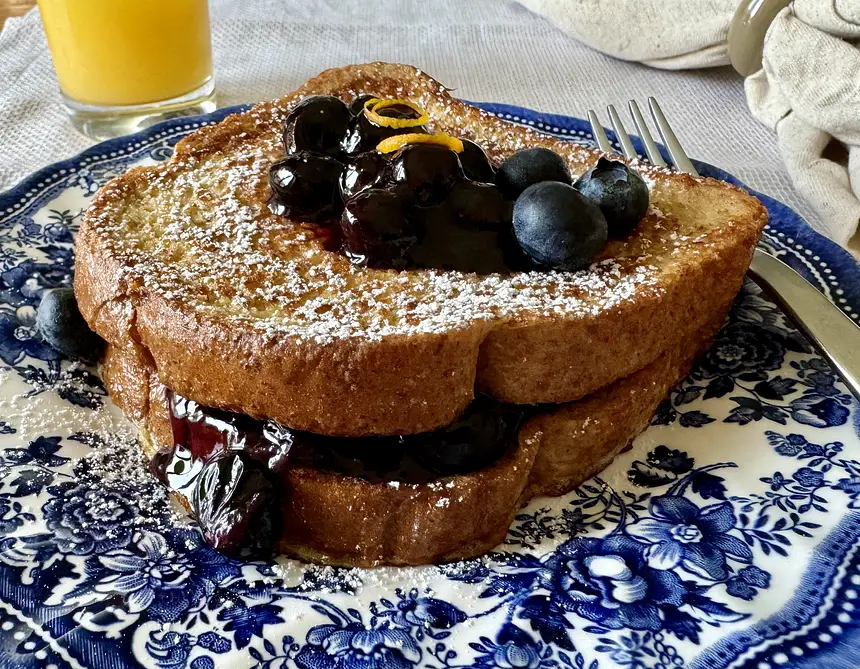
Golden French toast stuffed with warm blueberry-maple compote and dusted with powdered sugar. Make weekend brunch feel special with this sweet sandwich.
Peanut butter banana muffins with cinnamon, nutmeg, and a swirl of sour cream for extra-tender crumb. Elvis-inspired snack muffins, freezer-friendly, ready in under an hour.
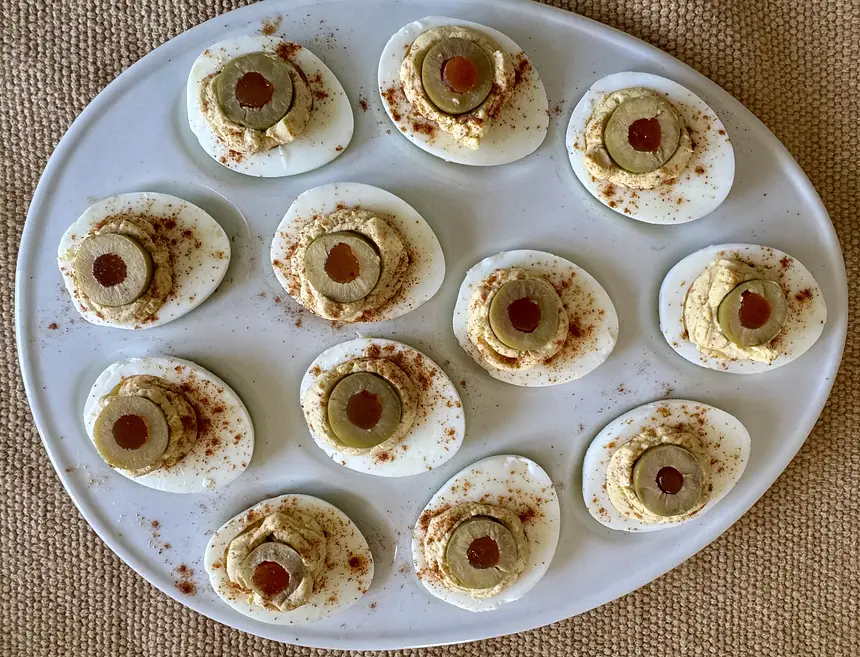
Savor the creamy, tangy, and slightly spicy flavors of these Cajun-inspired deviled eggs. Perfect as an appetizer or party snack, this easy recipe combines smooth egg yolks with Dijon mustard, light mayonnaise, and a kick of Cajun seasoning, topped with pimento-stuffed green olives for a briny finish.
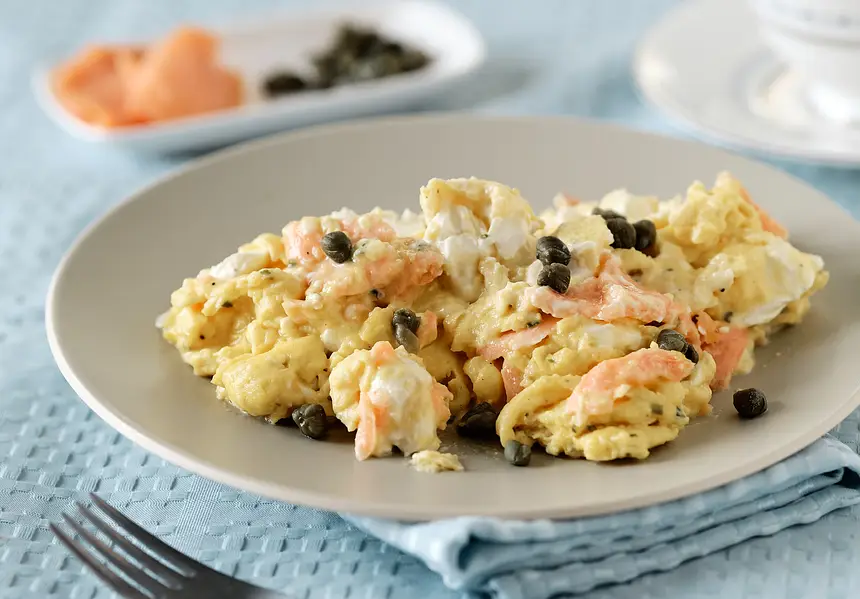
A low-carb version of Lox (smoked salmon) and cream cheese that uses scrambled eggs to replace the classic bagel. Rich, creamy, and delicious, it is perfect for celebrating National Cream Cheese and Lox Day or anytime for an impressive Brunch or breakfast offering.
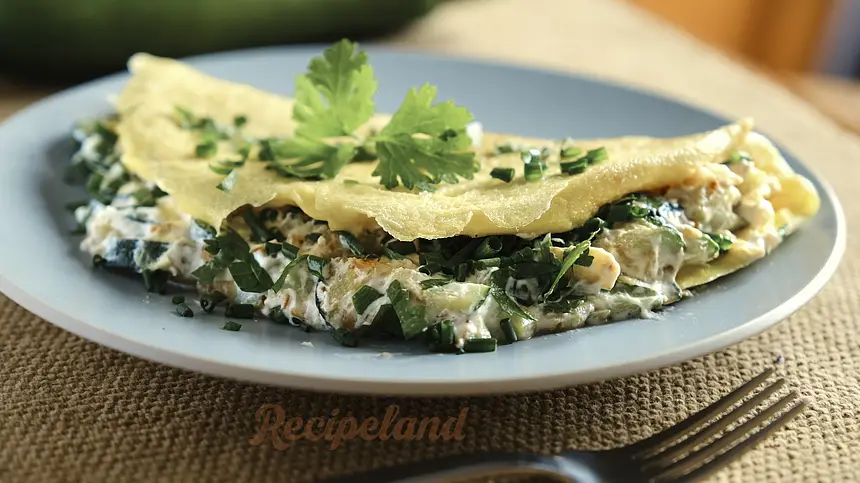
Eggs & zucchini creamily enveloped by warm and creamy tangy goat cheese and sweet caramelized onion mixture. When you've got zucchini overload and aren't sure what to do, this is my go-to recipe that feeds the need.
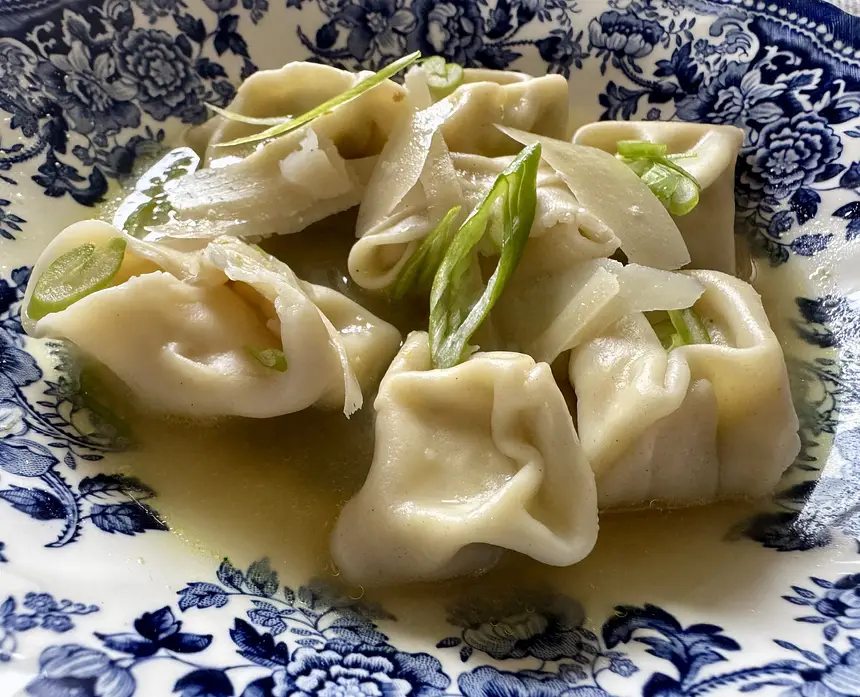
Learn to make homemade tortellini with creamy goat cheese and scallion filling, served in savory chicken broth. Simple sophistication in a bowl. This comforting dish features tender homemade tortellini filled with goat cheese and fresh scallions, served in a warm, flavorful chicken broth. Perfect for a cozy dinner, it combines delicate pasta with a rich, savory filling, finished with a sprinkle of Parmesan and scallions.
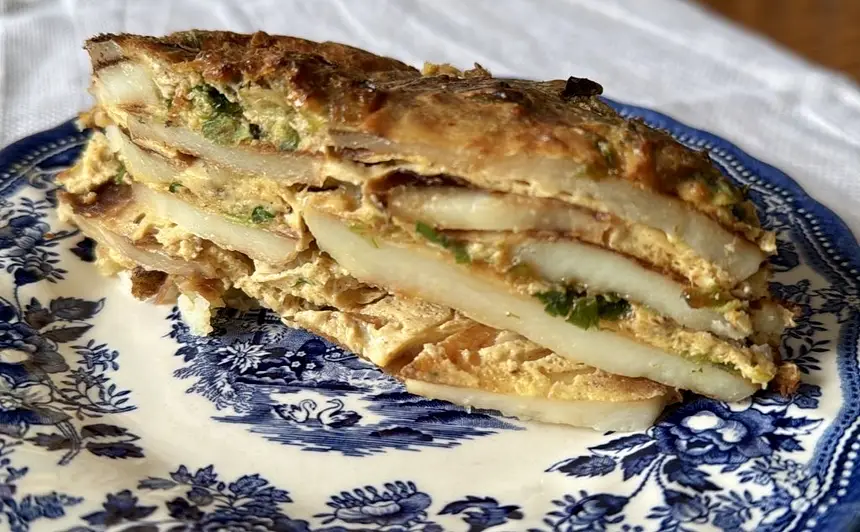
A comforting and savory dish featuring layers of golden-brown potatoes and tender scallions, bound together with a creamy yogurt-egg sauce and baked to perfection. Ideal as a hearty side or a light main course.
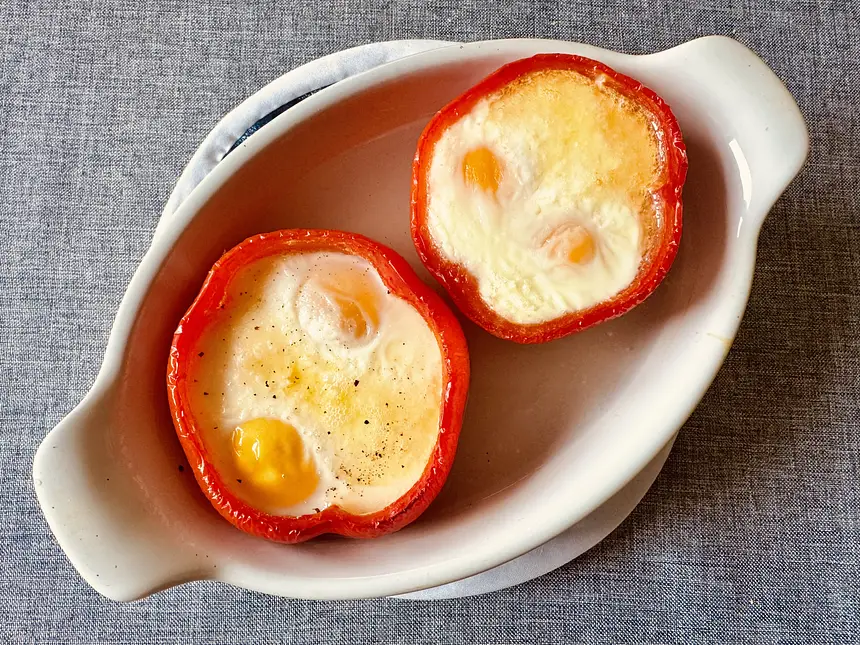
Eggs, simply baked in sweet red bell pepper served with tomato sauce. Just 3 ingredients create a delightfully creative breakfast or brunch that even kids like.
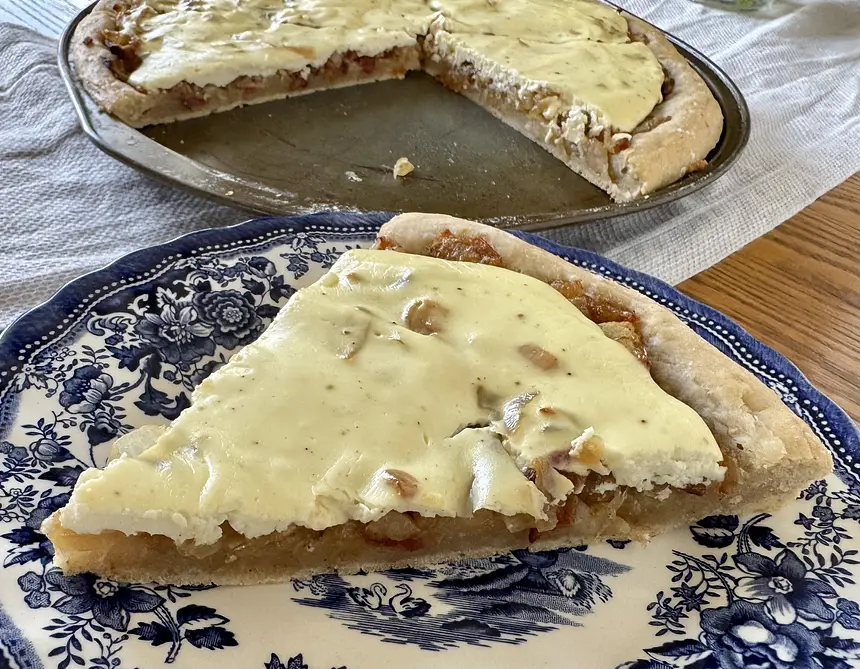
A savory German onion pie featuring a yeasted crust topped with caramelized onions, crispy bacon, and a creamy sour cream custard. Perfect as an appetizer or main dish, especially during autumn or Oktoberfest celebrations.
Craving a breakfast treat that's hearty, cheesy, and not overly sweet. These kale and cheese scones are your new best friend. Inspired by the cozy vibes of an American bakery, we've packed them with tender kale, sharp cheddar, nutty Parmessan, and a hint of plump raisins for a subtle sweetness that balances the savory kick. A generous grind of black pepper adds a spicy edge, making these perfect for brunch, snacks, or even alongside soup.
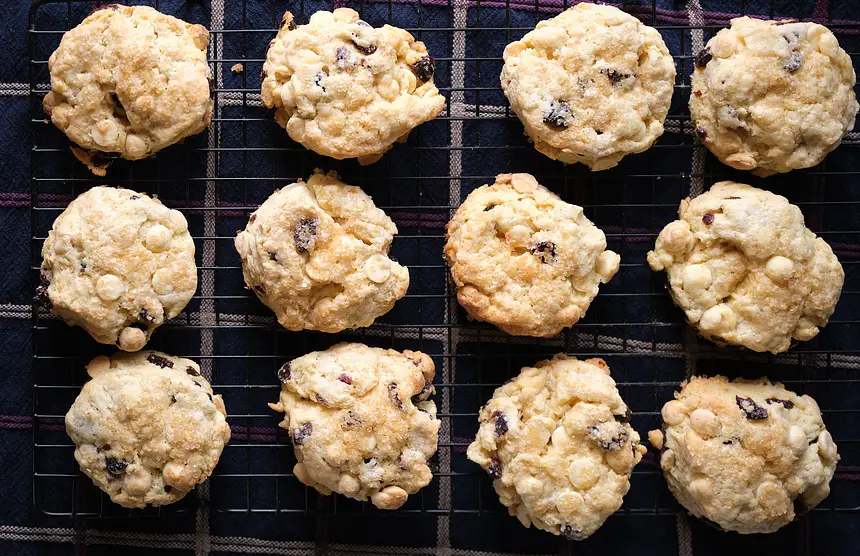
White chocolate scones with heavy cream, cold butter, and generous chunks of white chocolate that go soft and creamy in the oven. Flaky, layered, and tender from keeping the butter cold.
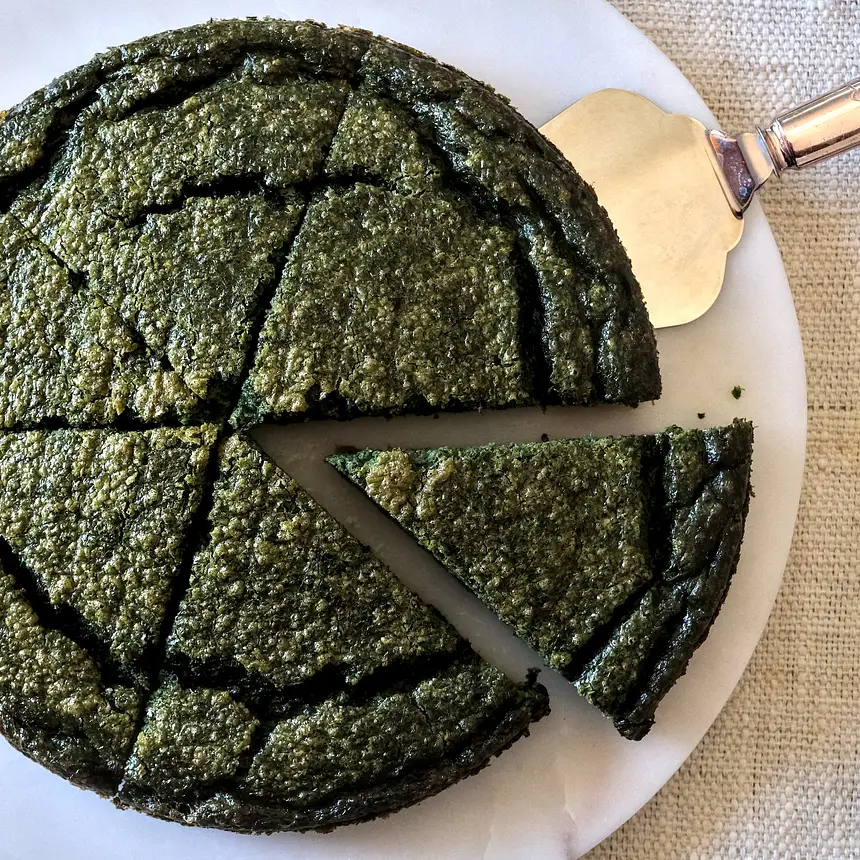
Get ready to whip up a vibrant, herb-packed dish that’s bursting with flavor and perfect for any meal of the day! This Persian-inspired frittata is a fresh twist on the classic omelet, blending tender Swiss chard, fragrant dill, and zesty scallions into a fluffy, golden masterpiece. Baked to perfection, it’s easy to make and even easier to love. Serve it with warm flatbread, a sprinkle of feta, or a side of crisp veggies for a delightful meal. Let’s dive into this green goodness!
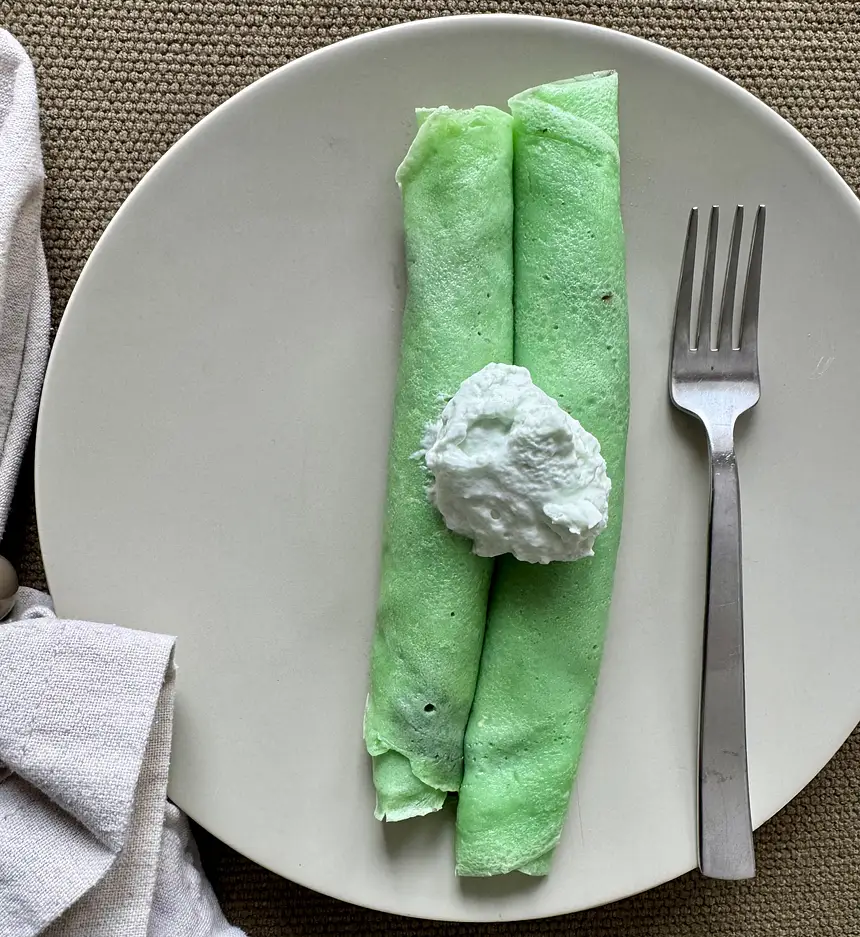
Festive green crepes for St. Patrick's Day celebrations with delicate texture and shamrock color. Fill with sweet or savory for Irish-themed breakfast or dessert.
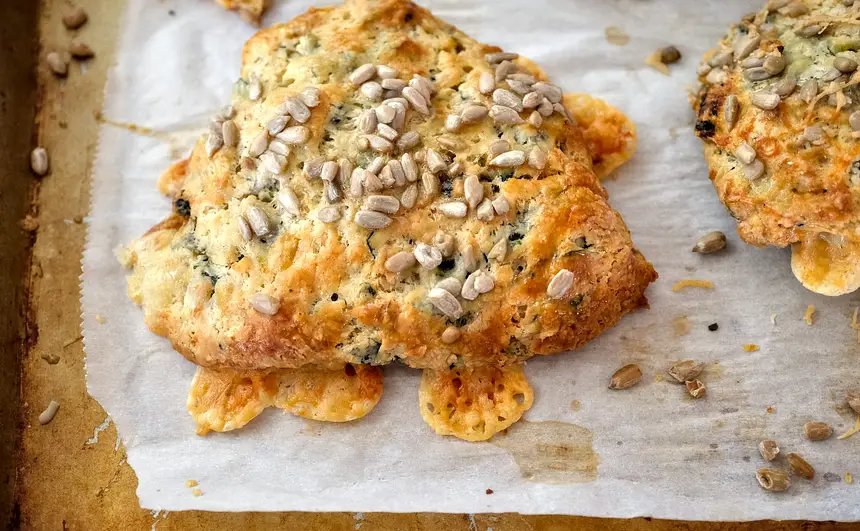
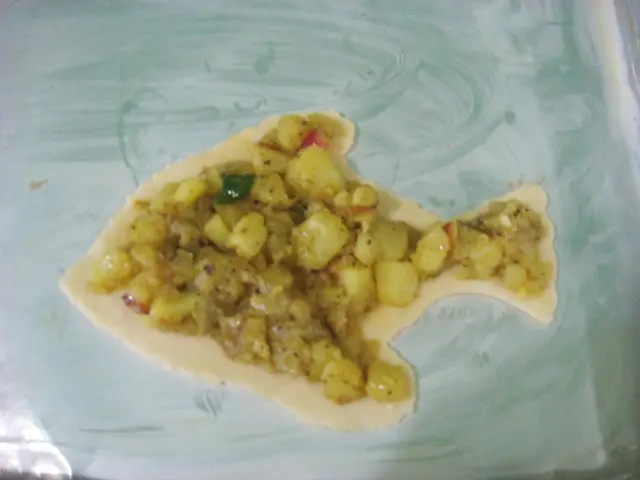
Fish-shaped salmon pastries: buttery shortcrust hand pies cut into fish, filled with smoked salmon, potato, and onion, then decorated with pastry scales and baked golden. A playful, savory party appetizer kids love.
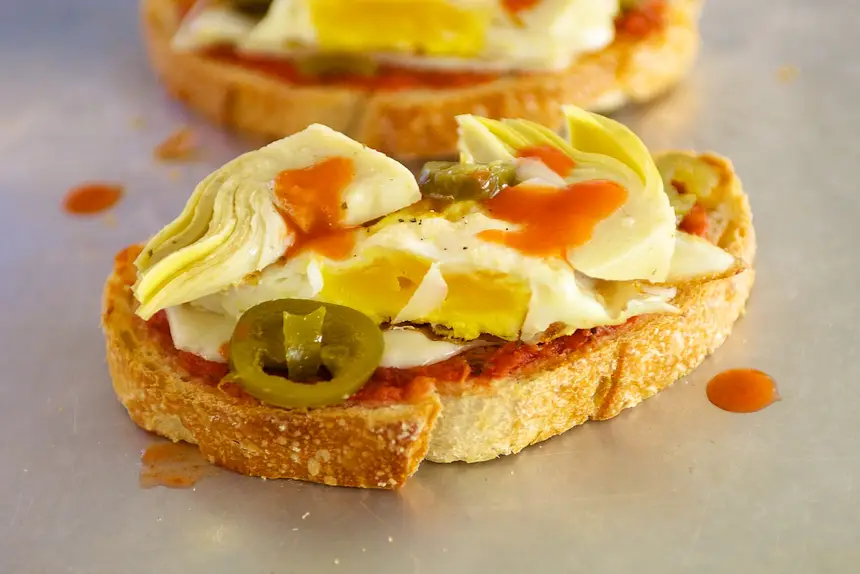
Spread some pizza sauce over a few slices of toast, arrange a few marinated artichoke hearts and half fried egg over each toast. Drizzle a bit hot sauce on top. A quick, easy and tasty crostini is ready within 10 minutes.
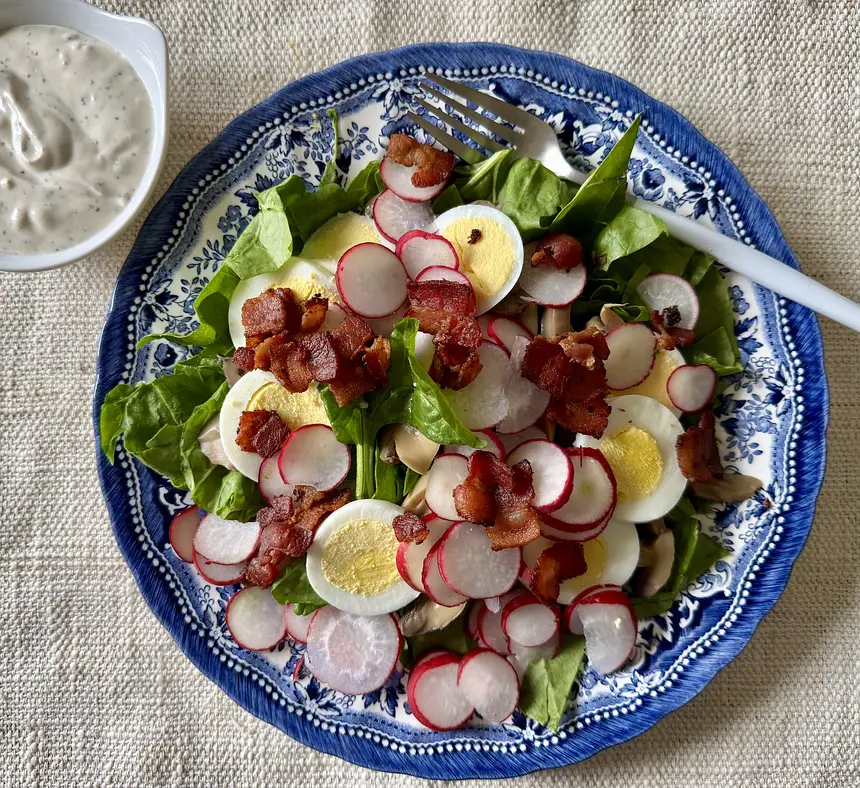
A vibrant, nutrient-packed salad featuring fresh spinach, crispy bacon, tender hard-boiled eggs, and peppery radishes, all tossed in a creamy garlic-cheese dressing with a zesty lemon kick. Perfect as a hearty side or light main dish
Birthday are always happening year round.There are many items that you can give as gifts.But homemade gift is very special.It is tasty and nutritious gift for a kids party.
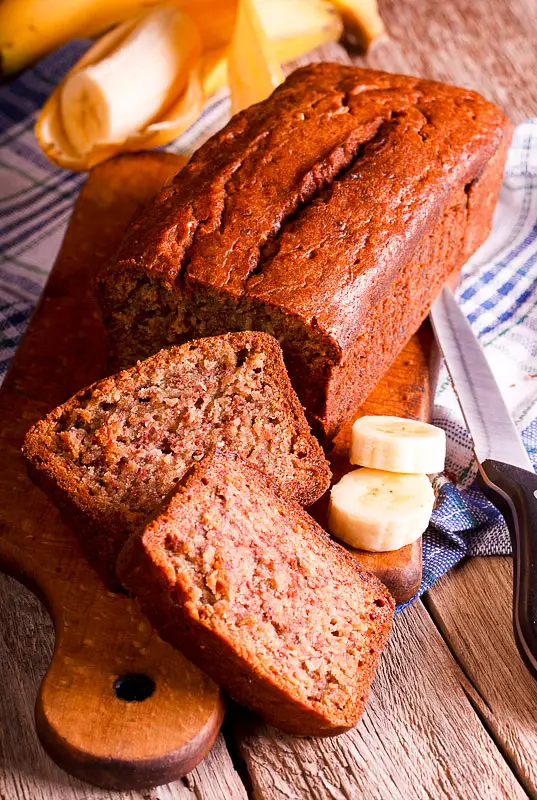
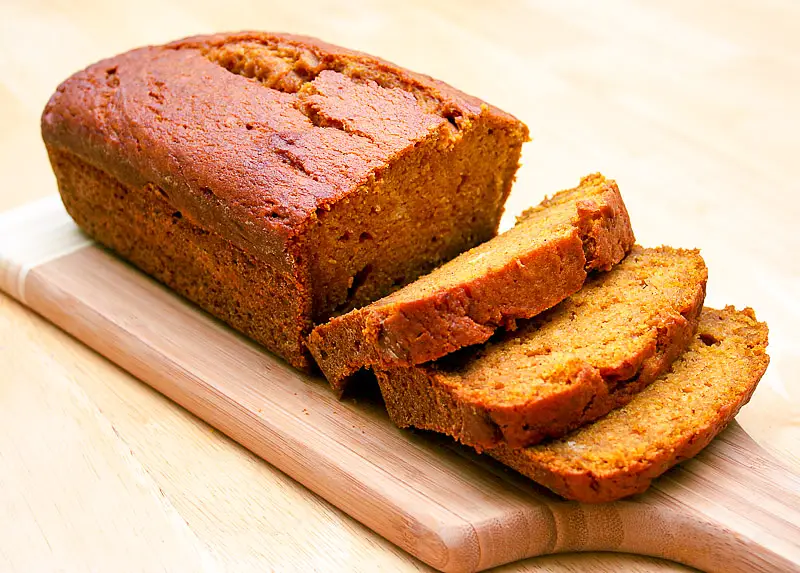
Cream cheese banana nut bread doctors a quick bread mix with cream cheese for an extra-rich, dense loaf studded with pecans. A 6-ingredient shortcut that tastes anything but quick.
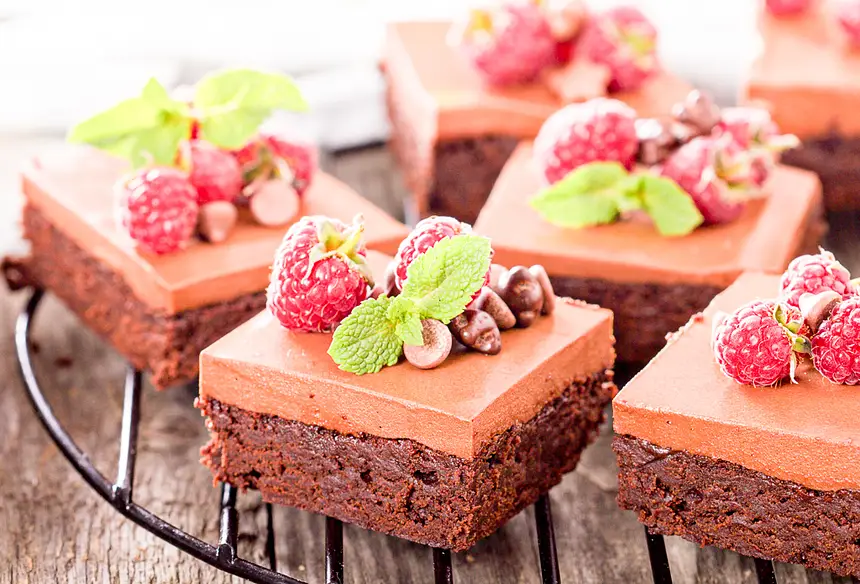
Frosted rich brownies: low-fat brownies built on evaporated and powdered skim milk instead of butter, then crowned with a coffee-spiked cocoa frosting. Deeply chocolate without the heaviness.
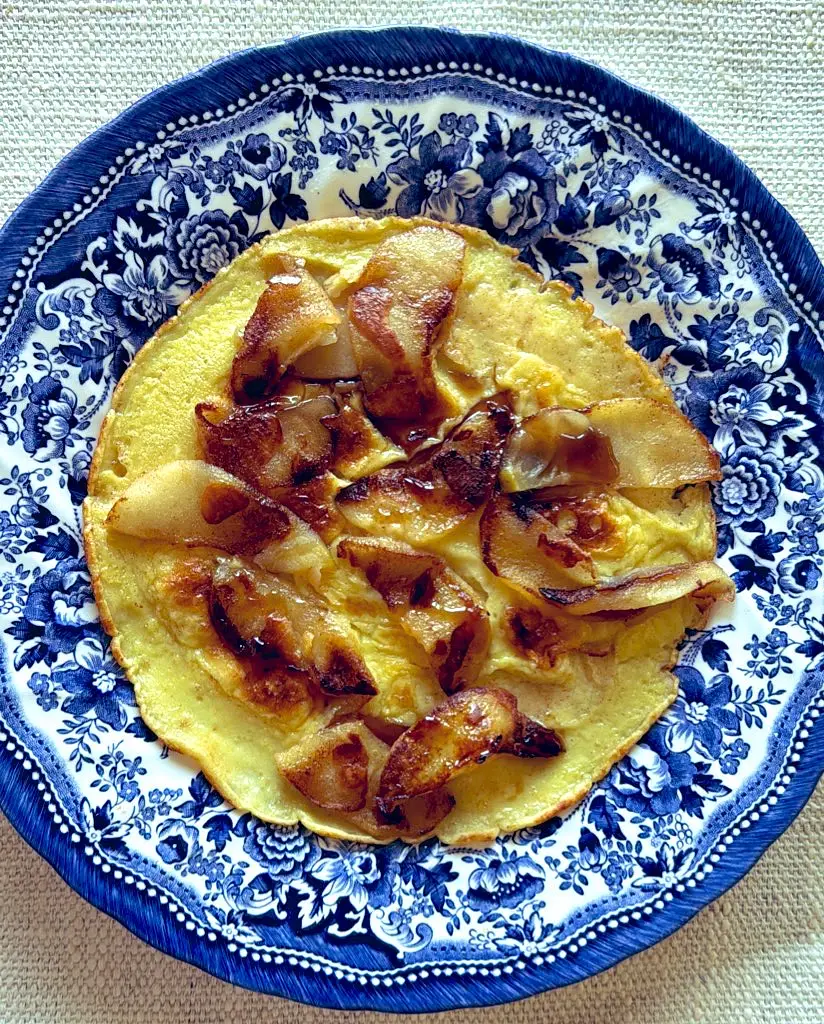
Whole wheat apple pancakes blend half whole-wheat and half white flour with milk, eggs, and grated fresh apples for a hearty, fiber-rich breakfast pancake. Ready in 20 minutes.
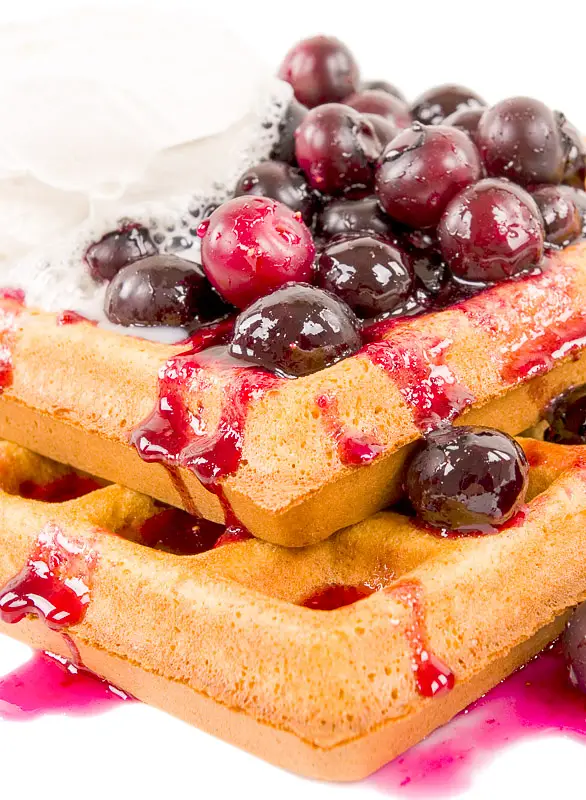
Buttermilk waffles with chopped cashews folded into the batter and a quick fresh blueberry compote spooned over top. Light, crisp, and ready for weekend brunch in under 25 minutes.
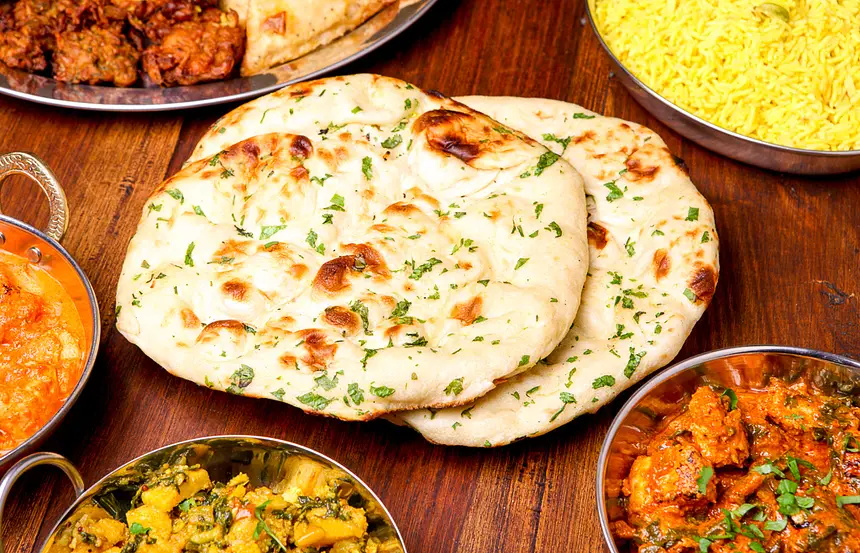
Quick naan skips the yeast in favor of baking powder and soda for a faster, eggy Indian flatbread shaped into teardrops and baked hot. Soft, pliable, ready for any curry.
Chewy cocoa brownies made from scratch with a sugar substitute, so they're lower in sugar but still rich, fudgy, and chocolatey. A simple one-bowl brownie built on cocoa powder, no melting.
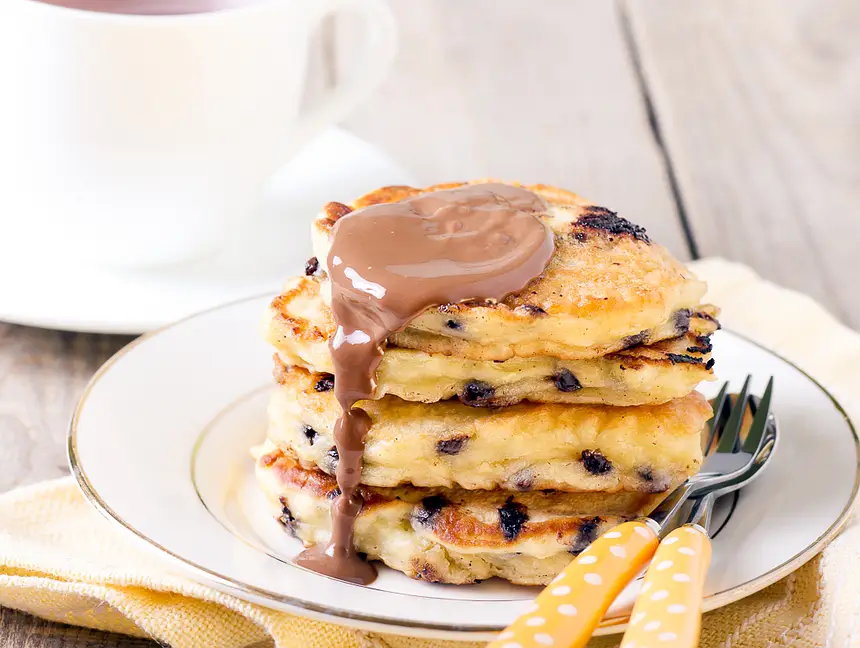
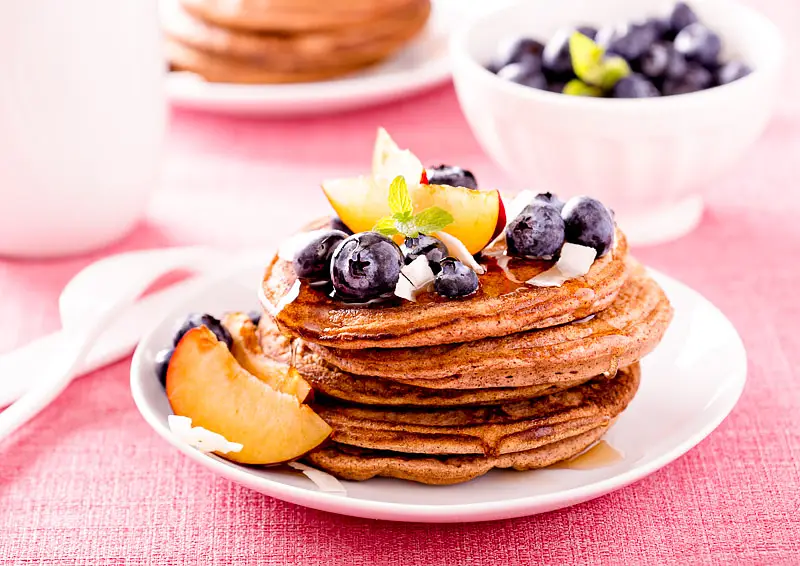
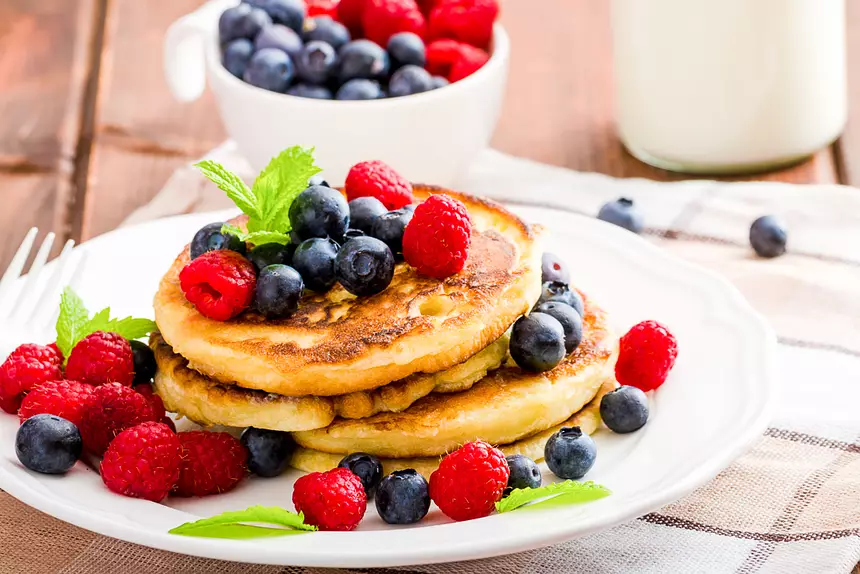
Fluffy homemade pancakes with golden-brown edges and tender centers, ready in just 15 minutes. Simple pantry staples transform into a weekend breakfast tradition kids will request every Saturday morning.
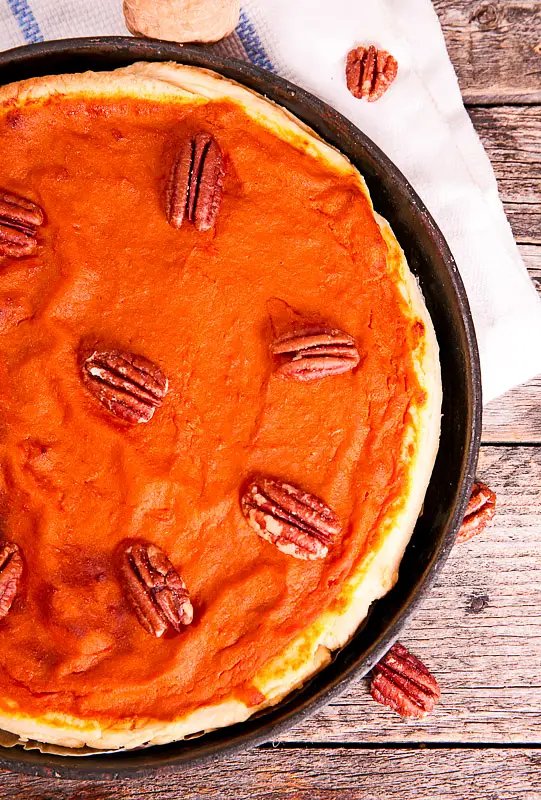
Pumpkin pie with a gingersnap crumb crust, dark rum, heavy cream, and freshly grated nutmeg. The double-boiler trick warms the filling before baking for a smoother, less weepy custard.
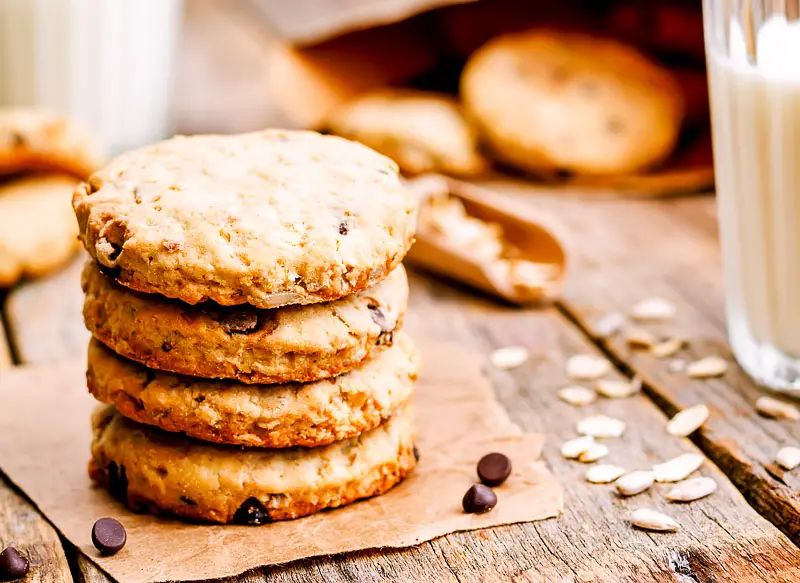
Chocolate chip cookies made with butter and shortening for soft centers and crisp golden edges. Loaded with semi-sweet chips and chopped nuts. Big-batch classic.
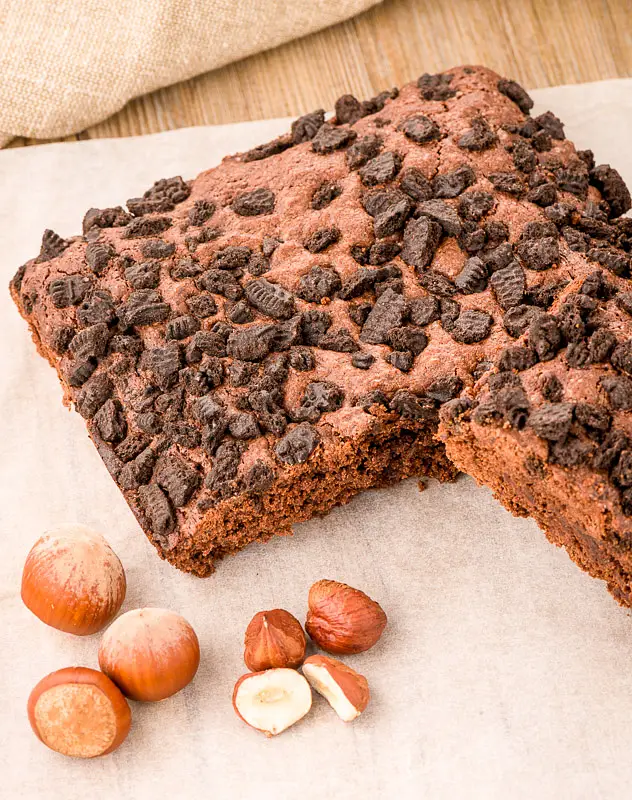
Moist mint brownies: dense fudgy chocolate brownies made with mint-flavored chocolate chips and topped with crumbled chocolate cookies. Sixteen squares of mint-chocolate cookie heaven.
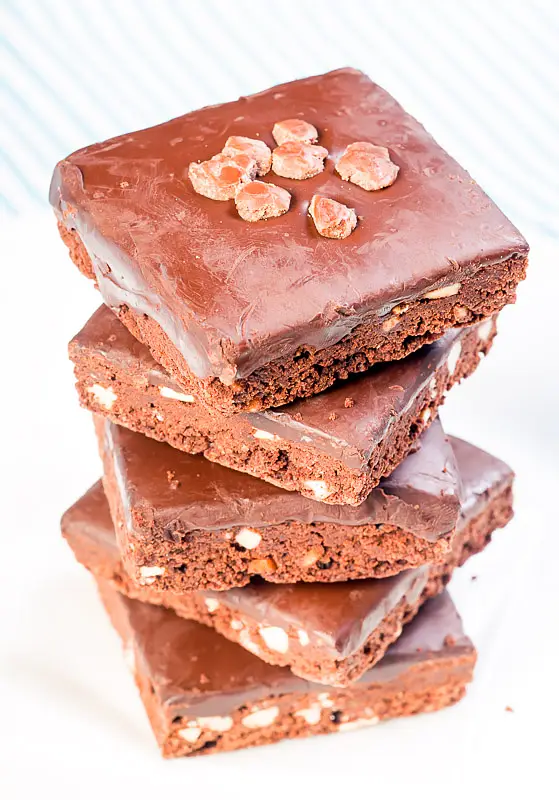
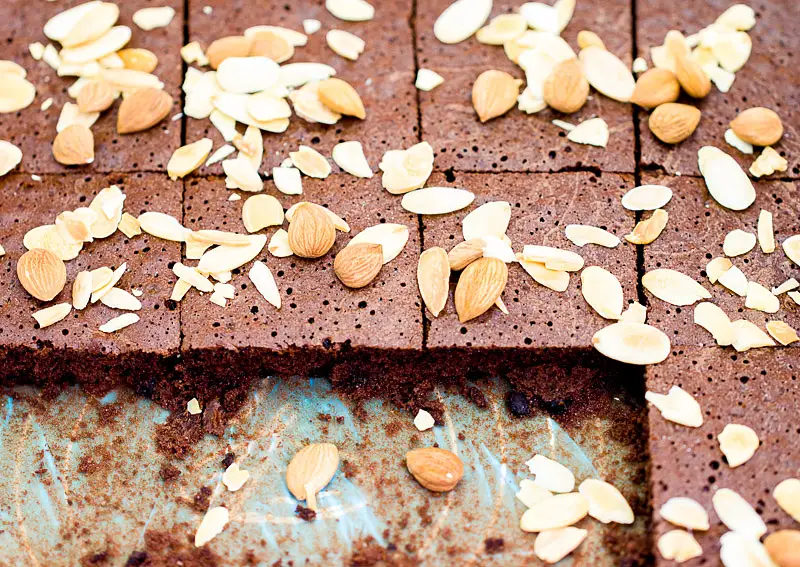
Fudgy chocolate brownies loaded with two kinds of chocolate chips and topped with toasted almonds. The saucepan method melts butter, sugar, and chocolate together for intense cocoa flavor.
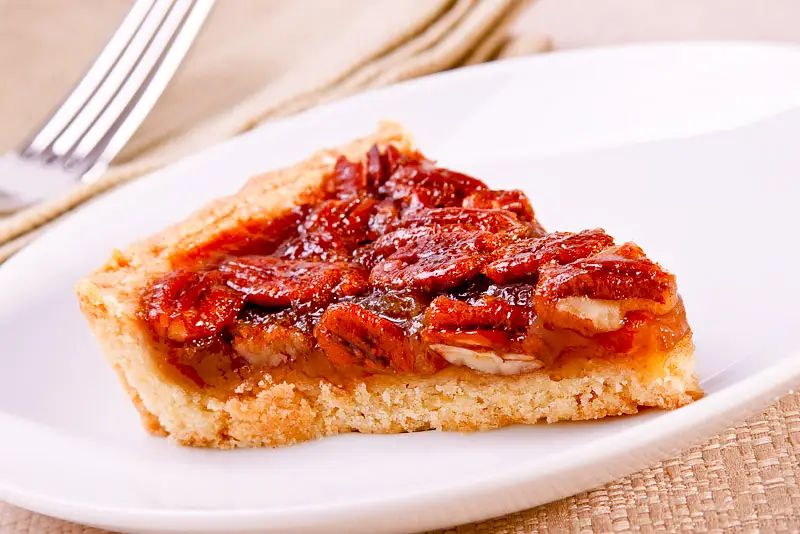
Streamlined pecan pie with just 6 ingredients and 5 minutes of prep. This minimalist version skips fussy steps but delivers classic gooey filling and crunchy pecans for stress-free holiday baking.
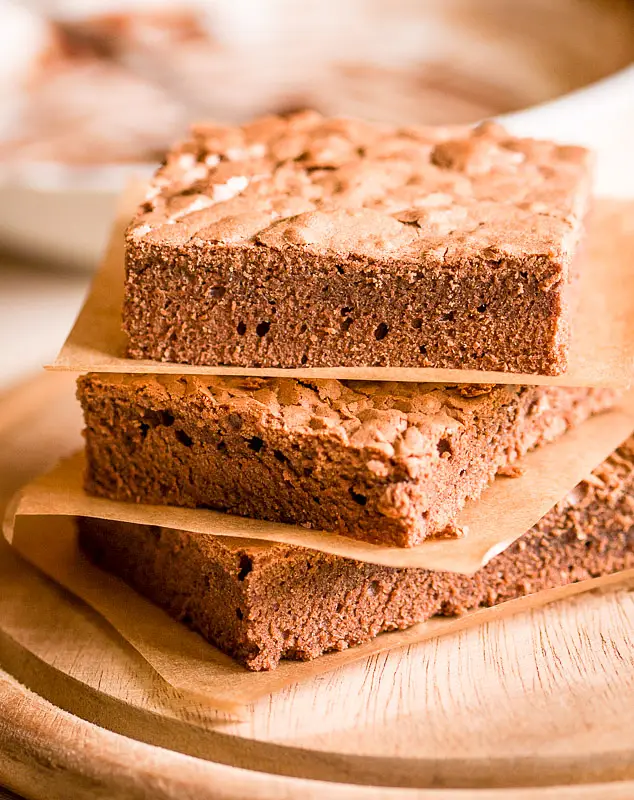
Fudgy chocolate brownies: dense, rich brownies built on six squares of unsweetened baking chocolate and real butter. The bake-sale champion that crackles on top and stays gooey inside.
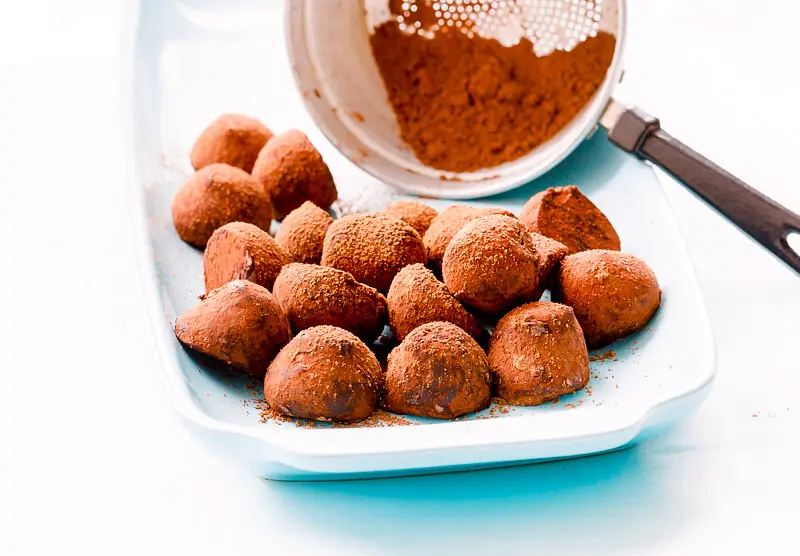
Silky chocolate truffles with semi-sweet chocolate, butter, and egg yolks rolled in cocoa powder. Five-ingredient French-style confection that turns pantry basics into an elegant gift.
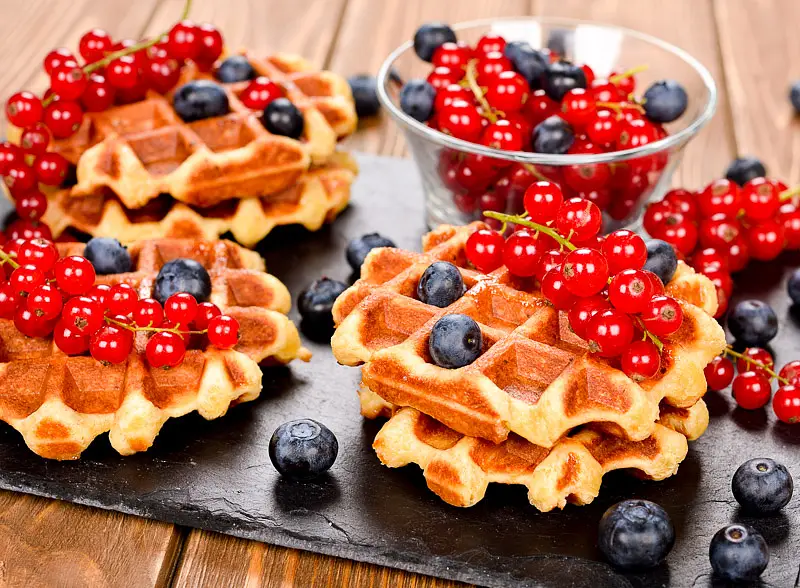
Whole wheat buttermilk waffles with wheat germ for extra nuttiness. Six simple ingredients, crisp outside and tender inside, perfect for fresh fruit and maple syrup.
Old-school sugar-free chocolate nut brownies sweetened with liquid artificial sweetener instead of sugar, made with unsweetened chocolate, butter, eggs, and chopped nuts. A low-carb take on a classic brownie.
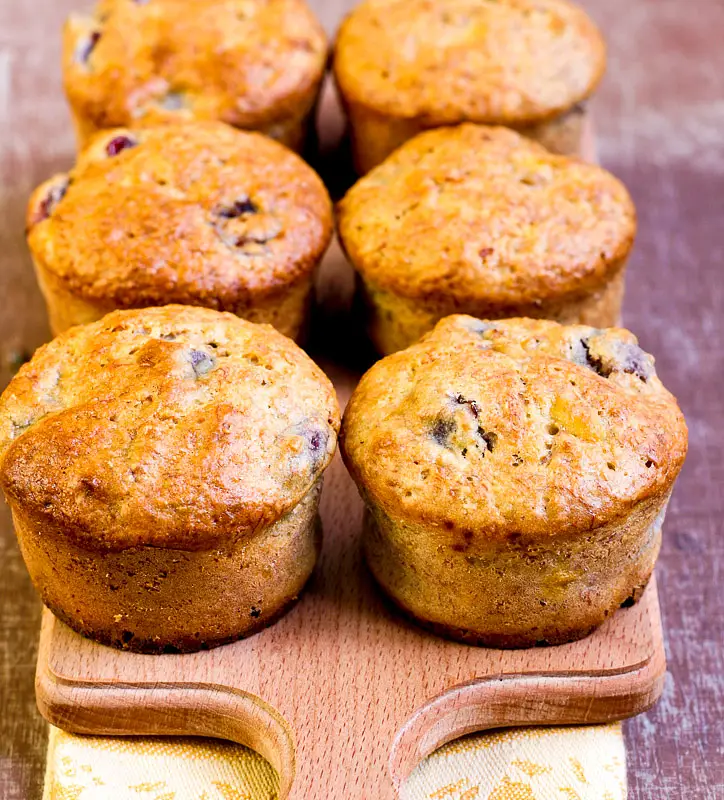
Blueberry muffins where half the berries get mashed into the batter for purple swirls and double the fruit flavor. Sugar-crusted tops, bakery-style domes.
Super easy pancakes from a baking mix, an egg, milk, and a touch of sugar, cooked golden and fluffy on a hot griddle. A fast, foolproof breakfast ready in minutes. Stack them with berries and maple syrup.
Classic buttermilk-style pancakes with crispy edges and a tender crumb. This foolproof recipe uses the well method for lump-free batter and yields six generous servings of diner-quality breakfast.