What Is White radish and How Can I Use It?
White radish is easier to cook with than it looks. Here's how to choose, use, and store it, what to substitute, and 13 recipes to get you started.
Key Points
- White radish is daikon: a long, mild root far gentler than the peppery red salad radish.
- Grate it raw as a relish, simmer it glassy in soups, or pickle it for crunch.
- Simmering daikon gives off a strong sulfur smell that does not carry into the dish.
- Closest swaps are Korean radish or watermelon radish; turnip works in cooked dishes.
- Wrapped in the crisper with tops removed, it stays crisp for one to two weeks.
What is white radish?
White radish is the long, pale, carrot-shaped root better known as daikon across most Asian cooking. It looks like a giant white carrot and runs anywhere from six inches to well over a foot long.
Bite it raw and it's crisp and juicy, with only a gentle pepperiness, far milder than the small red salad radish. The heat is a clean tingle that fades fast rather than the sharp bite of a red globe radish.
That mildness is the whole point. It lets the radish carry other flavors and turn sweet and translucent as it soaks up broth.
Cooking With Daikon
Peel the thin skin, then choose your treatment.
Grated raw, daikon becomes a cooling relish that cuts through fried or fatty food, the classic mound of grated radish beside Japanese grilled fish or tempura.
Simmering is where it really changes. Cut into thick chunks, it goes tender and almost glassy, absorbing whatever stock surrounds it. Spinach & Long White Radish Soup shows this off, and Long White Radish & Bear's Garlic Soup leans on the same soft, broth-soaked texture.
Pickling is the other big use. Thin slices or matchsticks take quickly to a sweet-tart brine, as in Gardiniere. A daikon-and-carrot pickle is also the bright crunch in a banh mi.
Shredded raw, it adds backbone to cold salads like Long White Radish & Arugula Salad and Chinese: Cold Shredded Vegetables with Chicke. It also grates into savory cakes and stands up to braising with meat, as in Minced Meat Cutlets with White Radish & Sesame.
Pairing and the Smell
Daikon has a real affinity for soy, ginger, sesame, rice vinegar, and oily fish. A spoonful of grated daikon with a splash of soy is a standing condiment for good reason: its faint peppery edge resets your palate between rich bites.
One thing to expect. When daikon simmers, it gives off a sulfurous, slightly cabbagey smell that can fill the kitchen.
This is normal and not a sign anything is wrong. Adding a piece of kombu or a little rice to the cooking water mellows the odor, and the smell does not carry into the finished dish, which tastes clean and sweet.
Don't overcook it to mush, though. Pull it while the chunks still hold their shape, since collapsed daikon turns watery and loses its appeal.
Substitutes
For raw crunch and mild heat, red radishes work, but use more of them and expect a sharper bite and pink color. Watermelon radish or Korean radish (mu) are closer matches, mu being a touch denser and sweeter.
In simmered dishes, peeled turnip is the best stand-in for the soft, broth-soaking texture, though it brings a faint bitterness daikon lacks. For pickles, kohlrabi or even jicama gives you the snap, if not the exact flavor.
Buying and Storing
Look for a root that feels heavy and firm with smooth, taut skin and no soft or shriveled spots. If the leafy tops are still attached, fresh green leaves are a good freshness sign, but twist them off before storing since they pull moisture from the root.
Wrap the radish in a paper towel, slip it into a plastic bag, and keep it in the crisper drawer, where it stays crisp for one to two weeks.
A radish that has gone limp or spongy is past its best and will taste woody and bitter rather than juicy.
Quick facts
- In Chinese
- 白萝卜
- British (UK) term
- White radish
- en français
- radis blanc
- en español
- rábano blanco
Recipes using white radish
There are 13 recipes that contain this ingredient.
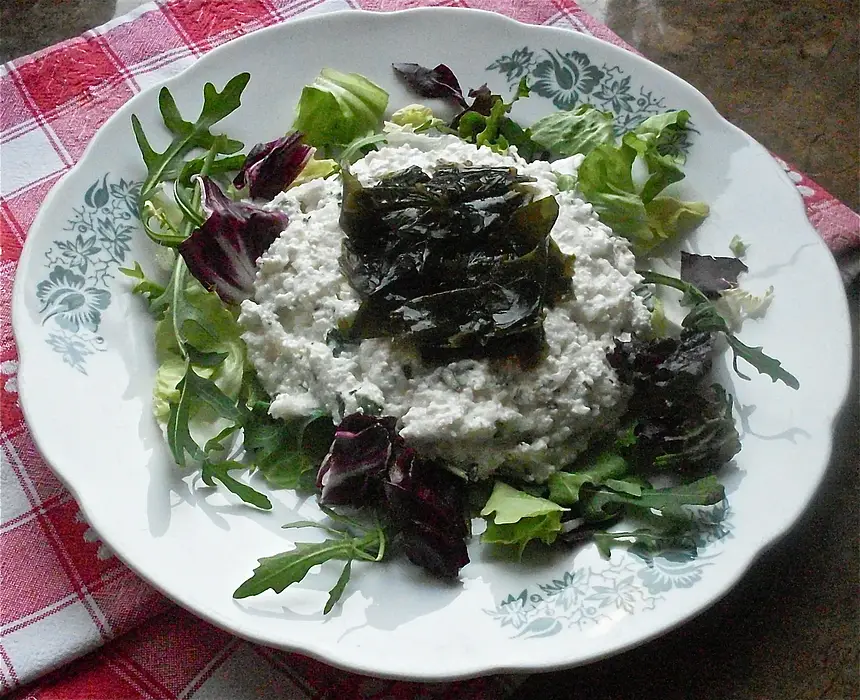
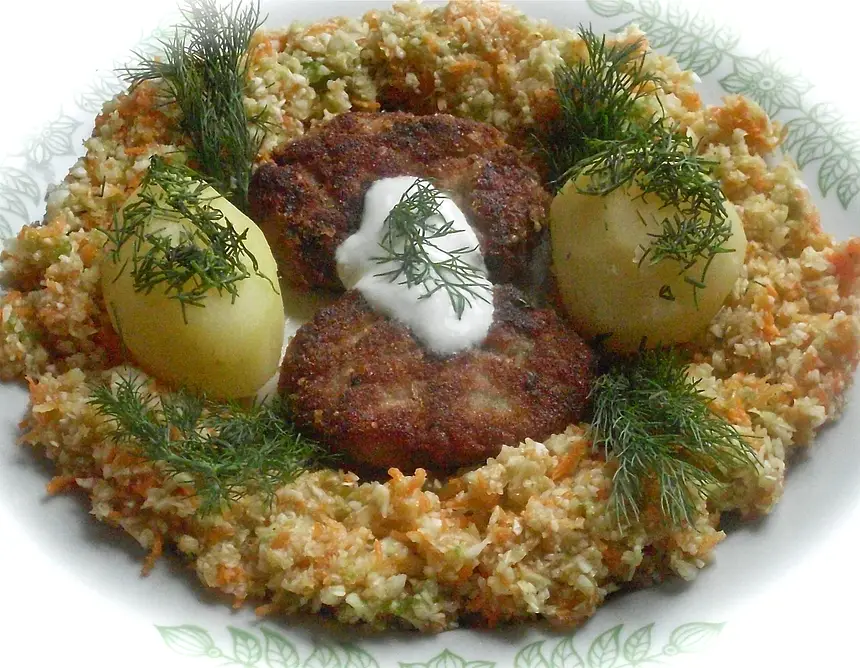
Minced Meat Cutlets with White Radish & Sesame


Polish-style fried meatballs or hamburgers literally called ground cutlets (pol. kotlety mielone). My latest rendition contains white radish, sesame seeds, and cilantro leaves. It is far away from home, but I think it's healthy to travel from time to time. My cutlets are served with potatoes, yoghurt, dill, and Bayou Carlin coleslaw. The salad recipe is taken from RecipeLand. Quick and easy dinner to prepare.
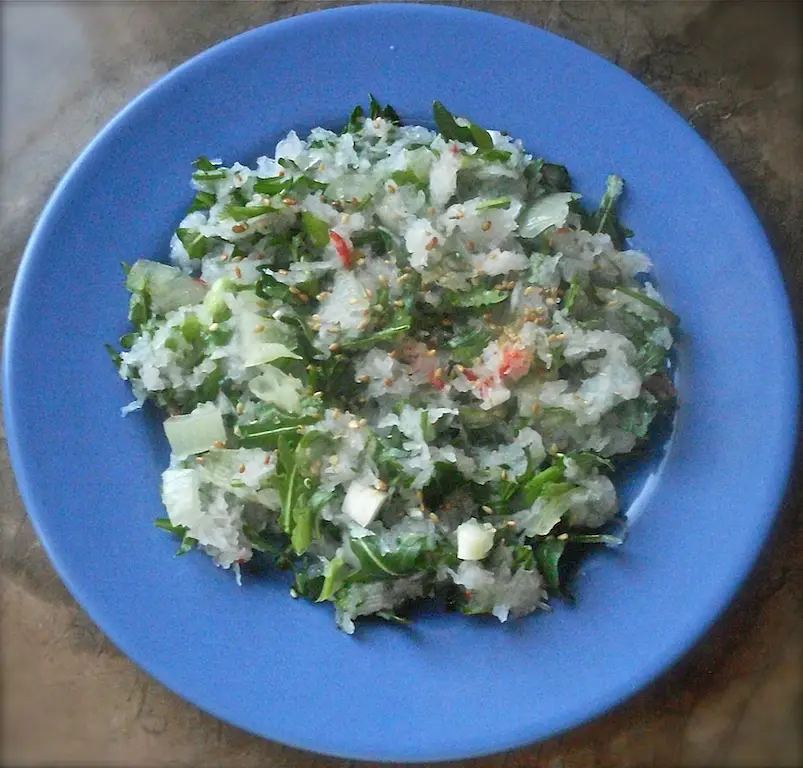
Long White Radish & Arugula Salad
Long white radish and arugula salad: crisp, peppery daikon and arugula tossed with scallion in a bright oil-and-citrus dressing, finished with toasted sesame. A sharp, refreshing side.
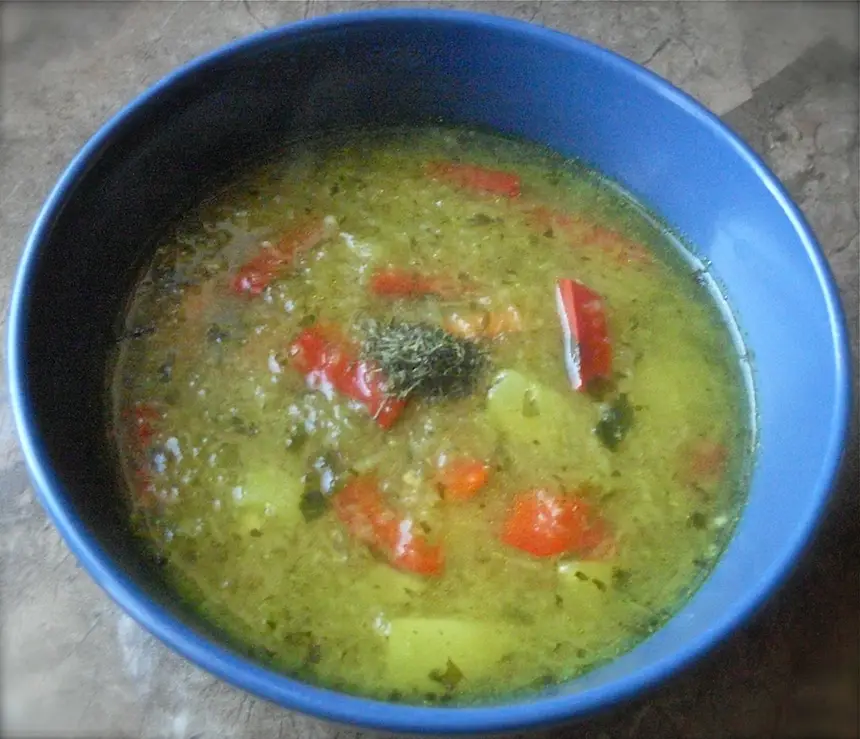
Long White Radish & Bear's Garlic Soup
untypical spicy flavor which you like more and more when tasting..
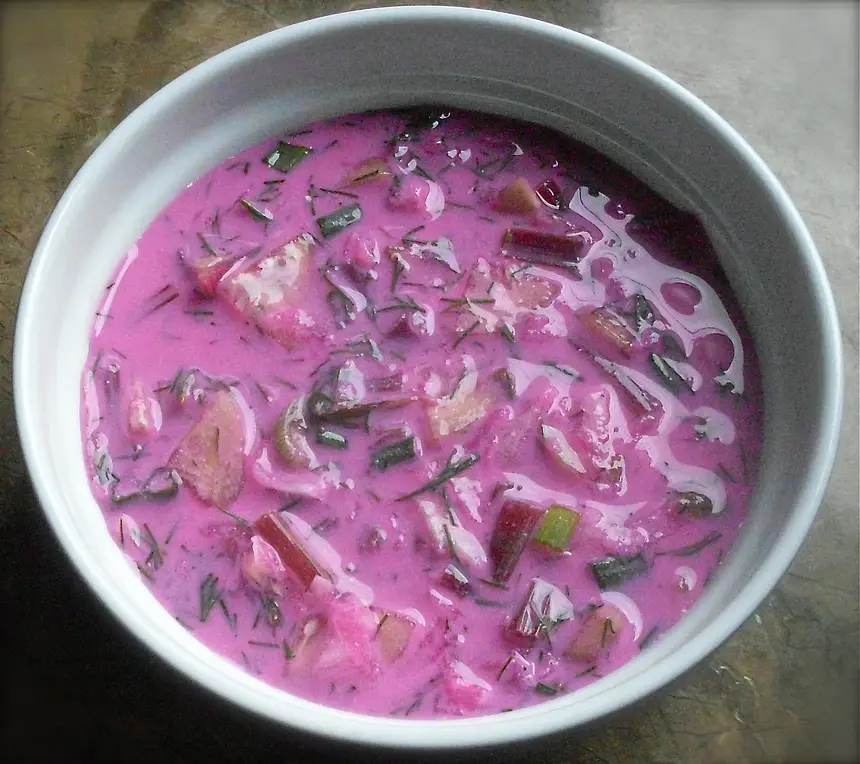
Chilled Vegetable Soup
great dish when it is hot outside and/or inside.. sometimes a main dish with separately served potatoes, often with meat or sausages.. I like to serve it as a side dish to grilled food.. similar to Lithuanian chilled beat soup, which is fantastic, however they add a lot of cream, hard boiled eggs and do not add radish rather..
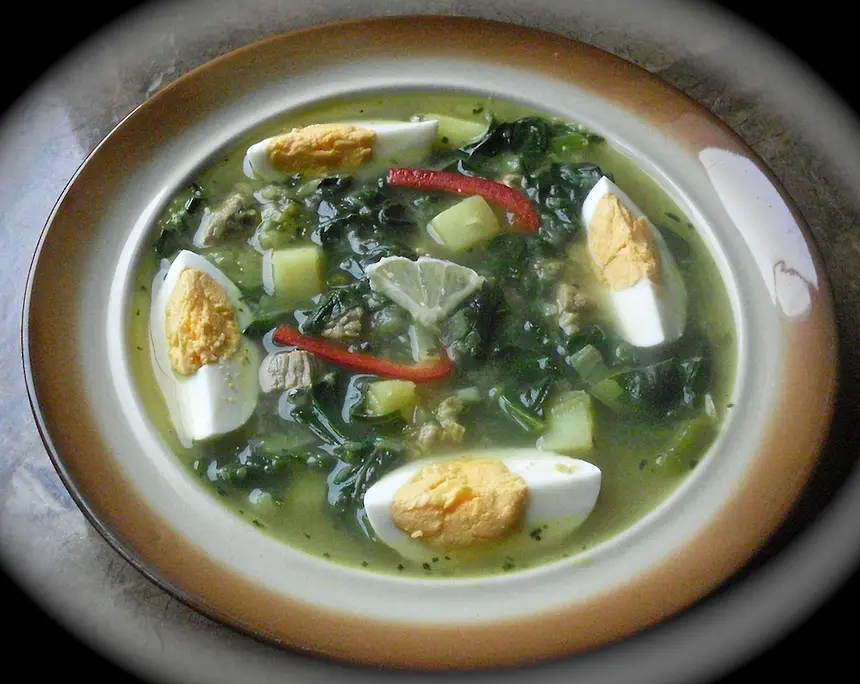
Spinach & Long White Radish Soup
Spinach and long white radish soup: a clear beef broth scented with juniper and tarragon, loaded with daikon, potato, and spinach, brightened with lemon and turmeric. An unusual, fresh spring bowl.

Kwitiaow Phad Thai (Thai-Fried Noodles & Sauce)
Authentic Pad Thai with rice noodles, prawns, tofu, eggs, tamarind-palm sugar sauce, bean sprouts, and peanuts. Served with traditional condiment saucers.

Orange & Radish Salad
Moroccan orange and radish salad with peppery white radish, navel orange, and a touch of orange flower water. Fresh, peppery and bright with no cooking needed.
Loaded Vegetable Stew with Dolma
Loaded vegetable stew with dolma simmers fish-and-rice dumplings in a paprika, cumin, and turmeric-spiced broth with carrot, daikon, tomato, and zucchini. A Persian-leaning seafood stew you eat with a spoon.
Cold Shredded Vegetables with Chicken
Stunning Chinese shredded vegetable and chicken platter with wood ear fungus, egg strips, and a ginger-mustard sesame dressing. A composed cold salad that looks as spectacular as it tastes.
Spicy Bulgur Salad
Spicy bulgur salad with fresh tomatoes, fennel, radishes, herbs, and romaine in a cumin-cinnamon-cayenne lemon dressing. A tabbouleh-style dish with warm Middle Eastern spice.
Chinese: Cold Shredded Vegetables with Chicke
A stunning cold Chinese platter of shredded vegetables, wood ear fungus, egg strips, and hand-pulled chicken, layered and dressed in a mustard-ginger-sesame-Chinkiang vinegar sauce. A showpiece salad for special occasions.

Gardiniere
Italian giardiniera pickled vegetables with red peppers, cauliflower, wax beans, squash, radish, carrots, and onion in a basil-garlic brine. Water-bath canned for long pantry storage.