What Is Watermelon rind and How Can I Use It?
Wondering what to do with watermelon rind? This guide covers how to pick it, cook it, store it, and swap it, plus 8 recipes to put it to work.
Key Points
- The firm pale layer under watermelon skin is edible, the classic base for sweet Southern rind pickles.
- Peel off the tough green skin and trim away the red flesh before cooking, leaving only the pale rind.
- Brined and simmered in a sweet-sour spiced syrup, it turns translucent and tender like candied peel.
- It needs a real simmer; pulled early, the pieces stay chalky and crunchy in the middle.
- Save rind from thick-skinned melons; pickles keep months sealed, weeks in the fridge once opened.
What is watermelon rind?
Watermelon rind is the firm, pale layer between a watermelon's sweet red flesh and its dark green skin. Most people throw it away, but that crisp, slightly bland whitish-green wall is an edible vegetable in its own right, and the heart of an old Southern tradition.
On its own the rind tastes of almost nothing: faintly cucumber-like and watery, with a snap closer to a vegetable than a fruit.
What makes it worth cooking is that texture. It softens into something between a cooked apple and a candied citrus peel and drinks up sugar and spice.
That blank-slate quality is exactly why it became the classic base for watermelon rind pickles, a thrifty way to use up the part of summer's biggest fruit that would otherwise hit the compost.
Cooking With Watermelon Rind
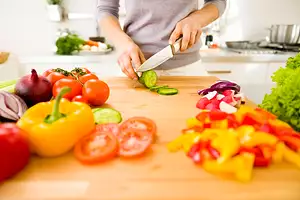
Almost everything starts with prep. Cut the watermelon's outer dark green skin away and trim off any clinging red flesh, leaving just the firm pale rind. Then cut it into cubes or strips, since it cooks more evenly that way.
Pickling is far and away the main use. The cubed rind is brined, then simmered in a sweet-sour syrup of vinegar and sugar and warm spice until it turns translucent and tender.
Watermelon Rind Pickles (Mom) and Spiced Watermelon Pickles follow that path, and Family Favourite Watermelon Pickles and the plainly named Watermelon Rind Pickle are variations on the same idea.
The same syrup turns it into candied rind or a sweet preserve, where the translucent cubes stand in for candied citron in baking. Old Fashioned Fruit Cake uses chopped sweet preserved rind for color and chew.
Beyond preserving, peeled and diced rind can be stir-fried or curried or simmered in soups much like a mild gourd, since it holds its shape and soaks up bold sauces.
A thin sliver of the crisp raw rind even works grated into a slaw.
Pairing and Common Mistakes
Watermelon rind takes warm pickling spices and bright acids well. Its traditional companions are cinnamon, clove, allspice, ginger, vinegar, and plenty of sugar, with lemon for lift. In savory cooking, soy, chile, and garlic suit the diced rind the way they would any mild squash.
The most common mistake is leaving the tough dark green skin on. That outer layer stays fibrous and bitter no matter how long it cooks, so peel down to the firm pale rind before you do anything else.
The second is leaving too much red flesh attached. Stray pink fruit turns mushy and clouds a pickle syrup, so trim it close, keeping just a thin blush of pink if you like the color.
A third is rushing the cook. Rind needs a good simmer to turn from chalky and hard to tender and translucent; pull it early and the pieces stay unpleasantly crunchy in the middle.
Substitutes
Watermelon rind is itself usually the thrifty substitute for something else, so swaps run both ways. In a sweet pickle or preserve, the closest stand-in is another firm, mild flesh that candies well, like chayote or green papaya, or even peeled cucumber, though cucumber goes softer.
For the candied-rind role in fruitcake and baking, candied citron or mixed candied peel is the traditional original that watermelon rind imitates, so reach for those if you have them. Crystallized ginger gives a similar chewy-sweet bite with more heat.
In savory cooking where you are using diced rind like a gourd, a firm summer squash or peeled chayote substitutes directly, keeping shape through simmering and taking on the sauce the same way.
Buying and Storing
You do not buy watermelon rind; you save it. The best rind comes from a thick-skinned watermelon, so the heavy, firm melons that feel substantial for their size give you more usable rind. Old-fashioned thick-rinded varieties yield more than thin modern seedless types.
After cutting up a watermelon, store the trimmed rind in a sealed container in the refrigerator and use it within a few days, since it dries out and softens with time. Peel and cube it before storing if you plan to pickle soon.
Once made, watermelon rind pickles and preserves keep like any sweet pickle. Properly canned and sealed jars are shelf-stable for months in a cool, dark pantry, while an opened jar lives in the refrigerator and stays good for several weeks.
Quick facts
- In Chinese
- 西瓜皮
- British (UK) term
- Watermelon rind
- en français
- melon d'eau
- en español
- corteza de la sandía
Recipes using watermelon rind
There are 8 recipes that contain this ingredient.

Chilled Fruit Soup with Spiked Nuts

Chilled fruit soup with spiked melon: champagne-sweetened fruit broth ladled over vodka-and-tequila-marinated melon, grapes, and plums. A grown-up summer starter built for heat waves.

Spiced Watermelon Pickles
Spiced watermelon rind pickles, the Southern preserving classic that turns leftover rind into translucent sweet-and-spicy gems flavored with cinnamon, clove, and ginger. Water-bath canned for the pantry shelf.
Old Fashioned Fruit Cake #4


Old fashioned fruit cake with blackberry jam, fig preserves, watermelon rind preserves, candied cherries, pecans, and cocoa. Baked low and slow in a cast iron skillet.
Watermelon Rind Pickle
Watermelon rind pickle is a Southern preserve made from the white inner rind, brined for three days then simmered in spiced sweet vinegar with cinnamon, cloves, and lemon. Crisp, sweet-tart, translucent.

Watermelon Rind Pickles (Mom)
Mom's old-fashioned watermelon rind pickles soaked in lime water, then simmered in sweet spiced vinegar syrup until jewel-like and translucent. A Southern heirloom canning recipe worth the wait.

Watermelon Pickle
Watermelon rind pickle: sweet-spiced preserves made from the often-discarded rind with cloves, allspice, vinegar, and sugar. A Southern canning tradition worth keeping.
Prune Conserve I
Old-fashioned prune conserve with quinces, apples, oranges, watermelon rind, raisins, and chopped nuts. A thick, jammy fruit preserve with complex flavor from six different fruits.