What Is Thai chili paste and How Can I Use It?
Thai chili paste is easier to cook with than it looks. Here's how to choose, use, and store it, what to substitute, and 88 recipes to get you started.
Key Points
- Roasted chili paste in oil (nam prik pao): sweet, smoky, savory, only moderately spicy.
- The flavor base for tom yum soup; also blooms into stir-fries and dressings.
- Not a hot sauce; overpouring brings cloying sweetness before real heat.
- Substitute sambal or chili-garlic sauce plus brown sugar and fish sauce, though raw not roasted.
- Refrigerate after opening; the oil and salt keep it good for several months.
What is thai chili paste?
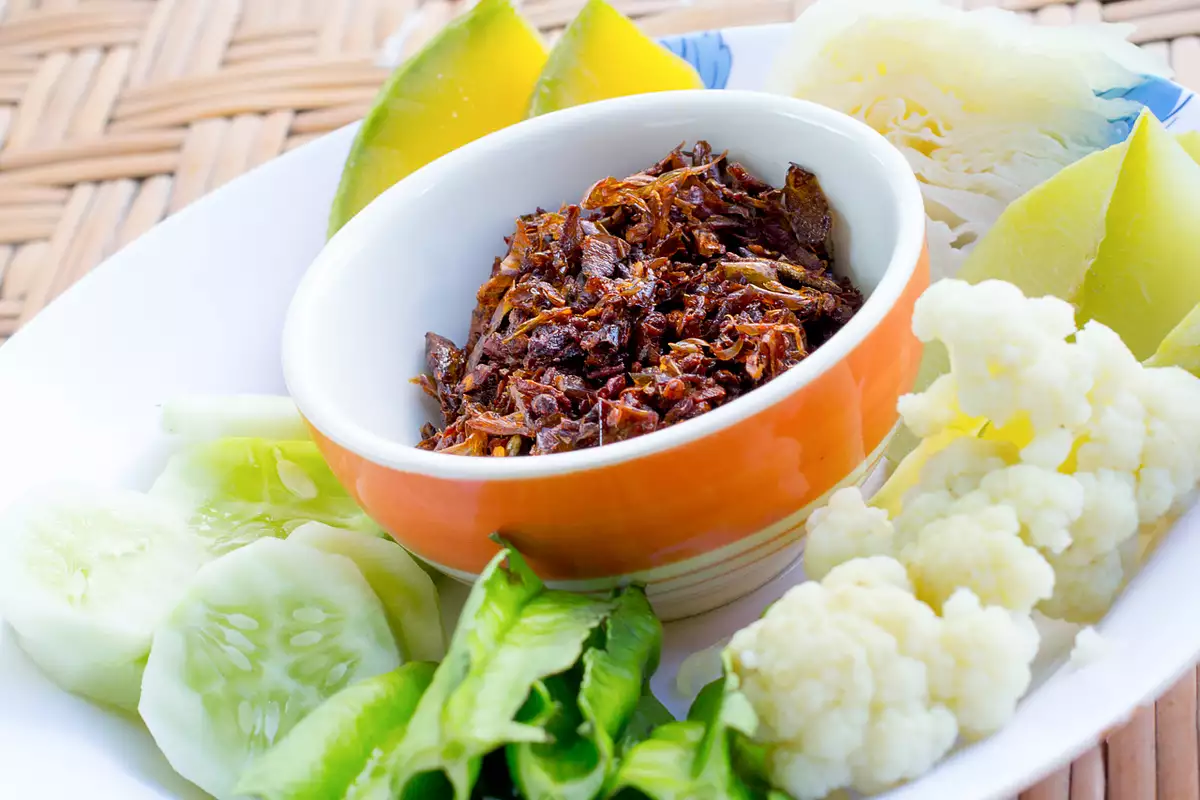
Thai chili paste, known in Thailand as nam prik pao, is a thick, dark-red paste of roasted chilies suspended in oil. It is sweet, savory, smoky, and only moderately spicy, a very different animal from the raw heat you might expect from the name.
The roasting is the whole point. Dried chilies get dry-roasted alongside shallots and garlic until deeply browned, then ground with shrimp paste and seasoned with fish sauce, tamarind, and palm sugar. That gives it a jammy, umami-rich base rather than a one-note burn.
You will see it sold in jars labeled "roasted chili paste," "chili paste in soybean oil," or "chili jam." All point to the same jar.
How to Use It
The classic home is tom yum soup. A spoonful stirred in at the end gives the broth its color and its sweet-smoky depth, the difference between a thin, sour soup and the real thing.
Beyond soup it is a flavor base for stir-fries. Melt a teaspoon or two into hot oil before the protein goes in, the way Seafood in Coconut, Ginger & Lemongrass Sauce builds its backbone, and the paste blooms and coats everything.
It also works straight from the jar. Spread it on toast with a fried egg, swirl it into fried rice, or use it as the savory anchor in a dressing like the one behind Thai Cabbage Slaw.
A little goes a long way. Start with a teaspoon, taste, then build from there.
Cooking and Pairing
Nam prik pao loves coconut milk, lime, lemongrass, fish sauce, and seafood. It rounds out Sesame Chicken Stir-Fry with Vegetables and gives Stir-Fried Veggies with Soba Noodles a deeper, toastier edge than plain soy and garlic.
The most common mistake is treating it like a pure hot sauce and dumping in a tablespoon for heat. You get cloying sweetness and oily texture before you get real spice, so add chili flakes or fresh chili if you want more burn, and keep the paste for flavor.
The other slip is scorching it. The sugar in the paste catches fast over high heat, so bloom it on medium and stir constantly, or stir it into liquid rather than dry-frying it hard.
Substitutes
Nothing matches it exactly, but you can get close. The nearest swap is a spoonful of sambal oelek or chili-garlic sauce mixed with a pinch of brown sugar and a few drops of fish sauce to mimic the sweet-savory roast.
Hoisin thinned with sriracha leans sweet but covers the jammy, sticky quality in a pinch. Gochujang is a reasonable stand-in too, since it shares the fermented, sweet-hot profile, though it carries a Korean accent rather than a Thai one.
Remember that sambal and chili-garlic sauce are bright and raw, all fresh chili and garlic, while nam prik pao is roasted and sweet. They are not interchangeable when the roast is what a dish depends on.
Buying and Storing
Look for it in the Thai or Southeast Asian section, often with a Pantai or Maesri label and a layer of red-tinged oil on top. That oil is normal, so stir it back in before using.
Check the label for shrimp paste or fish sauce if you are cooking vegetarian, since most versions contain both.
An unopened jar keeps in the pantry for a year or more. Once opened, refrigerate it, where the oil and salt keep it good for several months.
Always use a clean, dry spoon. Stray moisture or food bits are what eventually grow mold on the surface. If you see fuzz or smell anything sour or off, toss the jar rather than scraping the top.
Quick facts
Where to find thai chili paste: Thai chili paste is usually found in the asian section or aisle of the grocery store or supermarket.
- In Chinese
- 泰国辣椒酱
- British (UK) term
- Thai chili paste
- en français
- pâte de chili thai
- en español
- pasta de chile thai
Recipes using thai chili paste
There are 88 recipes that contain this ingredient.
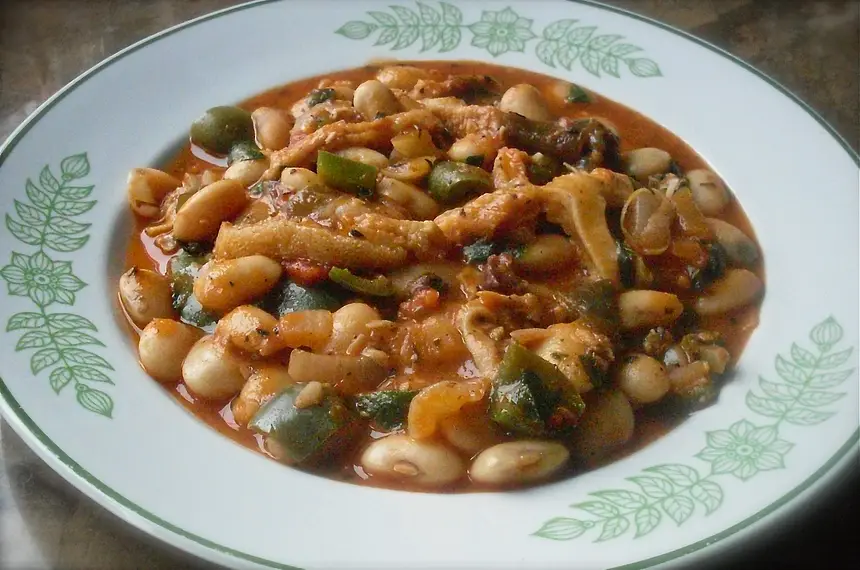
Spicy Tripe & Beans


Completely different recipe than Jamaican or Spanish ones. I used few known methods to make beans easier to digest. They all work very well not to make music.
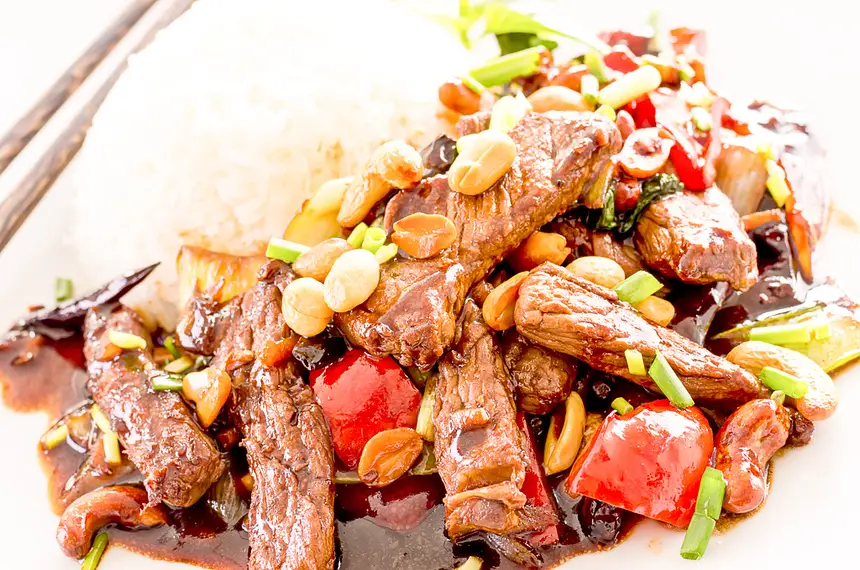
Kung Pao Beef
Kung Pao beef: velveted flank steak stir-fried with roasted peanuts, fiery dried chilies, and crunchy water chestnuts in a savory-sweet Sichuan sauce. A bold, spicy take on takeout, ready in 40 minutes.
Seafood in Coconut, Ginger & Lemongrass Sauce
A delightful gourmet recipe brought to you by Real Food Direct
Tom Yum Goong - Savouring Southeast Asia
Tom yum goong, Thailand's hot and sour shrimp soup, built on a fragrant broth of lemongrass, galangal, and kaffir lime, with Thai chili paste, fish sauce, and lime. Bright, spicy, and deeply aromatic.
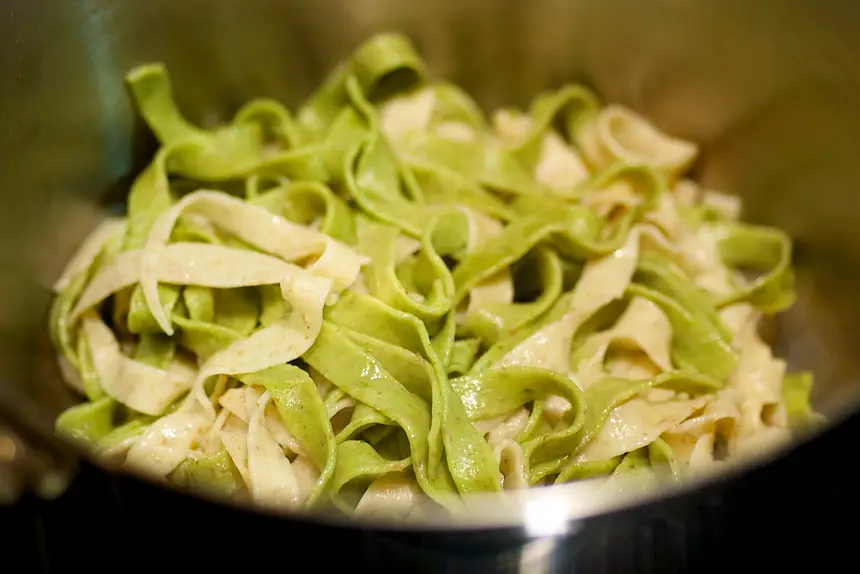
Stir-Fried Veggie with Noodles
Stir-fried bell peppers, carrots, and zucchini with garlic, ginger, scallions are tossed with pasta, cucumber, cilantro, and miso-chili sauce. It's a delicious, light yet nutritious one pot meal that's perfect for week-nights.
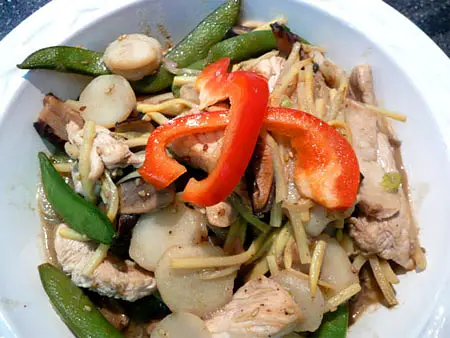
Sesame Chicken Stir-Fry with Vegetables
This was very easy to prepare, but I would double the chili paste next time and add some "red" to it- i.e. red bell pepper or carrots.
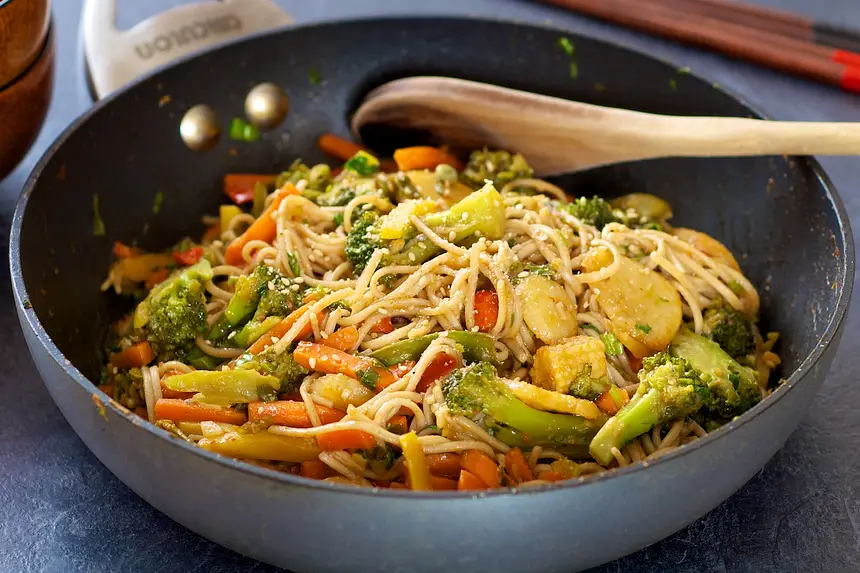
Stir-Fried Veggies with Soba Noodles
You can say this is a combination of Chinese, Japanese, and Korean. Because it uses Chinese stir-fry technique, spices; Japanese noodles, miso paste; and Korean chili sauce. It has lots of yumminess and goodness in this one pot meal.
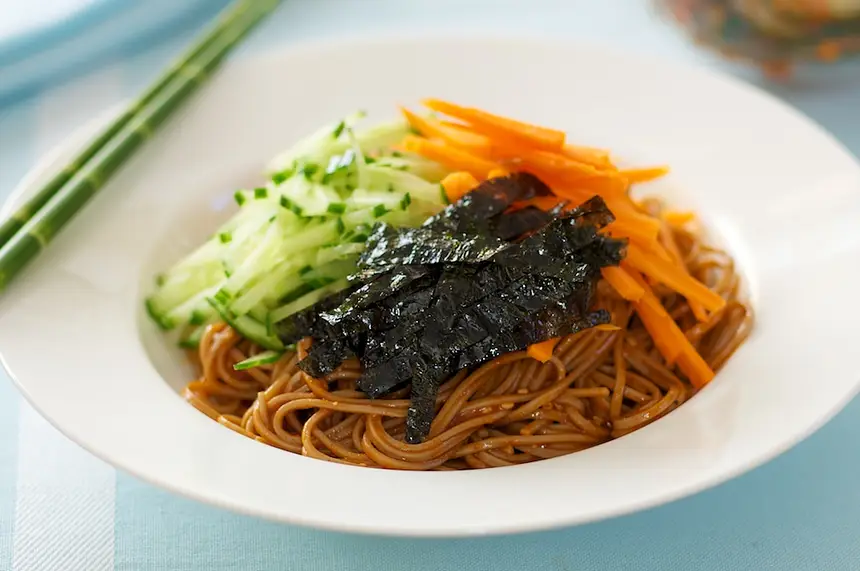
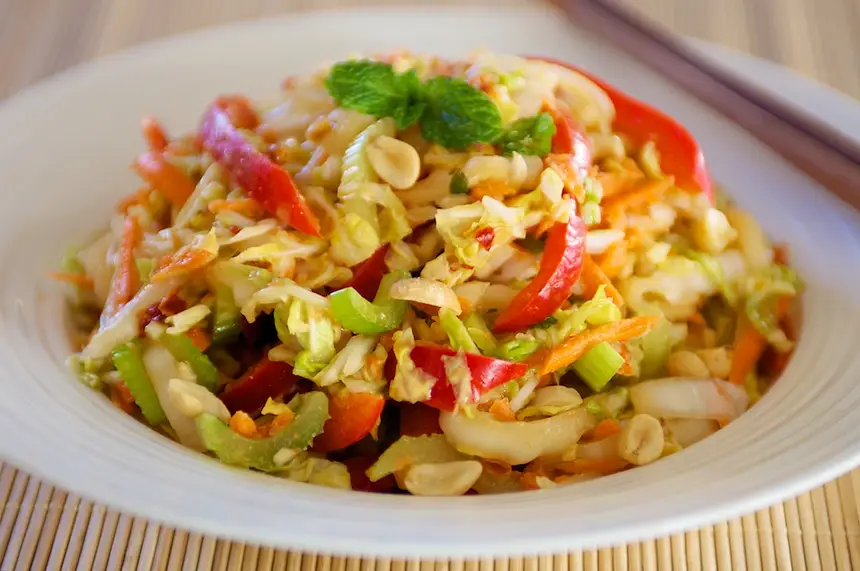
Spicy Soba Noodle Salad
A little bit of heat with a tangy sweet and sour taste. This cucumber soba salad for sure refreshes your taste buds while satisfies your tummy.
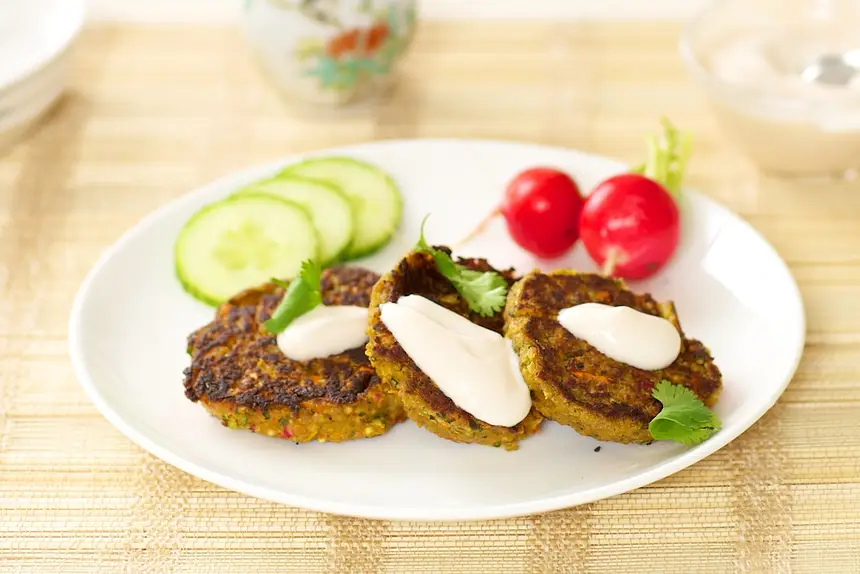
Edamame Veggie Burger
These edamame veggie burgers are delicious, filling and packed with goodness. If millet is not available, use quinoa instead. Whole Wheat bread crumbs works as well.
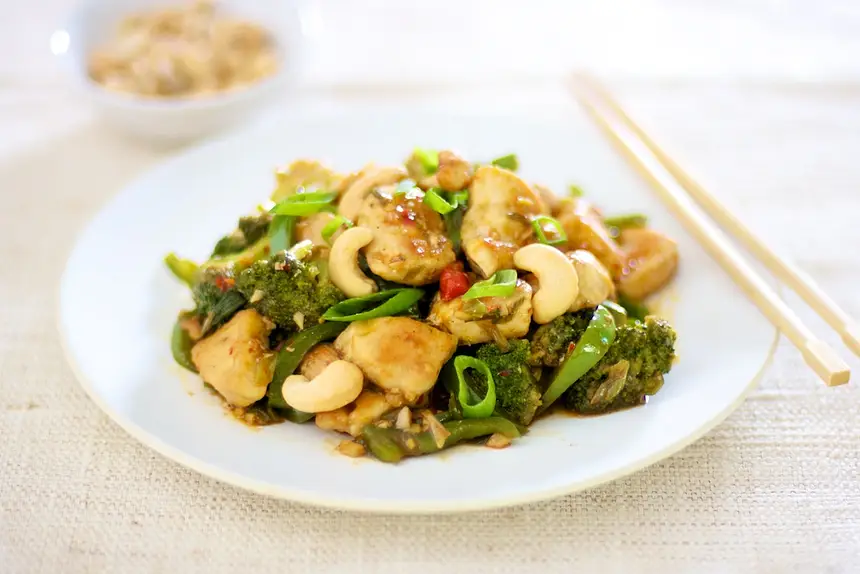
Easy Chicken Stir Fry
It's easy, tasty and satisfying. A perfect dinner on a busy week day. No need to order takeout. This homemade version will definitely beat any takeouts, and much better for you.
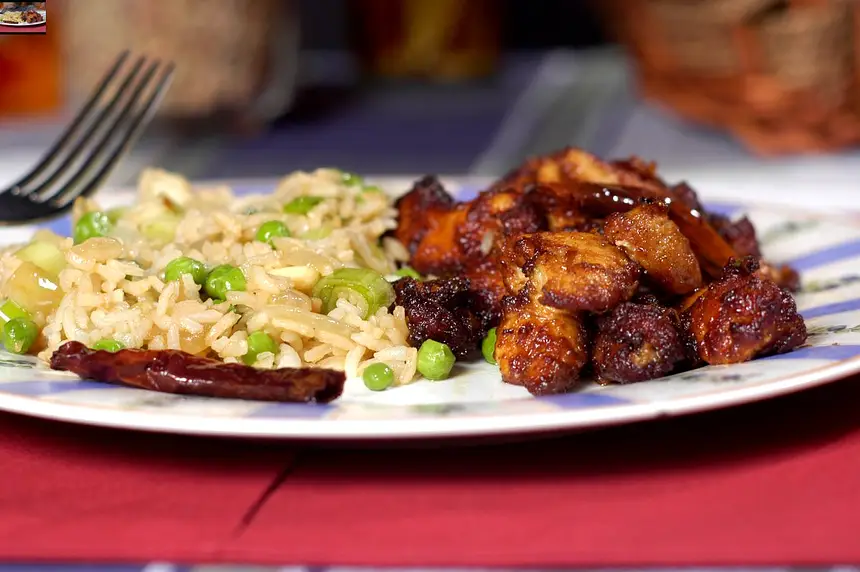
Authentic General Tso's Chicken
This quick and tasty Tso's chicken is one of the most popular foods in Chinese restaurant or take-out. But when you realize how simple the dish is, you can just make it at your own kitchen within half an hour.
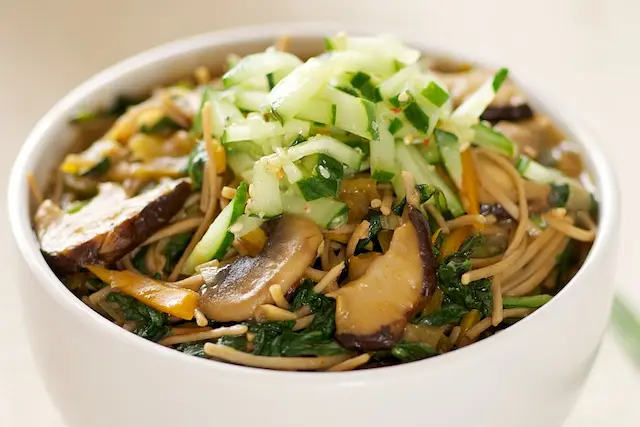
Soba Noodles, Mushroom & Tatsoi with Sweet-Sour Cucumber
This one pot dish is packed with deliciousness and goodness. Sauteed assorted mushrooms are cooked in a flavorful broth, lots of Asian yumminess will for sure make your tummy feel very happy.
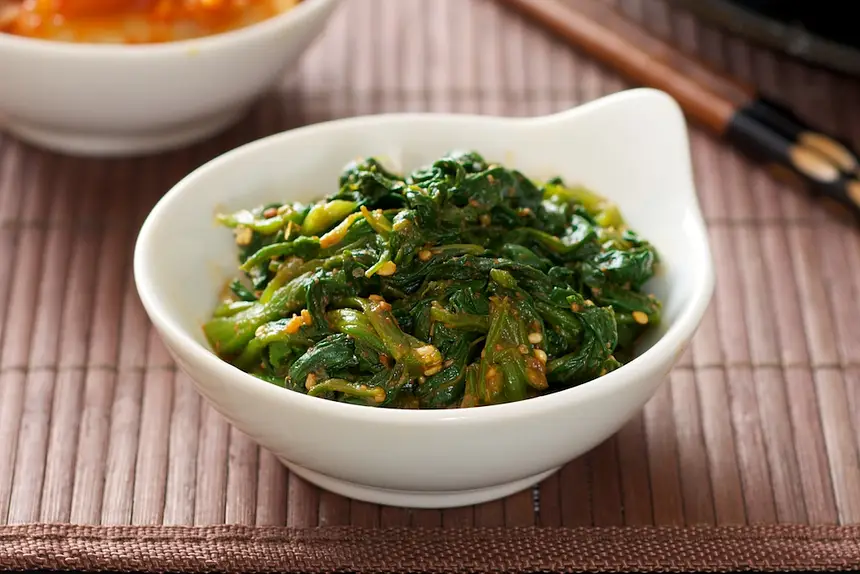
Spicy-Soy Spinach Salad
This tasty yet refreshing spinach salad is a classic Korean side dish that you can pretty much find in every Korean restaurant. It's quick, easy to make at home, it goes well with most of the BBQ, any meat dish, or just simply serve it with some steamed rice.
Methi Paneer Starter
Methi Paneer Starter is the low calorie starter so weight watchr ..... You can enjoy this starter.
Clams in Black Bean Sauce (Chinese New Year)
Fermented black beans can be found at Asian markets; but if unavailable, you can substitute prepared black bean sauce.
Fiery Pork & Winter Bamboo Shoots Over Snow
Fiery pork and bamboo shoots over crispy rice noodles: stir-fried slivered pork with winter bamboo, Thai chili paste, and ginger served over a cloud of deep-fried puffy rice stick noodles.

Ribs with a Peach Barbecue Sauce
Ribs with peach barbecue sauce, a sweet-and-spicy Asian-fusion glaze of fresh peach puree, mirin, ginger, garlic and chili paste brushed over lamb or pork spareribs. Marinated overnight for deep flavor.

Barbecued Corn & Hard Shelled Crabs
Charcoal-grilled hard-shell crabs brushed with Thai chili paste, tomato, and garlic olive oil, served with corn grilled in the husk. A summer cookout feast with an East-meets-West kick.
Hot & Sour Lime Leaf Shrimp Soup
Tom yum goong, the Thai hot and sour shrimp soup: a fragrant broth of kaffir lime leaf, lemongrass and galangal, made fiery with chili and sour with lime. Light, aromatic and ready fast.
Thai Hot & Sour Shrimp Soup
Thai hot and sour shrimp soup (Tom Yum Goong) with lemongrass, kaffir lime leaves, chile paste, and straw mushrooms. A bright, aromatic broth built from shrimp shell stock.

Oriental Flavored Cucumber Salad
Asian cucumber salad with rice vinegar, soy sauce, sesame oil, chili paste, and garlic. A cool, crunchy side dish that comes together in minutes with no cooking.
Chicken in Black Bean Sauce
Chicken in fermented black bean sauce made entirely in the microwave with garlic, ginger, sherry, sesame oil, and chili paste. A Chinese takeout favorite ready in 30 minutes.
General Tso's Chicken (Heriteau)
General Tso's chicken made with dark-meat thighs: crispy-fried pieces tossed in a ginger-scallion soy sauce with chili paste, rice vinegar, and sesame oil finish.
Hot Sauce for Falafels
A quick, spicy hot sauce for falafel: tomato paste simmered with vegetable stock, chili paste, cumin, lemon and fresh herbs into a bright, fiery sauce in about five minutes. Drizzle it over falafel, shawarma or grilled veg.

Rock& Roll Clams
Thai-style stir-fried clams with garlic, chili paste, fish sauce, and fresh mint. A fast, fiery shellfish dish where the clams steam open in a fragrant, spicy broth.
Spicy Lemongrass Tofu (Main)
Spicy lemongrass tofu pan-fried with Thai chili paste and fresh minced lemongrass. A 30-minute vegetarian and gluten-free main served over brown rice with steamed vegetables.

Chinese: Chicken Chunks with Peanuts in Spicy Sauce
Crispy chicken chunks coated in water chestnut flour, deep-fried golden, then tossed with roasted peanuts in a spicy sauce of chili paste, dark soy, sesame oil, and Chinese red vinegar. Restaurant-quality kung pao at home.
Thai Barbecued Chicken
Thai barbecued chicken brushes a hoisin, ketchup, molasses and chili-paste glaze onto poached chicken then finishes on the grill for sticky charred edges. The technique that prevents burnt sauce.
Coconut Shrimp Surprise
Shrimp simmered in a coconut milk sauce with tomatoes, leeks, orange juice concentrate, mint, and Thai chili paste, served over basmati rice. A one-skillet dinner with sweet, spicy, and creamy notes in every spoonful.
Thai Beef Salad
Grilled filet mignon sliced thin and marinated in chili paste, fish sauce, and vinegar, then served over crisp lettuce with cucumber-papaya rolls and a zesty lime dressing.
Roasted Squab with Corn & Chili Sauce
Roasted squab with corn and chili sauce: juniper-scented birds roasted rare, served with a smoky bacon, chili, and corn-cob sauce sweetened with maple syrup.

Rock & Roll Clams
Thai-style stir-fried clams with chili paste, garlic, fish sauce, and fresh mint leaves. A fast, fragrant one-pot seafood dish with bold Southeast Asian flavors.
Far East Peanut Dipping Sauce
Spicy peanut dipping sauce with sesame oil, soy sauce, Thai chili paste, and a creamy mayonnaise finish. No-cook sauce for satay, shrimp, and fresh vegetables.
Rendang
Rendang is the legendary Indonesian beef curry: chunks of beef slow-simmered in spiced coconut milk and tamarind until the sauce reduces almost dry and the meat turns fork-tender. Deeply fragrant and richly spiced.

Eggplant with Chopped Pork
Silky braised eggplant with chopped pork, stir-fried in a hot wok with garlic, ginger and Thai chili paste. The eggplant turns meltingly soft and drinks up a savory, dark-soy sauce.
Beef Shreds with Red Pepper
Thai stir-fried beef with red bell peppers tosses matchstick flank steak in a fiery chili-soy sauce that clings to every shred. A wok-blasted weeknight dinner with bright crunch and serious heat.
Peanut Sauce (Rickert)
Thai peanut sauce with coconut milk, red curry paste, chili paste, and peanut butter. Rich, spicy, and ready in 20 minutes. Serve with satay or as a dip.
Thai Chili Fish Sauce
Fiery Thai chili fish sauce (nam pla prik) with serrano chiles, lime juice, cilantro, garlic, and roasted chili paste. A no-cook condiment that livens up everything it touches.
Thai Burgers with Mint Cucumber Relish
Lemongrass and chili paste beef burgers topped with a cool mint cucumber relish. All the bright, punchy Thai flavors you crave in a juicy, grillable patty.
Cranberry-Chile Chutney
Spicy cranberry chile chutney with jalapeño, Thai chili paste, and hot sauce simmered with fresh and dried cranberries. Medium heat, sweet-tart-spicy balance. Killer on meat or sandwiches.
Asian Fish Rolls In Rice-Paper Wrappers
Light Asian fish rolls wrapped in rice paper with sea bass, bean sprouts, napa cabbage, and snow peas. Served with a tangy tomato-ginger dipping sauce for a fresh, low-calorie appetizer.
Kim Chee Poke in a Rice Paper Taco with Avocado Sauce
Kim Chee Poke in a Rice Paper Taco with Avocado Sauce recipe
Ginger-Glazed Salmon Steak on Basil Mashed Potatoes with Sesame Asparagus
Ginger-Glazed Salmon Steak on Basil Mashed Potatoes with Sesame Asparagus recipe

Pan Grilled Thai Tuna Salad
Pan-grilled Thai tuna salad with seared yellowfin, napa cabbage, cucumber, and a lime-sambal dressing. A 20-minute high-protein dinner for two that drinks like a cold Thai noodle salad minus the noodles.
Hunan Style Salmon Chili
Hunan-style salmon stir-fried with chili paste, soy sauce, oyster sauce, ginger, and garlic in a glossy sauce. Finished with toasted pumpkin seeds over rice.
Korean Chicken Soup
Korean chicken soup with ginger, garlic, and gochujang in a sesame-rich broth, finished with toasted sesame seeds and scallions. A warming weeknight bowl with rice cooked right in.

Sea Bass with Citrus Couscous
Grilled sea bass over citrus couscous with a reduced orange-onion sauce, coriander and a hit of Tabasco. Bright Mediterranean-style seafood dinner.
Szechuan Noodle Salad in Peanut Sauce
Szechuan noodle salad with fettuccine in a spicy peanut sauce made with ginger, garlic, chili paste, and sesame oil, surrounded by julienned vegetables and ham.
More thai chili paste recipes
- Pasta with Szechuan Spiced Shrimp
- Beef Shreds with Red Pepper
- Chicken Chunks with Peanuts in Spicy Sauce (Kung Pao)
- Chili Shrimp
- Chinese Chicken Pasta Salad with Soy Peanut Butter Dressing
- Eggplant with Chopped Pork
- Fried Dumplings with Hot Chili Sauce
- Grilled Beef Salad With Lemongrass Dressing
- Mongolian Beef
- Pasta with Chinese Tahini Sauce
- Sesame Chicken (Chinese New Year)
- Sichuan Beef
- Spicy Lemongrass Tofu (Main)
- Spring Rolls with Chili Dipping
- Szechuan Noodle Salad in Peanut Sauce
- Thai Barbecued Chicken