What Are Parsley stems and How Can I Use Them?
Wondering what to do with parsley stems? This guide covers how to pick them, cook them, store them, and swap them, plus 9 recipes to put them to work.
Key Points
- The firm stalks left after picking parsley leaves; usually tossed, but as flavorful as the leaves.
- Too fibrous to chew raw, so simmer them whole in stock or chop and blitz them fine.
- The backbone of a bouquet garni and a great start to a soffritto with onion and garlic.
- Swap in parsley leaves at a slightly larger amount, or use cilantro stems for the same job.
- Save stripped stalks in a freezer bag so a handful is always ready for the next pot of stock.
What are parsley stems?
Parsley stems are the firm green stalks left behind when you pick the leaves off a bunch of parsley. Most cooks toss them, which is a small daily waste, because the stems carry as much of that clean, grassy parsley flavor as the leaves do, sometimes more.
The difference is texture, not taste. The stalks are fibrous and a bit tough raw, so they are not what you want to chew on, but cooked in liquid or chopped fine they give up all their flavor and none of their stringiness.
Think of the stems as a free seasoning you already paid for. Every bunch you buy comes with them.
Putting the Stems to Work
Their best job is flavoring liquid. Drop a small handful into any stock or soup, simmer with the other aromatics, and fish them out at the end.
They quietly deepen Shrimp & Lentil Soup, Cauliflower & Savory Soup, and a long-simmered Chanterelle & Carrot Soup without anyone spotting a stem in the bowl.
They are also the backbone of a bouquet garni. Tie the stalks with thyme and a bay leaf, or trap them in the green channel of a celery rib, and you have a bundle that perfumes a braise and lifts out clean.
Stems also save a Sausage, Apple & Cranberry Turkey Stuffing or a roast like Homestyle Turkey, the Michigander Way, where they go into the cavity or the stock that moistens the dressing.
Chopped very fine, the raw stems go right into cooking. They start a soffritto alongside onion and garlic, and that is exactly how they enter Garlic & Fava Beans Soup and a fragrant Cream of Shiitake Mushroom Soup.
Cooking and Common Mistakes
The flavor leans a touch more peppery and intense than the leaves, so they earn their place wherever parsley should taste like more than a garnish. They love garlic and lemon, and they hold up to long heat that would turn delicate leaves to mush.
For a raw sauce, blitz the stems right into the blender. A chimichurri or a salsa verde loses nothing if you include the lower stalks, and the machine handles the fiber the way your teeth cannot.
The one real mistake is leaving the stems in coarse pieces in a dish you eat as-is. A two-inch length in a salad or a stir-fry is stringy and unpleasant.
The fix is simple. Chop them fine or blitz them for raw uses, or simmer them whole and pull them out; just never serve them in big raw chunks.
Substitutes
If you have no stems, the leaves do the same flavor work, just with a softer, sweeter edge and less of the peppery backbone. Use a slightly larger handful to make up for it.
For the aromatic role in a stock, cilantro stems are an even better trade than parsley leaves, carrying the same kind of clean herbal punch, though they push the flavor toward cilantro. A celery rib with its leaves adds a comparable green, savory note to a simmering pot.
What does not replace them well is dried parsley. It has none of the fresh, slightly bitter lift the fresh stalks bring to a long simmer.
Buying and Storing
You do not buy stems on their own; they come attached to every bunch of parsley, so the real task is choosing a fresh bunch with firm, deep-green stalks that stand up straight rather than flopping or yellowing.
Store the whole bunch like cut flowers. Trim the stem ends, stand the bunch in a glass with an inch of water, tent a bag over the top, and refrigerate; it stays crisp a good week or more, far longer than parsley sealed in a bag.
When you strip the leaves for a recipe, do not throw the stalks out. Stash them in a zip bag in the freezer, adding to it over time, and you will always have a handful ready for the next pot of stock.
Quick facts
- In Chinese
- 香菜梗
- British (UK) term
- Parsley stems
- en français
- tiges de persil
- en español
- tallos de perejil
Recipes using parsley stems
There are 9 recipes that contain this ingredient.
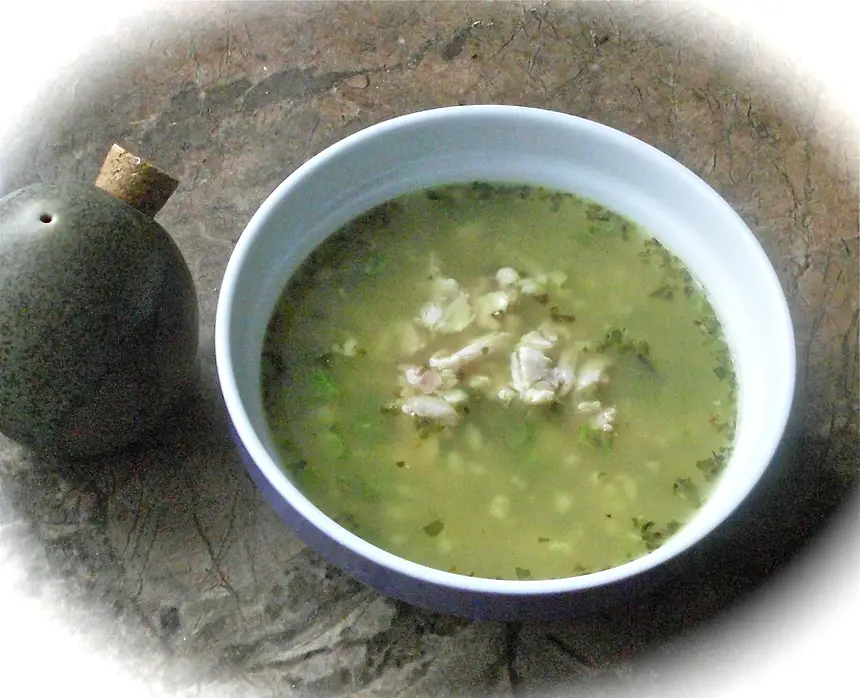
Garlic & Fava Beans Soup


A soup which is a combination of Mediterranean garlic soups with a 17th century East European fava beans soup. Quite good.
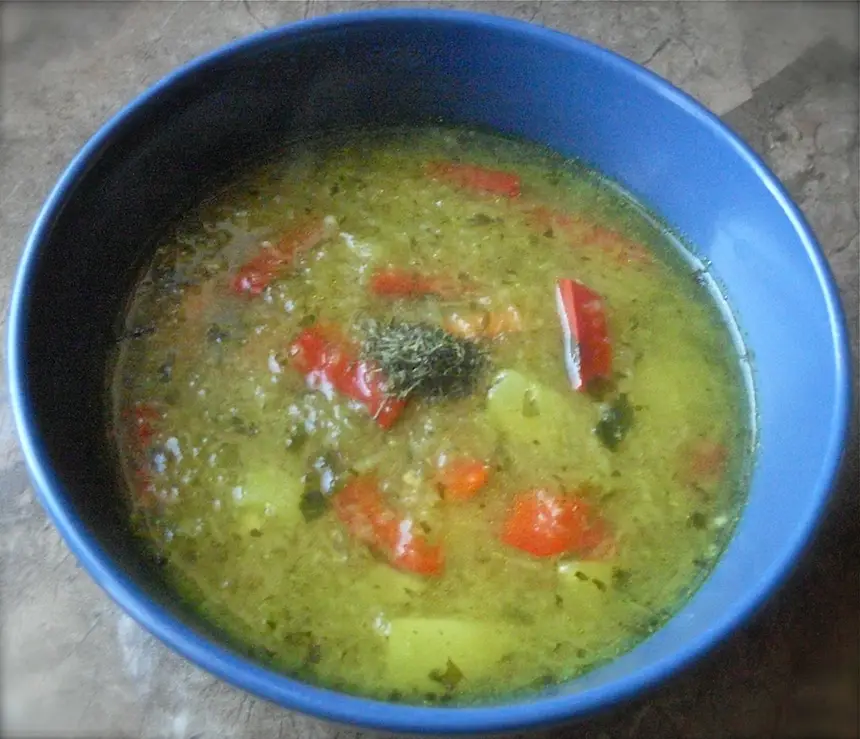
Long White Radish & Bear's Garlic Soup

untypical spicy flavor which you like more and more when tasting..
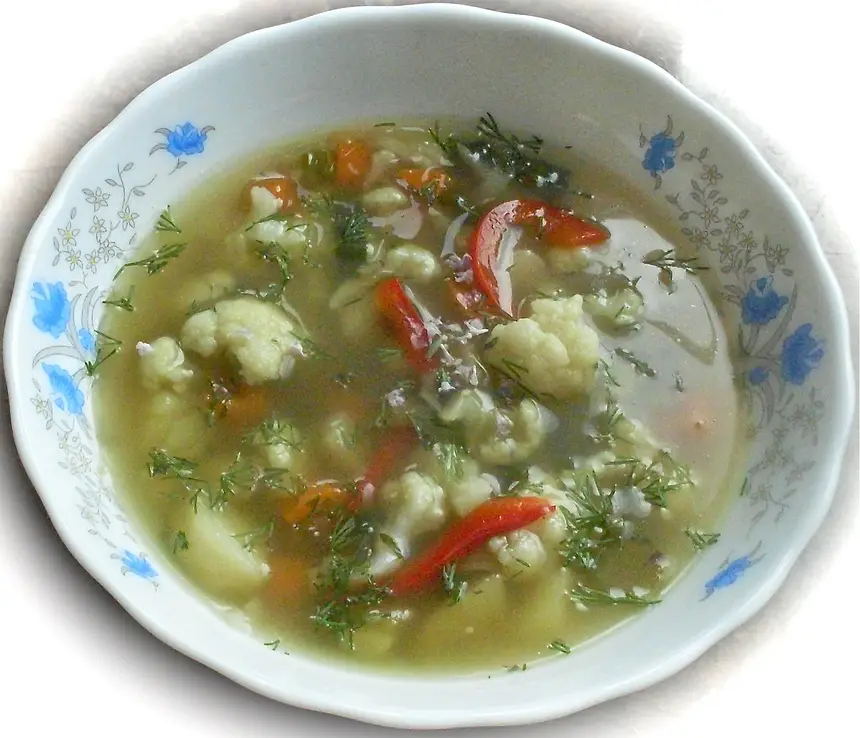
Cauliflower & Savory Soup
I cooked this soup 3 times lately, and the best base is turkey- chicken stock in my opinion. Just a summer soup made of many stems.
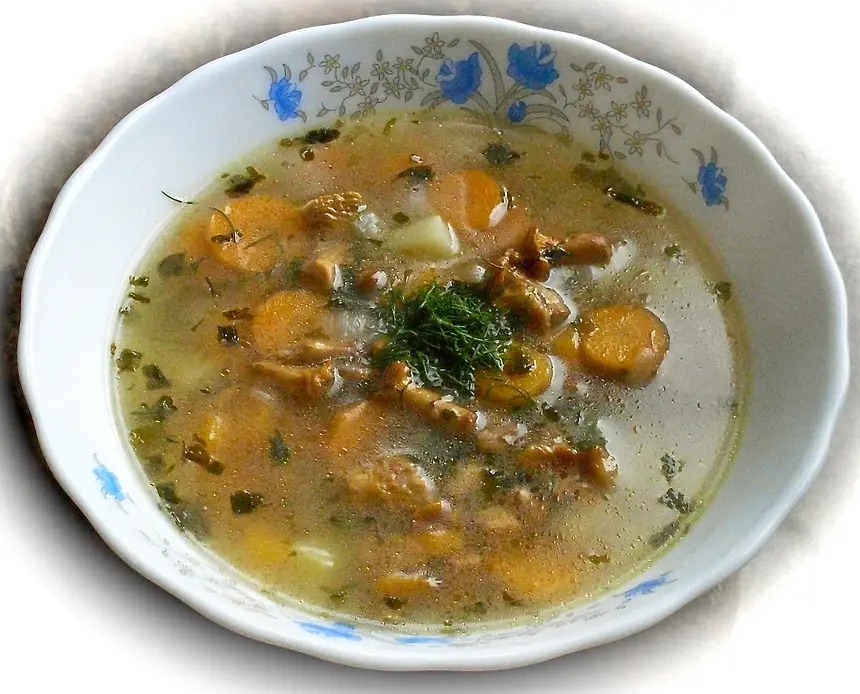
Chanterelle & Carrot Soup
I remember this soup from my childhood. Very creamy and thick, full of dill weed. Let it become thin to feel more intense flavor of chanterelle mushrooms.
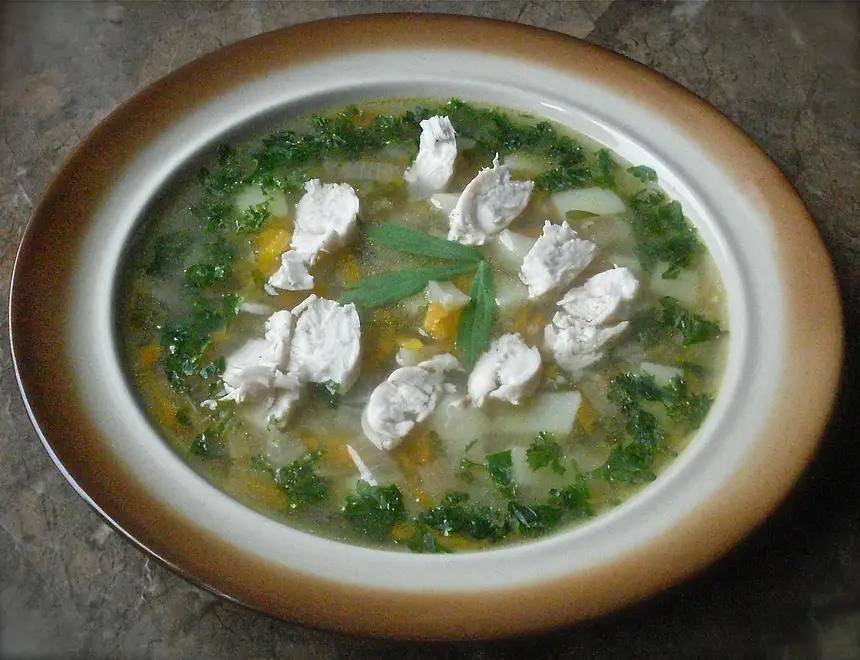
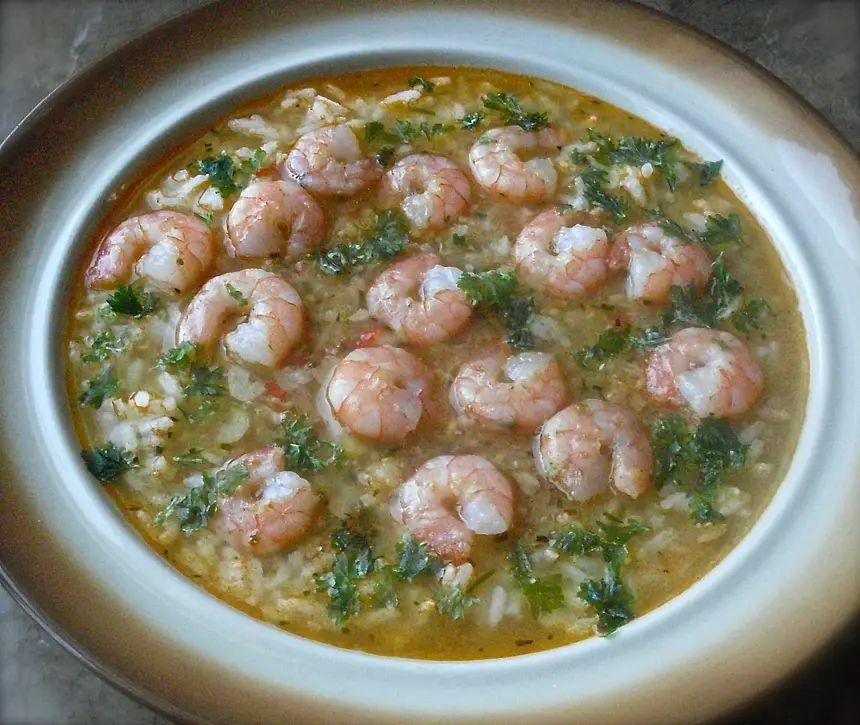
Shrimp & Lentil Soup
a bit spicy soup.. I found a combination of lentil and shrimp in Sri Lanka's cuisine, however I never found any recipe, and I tried my way..
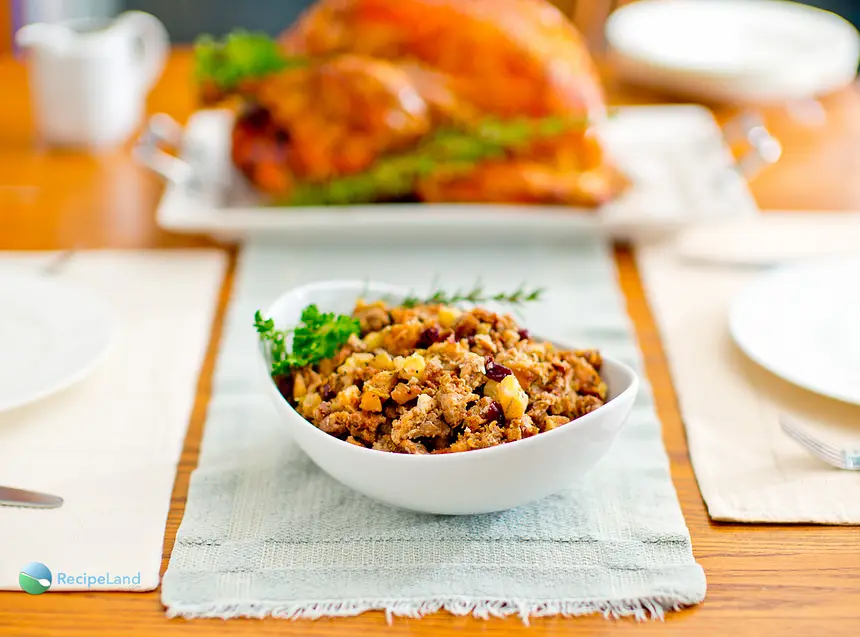
Sausage, Apple & Cranberry Turkey Stuffing
This Thanksgiving stuffing is packed with fresh seasonal flavors. Will stuff a 10 to 16 pound turkey which serves up to 10 people.
Cream of Shiitake Mushroom Soup
This rich, earthy soup has but 100 calories per serving if made with non-fat milk.
Homestyle Turkey, the Michigander Way
This is the best turkey recipe ever!! Comes out very juicy, tasty. I placed a red apple into the cavity...the smell in the kitchen was wonderful!!