What Are Mungbean noodles and How Can I Use Them?
Here's everything worth knowing about mungbean noodles and how to pick them, what they are, how to store them, and what to use instead, plus 7 recipes to cook tonight.
Key Points
- Clear, springy noodles made from mung bean starch, also called glass, cellophane, or bean thread noodles.
- Soak dried bundles in hot water 5 to 10 minutes, not a hard boil, then drain.
- Nearly flavorless, so they soak up sauce; season boldly and keep dressings on the thick side.
- Overcooking turns them gummy and gluey; stop while the strands still have spring.
- Sweet potato starch noodles (dangmyeon) are the closest swap; dried, they keep almost indefinitely.
What are mungbean noodles?
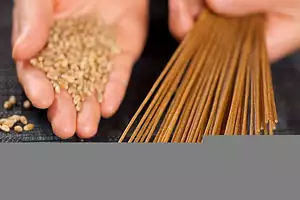
Mungbean noodles are thin, dry strands made from mung bean starch and water. Soaked in hot water they turn slippery and clear, which is why they go by glass noodles, cellophane noodles, and bean threads.
They have almost no flavor of their own. What they do is soak up whatever they are cooked in, holding sauce and dressing along every springy, slightly chewy strand, so a good mungbean-noodle dish lives or dies on its seasoning.
Do not confuse them with rice vermicelli. Rice noodles cook up soft and opaque white; mung bean threads stay translucent and bouncy, with a far more elastic bite.
How to Use Mungbean Noodles
Soak the dry bundles rather than boil them hard.
Cover them in hot water for 5 to 10 minutes until pliable and clear, then drain. They keep cooking in the pan or the dressing, so stopping at just-tender keeps them from going to mush.
In a stir-fry, the drained noodles go in near the end and finish in the sauce, which is exactly how Korean Chapchae works, the strands turning glossy with sesame oil and soy. They also carry a brothy braise like Bean Threads with Minced Pork, drinking up the pork juices.
Cold is their other home. A drained, cooled bundle becomes the body of a tangy salad like the Thai Bean Thread Salad (Yum Woon Sen) and Thai Glass Noodles (Yam Woon Sen), where lime juice and fish sauce coat every strand.
One trick saves a lot of trouble. Cut the soaked nest with scissors before saucing, because full-length strands tangle into one stubborn clump that is hard to toss evenly and harder to eat.
Pairing and Common Mistakes
The noodle is a blank slate, so bold partners do the talking. Soy, fish sauce, lime, sesame oil, garlic, chili, ginger, ground pork, and shrimp all sit naturally alongside it.
The most common mistake is overcooking. Boiled too long or soaked too far, mungbean noodles slump into a gummy, gluey mass that breaks apart, so treat the soak as the main cooking step and stop while they still have spring.
The second mistake is sauce that is too thin. These noodles drink liquid greedily, so a watery dressing leaves them bland and a braise can go dry, meaning you season harder and add liquid in stages than you would for wheat pasta.
Substitutes
The closest swap is sweet potato starch noodles, the thicker Korean dangmyeon. They share the same clear, springy character and behave nearly the same in a stir-fry, though the strands are heftier.
Rice vermicelli stands in for bulk and slurp. Expect a softer, less bouncy result that turns opaque rather than glassy.
Kelp or konjac noodles work if you want clear strands with almost no calories, though they are firmer and rubbery and never soften the way bean threads do.
Buying and Storing
Buy mungbean noodles dried, in cellophane-wrapped bundles or a netted bag of small nests, from the noodle aisle of an Asian grocery. The label may say glass noodles or cellophane noodles; check the ingredients for mung bean starch to be sure of what you have.
Dried and sealed, they keep almost indefinitely in a cool, dry cupboard, since there is little in them to spoil. Keep the bag closed so the brittle strands do not absorb kitchen moisture and clump.
Cooked, they behave like any noodle. Refrigerate leftovers in a covered container and use within three to four days; they firm up cold, so a splash of water and gentle reheating loosens them again.
Quick facts
- In Chinese
- 绿豆面条
- British (UK) term
- Mungbean noodles
- en français
- nouilles de haricot mungo
- en español
- fideos de frijol mungo
Recipes using mungbean noodles
There are 7 recipes that contain this ingredient.
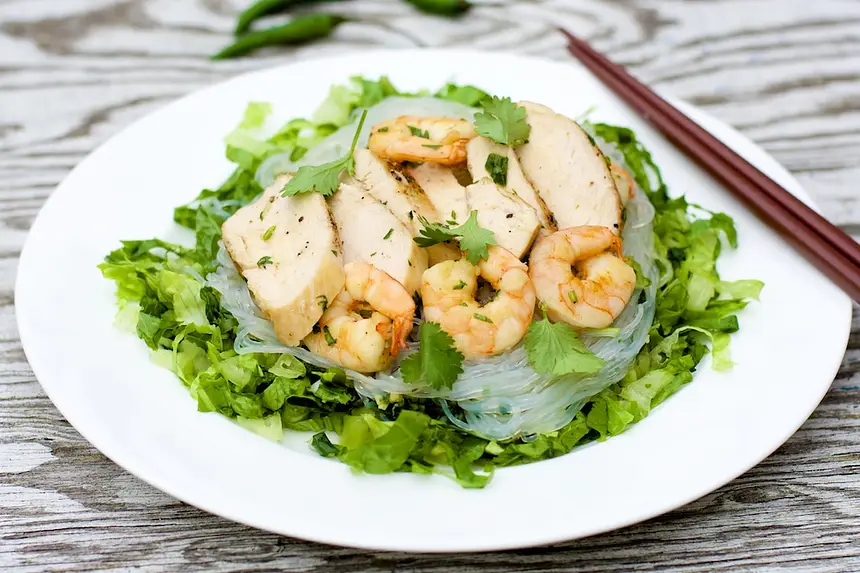
Thai Glass Noodles (Yam Woon Sen)


A very clean and refreshing dish that's packed with flavour. I used half fish sauce and half soy sauce, which actually worked deliciously well. If you love Thai food, you should definitely give this recipe a go. Five stars, no doubt.
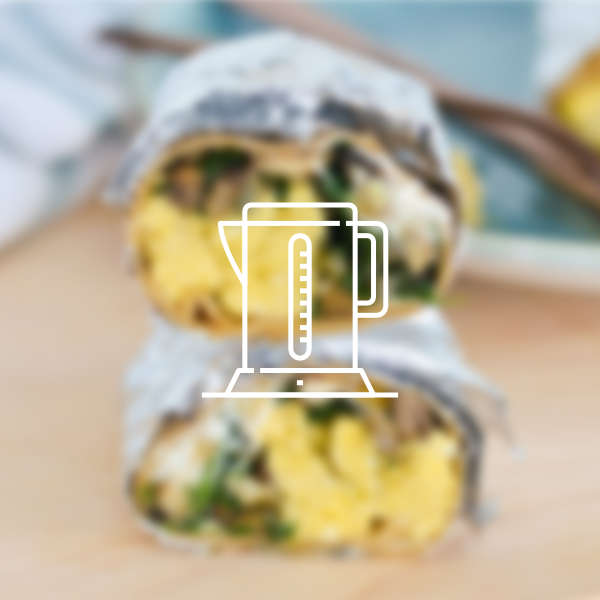
Glass-Noodle Salad with Chicken
Thai-style glass noodle salad (yum woon sen) with chicken and shrimp, dressed in lime, fish sauce, and serrano chiles. Bright, spicy, and cool, served over shredded lettuce.
Baked Prawns & Mungbean Noodles - Kung Op Wun Sen

Thai glass noodles baked with prawns, coriander root, ginger, peppercorns, and oyster sauce in individual pots. Kung Op Wun Sen ready in 30 minutes.

Boiled Garlic Chive Dumplings
This is a vegetarian dumpling dish, in Chinese New Year, when you begin to get tired of meat, you can try this recipe!
Bean Thread Salad (Yum Woon Sen)
This salad is very easy to make, and combines the sour, sweet and salty flavors typical of Thai cuisine.
Chapchae
Classic Korean glass noodle stir-fry (japchae) with spinach, carrots, mushrooms, napa cabbage, and scallions tossed in sesame oil and soy sauce. Vegetarian, colorful, and on the table in 45 minutes.