What Is Lovage and How Can I Use It?
If lovage has turned up in a recipe or caught your eye at the store, here's what you need to use it with confidence and how to choose it, cook it, store it, what to substitute, and 17 recipes to try it in.
Key Points
- Tall herb that tastes like intense celery with a savory, almost yeasty depth.
- Leaves and hollow stems are both edible; one handful flavors a whole pot.
- Add early to stocks, soups, beans, and potatoes; it holds up to simmering.
- Very strong, so use sparingly or it turns a dish soapy and overwhelming.
- Substitute celery leaves at about three times the amount, or a little celery seed.
What is lovage?
Lovage is a tall leafy herb that tastes like celery turned up loud, with a savory, almost yeasty depth behind it. The leaves look a bit like flat-leaf parsley, but one bite makes the celery character obvious right away.
It is an old European garden herb that has fallen out of fashion. That is a shame, because a single handful can carry the whole celery note in a pot of soup, and both the leaves and the hollow stems are edible.
Think of lovage as a concentrate. Where a recipe calls for a stalk or two of celery, a few lovage leaves do the same job and then some.
How to Use Lovage
Lovage is built for long-cooked savory dishes. It holds up to simmering, so unlike a delicate finishing herb you can add it early and let it steep into the liquid.
Stocks and soups are its home turf. A few leaves dropped into a pot of vegetable or chicken stock give it that rounded celery backbone, and lovage carries soups like Lovage Soup with Barley and Lentils with Lovage where the herb is the whole point.
It has a special friendship with potatoes and with beans and lentils, cutting their starchy heaviness with a green savory lift. The hollow stems even make a fun edible straw for a Bloody Mary.
Used raw, lovage is potent, so go light. A few young leaves chopped fine are plenty in a potato salad or a Pea & Carrot Salad with Lovage.
Pairing and How Much to Use
Lovage pairs with the things celery pairs with: potatoes, carrots, onions, beans, tomatoes, chicken, and eggs. It also loves a savory broth and the meaty edge of mushrooms.
The one rule that matters is restraint. Lovage is much stronger than its mild looks suggest, and a heavy hand turns a dish soapy and overwhelmingly celery.
Start with a couple of leaves, taste, then add more only if the dish can take it.
The common mistake is treating it like parsley and tossing in a fistful. Do that and the lovage flattens everything else on the plate.
What to Use Instead
Celery leaves are the closest swap, with the same flavor at lower volume, so use roughly three times as much to match lovage's punch. The pale inner leaves of a celery heart work best.
A mix of chopped celery and a little flat-leaf parsley fakes both the body and the green color. Celery seed, used sparingly, covers the flavor in long-cooked dishes where you do not need fresh leaves.
Fresh flat-leaf parsley alone gets you the look but not the celery taste, so lean on it only as a last resort.
Buying and Storing Lovage
Lovage is rarely in supermarkets and is mainly a farmers market or garden herb, since it grows into a big, hardy perennial. Choose bright green bunches with firm stems and no wilting or yellow edges.
Fresh lovage keeps for about a week in the fridge. Stand the stems in a glass with a little water like a bouquet, tent the leaves loosely with a bag, and refrigerate.
It dries and freezes better than most soft herbs because its flavor is so concentrated. Hang bunches to dry, or freeze chopped leaves in an ice cube tray topped with water, then drop a cube straight into soups and stocks.
Quick facts
- In Chinese
- 独活草
- British (UK) term
- Lovage
- en français
- livèche
- en español
- lovage
Recipes using lovage
There are 17 recipes that contain this ingredient.
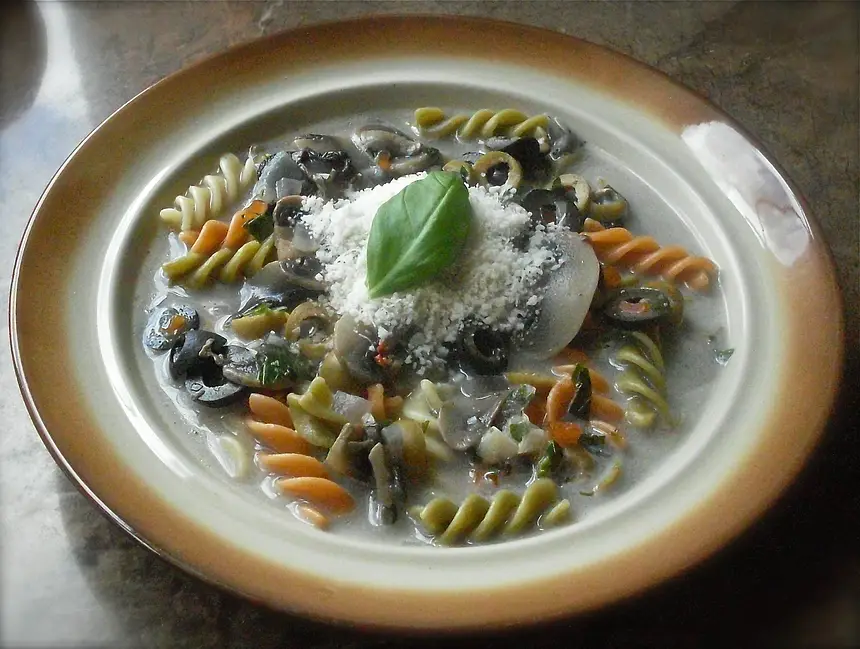
Olive & White Mushroom Soup with 3-colors Fusilli


Once upon a time I was reading a magazine article about good cooking. The journalist tried to convince me not to use some combinations of ingredients. One of the "banned" combinations mentioned was green and black olives. And so this soup was born to enjoy me.
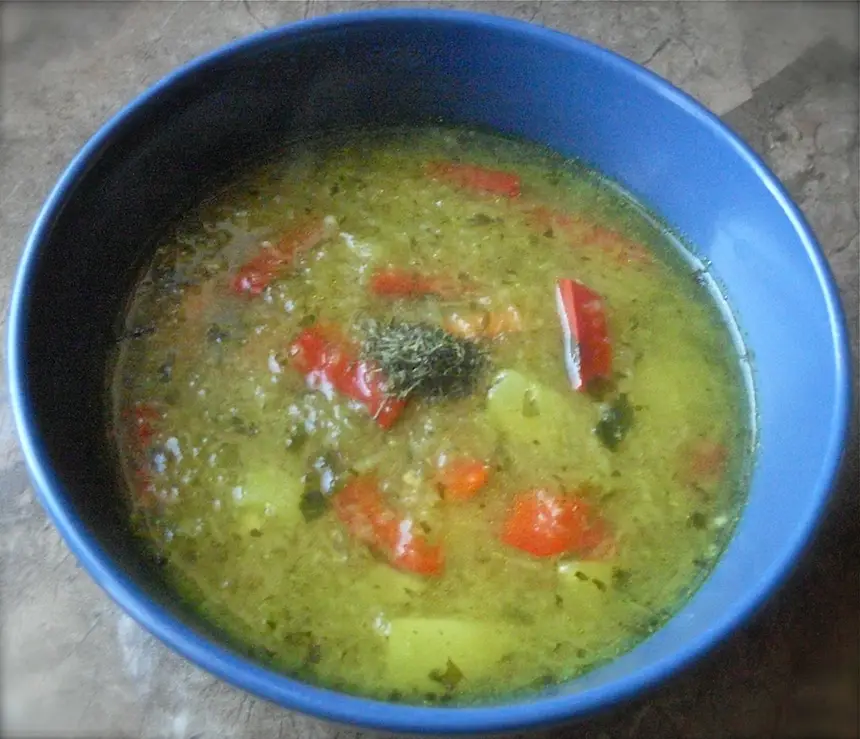
Long White Radish & Bear's Garlic Soup
untypical spicy flavor which you like more and more when tasting..
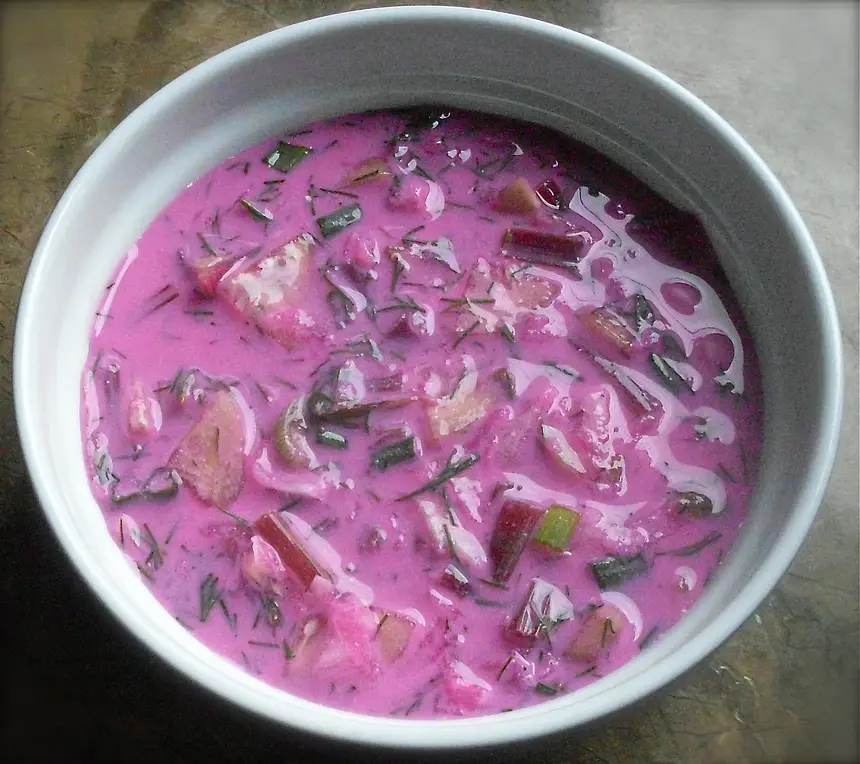
Chilled Vegetable Soup
great dish when it is hot outside and/or inside.. sometimes a main dish with separately served potatoes, often with meat or sausages.. I like to serve it as a side dish to grilled food.. similar to Lithuanian chilled beat soup, which is fantastic, however they add a lot of cream, hard boiled eggs and do not add radish rather..
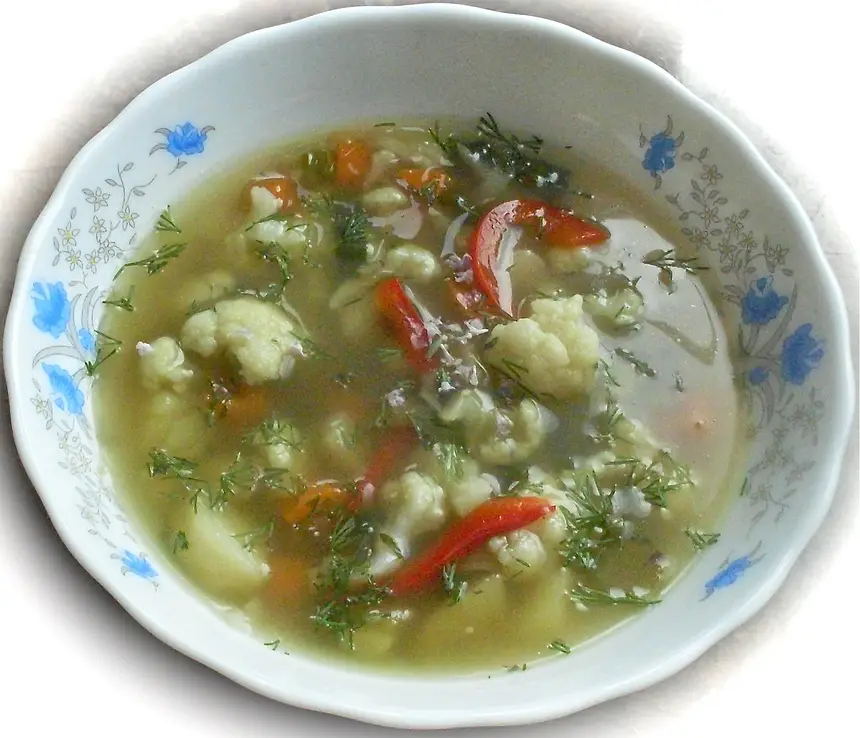
Cauliflower & Savory Soup
I cooked this soup 3 times lately, and the best base is turkey- chicken stock in my opinion. Just a summer soup made of many stems.
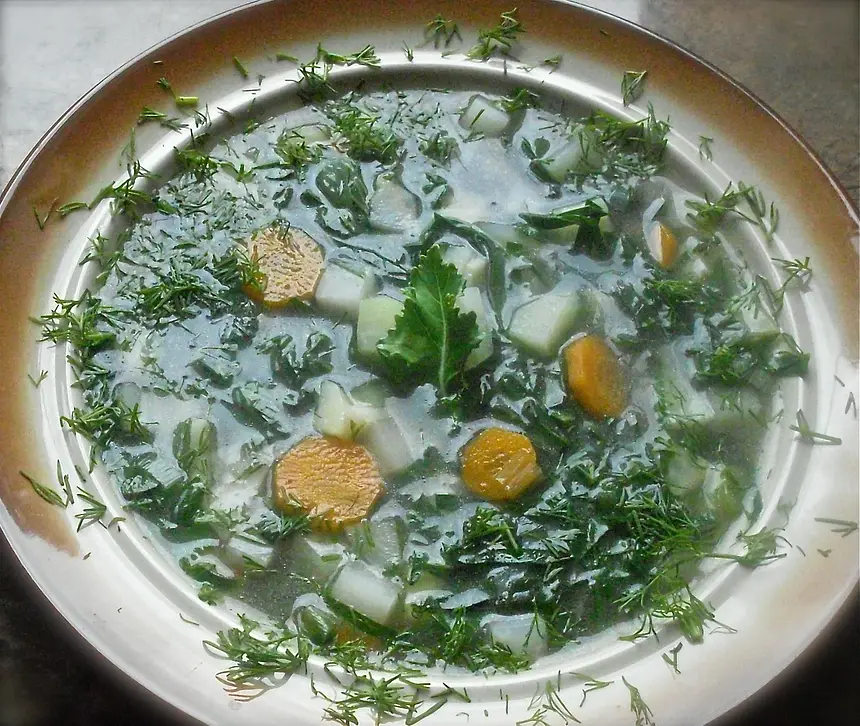
Kohlrabi Soup with Anise Flavor
Delicate, spring soup which is my rendition of the traditional Silesian soup called oberiba. Both recipes differ a lot, so this one shouldn't be named as Silesians did.
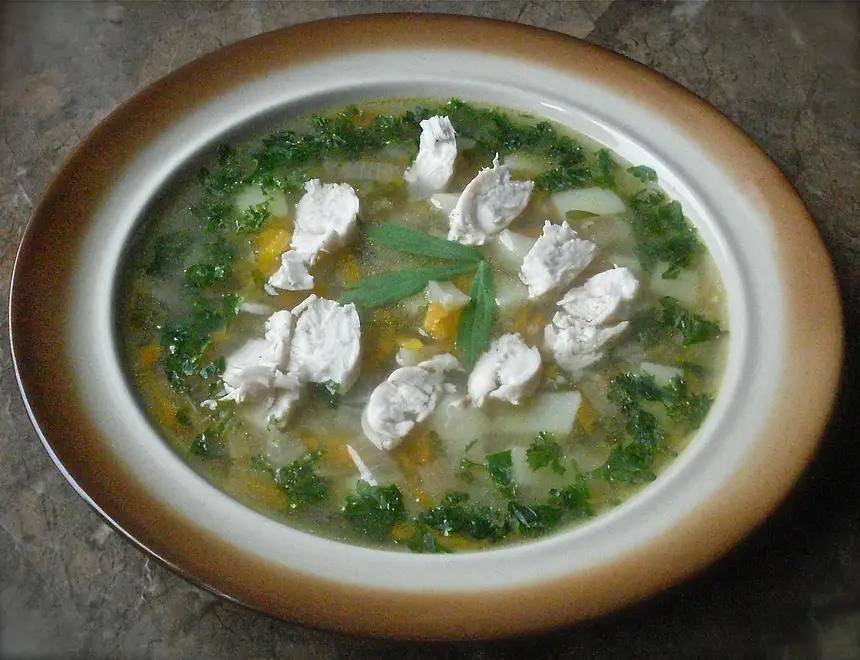
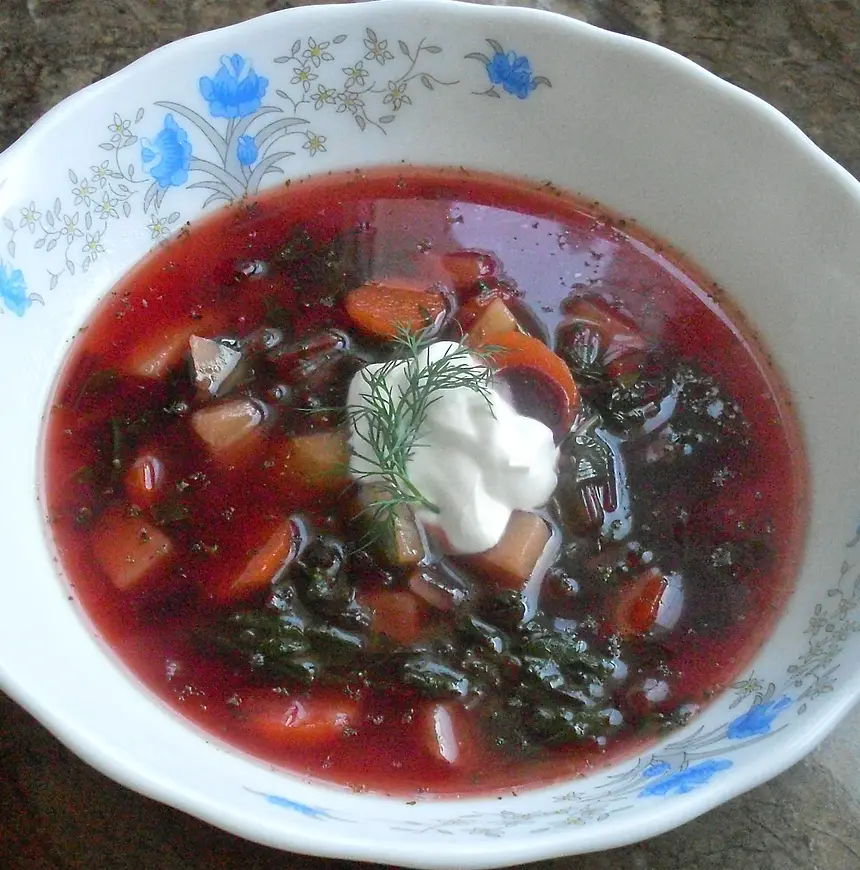
Spring Beet soup (Polish Botwina)
There are hundreds versions of this very Polish soup. Here you have an original proposition of mine. I used to cook it on the base of my favorite duck and chicken stock. The cream is a must to create wonderful pink color. Optionally you may add a quarter or a half of hard boiled egg to your bowl. By the way, I change my recipe sometimes, for instance by adding dried California prunes instead of sugar, or by adding some white vinegar instead of lemon juice.
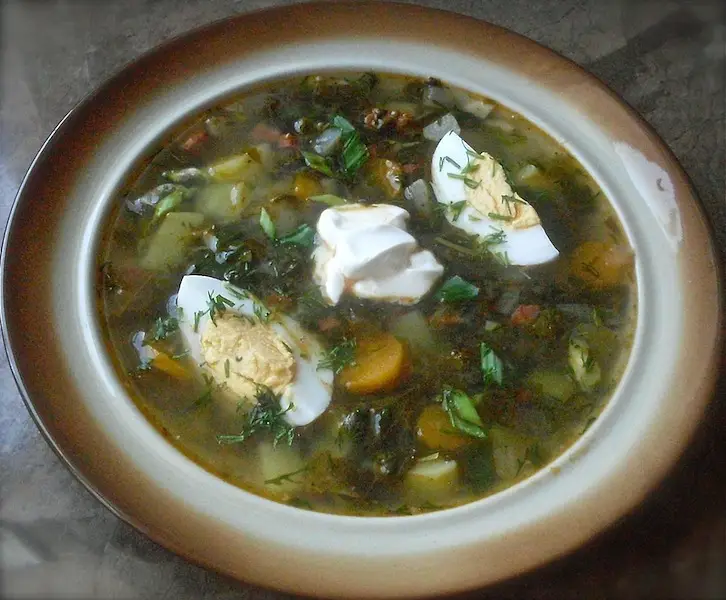
Sorrel Soup with Chorizo
I cook sorrel soup every spring year by year because of the unique sour flavor. I usually make it on the base of long simmered veal bones. This spring the process of cooking was shortened by using Spanish chorizo. No regret.
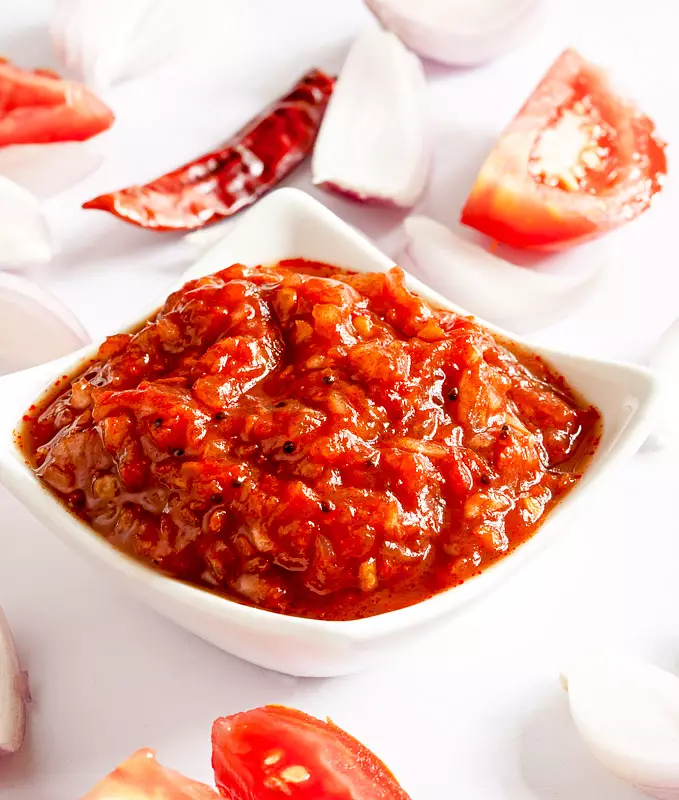
Apple-Lovage Chutney
Apple-lovage chutney pairs autumn apples with fresh lovage, ginger, mustard seed, and golden raisins, then water-bath cans for shelf-stable jars. A garden-to-pantry preserve with a celery-bright herbal twist.

Green Tomato Omelet with Basil
Green tomato omelet with cornmeal-dredged fried tomatoes, fresh basil, and scallions. A flat Italian-style frittata that turns end-of-season tomatoes into a satisfying meal.

Fish Soup with Fennel
Creamy fish soup with fennel, hake and flounder, simmered in homemade fish stock with leek, carrot, and lovage. A two-fish European-style chowder finished with sour cream and chopped fennel fronds.

Hot & Sour Garlic Chive Soup with Tofu
Hot and sour garlic chive soup with silky tofu, cloud ear mushrooms, seaweed, and miso. A vegetarian Asian-style broth with tangy rice vinegar, chili heat, and herbaceous garlic chive garnish.

Carrots Roman Style
Ancient Roman-style glazed carrots simmered with cumin, mint, lovage, and a splash of champagne vinegar. A rustic Italian side dish with herbaceous depth and a glistening finish.

Pea & Carrot Salad with Lovage
Pea and carrot salad with lovage tosses steamed fresh peas and baby carrots in a creamy mayo-yogurt dressing with Dijon mustard. The herb lovage adds a celery-like depth you won't get from parsley.

Lovage, Potato & Buttermilk Soup
Lovage, potato, and buttermilk soup with a velvety puree and tangy finish. A light, herbaceous soup that works hot or chilled with just five ingredients.

Lentils with Lovage
Green lentils simmered with lovage, thyme, orange peel, and shallots in a reduced butter sauce. A refined, herbaceous French-style lentil side dish with an unexpected citrus note.

Chicken Portabella
Seared chicken thighs baked with meaty portobello mushrooms in a red wine pan sauce with shallots, garlic, tarragon, and lovage. Restaurant-quality flavor, one pan, 45 minutes.