What Is Creme de cassis and How Can I Use It?
Here's everything worth knowing about creme de cassis and how to pick it, what it are, how to store it, and what to use instead, plus 11 recipes to cook tonight.
Key Points
- Sweet, inky blackcurrant liqueur from Burgundy, more tart and tannic than Chambord.
- Adds dramatic purple color and berry depth to cheesecakes, jellies, custards, and ice cream.
- The base of a Kir: about one part cassis to four or five parts white wine.
- On the savory side it builds tart pan sauces for duck and dark game poultry.
- Refrigerate an open bottle and use within about a year before color and flavor fade.
What are creme de cassis?
Crème de cassis is a sweet, dark liqueur made from blackcurrants steeped in spirit and sugar. It pours an inky purple, almost black in the bottle.
The taste is ripe blackcurrant: jammy and rich up front, with a tart, slightly tannic snap on the finish that keeps it from being syrupy. Cassis is the French word for blackcurrant, and the liqueur is a specialty of Burgundy, where Dijon producers built its reputation.
Most bottles run 15 to 20% alcohol, on the sweet, low-proof end of the shelf. A little does a lot of work, and the deep color and tart-sweet berry flavor make it useful far beyond the glass.
Cooking With Crème de Cassis
In the kitchen, cassis earns its keep two ways: as color and as a tart counterweight to sweetness or fat. A spoonful turns a pale dessert a dramatic purple and adds berry depth no food coloring can match.
It folds beautifully into cold and creamy desserts. Creme De Cassis Cheesecake leans on it for both the marbled color and the fruit note against the rich filling, and a splash sharpens custards and ice cream bases the same way.
The blackcurrant flavor also concentrates well into preserves and jellies, as in Cassis Jelly and Black Currant Tea & Cassis Brownies, where the liqueur deepens the fruit without watering it down.
On the savory side, cassis is a classic partner for duck and dark game poultry. Deglaze the pan with a splash, then add stock and reduce to a glossy sauce whose tartness cuts through fatty meat, the idea behind Blackberry Chicken.
It also pairs naturally with other dark fruit. Stir a little into Stewed Plums in Honey with Cinnamon Ice-Cream or over fresh berries, and it ties the flavors together with a deeper, winey note.
Cassis Versus Chambord, and Common Mistakes
Cassis and Chambord get swapped for each other, but they're not the same. Chambord is black raspberry, rounder and sweeter, with a cognac warmth.
Cassis is blackcurrant: more tart, more tannic, with a sharper edge. Use cassis when you want acidity and a near-black color, Chambord when you want soft sweetness.
The most common drink is the Kir, white wine with a measure of cassis stirred in, and the Kir Royale, the same with Champagne instead of wine. Classic French bars pour roughly one part cassis to four or five parts wine, so the liqueur tints and sweetens rather than dominates.
The biggest mistake is overpouring. Cassis is sweet and assertive, so too much in a sauce turns it cloying and too much in a Kir makes it taste like syrup.
Start with a teaspoon or two and build up. The second mistake is hard boiling a savory sauce after adding it.
Long, hard reduction can scorch the sugar and turn the flavor flat. Reduce gently and add a final splash off the heat to keep the fresh berry top note.
Substitutes
The nearest swap is another blackcurrant liqueur or a cassis syrup, though syrup has no alcohol and is sweeter, so cut back on added sugar. Chambord or a raspberry liqueur works in a pinch, but expect a sweeter, less tart result and a redder color.
For a savory sauce, a splash of port or a fruity red wine plus a spoonful of blackcurrant or blackberry jam gives you similar body and tartness.
For an alcohol-free version, use blackcurrant juice or jam thinned to a pourable syrup. You lose the boozy depth but keep the color and fruit.
Buying and Storing Crème de Cassis
Cassis is sold in liquor stores. Look at the label: bottles labeled crème de cassis de Dijon are typically richer and more concentrated than generic cassis, with more fruit per bottle.
A smaller bottle is usually plenty, since recipes and cocktails use so little. Store it upright in a cool, dark cupboard.
Unopened, it keeps for years, since the sugar and alcohol act as preservatives. Once opened, cassis is more delicate than higher-proof spirits because of its lower alcohol and fresh-fruit character.
The color and flavor fade over time, so refrigerate an open bottle and try to use it within about a year for the brightest taste. If it darkens to brown or tastes dull and flat, the fruit has oxidized and it's worth replacing.
Quick facts
- In Chinese
- 奶酪和黑醋栗
- British (UK) term
- Creme de cassis
- en français
- de crème de cassis
- en español
- crema de cassis
Recipes using creme de cassis
There are 11 recipes that contain this ingredient.
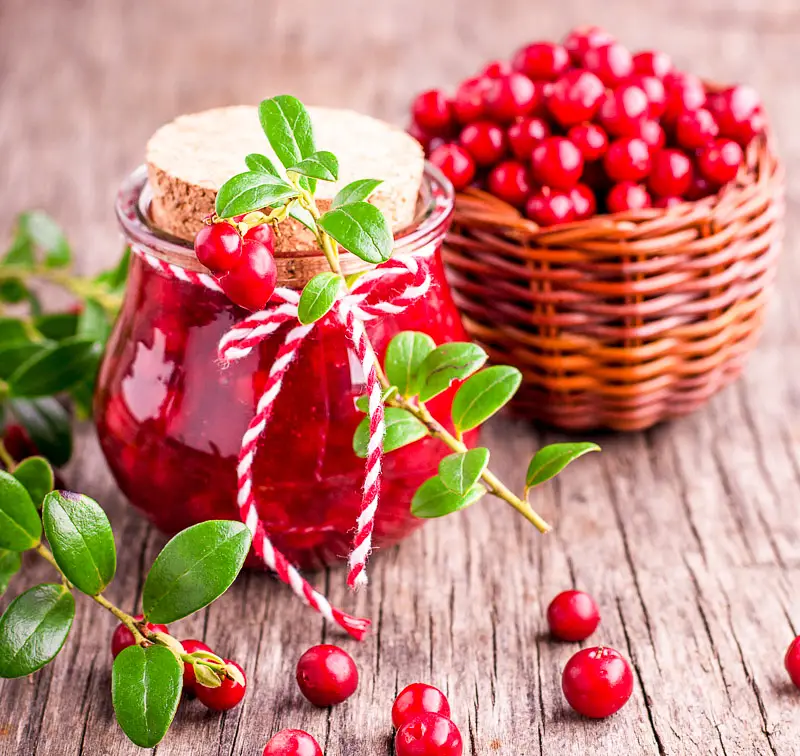
Cranberry Apple Preserves


This tasty recipe made with creme de cassis is a perfect side dish for a Thanksgiving dinner. It will sure make your grandmother proud!
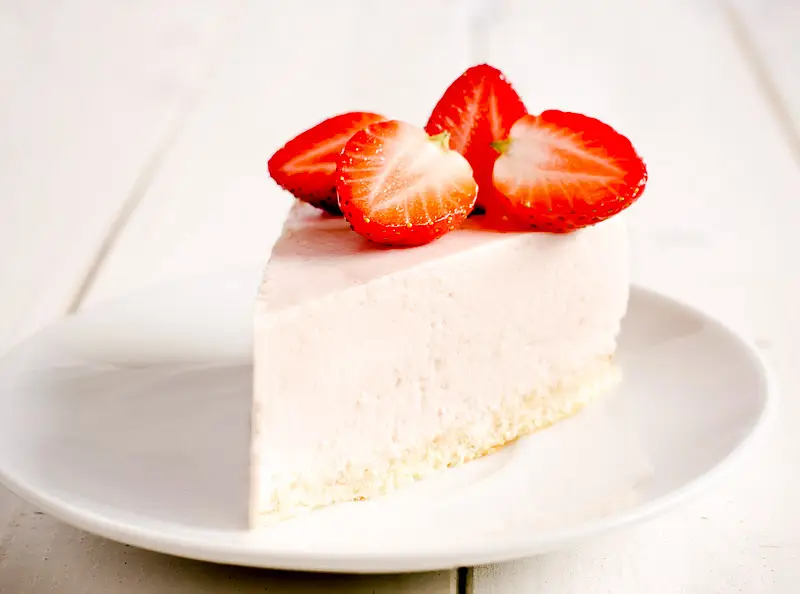
Creme De Cassis Cheesecake
Cassis cheesecake with white chocolate folded into the filling, creme de cassis liqueur, and a tangy sour cream topping with almond. A French-inspired cheesecake with subtle blackcurrant and almond notes.
Carmel Mountain Ranch Cold Strawberry Soup
Chilled strawberry dessert soup made with puréed fresh berries, heavy cream, milk, and a splash of crème de cassis. No cooking required. Elegant and refreshing.
White Chocolate Chocolate Chip Sorbet
White chocolate sorbet with dark chocolate chips and a whisper of creme de cassis. A dairy-free frozen dessert with deep cocoa-butter richness and bright black-currant lift.

Port-Glazed Figs
Fresh figs poached in port and creme de cassis, the wine reduced to a glossy syrup, served over vanilla frozen yogurt. An elegant, low-fat dessert with deep berry and fig flavor from just a few ingredients.
Stewed Plums in Honey with Cinnamon Ice-Cream
A Swiss showstopper: fresh plums caramelized in red wine, kirsch, and honey with pine nuts and pistachios, topped with homemade cinnamon ice cream. Serve warm or cold.
Caramel Mountain Ranch Cold Strawberry Soup
Chilled strawberry soup with pureed fresh berries, creme de cassis, heavy cream, and milk. Rests overnight for deep flavor. An elegant cold dessert soup for warm days.
Lavender Jelly
Lavender jelly made with champagne, apple juice, creme de cassis, and fresh lavender flowers set with gelatin. An elegant, fragrant dessert jelly with a pale purple hue.

Blackberry Chicken
Pan-seared chicken breasts in a silky blackberry vinegar and cream sauce with shallots, crème de cassis, and fresh blackberries. French-inspired, elegant, and on the table in about an hour.
Cassis Jelly
A jewel-toned cassis jelly made with crème de cassis, cranberry-apple juice, and liquid pectin. Boozy, fruity, and gorgeous in the jar. Ready to can or refrigerate in under an hour.
Black Currant Tea & Cassis Brownies
Black currant tea brownies layer cassis-infused fudge squares with a glossy berry preserve and a silky black currant tea ganache. A boozy, perfumed showstopper.