What Is Chinkiang vinegar and How Can I Use It?
Wondering what to do with chinkiang vinegar? This guide covers how to pick it, cook it, store it, and swap it, plus 7 recipes to put it to work.
Key Points
- Aged Chinese black vinegar from Zhenjiang, made from glutinous rice, malty and savory rather than sharp.
- Its signature use is a dumpling dip with soy sauce, ginger, and chili oil.
- Builds hot-and-sour flavor and adds depth to Sichuan braises; stir it in near the end.
- Add it late and use a light hand; long boiling flattens the aroma to plain acidity.
- Substitute another black vinegar, or dark balsamic cut with rice vinegar and a drop of soy.
What is chinkiang vinegar?
Chinkiang vinegar is the most famous Chinese black vinegar, named for the city of Zhenjiang (spelled Chinkiang on the old labels) in Jiangsu province. It is made mostly from glutinous rice, sometimes with wheat bran or sorghum, then fermented and aged until it turns inky black.
Its flavor is the reason cooks reach for it: a deep, malty, almost smoky tang with a faint sweetness and a savory, umami background. Think of it as the soy-sauce of vinegars, dark and rounded rather than sharp and bright.
It turns up all over Chinese cooking, especially in the south and in Sichuan dishes, and a bottle lasts a long time.
Cooking With Chinkiang Vinegar
Its most famous use is a dumpling dip. Mix Chinkiang vinegar with a little soy sauce and slivered fresh ginger, add a few drops of chili oil, and you have the classic sauce for pork dumplings and potstickers.
It is also the backbone of hot-and-sour flavor. Hot & Sour Cabbage uses that black-vinegar tang against chili and a touch of sugar, the same balance that drives hot-and-sour soup.
It belongs in cold sauces too. Chinese Spicy Cold Noodles with Chicken and Cold Shredded Vegetables with Chicken both lean on its rounded sourness, cut with sesame and soy.
In braises it adds depth without harshness, the way a spoonful stirred into Sichuan Style Tofu with Mushrooms near the end lifts the soy-heavy sauce.
Cooking and Pairing
It is at home with bold aromatics. Chinkiang vinegar partners naturally with soy sauce, ginger, garlic, chili oil, and sesame, and it loves fatty foods, which is why it cuts so well against pork and braised meats.
A useful trick: a small splash added at the very end of a stir-fry, off the heat, lifts the whole dish the way a squeeze of lemon would, without turning it sour.
The most common mistake is treating it like Western vinegar and using too much, or boiling it hard for a long time. Long cooking flattens its aroma and leaves only acidity, so add it late.
The second mistake is grabbing seasoned rice vinegar by accident. That sweet, pale vinegar is a completely different animal and will not give the malty depth.
Substitutes
The closest swap is another aged Chinese black vinegar, since Chinkiang is one specific brand-region of that family.
Failing that, mix a good dark balsamic with a little rice vinegar and a drop of soy sauce to mimic the sweet-malty-savory profile. Use roughly two parts balsamic to one part rice vinegar and adjust.
Worcestershire sauce thinned with a little water can stand in for color and umami in a braise, though it brings its own anchovy note. Plain rice vinegar alone is the wrong move; it is sharper and pale, with none of the depth.
Buying and Storage
Look for the iconic yellow-labeled bottles in any Chinese grocery, listed as Zhenjiang or Chinkiang vinegar. Check that rice (and sometimes wheat) is the base, not just colored distilled vinegar, and an aging claim on the label is a good sign.
Acidity typically runs around 5 to 6 percent.
Store it in a cool, dark cupboard with the cap tight. Like all vinegar it does not spoil and keeps for years, even improving slightly with a little age.
A thin layer of sediment at the bottom is normal in a real aged vinegar, so just decant gently and leave it behind.
Quick facts
- In Chinese
- 镇江醋
- British (UK) term
- Chinkiang vinegar
- en français
- vinaigre CHINKIANG
- en español
- vinagre Chinkiang
Recipes using chinkiang vinegar
There are 7 recipes that contain this ingredient.
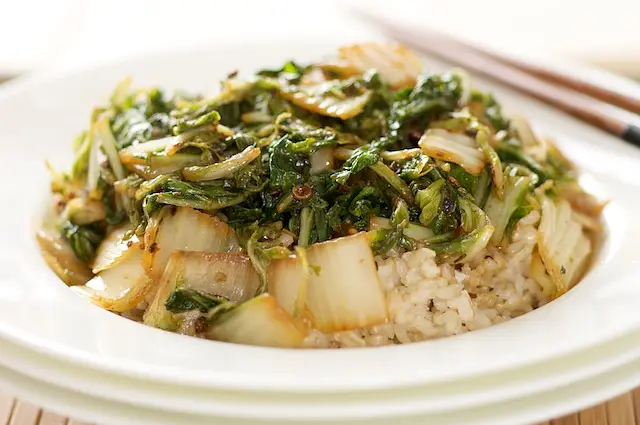
Hot & Sour Cabbage


Quick, easy and tasty! The stir-fried cabbage can be served with steamed rice or crusty bread.
Cauliflower with Beef Szechwan Style

Sherry-marinated beef stir-fried with cauliflower, roll-cut carrots, and black mushrooms in a Szechuan peppercorn sauce with black bean paste and Chinkiang vinegar. Authentic wok cooking with serious depth of flavor.

Cold Shredded Vegetables with Chicken
Stunning Chinese shredded vegetable and chicken platter with wood ear fungus, egg strips, and a ginger-mustard sesame dressing. A composed cold salad that looks as spectacular as it tastes.
Spicy Cold Noodles with Chicken
Chinese cold noodles tossed with shredded steamed chicken, slivered egg crepes, and scallions in a soy-chili oil dressing with Chinkiang vinegar and ginger. A refreshing, spicy summer noodle dish.
Chinese: Cold Shredded Vegetables with Chicke
A stunning cold Chinese platter of shredded vegetables, wood ear fungus, egg strips, and hand-pulled chicken, layered and dressed in a mustard-ginger-sesame-Chinkiang vinegar sauce. A showpiece salad for special occasions.

Chinese Spicy Cold Noodles with Chicken
Cold chewy noodles with shredded chicken and silky egg strips in spicy Sichuan dressing. This make-ahead Chinese salad is perfect for hot summer nights, ready in an hour.