What Is Salad dressing, fat-free and How Can I Use It?
If salad dressing, fat-free has turned up in a recipe or caught your eye at the store, here's what you need to use it with confidence and how to choose it, cook it, store it, what to substitute, and 11 recipes to try it in.
Key Points
- Bottled dressing with little or no oil; fat swapped for water, acid and thickeners
- Cuts most of the calories of regular dressing, which come almost entirely from oil
- Without oil it loses flavor and cling, so use it on bold, sturdy ingredients, not delicate greens
- Shines as a low-oil marinade and a lighter binder in potato or egg salad
- Check the label: fat-free bottles often add sugar and salt to make up for lost fat
What is salad dressing, fat-free?
Fat-free salad dressing is bottled dressing made with little or no oil. The fat is replaced by water and acid, then thickened with gums, starches or pureed vegetables to give it some body.
Sold in the same flavors as regular dressing, from ranch to Italian to balsamic vinaigrette, it trades richness for far fewer calories.
The appeal is simple: a regular two-tablespoon serving can carry well over a hundred calories almost entirely from oil, while a fat-free version cuts most of that. For anyone counting calories or fat, that is the whole point.
The catch is just as simple. Fat is what carries and lingers flavor on the palate, so fat-free dressings taste sharper and thinner, and they fade faster. Knowing that tradeoff is what lets you use them well.
How to Use Fat-Free Dressing
The obvious job is dressing salads, and it works best on sturdy, flavorful bases rather than delicate greens that need oil to cling. It coats beans, grains and crisp vegetables, as in a Rice & Lentil Salad or a Mixed Summer Vegetable Salad where the other ingredients carry the dish.
It doubles neatly as a lighter binder. A spoonful stands in for some of the mayonnaise in an Apple Potato Salad or a Sunny Egg Salad in Cream Puffs, cutting fat while adding tang.
Where it really pulls its weight is as a marinade. The acid and seasonings tenderize and flavor meat without the oil a classic marinade uses, which is exactly how Beef & Vegetable Kebabs gets seasoned before grilling.
It also works as a quick sauce or spread on sandwiches and wraps like Middle Eastern Sandwiches. And because there is no oil to scorch, it can be brushed on during grilling or roasting without the smoking a high-oil marinade causes.
Pairing and Common Mistakes
Lean on fat-free dressing where bold ingredients do most of the work. Think assertive greens, beans, whole grains, grilled meats, plus pungent add-ins like onion or feta. A creamy fat-free ranch suits crunchy raw vegetables, while a tangy fat-free Italian suits a hearty grain salad.
The biggest mistake is expecting it to behave like a real vinaigrette. Without oil it cannot form a stable emulsion or give that glossy cling.
So do not reach for it where the coating itself is the point, like a warm potato salad meant to glisten or a dish built around an oil-based dressing.
The flavor trap is dilution. Fat-free dressings are often water-thin and lose punch fast, so taste as you go and use a bit more than you would of a rich dressing. A squeeze of lemon and a handful of fresh herbs revives a salad that tastes flat.
Substitutes
The simplest swap is a light or reduced-fat dressing, which keeps a little oil for body and flavor while still cutting calories. Most people find it tastes noticeably better, and you use it one-for-one.
You can also make your own. Whisk vinegar or citrus with a spoonful of mustard and a little honey, then thin with broth or water instead of oil.
The mustard helps it cling, and you control the salt and sugar, which bottled fat-free versions often pile on to compensate for the missing fat.
For a creamy style, plain nonfat yogurt thinned with vinegar and herbs makes a fresher, higher-protein stand-in for bottled fat-free ranch, and it actually clings better.
Buying and Storing Fat-Free Dressing
Read the label, not just the front. Fat-free dressings frequently make up for lost fat with extra sugar, salt, and starch, so a bottle marketed as healthy can be heavy in added sugar; compare the nutrition panel across brands.
Unopened bottles are shelf-stable and keep until the printed best-by date, stored in a cool, dark cupboard. There is no oil to go rancid, which is one quiet advantage over oil-based dressings.
Once opened, refrigerate it and use it within the window the label gives, generally a month or two. The higher water content means a fat-free bottle can spoil sooner than a regular one, so toss it at any off smell or mold around the cap.
Shake well before each use, since the thickeners and water tend to settle.
Quick facts
- In Chinese
- 沙拉酱,不含脂肪
- British (UK) term
- Salad dressing, fat-free
- en français
- vinaigrette, sans gras
- en español
- aderezo para ensalada, sin grasa
Recipes using salad dressing, fat-free
There are 11 recipes that contain this ingredient.
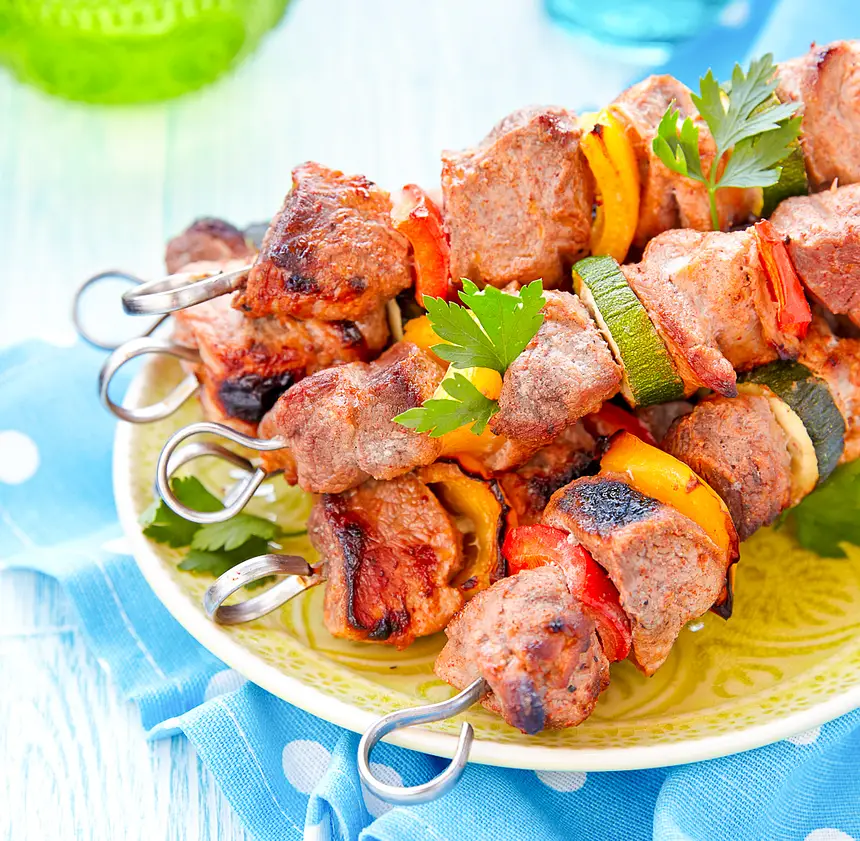
Beef & Vegetable Kebabs


Beef and vegetable kebabs thread marinated sirloin with sweet red and yellow peppers and zucchini, then grill or broil until charred. A fast, colorful skewer that leans on Italian dressing for an easy marinade.
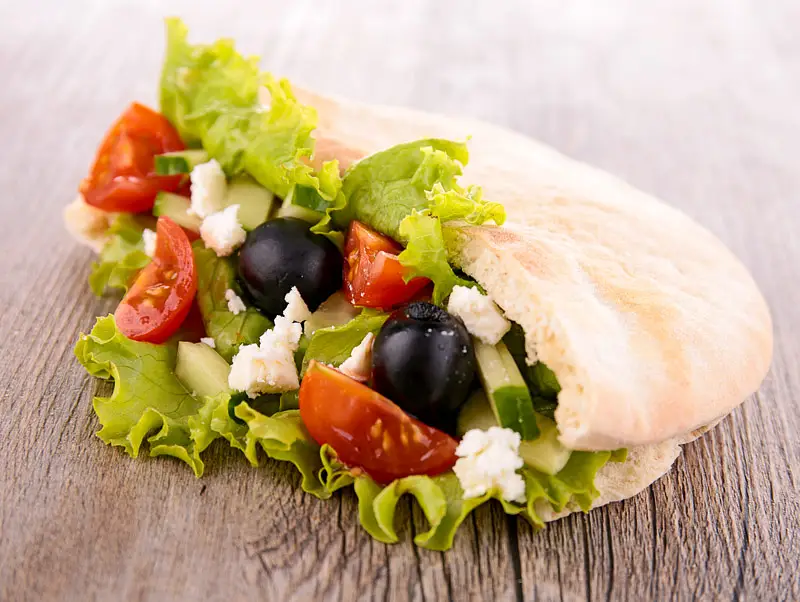
Middle Eastern Sandwiches
Middle Eastern pita sandwich stuffed with hummus, tabouli, crumbled feta, olives, and crisp romaine. A fast vegetarian lunch with Mediterranean flavors and a lemon-dill drizzle.
Rice & Lentil Salad
Wild rice and lentil salad with brown rice, tri-color bell peppers, cherry tomatoes, and fresh herbs in a fat-free tomato-herb vinaigrette. A colorful, high-fiber grain salad.
Mixed Summer Vegetable Salad

Store-bought non-fat salad dressing makes this salad as simple as can be. Crunchy vegetables make it tasty and low in fat.

Fuss Free Parmesan Chicken
Fuss-free Parmesan chicken with grilled boneless breasts brushed with a fat-free Italian dressing, Parmesan, and Italian herb sauce. Four ingredients, ready in 25 minutes, under 200 calories per serving.
Sunny Egg Salad in Cream Puffs
Creamy egg salad with bacon and celery served inside homemade cream puffs. A show-stopping lunch or brunch that upgrades classic egg salad into something truly special.
Gorgeous Burger
Grilled veggie burger with pineapple, red onion, Swiss cheese and lettuce on a whole wheat bun. Tropical vegetarian burger ready in 20 minutes.
Chinese Chicken Sandwiches
A no-cook Chinese chicken pita sandwich stuffed with chopped chicken, fresh bean sprouts, scallions, and sesame seeds with a soy-ginger dressing. The perfect packed lunch ready in 5 minutes.
Lentil & Wheatberry Salad
Lentil and wheat berry salad tossed with fresh vegetables and herbs in a fat-free red wine vinegar dressing. High-fiber, vegan, and endlessly customizable with whatever produce you have on hand.
Apple Potato Salad
Refreshing potato salad with crisp Delicious apples, crunchy celery, and fat-free dressing. The apples add unexpected sweetness and crunch. Chill several hours before serving.