What Are Cornichons and How Can I Use Them?
If cornichons have turned up in a recipe or caught your eye at the store, here's what you need to use them with confidence and how to choose them, cook them, store them, what to substitute, and 7 recipes to try them in.
Key Points
- Tiny tart French gherkins pickled in vinegar with tarragon, bracingly sour and crisp.
- A seasoning, not a snack: their acid cuts the fat in pate and cured meats.
- Chop them in cold sauces like gribiche and tartar, or slice them into salads.
- Add them late so they keep their crunch, and never sweeten away their sourness.
- Keep opened jars chilled and submerged in brine; they last several months that way.
What are cornichons?
Cornichons are tiny, tart French pickles made from gherkin cucumbers harvested young, when they are no longer than a little finger. They are pickled in vinegar rather than salt brine, often with tarragon and pearl onions, which gives them a sharp, mouth-puckering sourness and a firm, almost crisp snap.
They are not sweet.
Where an American bread-and-butter pickle leans sugary, a true cornichon is bracingly acidic, and that sharpness is the whole point: it exists to cut fat and richness on the plate.
Think of them as a seasoning more than a snack. A few chopped into a sauce or scattered beside a rich dish do more work per bite than their size suggests.
Cooking With Cornichons
Their classic role is the foil to fatty, salty foods. They are the traditional partner to pate and cured meats, the bright acid bite that resets your palate between rich mouthfuls on a charcuterie board.
Chopped fine, they bring tang and texture to cold sauces. They are a defining note in a Gribiche Sauce and the cornichon-flecked dressing for Fillet of Beef with Cornichon Tarragon Sauce, and they stand in for capers or relish in a homemade Tartar Sauce.
They also work raw in salads and sandwiches, where their acidity wakes up creamy or starchy ingredients. Try them sliced into an Avocado, Cornichon & Arugula salad or folded through a potato or egg salad for a sharp counterpoint.
Pairing and Common Mistakes
Cornichons love everything rich and fatty: cured sausage and smoked fish, sharp cheese and cold roast beef, and mustard-heavy dressings. Their tarragon note pairs especially well with beef and with the Dijon mustard they so often sit beside.
The most common mistake is treating them like sweet pickles and adding sugar to compensate. Their sourness is a feature; balance it with fat and salt on the plate, not by sweetening the cornichon itself.
The second mistake is over-chopping them into a sauce too early. Their crunch is part of what they offer, so chop them just before serving and fold them in at the end, or they go soft and lose the textural contrast that makes them worth using.
Substitutes
Capers are the closest swap in spirit, small and sharply briny, though they bring a floral, almost lemony note rather than tarragon. Use them roughly one for one in sauces.
Dill gherkins or small dill pickles are the next best thing, similar in size and crunch but milder and less tart, so add a splash of extra vinegar if you want the cornichon edge. Avoid sweet pickles, which pull the dish in the wrong direction entirely.
For a quick stand-in, finely diced dill pickle plus a few drops of white wine vinegar gets close to the brightness. Pickled pearl onions can cover the role in a charcuterie spread when you have no cornichons at all.
Buying and Storing
Cornichons come in jars in the pickle or international aisle, usually labelled cornichons or sometimes French gherkins. Look for ones packed in vinegar with tarragon listed, and pick small, uniform pickles, since the tiniest are the crispest and most sought after.
Once opened, keep the jar refrigerated with the pickles fully submerged in their brine, which is what preserves them and keeps them crunchy. They will stay good for several months this way, slowly softening over time.
If the brine drops below the pickles, top it up with a little white wine vinegar so the exposed ones do not spoil.
Always use a clean fork rather than fingers. Crumbs or bacteria are the fastest way to cloud the brine and shorten the jar's life.
Quick facts
- In Chinese
- cornichons
- British (UK) term
- Cornichons
- en français
- cornichons
- en español
- cornichons
Recipes using cornichons
There are 7 recipes that contain this ingredient.
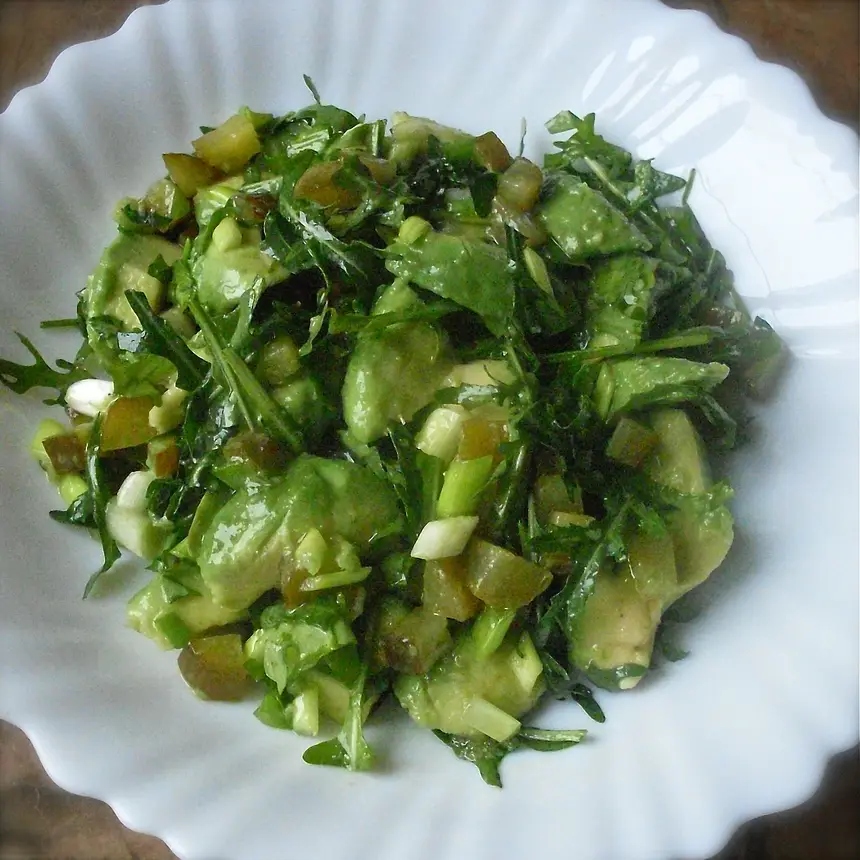
Avocado, Cornichon & Arugula salad


Avocado, cornichon, and arugula salad: creamy avocado tossed with peppery arugula, tangy cornichons, and chives in a lemon dressing. A bright, sour-edged green salad that comes together fast.
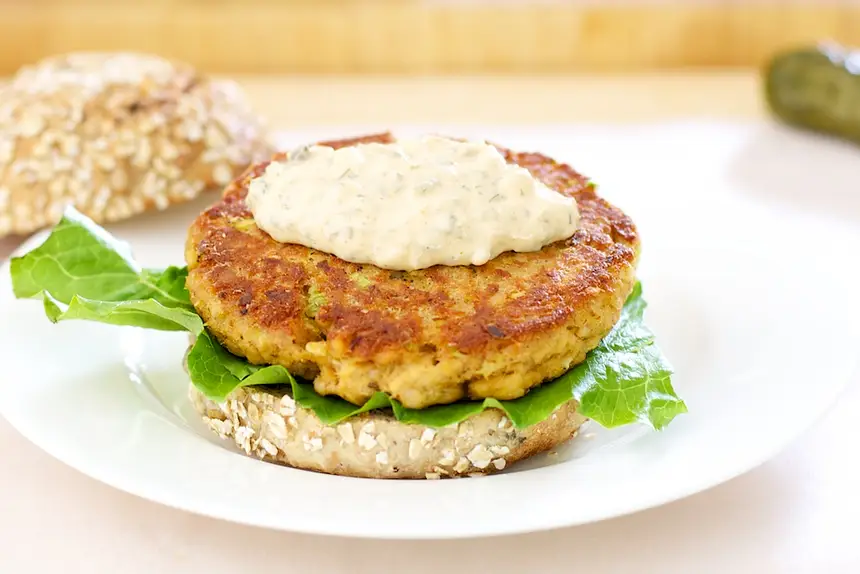
Tartar Sauce
Make your delicious tartar sauce with this easy to follow recipe that doesn't take a lot of time to prepare.
Gribiche Sauce
Classic French gribiche sauce with Dijon mustard, red wine vinegar, capers, cornichons, and hard-boiled eggs. Served alongside slow-simmered beef shank medallions and steamed baby leeks.
Pan-Fried Cornmeal Crabcakes
These crispy pan-fried crabcakes get their crunch from a golden cornmeal crust while minced cornichons and jalapeño add bright, briny heat. Fresh lump crab stays the star with minimal filler.
Stewed Pork with Pickles
Pork shoulder braised in white wine and tarragon vinegar, finished with cornichons, Dijon mustard, cream, and Brussels sprouts. French bistro comfort served over buttered noodles.
Fillet of Beef with Cilantro Lime Sauce
Cold roasted beef fillet served rare with a vibrant cilantro lime sauce made from fresh herbs, cornichons, Dijon mustard, and garlic. An elegant make-ahead main for entertaining.
Fillet of Beef with Cornichon Tarragon Sauce
Roasted beef tenderloin served with a French-style white wine cornichon tarragon sauce finished with Dijon mustard butter. A classic dinner-party main that cooks in under 25 minutes.