70 traditional recipes
by title
 Recipe NOT List™ - disabled
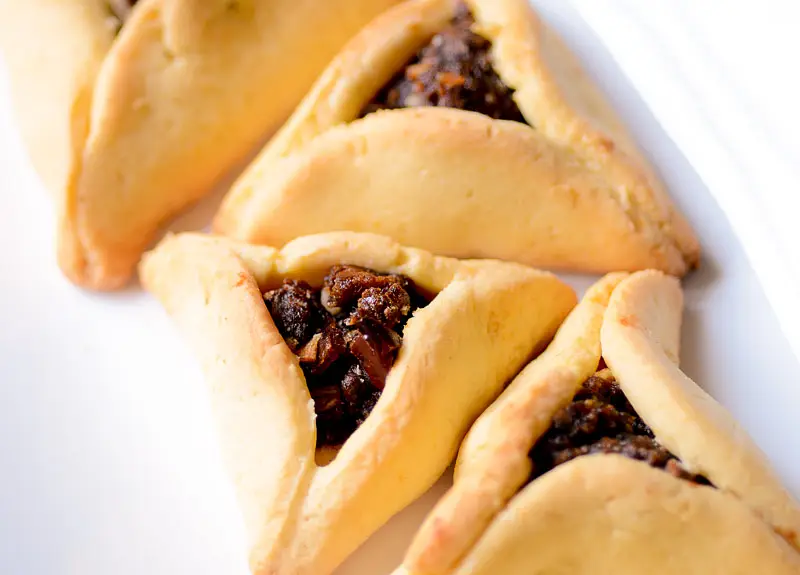
Traditional yeasted hamantaschen for Purim, a sweet egg-rich yeast dough folded into the iconic three-cornered hat shape around poppy seed or fruit filling. The Old World version, not cookie dough.
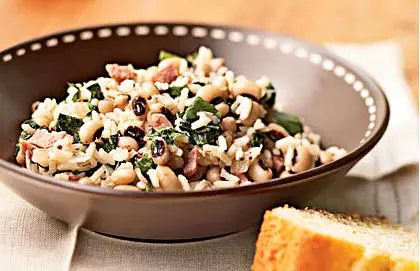
Along the coast of the Southern US eating Hoppin' John on New Year's Day is thought to bring a year filled with luck and prosperity. The beans symbolize coins or pennies. Sometimes a penny is added to the pot or can be left under the bowls of Hoppin' John. Greens such as Collards, chard or kale can be added and symbolize the color of money and are said to add to ones wealth in the new year. The day after New Year's Day the leftovers are called "Skippin' Jenny," and further demonstrates one's frugality. A common tradition in the south US is each person at the meal should leave three peas on their plate to ensure the New Year will be filled with Luck, Fortune and Romance. Another tradition holds that counting the number of peas in a serving predicts the amount of luck (or wealth) that will be collected over the next year.
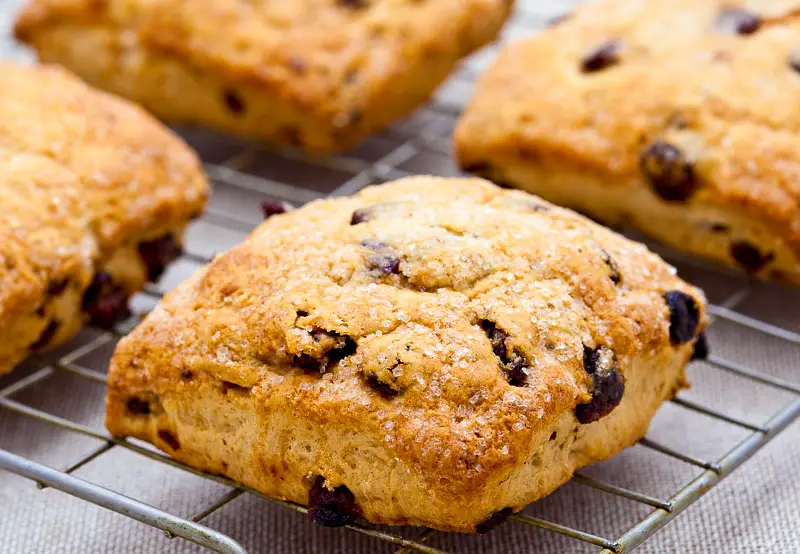
Traditional English scones bake tender, flaky rounds with raisins and a tall layered rise. Served warm with berry preserves and clotted cream for a proper afternoon tea.
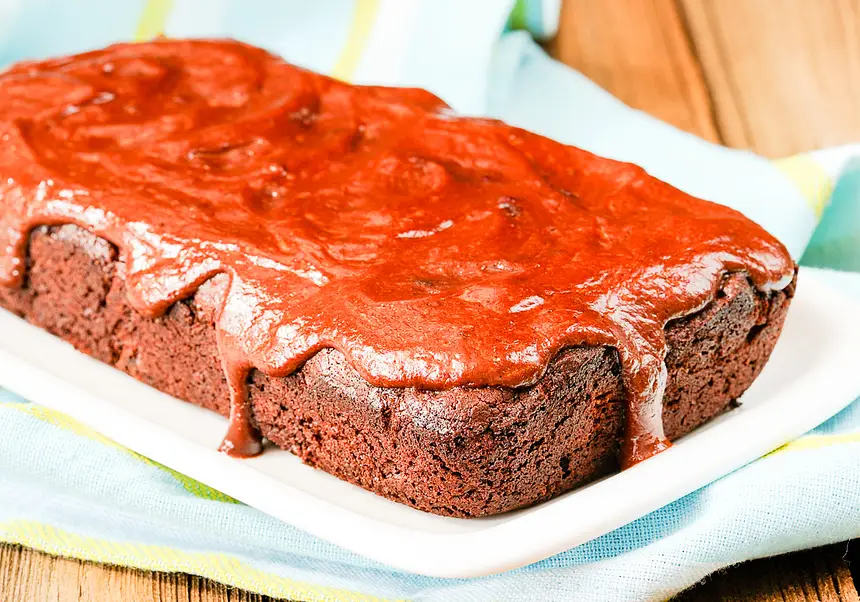
Old-fashioned applesauce cake with cinnamon, cloves, and a hint of cocoa, studded with raisins and baked in a 9x13 pan. Tender, moist, and ready to slice in 50 minutes.

Irish Colcannon recipe; also known as Colcannon potatoes is a traditional Irish dish of mashed potatoes with kale or cabbage cooked with bacon. Perfect for St. Patrick's day.
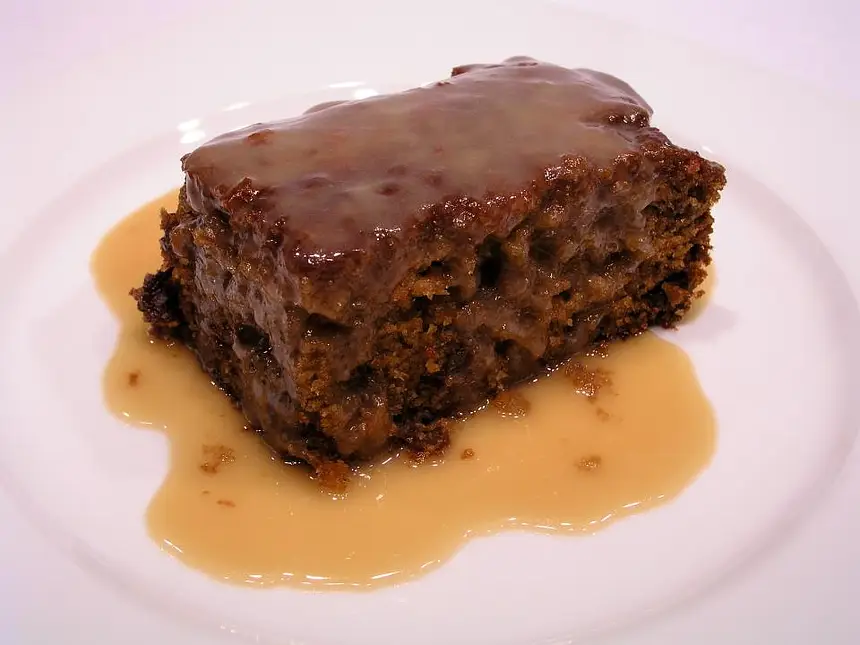
This is a traditional English sweet. Moist, rich cake with dates, covered in a caramel/toffee sauce. Best served warm.
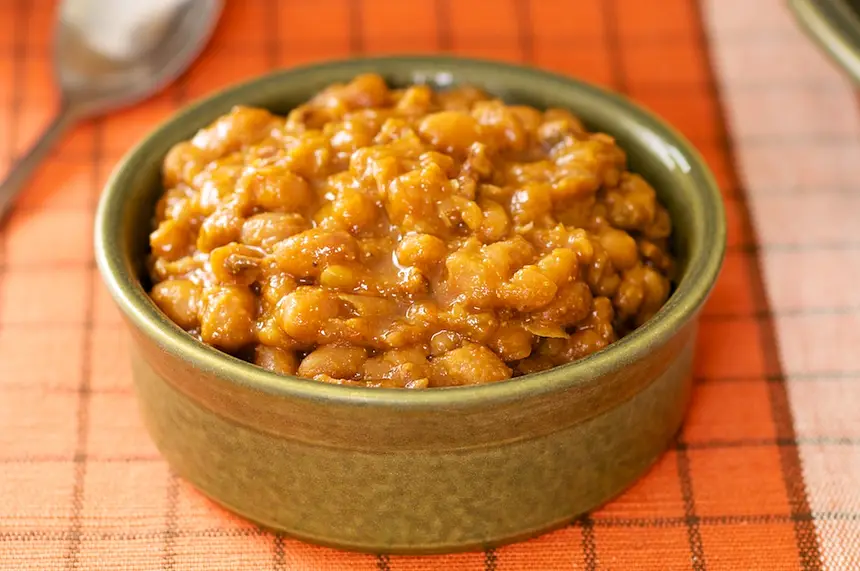
Take a trip to Boston with this savory dish that is best served with bread bowls or dinner rolls.
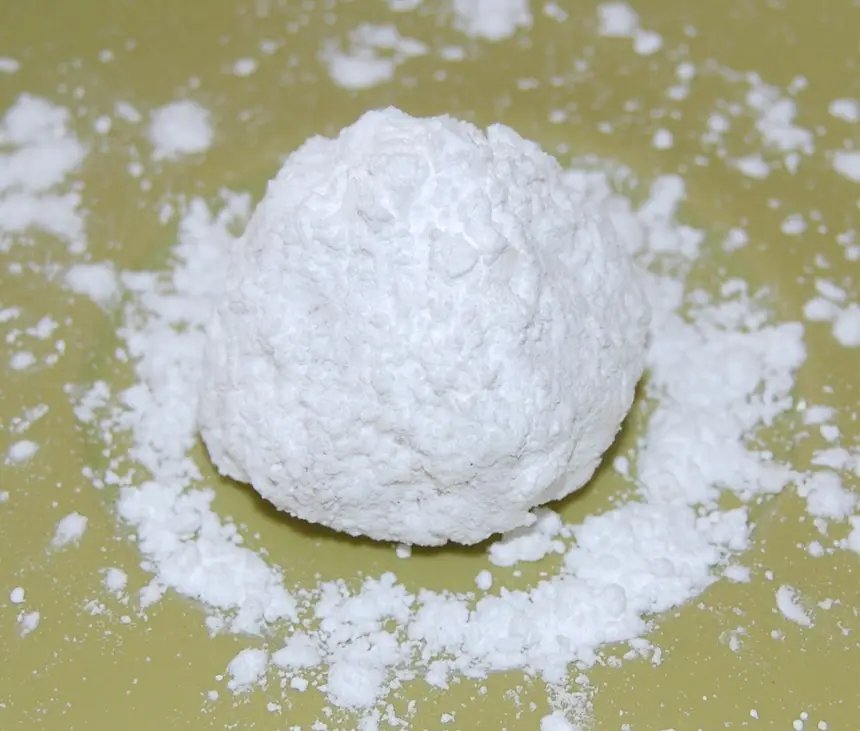
A Greek butter cookie with almonds and powder sugar.

Dairy-free pumpkin pie blends silken tofu into the custard in place of evaporated milk, for a smooth, traditional-tasting pumpkin pie with no dairy. An easy blender filling for the holidays.
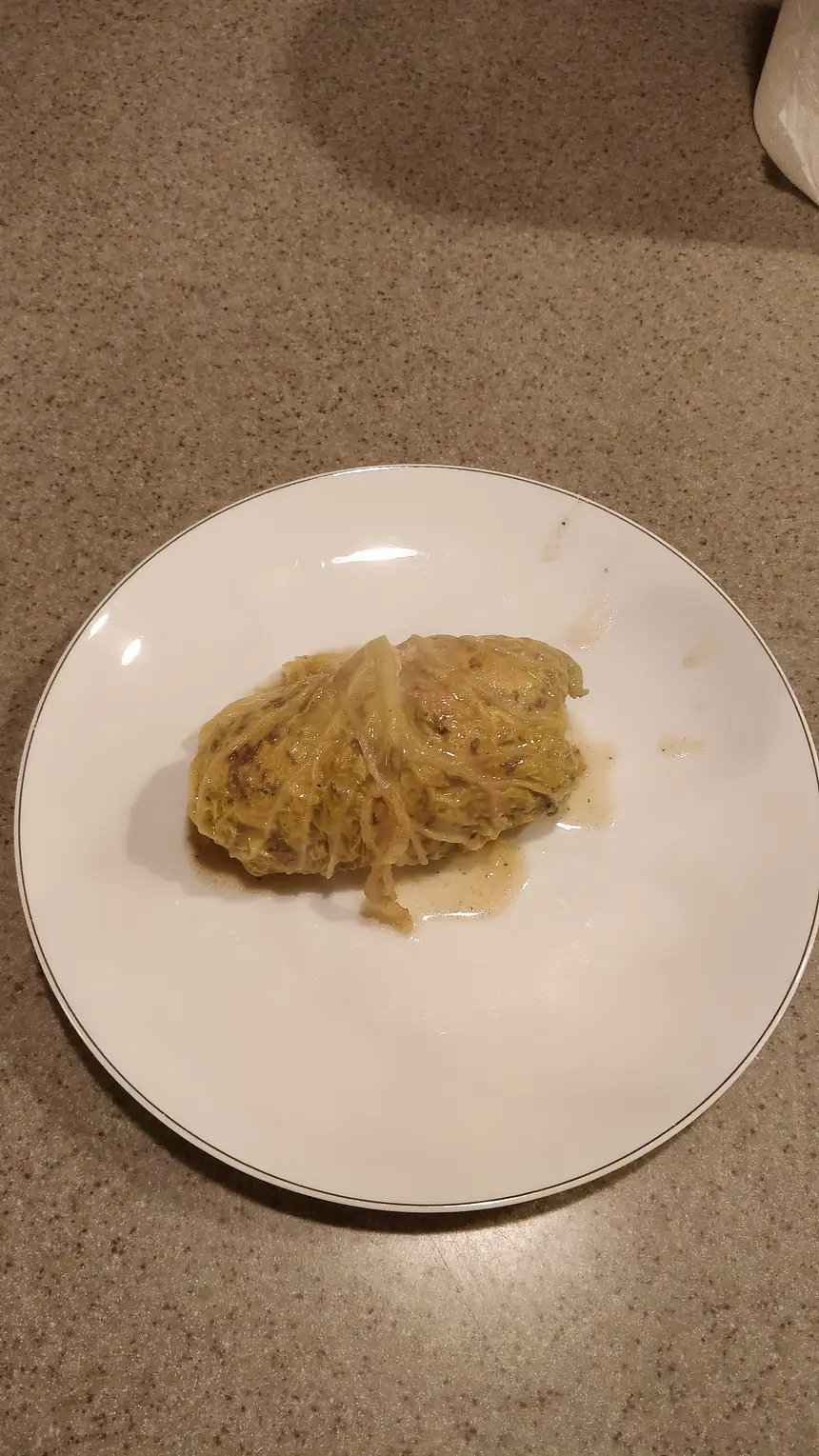
"Kohlrouladen" used to be a staple on the menu for regular people in Germany during winter time. The relatively long preparation and cooking time pays out, because it can be easily reheated over a couple of days and gets even better and tastier then. Fried potatoes complete the picture, but you can cook the potatoes also in the pot with the sauce, if there is space left. This recipe can be varied in many ways, be it the stuffing (ground meat here), or the sauce. The recipe is as traditional as it can be; the ingredients are adjusted to availability in North America (like Savoy cabbage in lieu of "Weisskohl", bacon to replace "Speckwuerfel"). For sure the ground meat can vary depending on preferences or diets - I bet quite often in the "good old times " regular people did not exactly know what's in the ground meat they got from the butcher - at least it was some meat, for most of the families only once a week.
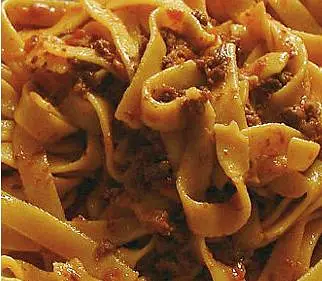
Traditional recipe that it is hardly nowadays to see it in the italian kitchens because is very fat and so in the last 50yrs they opted for more lighter ingredients but I will give you the original version and post the modified one in another link.
The first chili recipe appeared in West Texas at the turn of the century.
Traditional lasagne from Bologna uses handmade egg pasta, a long-simmered pork Bolognese with white wine and cream, silky bechamel, and Parmigiano-Reggiano. No mozzarella, no ricotta, just the real deal.

Slow-roasted leg of lamb rubbed with garlic, rosemary, and paprika, basted in a lemon-chicken broth sauce. A traditional Seder centerpiece that comes out tender as butter.

Mango chutney built the slow way: a two-step simmer with brown sugar, cider vinegar, fresh ginger, garlic, lime, raisins, mustard seeds, and warm spices. Sealed into pint jars for the pantry shelf.

A traditional mincemeat recipe that actually has meat in it!
Showing 1 - 16 of 70 recipes