What Are Liquid aminos and How Can I Use Them?
Here's everything worth knowing about liquid aminos and how to pick them, what they are, how to store them, and what to use instead, plus 6 recipes to cook tonight.
Key Points
- A soy-sauce-like seasoning used by the splash for salty, umami depth in dishes.
- Bragg style is unfermented soybeans; coconut aminos is fermented sap, sweeter and lower in sodium.
- Both are gluten-free, the usual reason cooks pick them over regular soy sauce.
- The two are not interchangeable, so season to taste rather than swapping blind.
- Salt keeps it shelf-stable; an opened bottle lasts about a year stored cool and dark.
What are liquid aminos?
Liquid aminos is a savory, soy-sauce-like seasoning sold in a spray-top or splash bottle. It delivers the same dark, salty, umami hit as soy sauce, and you use it the same way: as a few dashes that deepen the background of a dish.
There are two common kinds. The original is Bragg Liquid Aminos, made from soybeans broken down with water with no fermentation and no added salt, which tastes close to a mild soy sauce.
The other is coconut aminos, made from fermented coconut tree sap. It is darker, sweeter, soy-free, and noticeably lower in sodium.
Cooks reach for it when they want soy-sauce flavor while dodging one of soy sauce's drawbacks: wheat, brewing additives, or a high salt load. Both kinds are gluten-free.
How to Use Liquid Aminos
Treat it as a seasoning rather than a sauce in its own right. A few sprays season a salad or a bowl of grains without anyone clocking it as the source, and the same goes for a pot of soup.
It folds into the chilled Blender Gazpacho and rounds out the broth in Summer White Bean Soup.
It earns its keep in dressings and marinades, where its salt and glutamates do most of the flavoring. Whisk it into a vinaigrette or a nut-based sauce, as in Walnut Sauce. You can also splash it over a stir-fry such as Sesame Vegetable Rice near the end of cooking.
Because the Bragg style is unfermented, it has a flatter, slightly sharper edge than brewed soy sauce. A squeeze of vinegar or a pinch of sugar restores the depth fermentation would have added.
Pairing and Common Mistakes
Liquid aminos partners with the same flavors as soy sauce: ginger, garlic, sesame, scallion, rice vinegar, and chili. Coconut aminos, being sweeter, leans toward glazes and dressings, while the savory Bragg style suits broths and grain bowls.
The most common mistake is treating coconut aminos and the Bragg style as identical. Coconut aminos is much sweeter and carries roughly a third the sodium, so a recipe seasoned for one tastes off with the other. Season to taste rather than measuring blind.
The second mistake is overdoing the salt. Even the lower-sodium versions are salty, so hold back on added salt until you have tasted, and add the aminos toward the end so the flavor stays bright.
Substitutes
Regular soy sauce is the closest stand-in for the Bragg style, splash for splash, as long as gluten and brewing additives are not the reason you switched. Tamari is the better pick when you need it gluten-free, since most tamari is wheat-free and tastes richer.
For coconut aminos, mix soy sauce or tamari with a little water and a pinch of sugar to mimic its sweetness and lower salt. There is no exact match, but that gets close.
If you need soy-free and gluten-free at once, coconut aminos is itself the answer, and a dash of fish sauce (where the recipe allows) brings a similar savory punch.
Buying and Storing Liquid Aminos
Find liquid aminos in the health-food or international aisle, often near the soy sauce and tamari. Bragg is the best-known brand of the soybean type, while coconut aminos comes from several brands.
Check the label, since the two sit side by side and look alike but behave differently.
Both keep well thanks to their salt content. An unopened bottle is shelf-stable for a year or more in the pantry. Once opened, store it tightly capped somewhere cool and dark, and it stays good for about a year.
Refrigeration is not required, though it does no harm and can extend the life of coconut aminos, which is fermented and a little more perishable. If the flavor or smell turns sour or off, replace it. A small bottle goes a long way.
Quick facts
- In Chinese
- 液体aminos
- British (UK) term
- Liquid aminos
- en français
- acides aminés liquides
- en español
- aminos líquidos
Recipes using liquid aminos
There are 6 recipes that contain this ingredient.
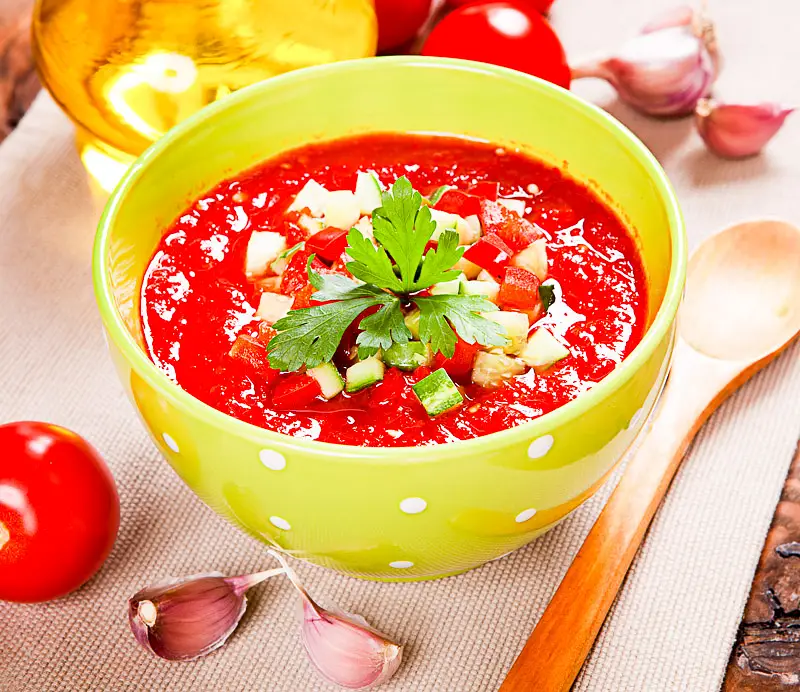
Blender Gazpacho


Quick blender gazpacho with tomato, cucumber, green pepper, and rice vinegar. Vegan no-cook Spanish-style cold soup ready in 10 minutes. Garnish with finely diced cucumber for crunch.
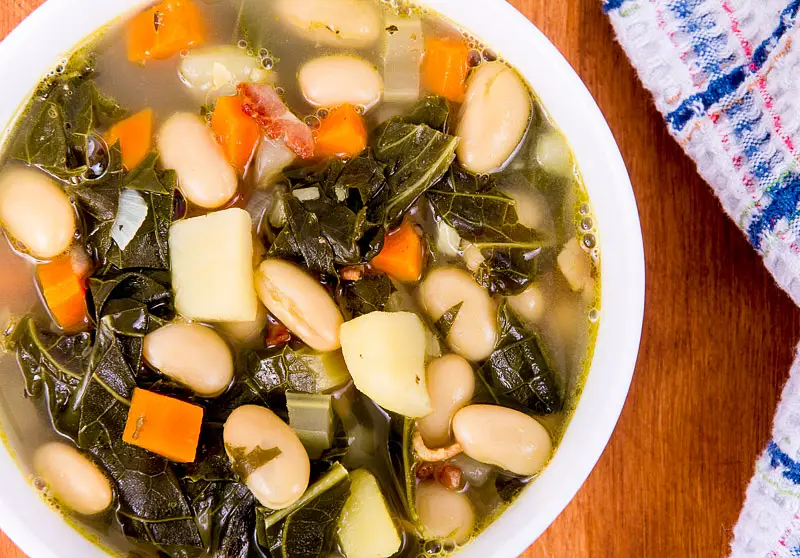
Summer White Bean Soup
Summer white bean soup with sauteed celery, swiss chard or kale, a splash of rice vinegar, and a hint of liquid aminos. Light, vegetarian, naturally high in fiber and gentle enough for warm weather.
Sesame Vegetable Rice

Simple vegetarian sesame vegetable rice bowl with brown rice, stir-fried mixed vegetables, toasted sesame seeds, and liquid aminos. A clean, wholesome weeknight dinner in 40 minutes.
Squash Soup for One (Or 2 Not So Hungry People)
Roasted acorn squash soup with garlic, wild rice, and a kick of cayenne. A cozy single-serving bowl that's vegan-friendly and loaded with warm spice.
Walnut Sauce
Creamy vegan walnut sauce blended from toasted flour, raw walnuts, lemon, and garlic. A protein-rich dairy-free gravy that turns simple grains, potatoes, or roasted vegetables into a complete meal.
Borscht Energy Soup
A raw, no-cook borscht blended from fresh beets, avocado, spinach, cucumber, and dill. Vegan, nutrient-dense, and vibrant pink. Served chilled with alfalfa sprouts for a refreshing energy boost.