What Is Lemon verbena and How Can I Use It?
Here's everything worth knowing about lemon verbena and how to pick it, what it is, how to store it, and what to use instead, plus 7 recipes to cook tonight.
Key Points
- Leaf of Aloysia citrodora with the purest lemon scent of any herb, but no acidity.
- Infuse it into warm cream, syrup, or water and strain it out; the tough leaves are not for chewing.
- Star of lemon ice cream, panna cotta, tisanes, and summer drinks; also marinades for fish and chicken.
- Add lemon juice or zest separately when a dish needs tartness as well as aroma.
- One of the few herbs that dries well; dried keeps its scent for months for tea.
What is lemon verbena?
Lemon verbena is the long, narrow, pointed leaf of Aloysia citrodora, a woody South American shrub grown for one thing: the purest, brightest lemon scent of any kitchen herb. Crush a leaf and it smells like lemon sherbet without the sourness.
That split is what makes it useful. It carries the perfume of lemon but none of the acid, so it gives creams and drinks a citrus aroma while you control the tartness separately with actual juice.
The leaves are tougher and more leathery than soft herbs like basil, so they are usually infused and removed rather than eaten whole. Finely minced young leaves can go straight into a batter, but most cooking treats verbena as a flavoring to steep.
How to Use Lemon Verbena
Infusion is the main technique. Steep the leaves in a hot liquid, let the oils transfer, then strain them out, the same approach you would use for a vanilla bean or a bay leaf.
Cold, creamy desserts are where it does its best work. Warm the leaves in the cream base and you get a Lemon Verbena Ice Cream that tastes of lemon without a drop of juice curdling the dairy. The leaf also perfumes panna cotta and sorbets.
Drinks are its other home. A handful steeped in hot water makes a clear, soothing tisane, while bruised leaves perfume summer pitchers such as a Fiesta Sangria. It plays the same role lemon balm does in a Lemon Balm Punch, with a cleaner, stronger citrus note.
For baking, mince young tender leaves very finely so the texture disappears, then fold them into shortbread dough or the ricotta mix for Lemon Verbena Ricotta Pancakes.
It is not only a dessert herb. A few leaves perfume a marinade or a pan sauce for chicken and fish, where the lemon aroma carries without the sharpness of zest.
Pairing and Common Mistakes
Lemon verbena loves anything it can lend citrus to: cream, yogurt, white chocolate, berries, stone fruit, and honey. In savory cooking it works with poultry, fish, and shellfish.
The biggest mistake is throwing whole tough leaves into a finished dish. Mature verbena leaves stay fibrous and unpleasant to chew, so either infuse and strain them out or mince young leaves to dust before adding.
The second is boiling the leaves hard or for too long. High heat and long steeping drive off the delicate aroma and can pull out a grassy, slightly bitter edge, so steep gently and taste as you go.
The third is assuming it adds sourness. It does not. If a recipe needs tartness as well as aroma, add lemon juice or zest separately; the verbena handles only the perfume.
Substitutes
For the aroma, lemon balm is the closest fresh stand-in, though it is milder, so use roughly half again as much. Lemon thyme or a few kaffir lime leaves can also carry a fragrant citrus note in infusions.
When you need both aroma and acidity, lemon zest plus a little juice is the practical swap. The zest covers the perfume and the juice covers the tartness verbena lacks, which together approximate what most recipes want from it.
Dried lemon verbena works for teas and infusions at about one-third the volume of fresh, since drying concentrates it. It fades fast in baked goods, though, so for those reach for fresh leaves or lemon zest instead.
Buying and Storing Lemon Verbena
Fresh lemon verbena is hard to find in supermarkets. It turns up mainly at farmers markets and herb growers, or your own garden, where it grows into a large fragrant shrub in a warm spot.
Look for perky, deep-green leaves with a powerful lemon smell when rubbed; a faint scent means old or poorly handled stock.
Store fresh sprigs like a bouquet, stems in a glass with a little water and a loose bag over the top, in the fridge for up to a week. Or wrap the sprigs in a barely damp paper towel inside a bag.
Lemon verbena dries exceptionally well, one of the few herbs that keeps most of its aroma dried.
Hang small bundles or spread leaves on a rack out of direct sun until crisp, then store them airtight in the dark, where they hold their scent for many months and make excellent tea.
To capture the fresh flavor for cooking, steep leaves into a simple syrup and refrigerate it, or freeze minced leaves in oil; both outlast the cut sprigs and keep the bright citrus note on hand year round.
Quick facts
- In Chinese
- 柠檬马鞭草
- British (UK) term
- Lemon verbena
- en français
- verveine citron
- en español
- cedrón
Recipes using lemon verbena
There are 7 recipes that contain this ingredient.
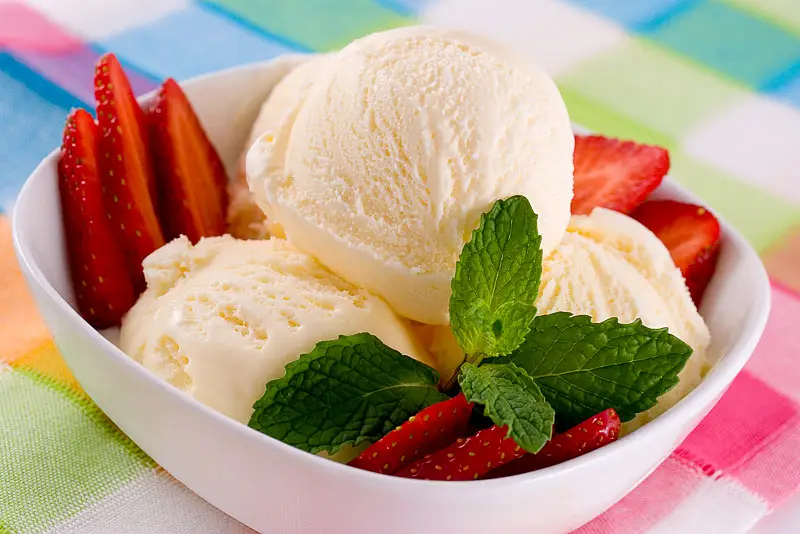
Lemon Verbena Ice Cream


Lemon verbena ice cream steeps fresh herb leaves into a rich egg-yolk custard base for a smooth, floral-citrus frozen treat. An elegant homemade custard ice cream that tastes like the herb garden in summer.

Lemon Verbena Ricotta Pancakes

Fluffy lemon verbena ricotta pancakes with whipped egg whites for lift and bright lemon zest. Ricotta drained overnight gives the batter a tender, soufflé-like texture worth the wait.
Heat Wave Spaghetti Sauce
Heat wave spaghetti sauce is a no-cook tomato sauce with fresh basil, lemon verbena, garlic, and grated gouda. A summer pasta that uses the heat of cooked noodles to warm the marinated sauce.

Lemon Balm Punch
A simple but tasty recipe that creates a drink everyone can enjoy in their backyard this summer!

Scallops & Pears with Fettucine in a Garlic Cream Sauce
Seared sea scallops and sliced pears over fettuccine in a garlic cream sauce with white wine, lemon verbena, and fresh ginger juice. An elegant, unexpected pairing.
Scallops & Pears with Fettucine in a Garlic Cream Sauce
Seared sea scallops and sliced pears over fettuccine in a garlic cream sauce with white wine, lemon verbena, and fresh ginger juice. An elegant, unexpected pairing.

Fiesta Sangria
Fiesta sangria scales up the Spanish classic for big parties: a gallon of wine, fresh citrus, brandy, orange liqueur, and lemon verbena. Serves 40, perfect for summer cookouts and weddings.