What Is Flour, spelt and How Can I Use It?
Wondering what to do with flour, spelt? This guide covers how to pick it, cook it, store it, and swap it, plus 6 recipes to put it to work.
Key Points
- Spelt is an ancient wheat with gluten, nuttier and sweeter than ordinary wheat flour.
- Its gluten is fragile and water-soluble, so the dough turns slack and sticky fast.
- Use less liquid and a gentler, shorter knead than a wheat recipe would call for.
- It makes a tender, close crumb; overproofing a weak spelt loaf can make it collapse.
- It contains gluten, so it is not a gluten-free or celiac-safe substitute.
What is flour, spelt?
Spelt flour is milled from spelt, an ancient cousin of modern wheat grown in Europe for thousands of years. It tastes nuttier and slightly sweeter than ordinary wheat flour, with a mellow, almost buttery character that bakers prize in rustic breads.
Spelt is a true wheat, so it does contain gluten. It is not safe for anyone with celiac disease.
What makes it bake differently is the kind of gluten it has. Spelt's gluten is more delicate and water-soluble than the gluten in bread wheat, so it builds a weaker, more fragile dough. For general flour basics, see the main flour page.
Baking With Spelt
The headline rule is hydration. Spelt absorbs water quickly but holds it loosely, so a spelt dough goes from dry to slack fast, and it can turn sticky and slumping if you add as much water as a wheat recipe asks for.
Start with a little less liquid than the recipe calls for and add more only if the dough is too stiff. A firmer dough than you would make with wheat is normal here.
Go easy on the kneading too.
That fragile gluten overdevelops and then breaks down, so where you would knead a wheat dough hard, spelt wants a gentler, shorter mix and a watchful eye on the rise.
It bakes beautifully as the base of a machine loaf like Spelt Bread #1 Machine Made and folds its nutty flavor into hearty quick breads such as Monika's Black Tea & Date Bread.
Where It Works and Common Mistakes
Spelt's gentle sweetness suits whole grain breads, pancakes, waffles, muffins, and cookies, and it pairs naturally with honey, nuts, dried fruit, and warm spices. The Wholegrain Waffles with Flaxseeds lean on exactly that nutty backbone.
The most common mistake is overproofing. Because the dough is weaker, a spelt loaf left to rise as long as a wheat loaf can collapse, so proof it a touch less and bake it as soon as it looks risen.
The second is treating it like bread flour for a tall, chewy loaf. Spelt makes a tender, close crumb rather than an open, springy one, which is its charm, not a flaw to fight.
Substitutes
Whole wheat flour is the closest swap, with similar nutrition and a comparable nutty note, though its stronger gluten makes a chewier crumb. Use it one for one and expect a slightly tougher result.
Going the other way, you can usually replace part or all of the wheat flour in a recipe with spelt, but pull back the liquid and the kneading as above.
For delicate cakes, swapping in spelt adds tenderness. For a chewy artisan loaf, keep some bread flour in the mix for structure.
Spelt is not a gluten-free substitute. If gluten is the reason for the swap, reach for oat, rice, or a blended gluten-free flour instead.
Buying and Storing
Spelt comes as whole grain spelt flour and as a lighter, sifted white spelt; the whole grain version carries more of the nutty flavor and fiber. Both sit with the specialty flours.
Like other whole grain flours, whole spelt holds bran oils that go rancid, so buy what you will use within a few months and keep it cool. See the flour hub for storage detail. A musty or sharp smell is your signal to toss it.
Quick facts
- In Chinese
- 面粉,拼写
- British (UK) term
- Flour, spelt
- en français
- la farine, de l'épeautre
- en español
- harina, espelta
Recipes using flour, spelt
There are 6 recipes that contain this ingredient.

Wholegrain Waffles with Flaxseeds


A breakfast staple made with organic spelt flour, coconut oil and natural sweetener. Serve with maple syrup on the side and fresh berries or bananas or organic yoghurt. Another option is to soften some apple slices in a little bit of water, vanilla and dash of maple syrup until the liquid reduces and the apples are soft. Sprinkle liberally with cinnamon – reminiscent of apple pie!
Monika's Black Tea & Date Bread
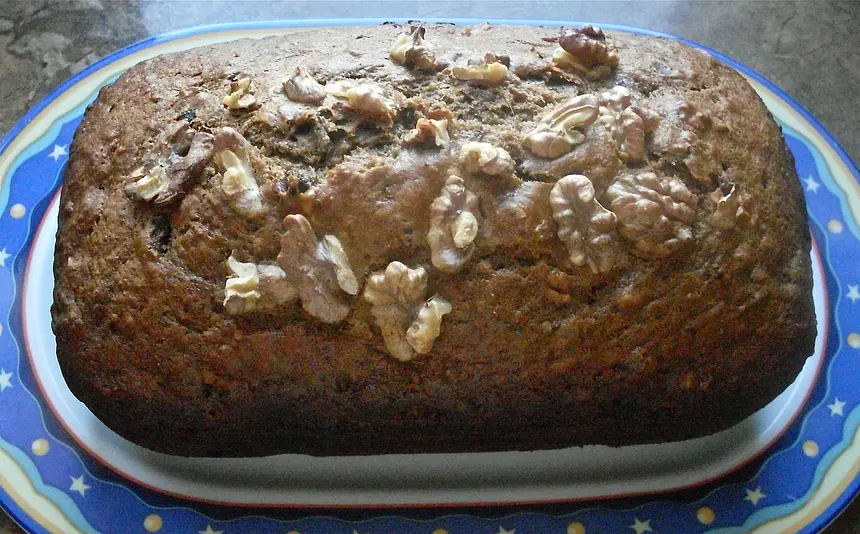
This recipe isn’t mine. It belongs to Monika, who lives in Hagen, Germany. I asked her to share the recipe around the world because her bread is delicious, and she gave me her approval. This bread is sweet but not too sweet, any salt at all, fine as a dessert, fits to milk soups (photo #9).

Spelt Bread #1 Machine Made
A bread machine spelt bread combining spelt flour with white bread flour for a mild, nutty loaf with more character than white bread. Just 6 simple ingredients and your bread machine does the work.

Ginger & Persimmon Bread (Breakfast)

A fresh take on the traditional banana bread utilizing the widely-available persimmon – the national fruit of Japan. Persimmons are rich in vitamins A and C, and contain high amounts of manganese, a co-factor for the enzyme superoxide dismutase, for healthy mucous membranes and skin, as well as a known protectant against lung and mouth cancers. They are also an excellent source of fibre and B-complex vitamins.

Spelt Oatmeal Bread
Bread machine spelt oatmeal bread blends nutty spelt flour with rolled oats and molasses for a hearty, whole-grain sandwich loaf with a tender crumb and rich brown color. Hands-off baking.

Spelt Soy Milk Bread
Spelt soy milk bread is a dairy-free, vegan-friendly yeast loaf with one quick rise and ready start to finish in under an hour. Nutty spelt flour and warm soy milk make a tender crumb for sandwiches and toast.