What Is Spaghetti squash and How Can I Use It?
Spaghetti squash is easier to cook with than it looks. Here's how to choose, use, and store it, what to substitute, and 22 recipes to get you started.
Key Points
- Oblong pale-yellow winter squash whose cooked flesh pulls into noodle-like strands with a fork.
- A low-carb pasta stand-in: far fewer carbs than wheat noodles, mild and faintly sweet.
- Roast halves cut side down at 400°F (200°C) for 35 to 45 minutes, or microwave 8 to 12 minutes.
- Drain or pat the strands before saucing so the dish does not turn watery.
- Pull it the moment the shell yields; overcooking collapses the strands into soft pulp.
What is spaghetti squash?
Spaghetti squash is the oblong, pale yellow winter squash with a party trick: cook it and the flesh separates into long, thin strands that look and twirl like noodles.
Raw, it's solid and unremarkable. Heat breaks down the fibers, and a fork drawn across the cooked flesh peels it into a tangle of strands.
Those strands are mild and faintly sweet, with a gentle crunch that holds up better than real pasta. That texture, plus far fewer carbs than wheat noodles, is why it became the go-to low-carb pasta stand-in.
How to Cook Spaghetti Squash
The shell is hard, so the first job is splitting it. Halve it lengthwise with a heavy knife, scoop out the seeds, brush the cut sides with oil and salt, and roast cut side down at 400°F (200°C) for 35 to 45 minutes until the skin gives under a thumb.
Then drag a fork across the flesh and the strands lift right out.
In a hurry, microwave it. Halve and seed it, set the halves cut side down in a dish with a little water, and microwave for 8 to 12 minutes until soft. It's faster, though roasting drives off more moisture and keeps the strands firmer.
Once you have strands, treat them like a drier pasta. Roasted Spaghetti Squash with Toasted Pine Nuts, Sage, & Parmesan and Spaghetti Squash with Shallot Butter dress them simply, while Cheesy Spaghetti Squash Gratin with Fresh Basil and Spaghetti Squash Tetrazzini bake them into something richer.
They also stretch a stir fry or skillet, as in Spaghetti Squash & Chicken Skillet Casserole.
Pairing and What Goes Wrong
The strands are mild and a touch sweet, so they take any sauce you'd put on pasta: garlic and butter, brown butter and sage, marinara, pesto, or a cheesy cream sauce. Parmesan, pine nuts, and fresh herbs are natural partners.
The big failure is wateriness. The strands hold a lot of moisture, and a watery sauce on top leaves you a soupy plate. Roast rather than boil, and after forking out the strands, let them sit in a colander or press them gently in a towel before saucing.
Overcooking is the other mistake. Cook it to mush and the strands collapse into a soft pulp instead of separating. Pull it the moment the shell yields and the flesh shreds cleanly.
Substitutes
Nothing else makes those strands, so a true swap depends on what you want. For the low-carb noodle effect, zucchini noodles or thin-sliced cabbage give you a vegetable base, though both run wetter and softer.
If you just need a mild roasted squash, any winter squash works for flavor, but you lose the noodle texture entirely.
And when the goal is simply a pasta dish, regular spaghetti is the honest answer, with more bite and more carbs.
Choosing and Storing
Pick one that feels heavy and firm, with hard, pale yellow skin and a dry stem. A deeper golden color signals ripeness and sweeter flesh, while pale green or white means it was picked early. Avoid any with soft spots or signs of mold.
Whole, spaghetti squash keeps for a month or more in a cool, dry spot around 50 to 55°F (10 to 13°C). Like other winter squash, don't refrigerate it whole, since cold shortens its life and softens the flesh.
Once cooked, the strands keep in the fridge for about five days and reheat well in a skillet. They also freeze, though they come out softer and wetter, so save frozen strands for casseroles rather than a plate of noodles.
Quick facts
- In Chinese
- 意大利面条壁球
- British (UK) term
- Spaghetti squash
- en français
- Courge spaghetti
- en español
- calabaza espagueti
Recipes using spaghetti squash
There are 22 recipes that contain this ingredient.
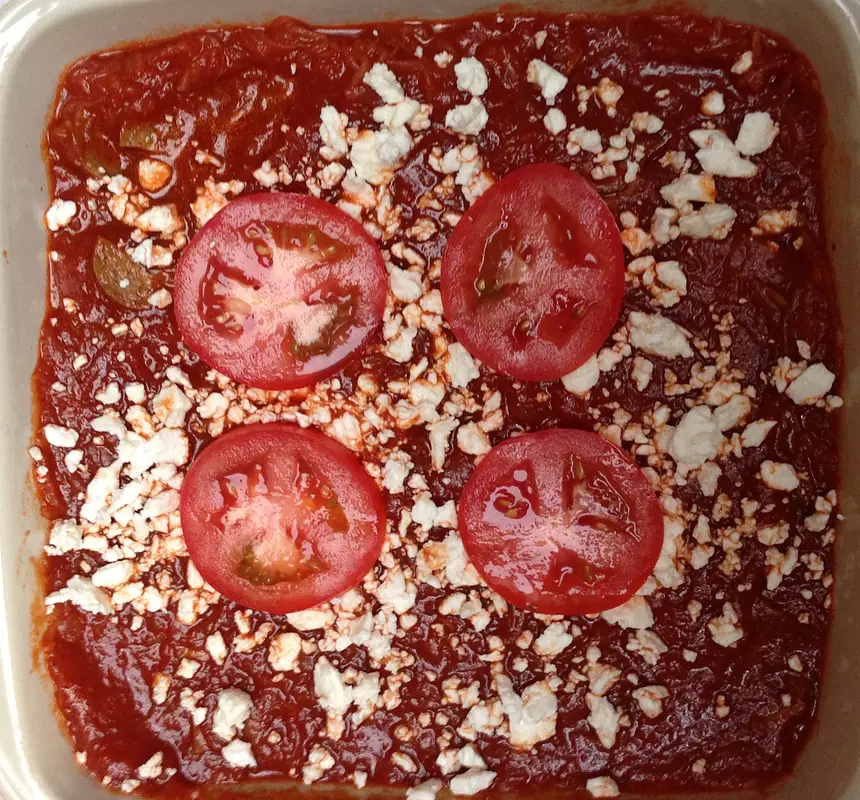
Vegetarian Spaghetti Squash Casserole


Spaghetti squash is a healthy, low-carb, gluten-free substitute for regular pasta. One cup of spaghetti squash has 42 calories, 10 grams of carbs and 2 grams of fiber. The same amount of cooked spaghetti has 220 calories, 43 grams of carbs and 3 grams of fiber.
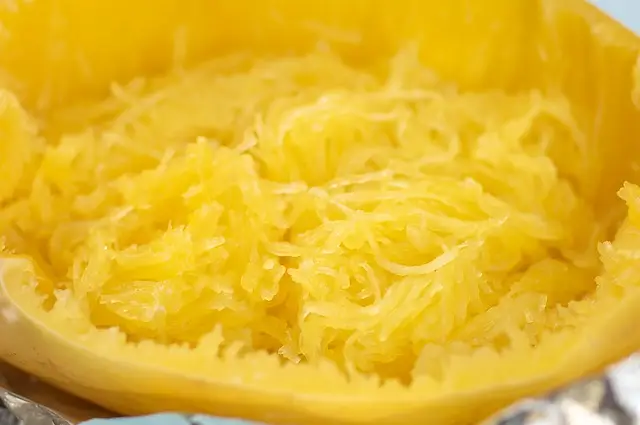
Spaghetti Squash
The flesh of spaghetti squash, when cooked, comes out like strands of cooked spaghetti and makes a great light stand-in for pasta lovers.
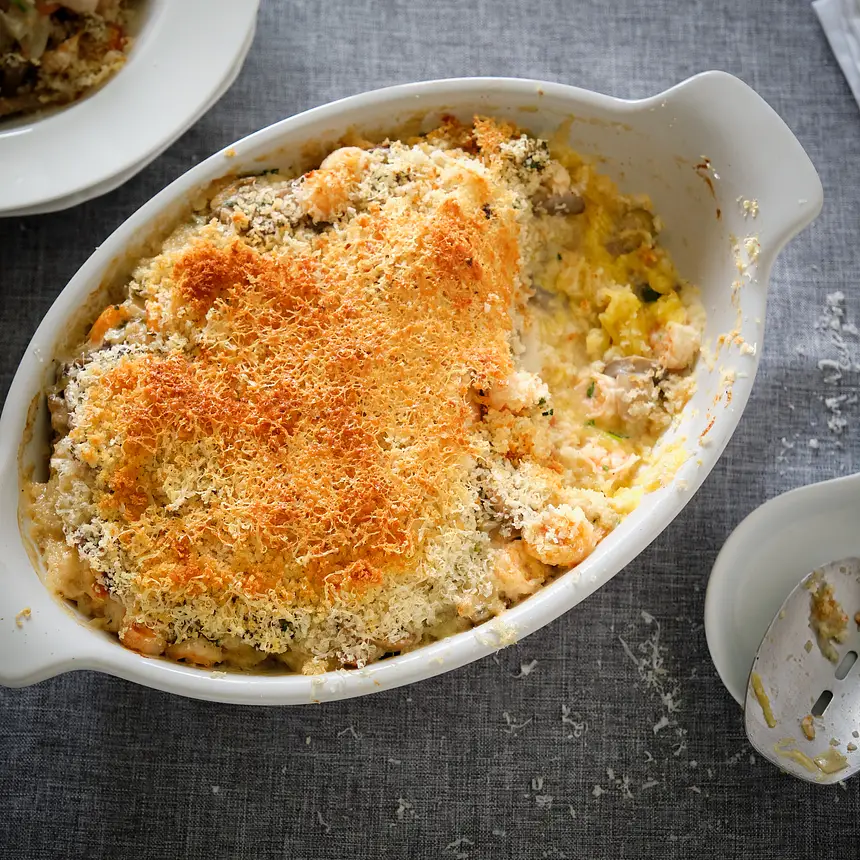
Spaghetti Squash with Mushrooms & Shrimp
This versatile recipe features tender shrimp and a rich mushroom sauce poured over a bed of seasoned spaghetti squash, all topped with a crispy breadcrumb topping. Easy to make and endlessly adaptable, this dish is perfect for a busy weeknight dinner or a special occasion.
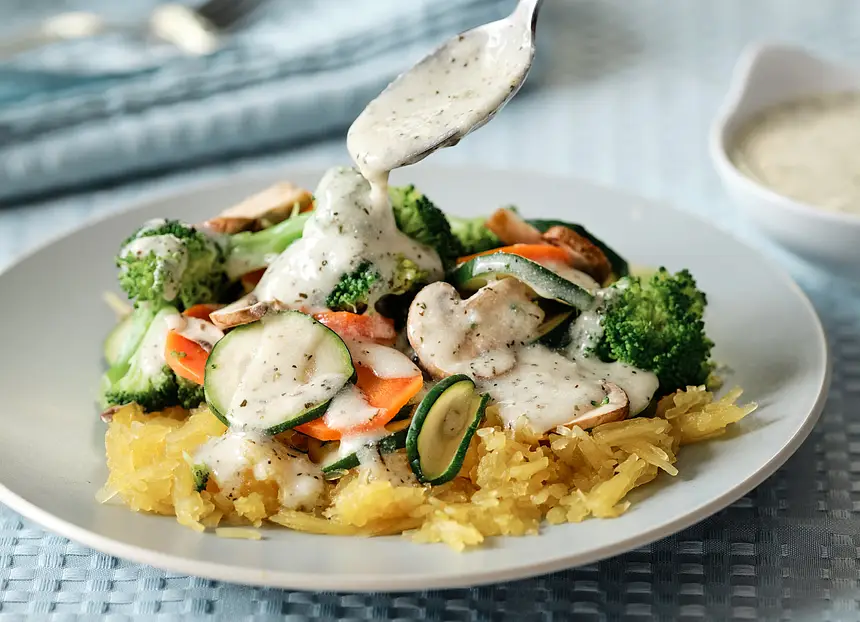
Almost Pasta Primavera
I found this on the cooking echo, it sounded sooo good! It may be worth trying out as soon as I can convience "Bert" that squash is good for you and yours.;-) which is the reason why I put it in my diabetic recipes file
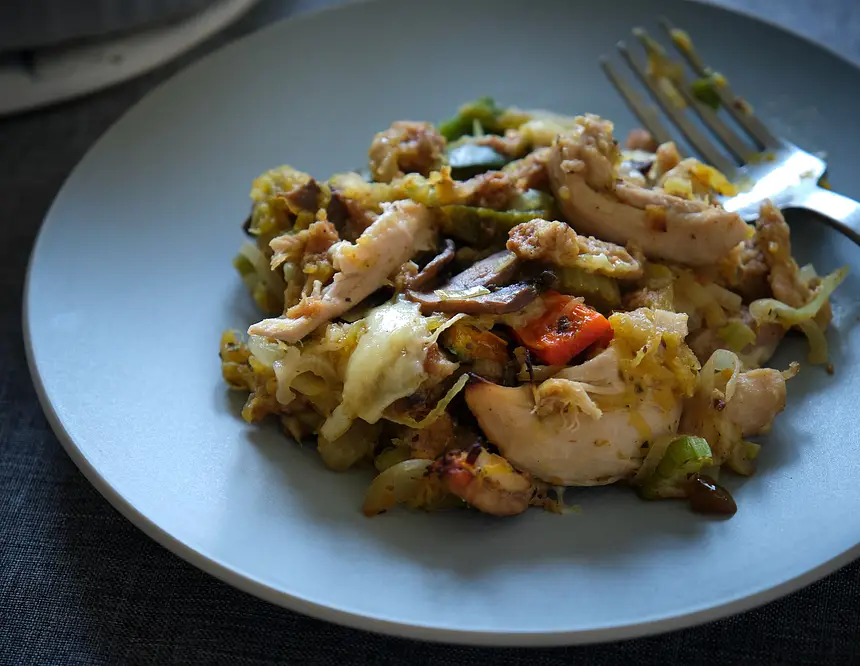
Spaghetti Squash & Chicken Skillet Casserole
Easy and tasty! I make this casserole a few times every year when I have spaghetti squash in my kitchen. It's a well-balanced meal with just enough protein and loads of vegetables.
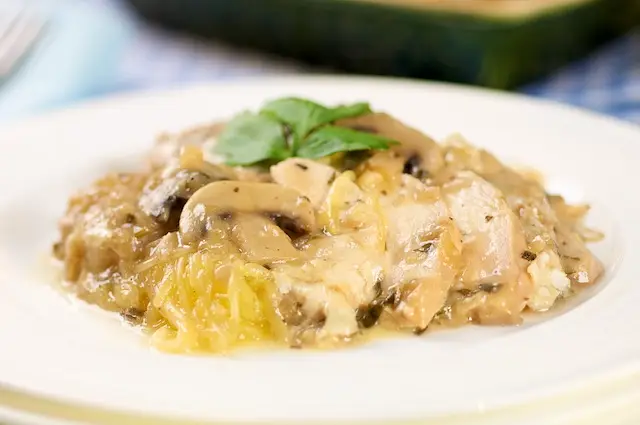
Spaghetti Squash Tetrazzini
Low-carb spaghetti squash, juicy skinless chicken breast with mushrooms in a flavorful reduction sauce. Seriously yummy way to prepare otherwise boring spaghetti squash.
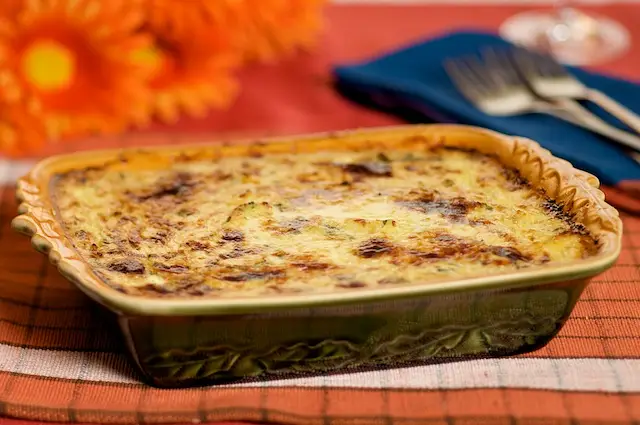
Cheesy Spaghetti Squash Gratin with Fresh Basil
A spaghetti squash casserole cooked with Gryuere (or swiss) cheese and fresh basil until the parmesan cheese is browned and the casserole is bubbling. Unbelievably low-fat, low-carb delicious goodness.
Spaghetti Squash with Turkey & Herbs
Ground turkey simmered with crushed tomatoes, red wine, capers, and fresh herbs piled over roasted spaghetti squash strands. A hearty low-fat, low-calorie dinner that doesn't skimp on flavor.
Chicken Marengo Ii
Breaded chicken pieces cooked in the microwave with sauterne wine, mushrooms, and tomatoes. A quick shortcut version of the classic French Chicken Marengo.
Pasta Without Tomato
No-tomato pasta with Italian sausage, spaghetti squash, mushrooms, and fennel, finished with an egg stirred in carbonara-style. A lighter, brothy pasta dinner with hidden vegetables.
Spaghetti Squash Stir Fry
Spaghetti squash stir-fry with mushrooms, zucchini, garlic, red pepper flakes, and sherry. A veggie-packed, low-fat stir-fry that turns squash strands into noodle-like gold.
Spaghetti Squash Salad
Spaghetti squash salad with mushrooms and Parmesan: roasted squash strands tossed with garlic olive oil, sauteed mushrooms, and fresh parsley. Low-carb, gluten-free, diabetic-friendly, 45 minutes start to finish.
Spaghetti Squash, Beef & Sauteed Vegetables Casserole
Instead of spaghetti, use spaghetti squash to make this cheesy and succulent casserole that also has browned beef and sauteed vegetables, which is much lower in calories and gluten free.
Spaghetti Squash with Shallot Butter
Just 3 ingredients and one hour in the oven. Tender spaghetti squash strands tossed with golden shallot butter make an easy low-carb side dish the whole family will love.
Spaghetti Squash with Cheese
Baked spaghetti squash with melted Monterey Jack, sauteed bell peppers, onions, Italian herbs, and black olives. A cheesy, low-carb vegetarian casserole the whole family will love.
Boiled Spaghetti Squash
Boiled spaghetti squash for a low-carb pasta substitute. Cut, simmer 30 minutes, scrape out the noodle-like strands. Diabetic-friendly side or pasta swap.
Herbed Spaghetti Squash with Mozzarella
Herbed spaghetti squash with mozzarella: roasted squash strands tossed with garlic butter, smoked mozzarella, and fresh basil. A low-carb, gluten-free pasta alternative.
Roasted Spaghetti Squash with Toasted Pine Nuts, Sage, & Parmesan
Roasted spaghetti squash tosses forked-out strands with toasted pine nuts, fresh sage, grated Parmesan, and a drizzle of olive oil. A low-carb side that stands in for pasta in a weeknight pinch.
Baked Spaghetti Squash Lasagna
Low-carb spaghetti squash lasagna layered with a garlic-basil tomato sauce, black olives, and melted mozzarella and Parmesan, baked right in the squash shells. Vegetarian comfort food without the pasta.
Marinated Spaghetti Squash Salad
Marinated spaghetti squash salad with artichoke hearts, fresh herbs, and two cheeses in a tangy rice vinegar dressing. A make-ahead vegetarian side that chills overnight for bold, layered flavor.
Spaghetti Squash Casserole
Spaghetti squash casserole with fresh tomatoes, crispy garlic, mozzarella, and Parmesan. Low-carb, vegetarian, and diabetic-friendly, all made in the microwave.