What Is Horseradish root and How Can I Use It?
Horseradish root is easier to cook with than it looks. Here's how to choose, use, and store it, what to substitute, and 12 recipes to get you started.
Key Points
- A knobby root in the mustard family that's odorless whole but fiery once grated or ground.
- Grating releases allyl isothiocyanate, the same volatile mustard-oil heat found in wasabi.
- Stir in vinegar at the peak of pungency: early for milder heat, late to keep it hot.
- Never cook it hard; heat destroys the punch, so add it at the end or off the heat.
- Whole root keeps two to three weeks in the crisper; freeze grated root in vinegar for months.
What is horseradish root?
Horseradish root is the knobby, beige taproot of a hardy perennial in the mustard family. It's the source of that sinus-clearing heat in prepared horseradish and the bite in cocktail sauce on a roast beef sandwich.
Whole, the root is almost odorless and harmless. The fire only appears when you grate or grind it.
That's the key fact about horseradish. Cutting the cells releases an enzyme that produces allyl isothiocyanate, the same volatile mustard-oil compound that gives wasabi its kick. The burn hits the nose more than the tongue, sharp and quick, then fades.
Working With Fresh Root
Peel only the piece you're about to use, then grate it fine on a microplane or pulse it in a food processor. Do this in a well-ventilated spot, since the fumes are genuinely eye-watering, and stand back when you lift the lid.
Timing is everything once it's grated. The heat builds for two or three minutes, then starts to fade, so the moment it smells strongest is when you stir in a splash of vinegar to lock the pungency in place.
Add the vinegar early and you fix it milder. Add it late and you keep it hot.
Fresh grated root is the backbone of homemade Horseradish and a sharp Horseradish Soup, and a spoonful stirred into mayonnaise or sour cream becomes a quick sauce for beef and smoked fish or a tangy lift in a Dunkley's Famous Macaroni Salad.
In Central and Eastern Europe it's grated into beet relish and pickling brines, and it's a traditional partner to the cured ham and fish on an Easter table.
Pairings and Pitfalls
Horseradish stands up to rich, fatty, cured foods: roast beef, prime rib, smoked salmon and herring, sausages, boiled potatoes.
It also has a long history with raw and lacto-fermented cucumbers, where a few slices of root in the jar add bite and help keep the pickles crisp, the way they do in a Malosol'Nye Ogurtsy.
The biggest mistake is cooking grated horseradish hard. Heat destroys the volatile compound that carries its punch, so a sauce simmered long, or root stirred in at the start of a braise, ends up flat and bitter.
Add it at the end, or off the heat, when you want the heat to survive.
A second misstep is overdoing it. Horseradish is intense, so start with less than you think and taste, because you can always grate more but you can't pull the fire back out.
Substitutes
The closest swap is prepared horseradish from a jar, which is just grated root in vinegar. Use a little extra, since jarred horseradish mellows on the shelf. Wasabi paste shares the same hot compound and works in a pinch, though most supermarket wasabi is itself dyed horseradish.
Brown or yellow mustard delivers a similar nose-tingling sharpness for sauces and dressings, since both plants make the same family of mustard oils. None of these gives you the fresh, clean burst of just-grated root, but each one carries the heat.
Buying and Storing the Root
Choose roots that are firm and heavy, free of soft or moldy spots, with a clean creamy color under the skin. Pencil-thick or thicker pieces grate more easily than thin, knobby ones.
A root that already smells strongly raw, or shows green at the crown, is older and may taste bitter.
Wrapped loosely in a paper towel inside a plastic bag, a whole unpeeled root keeps in the crisper for two to three weeks, sometimes longer. Once cut, the exposed flesh dries out, so use it within a week or so.
For long storage, peel and grate the root, pack it with a little vinegar, and freeze it in a small jar, where it holds usable heat for several months.
Quick facts
- In Chinese
- 山葵根
- British (UK) term
- Horseradish root
- en français
- racine de raifort
- en español
- raíz de rábano picante
Recipes using horseradish root
There are 12 recipes that contain this ingredient.
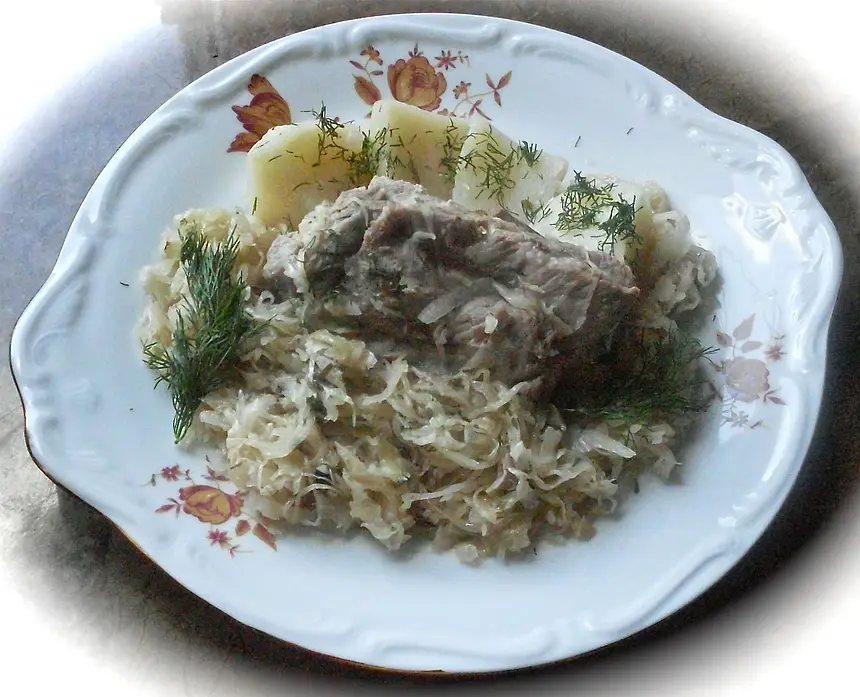
Pork Ribs in Sour Cabbage


Nothing new under the sun, just my rendition of very popular dish in Eastern Europe, inspired by various cuisines of Carpathian Mountains. Cooked quite quick in a pressure cooker.
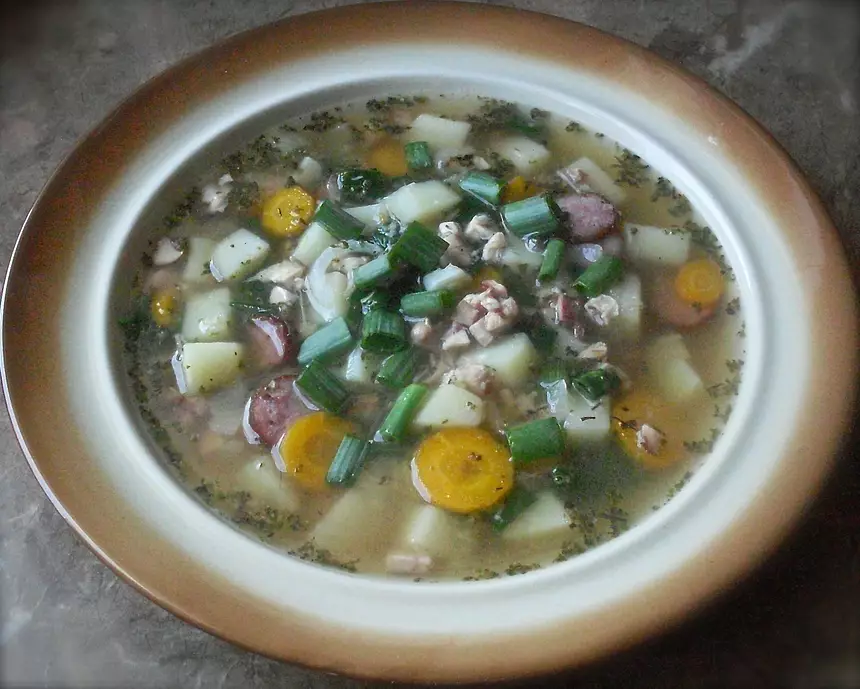
Horseradish Soup
This very old soup is traditionally cooked on Easter. The flavors of my rendition are mild, however if you like horseradish and more spicy flavor, try to add 2 times more grams than I did.

Dunkley's Famous Macaroni Salad
This well endowed cheesy macaroni salad recipe is packed with flavor and sized to feed a crowd.

Deviled Short Ribs with Squash, Chickpeas & Kale
Braised beef short ribs coated in Dijon mustard and crispy breadcrumbs, served over a hearty ragout of butternut squash, chickpeas, and kale. Slow-cooked in porter beer with garlic and brown sugar.

Malosol'Nye Ogurtsy - Brined Cucumbers Maloss
Russian malossol pickles are lightly brined cucumbers fermented with dill, garlic, horseradish root, and cherry or currant leaves. Ready in 5-6 days, crisp, garlicky, and mildly salty.

Solionye Ogurtsy- Brined Cucumbers
Traditional Russian brined cucumbers (solionye ogurtsy) naturally fermented with fresh dill, horseradish, garlic, tarragon, and hot pepper. Crunchy, tangy, and deeply savory.

Malosol'Nye Ogurtsy
Malosolnye ogurtsy are Russian lightly-salted pickles made with fresh dill, horseradish, garlic, and a simple brine. Crisp, garlicky, and ready in just four days.

Fiskesalat Med Pepperrotsaus (Fish Salad with Horseradish Sauce)
Norwegian fish salad (fiskesalat) with cold boiled halibut in a creamy horseradish-sour cream-dill sauce, served on lettuce with sliced eggs and tomato wedges.
Horseradish
Homemade red horseradish (chrain): freshly ground horseradish root tinted ruby with beets, sharpened with lemon juice. The classic Passover condiment for brisket, gefilte fish, or matzo.
Botvinia (Cold, Green Vegetable Soup with Fish)
Cold green vegetable soup with poached fish. Source: Olga Gorechev, St. Petersburg, Russia

Glasmstarsill (Glassblower's Herring)
Swedish pickled herring with a sweet-sour vinegar brine layered with red onion, carrots, ginger, and horseradish. A classic Scandinavian smorgasbord appetizer that only gets better after 2-3 days in the jar.