What Is French mustard and How Can I Use It?
Wondering what to do with french mustard? This guide covers how to pick it, cook it, store it, and swap it, plus 13 recipes to put it to work.
Key Points
- In British usage, French mustard is a mild, smooth Dijon-style brown condiment, not a fierce one.
- Beware the name: American French's is a bright-yellow hot dog mustard, a different thing entirely.
- Whisk a spoonful into oil and vinegar to emulsify a vinaigrette and soften its edges.
- Add it late to sauces; long hard boiling drives off the volatiles and turns it flat.
- Dijon substitutes spoon for spoon; English mustard is far hotter, so use half.
What is french mustard?
French mustard is a smooth, mild brown mustard in the Dijon style: made from brown or black mustard seeds blended with verjuice, wine or vinegar into a creamy paste. It is warm and tangy rather than searingly hot.
A word of caution on the name, because it crosses the Atlantic badly. In Britain, "French mustard" means exactly this gentle Dijon-style brown condiment. In the United States, French's is a brand of bright-yellow hot dog mustard, a completely different and milder thing colored with turmeric.
The recipes here use the British sense: a soft brown table mustard that melts into sauces and dressings.
How to Use French Mustard
Its best trick is emulsifying. A spoonful whisked into oil and vinegar holds a vinaigrette together and rounds off the sharp edges, which is why it anchors the dressing in Bean Salad Plus Tuna or Bacon.
Stir it into pan sauces and braises off the heat or near the end, so the gentle aromatics survive. French Mushroom & Ham Soup and Haricot Beef Casserole both lean on it to lift a rich, meaty base without adding obvious heat.
It also works as a built-in seasoning. Brushed onto fish or meat before grilling, as in Skewered Fish with Honey-Mustard Sauce, it sets up a tangy crust and helps a glaze cling.
A little sharpens deviled eggs and gives a potato salad some tang.
Cooking and Pairing
French mustard has natural friends. It loves beef, pork, ham, oily fish, and aged cheese, and it cuts the fat in cream sauces and slow braises like Short Ribs Al Diavolo. Honey rounds it out, while tarragon with a splash of white wine turns it into a classic French sauce.
The most common mistake is boiling it hard for a long stretch. Sustained high heat drives off the volatile compounds that give mustard its lift, leaving a flat, faintly bitter sauce. Add it late, or warm it through gently.
The second mistake is assuming it is hot. This style is mellow, so if you want real pungency reach for English mustard or a coarse-grain instead. Taste as you go.
Substitutes
Dijon is the obvious swap and is closer to identical than a substitute. Use it spoon for spoon.
Whole-grain mustard brings the same flavor with a seedy texture and gentle pop. That suits a dressing or a sauce, though it changes the look of a smooth glaze.
For sharper heat, a small amount of English or Chinese mustard works, but start with half the quantity since both are far hotter.
In a pinch, a teaspoon of mustard powder slaked with a little water and a drop of vinegar mimics the bite, though it lacks the wine-soft depth of the real paste.
Buying and Storing
Look for a jar labeled Dijon or simply French mustard, smooth and pale-brown. Check the label if heat matters to you: a true Dijon-style paste is mild, while anything marked "hot" or "English" is a different beast.
Mustard is self-preserving thanks to its acidity, so an unopened jar keeps a year or more in the pantry, often well past its printed date.
Once opened, store it in the fridge with the lid tight. It stays good for several months, though it slowly loses pungency and the surface can darken as it oxidizes. Stir that top layer back in rather than scraping it off.
If it ever smells off or grows mold around the rim, toss it, but that is rare with a condiment this acidic.
Quick facts
- In Chinese
- 法国芥末
- British (UK) term
- French mustard
- en français
- la moutarde française
- en español
- mostaza francés
Recipes using french mustard
There are 13 recipes that contain this ingredient.
Rye Not Bread


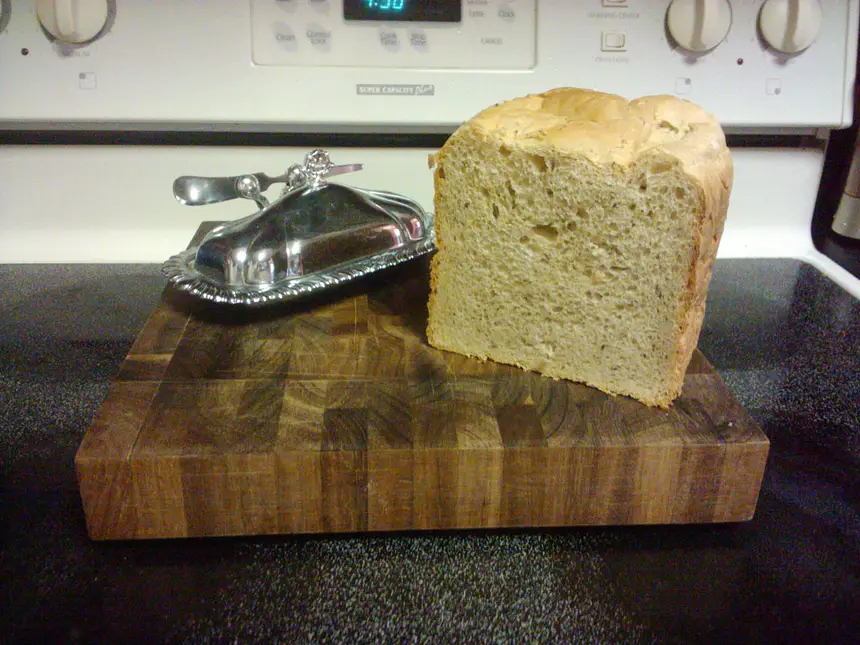
One day I was in the mood for rye bread but I had no rye flour, so what did I do? I made a loaf of bread that tastes so much like the real thing, I am not sure I will mess with real rye (and the extra gluten) anymore.

Loren Martin's Spiced Pot Roast

Spiced pot roast marinated in a blended paste of cumin, turmeric, ginger, rosemary, French mustard, poppy seeds, and lemon. Braised tender on the stovetop or in a slow cooker.
Skewered Fish with Honey-Mustard Sauce
Skewered fish with bacon, mushrooms, onions, and cherry tomatoes, grilled and served with a homemade honey-mustard sauce made from scratch with egg yolk and tarragon vinegar.

Crab Cakes #2
Crab cakes cooked in a sandwich press with shredded crab, French mustard, Worcestershire, Old Bay, and bread cubes. The Maryland classic in 16 minutes flat.

French Mushroom & Ham Soup
French mushroom and ham soup simmers earthy mushrooms in beef stock with French mustard and ham, then finishes with evaporated milk and a splash of whiskey. Bistro elegance in 40 minutes.
Pickled Artichokes (Hattie Anderson's)
Pickled Jerusalem artichokes with triple-mustard brine, turmeric, onions, and apple cider vinegar. A tangy, old-fashioned canning recipe that seasons for a month before eating.

Spiced Pot Roast
Spiced beef pot roast marinated in cumin, turmeric, ginger, mustard, garlic, and cider vinegar, then slow-simmered with bay leaves, cloves, and tomato puree. A deeply fragrant roast with global spice soul.
Bean Salad Plus Tuna or Bacon
Three-bean salad with steamed French beans, kidney beans, and chickpeas in a tangy yogurt-mustard dressing. Add tuna or grilled bacon for a heartier meal.
Kip Filet with Apples & Red Currants
Dutch-style chicken fillets coated in a mustard-egg batter, pan-fried in butter, and served over sauteed leeks with fresh red currants and Granny Smith apple. Sweet, tart, and savory in every bite.
Haricot Beef Casserole
Haricot beef casserole: an old-school British braise of beef chuck and skirt with haricot (white navy) beans, tomatoes, garlic, and a fresh-herb bouquet of parsley, bay, thyme, and marjoram. Slow-baked in the oven for fork-tender meat.
Short Ribs Al Diavolo
Italian-style short ribs al diavolo, breaded and roasted with garlic, salt pork, crushed red pepper, and a sharp lemon-mustard finish. Fall-off-the-bone beef with a fiery, crispy crust.
Blender Souffle
This blender cheese souffle uses sharp cheddar, buttered bread cubes, eggs, and a hint of mustard. Just blend, pour, and bake for a puffy golden casserole the whole family will love.

Love in Disguise
Love in Disguise: stuffed pig's hearts braised in tomato sauce with mustard and bay leaves. A traditional British offal dish that turns humble cuts tender and rich.