What Is English mustard and How Can I Use It?
English mustard rewards a little know-how: how to choose it, cook it, store it, and substitute in a pinch. Browse 10 recipes to cook with it.
Key Points
- English mustard is a fierce, nose-clearing paste of ground yellow and brown seeds, far hotter than American yellow.
- The pungency forms when ground seed meets liquid, then fades within seconds, so use a thin smear.
- Add it near the end of cooking; high heat drives off the volatile compounds that carry the punch.
- Powder keeps two to three years sealed and dry; mix only what you need with cold water.
- Swap Dijon at about double the amount, or hot Chinese mustard one for one for full heat.
What is english mustard?
English mustard is the fierce yellow condiment that clears your sinuses. It is made from finely ground yellow and brown mustard seeds, bound with a little wheat flour and water or vinegar, and tinted with turmeric.
Colman's is the version most cooks mean by the name, sold both as a bright powder and as a ready-made paste.
The heat is sharp and immediate, then it fades fast.
That burst comes from a compound called allyl isothiocyanate, which forms only when the ground seed meets liquid. Freshly mixed powder is far hotter than a jar that has sat open for months.
Mustard heat hits the nose more than the tongue and is gone in seconds, which is exactly why a thin smear does so much work.
Cooking With English Mustard
A little goes a long way. Start with ¼ teaspoon of made mustard or a pinch of powder, taste it, then build from there, because the heat is easy to overshoot.
It is the classic partner to roast beef and ham, and it sharpens cheese dishes beautifully. Stir a small spoonful into a cheese sauce, a Welsh rarebit, or a pot of macaroni cheese and it lifts the whole thing without reading as mustard.
Powder is the more useful form to keep on hand. Whisk it dry into rubs and dredges, or mix it with cold water and let it stand ten minutes before using so the enzyme reaction can build full pungency.
On Recipeland it turns up in everything from Chicken Burgers with Mustard Sauce to spiced dishes like Beef Vindaloo, where it adds bite under the curry spices.
Pairing and Common Mistakes
English mustard loves fat and salt. Pork, beef, oily fish, and strong cheddar all give it something to cut through, and a touch of honey or brown sugar tames its edge for a glaze or dressing.
It also earns its place in chutneys and barbecue sauces, as in Apricot & Walnut Chutney and Jack's Barbecue Sauce.
The most common mistake is cooking it hard. High heat drives off the volatile compounds that carry the punch, so add made mustard near the end of cooking or off the heat. Boil it into a sauce from the start and you lose most of what you wanted.
The second mistake is treating it like American yellow mustard and squeezing on a tablespoon. English mustard is several times hotter, and that much will overwhelm a sandwich.
Substitutes
Dijon is the closest everyday swap, though it is milder and more vinegary; use about twice as much to land near the same heat. For a glaze or dressing, that extra tang is usually welcome.
Hot Chinese mustard is the nearest match for sheer intensity, since it is also a simple seed-and-water paste with nothing to soften it. Use it one for one when you want the same nose-tingle.
If you only have powder but a recipe calls for prepared English mustard, mix one part powder with about two parts cold water and rest it ten minutes. In a pinch, prepared horseradish gives a comparable sharp heat, though the flavour is different.
Buying and Storing
You will find English mustard two ways: as Colman's mustard powder in a tin, and as ready-mixed paste in a jar or tube. The powder is the better buy for most kitchens because it keeps far longer and you mix only what you need.
Stored cool and dry in a sealed tin, the powder stays good for two to three years; check the printed date. A made jar lasts a long time in the fridge but loses heat steadily once opened, so a jar that tastes flat is usually just old.
Keep the powder away from steam. Damp powder clumps and starts reacting before you want it to, so buy it in small tins if you use it rarely, and you will always be mixing from fresh.
Quick facts
- In Chinese
- 英语芥末
- British (UK) term
- English mustard
- en français
- moutarde anglais
- en español
- Inglés mostaza
Recipes using english mustard
There are 10 recipes that contain this ingredient.
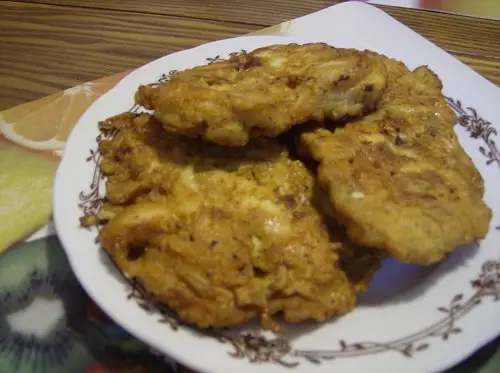
False curry slice


500 g chicken breasts 1,5 tablespoons mustard 3 eggs 1 tsp spices mixture 1/2 tsp carry dust 1 tsp white pepper 4-5 teaspoons flour salt Mix together: eggs + spices + salt + spices mixture + mustard Cut the chicken breasts into strips and stir the egg mixture. Stir in enough flour to get a thicker sauce. Let the mixture stand for 3-4 hours. Heat oil in a frying pan. Put a spoonful of the mixture in hot oil.

Tipsy Lamb 'N' Ginger
Lamb steaks braised in dry apple cider with crystallized ginger, English mustard, apple, and yogurt. A British-style casserole with a sweet-sharp sauce and tender, fall-apart meat.

Rib Roast of Beef with Horseradish
Rib roast of beef crusted with hot English mustard, roasted to medium-rare, and served with whipped horseradish cream sauce folded with toasted walnuts.
Chicken Burgers with Mustard Sauce
Ground chicken and veal patties loaded with sautéed mushrooms and herbs, pan-fried and oven-crisped, then served with a punchy Dijon and English mustard sauce. Bistro-style burgers for eight.
Curried Potato Chowder
Curried potato chowder with caramelized onions, white wine, dry mustard, and nonfat yogurt stirred in at the end. A lighter, lower-fat chowder with bold Indian-inspired flavor.

Jack's Barbecue Sauce

Homemade barbecue sauce with maple syrup, English mustard, butter, and lemon juice simmered for an hour. A rich, tangy-sweet glaze for ribs, chicken, and grilled meats.

Medallions of Pork
French-style pork medallions braised in a classic brown sauce with mustard butter, capers and a bouquet garni. Restaurant-technique dinner served with glazed turnips and potatoes.
Roast Duckling a la Orange
Classic French roast duck a l'orange with a caramelized orange sauce, Grand Marnier, and brown sauce reduction. Crisp skin, glossy bittersweet glaze.
Apricot & Walnut Chutney
A traditional British chutney made with fresh or dried apricots, onions, raisins, and walnuts, simmered with spices and vinegar until thick and jammy.
Beef Vindaloo
Fiery Goan beef curry with a complex marinade of vinegar, garlic, hot chilies, and warm spices that packs serious heat for adventurous eaters who like their Indian food authentically spicy.