What Is Coconut flour and How Can I Use It?
Coconut flour is easier to cook with than it looks. Here's how to choose, use, and store it, what to substitute, and 3 recipes to get you started.
Key Points
- Gluten-free, high-fiber, very low-carb flour ground from pressed, dried coconut meat.
- Extremely absorbent: a little goes a long way, so never swap it 1:1 for wheat.
- Rough start: ¼ cup coconut flour per cup of wheat, plus one extra egg per ¼ cup.
- Needs plenty of eggs to bind and lift since it has no gluten of its own.
- More shelf-stable than nut flours; keeps months sealed, longer in fridge or freezer.
What is coconut flour?
Coconut flour is made from dried coconut meat after most of its oil has been pressed out, then ground to a soft powder. It is gluten-free and naturally high in fiber while staying very low in carbohydrates, which is why it turns up so often in keto and grain-free baking.
The defining trait is thirst. Coconut flour absorbs far more liquid than any wheat or nut flour, so a small amount goes a very long way. It also brings a mild, sweet coconut flavor and no gluten at all.
See the flour hub for how it compares with other flours.
Baking With Coconut Flour
The golden rule is to use very little and add a lot of moisture.
A common starting point is about ¼ cup of coconut flour per cup of wheat flour replaced, plus one extra egg for every ¼ cup used, because the flour soaks up liquid and the eggs supply the structure it cannot.
Let the batter rest a few minutes before baking. Coconut flour keeps absorbing, so a batter that looks thin will thicken as it sits.
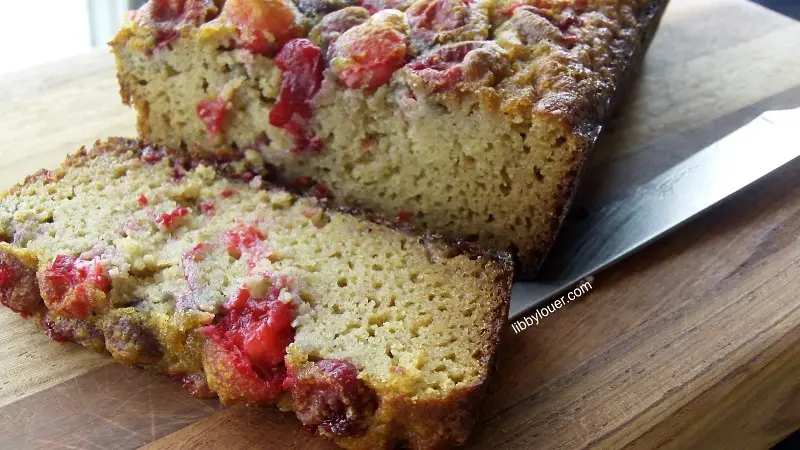
It works in quick breads, pancakes, and tender cakes. Try it in a cranberry orange coconut flour bread, in fluffy carrot cake pancakes, or in a low-carb keto French toast.
Pairing and Common Mistakes
Its sweet coconut note suits chocolate, banana, lime, warm spices, and tropical fruit, at home in both keto bakes and naturally sweet treats.
The number one mistake is swapping it one for one for wheat flour. Do that and you get a dry, dense, crumbly brick, because the flour drinks up every drop of liquid in the bowl.
The second is skipping the eggs. With no gluten and a sponge-like thirst, coconut flour needs eggs to bind and lift; most recipes use far more eggs per cup than a wheat recipe would.
What to Use Instead
There is no clean substitute, since nothing else behaves like it. Almond flour is the usual alternative for grain-free baking, but it is not interchangeable: it is far less absorbent, so you need roughly three to four times as much by volume and fewer eggs.
A commercial gluten-free blend will give a more wheat-like result if absorbency is giving you trouble.
If a recipe is written for coconut flour, it is best to follow it as written rather than swap, because the egg and liquid ratios are tuned to that thirst.
Buying and Storing Coconut Flour
Look for a plain, finely ground flour with no added sugar, and give the bag a squeeze to check it is soft and lump-free.
Coconut flour is more shelf-stable than nut or whole-grain flours because most of the oil has been removed. Sealed in a cool, dry pantry it keeps for several months.
For longer storage, or in a warm kitchen, move it to the fridge or freezer in an airtight container. Toss it if it smells stale or soapy.
Quick facts
- In Chinese
- 椰子粉
- British (UK) term
- Coconut flour
- en français
- farine de noix de coco
- en español
- harina de coco
Recipes using coconut flour
There are 3 recipes that contain this ingredient.

Keto French Toast Recipe

Enjoy Keto French Toast this morning! It’s a super tasty, low-carb ketogenic breakfast, and a healthy combination of keto bread, butter, and egg batter. Try it!
Carrot Cake Pancakes


These are not only delicious and reminiscent of your favourite carrot cake, they are also good for you! With no added sweeteners and completely gluten and dairy free, these are as tasty as they are good for you and make the perfect Sunday brunch or dessert.