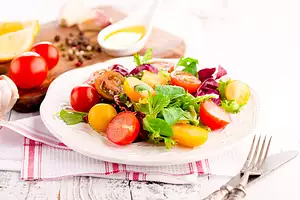
What Is Carrot juice and How Can I Use It?
Here's everything worth knowing about carrot juice and how to pick it, what it is, how to store it, and what to use instead, plus 6 recipes to cook tonight.
Key Points
- Sweet, intense liquid pressed from carrots; about a cup per pound, with the fiber removed.
- Drink it straight or in smoothies, or cook with it for color, sweetness, and moisture.
- Reduce it into a glaze or vinaigrette, or swap it for some baking liquid in carrot cake.
- It is sweet, not neutral, so add it gradually to savory dishes and balance with acid.
- Fresh juice oxidizes fast; use within 24 to 48 hours or freeze it in cubes.
What is carrot juice?
Carrot juice is exactly what it sounds like: the bright orange liquid pressed from fresh carrots, naturally sweet with a faint earthiness. A pound of carrots yields roughly a cup of juice, concentrating the carrot's sugar and color into something you can drink straight or cook with.
It is sweeter and more intense than the whole vegetable because the fiber is gone, leaving the sugars and pigment behind.
That concentrated sweetness and color are what make it useful well beyond the glass.
How to Use Carrot Juice
The obvious use is drinking it. Carrot juice goes straight into the glass on its own, or blends into a smoothie with apple and ginger to balance its sweetness.
In savory cooking it works as a flavor-packed liquid. Use it in place of some of the stock or water in a soup or a stew like Carrot, Mushroom & Barley Stew, where it deepens both color and sweetness.
Simmered down on its own, it reduces into a syrupy glaze for roasted carrots, fish, or chicken.
It also turns into a vinaigrette base. Reduced slightly and whisked with oil and vinegar, it makes the bright dressing behind a Roasted Root Salad With Carrot Vinaigrette (Thanksgiving) and the orange-hued dressing in Baby Greens with Mediterranean Vinaigrette.
Bakers use it too. Swap it for some of the liquid in carrot cake or muffins, and you add moisture and a deeper orange crumb, plus enough natural sweetness that you can pull back slightly on the sugar.
Pairing and Common Mistakes
Carrot's sweetness pairs with warm and sharp flavors alike. Ginger and citrus sharpen and lift it, while cumin and a little chili ground it in savory dishes. A splash of cream or coconut milk smooths a carrot soup built on the juice.
The most common mistake is treating it like a neutral liquid. It is sweet, so dumping a lot into a savory braise can throw the balance off. Add it gradually and taste, leaning on acid like lemon or vinegar to keep the sweetness in check.
The second mistake is letting it sit. Fresh carrot juice oxidizes fast and loses both flavor and color within a day or two, so juice it close to when you will use it rather than batching a week ahead.
Substitutes
For drinking, a blend of carrot and another sweet juice such as apple or orange covers the same ground, and store-bought carrot juice works fine when you do not want to break out the juicer.
For cooking, the closest swap depends on the job. To add carrot flavor and color to a soup or sauce, puréed cooked carrot thinned with a little stock does much of the same work.
For moisture and sweetness in baking, an equal amount of orange juice or even puréed carrot keeps the crumb tender, though you lose a touch of the deep orange color.
Buying and Storing Carrot Juice
Fresh is best, made at home in a juicer from firm, sweet carrots. The sweeter the carrot, the better the juice.
If you buy it, look for refrigerated bottles with no added sugar and a short ingredient list, and check the date, since the chilled kind has a short shelf life.
Homemade carrot juice should go in the refrigerator right away and be used within 24 to 48 hours for the best flavor and color. Keep it in a sealed container filled to the top to slow oxidation.
Give it a stir before drinking, since it separates as it sits.
For longer storage, freeze it. Carrot juice freezes well for a few months, especially in ice cube trays, which give you ready-portioned cubes to drop into smoothies and soups straight from the freezer.
Quick facts
- In Chinese
- 胡萝卜汁
- British (UK) term
- Carrot juice
- en français
- jus de carotte
- en español
- jugo de zanahoria
Recipes using carrot juice
There are 6 recipes that contain this ingredient.
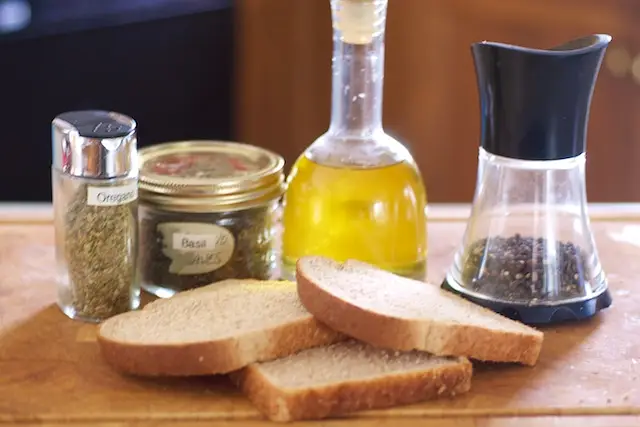
Baby Greens with Mediterranean Vinaigrette


This is such a flavorful salad, the vinaigrette brings all the flavors together, and the spinach, dried cranberries and cheddar cheese are perfectly delicious with this tasty dressing.
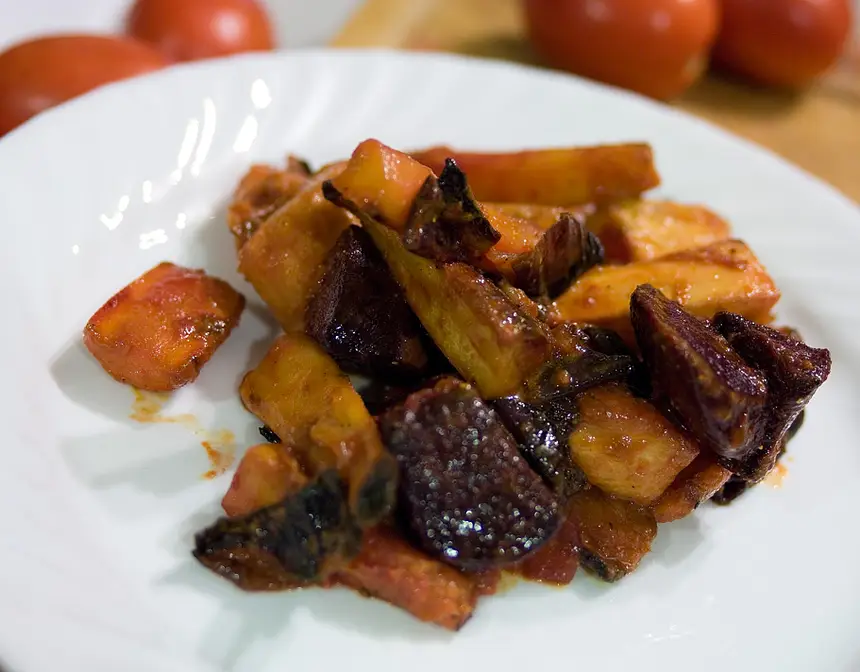
Roasted Root Salad With Carrot Vinaigrette (Thanksgiving)

Thanksgiving comes to mind! Healthy and interesting recipe. From my MIL's recipes but I think she got this from her SIL! This could be a salad or a side dish and could be made a day ahead and brought to room temperature before serving.
Pan-Seared Grapefruit Simmered Salmon with Slivered Almonds
Pan-seared salmon simmered in fresh grapefruit, carrot juice, orange-ginger mustard, and a splash of sesame oil, finished with toasted slivered almonds and cilantro. Bright, citrusy, and low-fat.

Roasted Root Vegetable Salad
Roasted root vegetable salad with carrot-curry vinaigrette and crispy fried horseradish. Parsnips, beets, carrots, celery root, and onion roasted hard, dressed warm. Holiday-table showstopper.
Carrot Stuffed Cabbage Leaves
Vegetarian stuffed cabbage rolls filled with grated carrots, mashed potatoes, and raisins, simmered in carrot juice. A hearty, meat-free twist on the Eastern European classic.
Carrot, Mushroom & Barley Stew
A hearty vegetarian barley stew simmered in sweet carrot juice with shiitake mushrooms, kale, and a hit of ginger. Toasted barley cooks risotto-style into a cozy, warming, fiber-rich bowl.