What Is Candied lemon peel and How Can I Use It?
Here's everything worth knowing about candied lemon peel and how to pick it, what it is, how to store it, and what to use instead, plus 25 recipes to cook tonight.
Key Points
- Lemon rind simmered in sugar syrup until translucent, chewy-sweet, with a perfumed citrus-oil bite.
- A baking ingredient for fruitcake, stollen, panettone, spice cookies, and creamy fillings.
- Chop store-bought pieces finer and shake off excess sugar before measuring into batter.
- Substitute candied orange peel measure for measure, or fresh zest at half the amount.
- Stored airtight at room temperature the sugar preserves it for several months.
What is candied lemon peel?
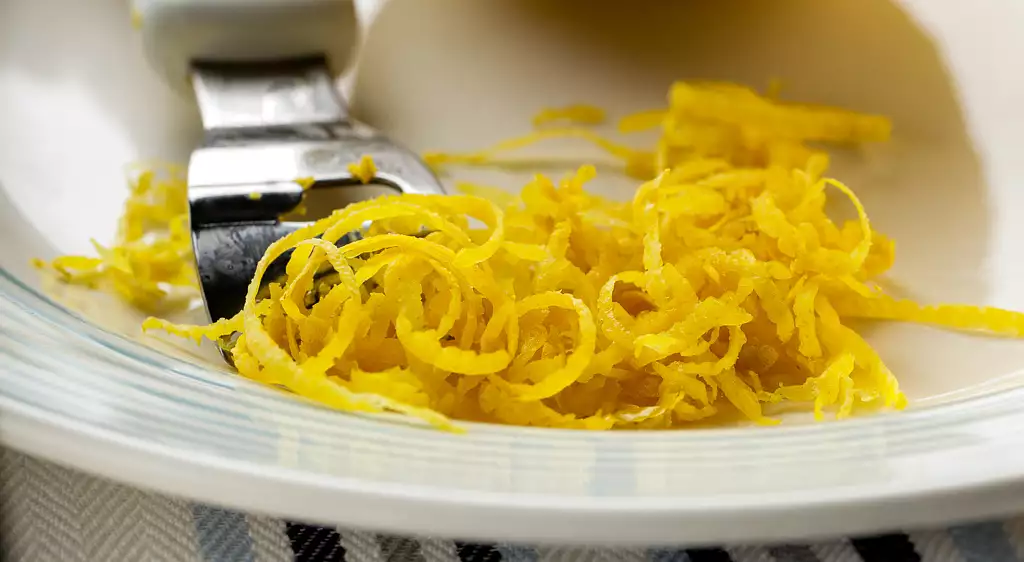
Candied lemon peel is strips of lemon rind simmered in sugar syrup until the bitterness softens and the peel turns translucent and chewy-sweet. The pith holds the syrup, so each piece is candy on the outside with a perfumed lemon-oil bite underneath.
It is a baking ingredient, not a snack you eat by the handful, though plenty of cooks do. A little goes a long way: chopped fine, it threads bright citrus through rich, dense doughs and creamy fillings.
You will find it diced in tubs near the baking aisle, especially around the holidays. You can also make it from scratch.
Baking With Candied Lemon Peel
This is classic holiday-cake territory. Chopped peel studs fruitcakes through and through, and it is one of the defining flavors in Carolina Fruitcake and Merry Christmas Fruitcake, where it holds up to brandy and months of aging.
It belongs in enriched breads just as much. Brigitte's Christmas Stollen folds it into the buttery dough alongside raisins, and it keeps sweet loaves from tasting flat.
Spice cookies love it too. The Swiss Basel Honey-Spice Cookies (Basel Leckerli) depend on candied peel for their citrus backbone against the honey and warm spice.
In creamy desserts it cuts richness. Stir it into ricotta the way Italian Cheesecake with Candied Orange & Lemon Peel does, or scatter it on top as a glossy garnish for chew and color.
It earns a place in preserves as well. Traditional Mincemeat uses it to round out the dried fruit.
Pairing and Common Mistakes
Candied lemon peel sits naturally with almonds, raisins, currants, cinnamon, nutmeg, honey, and chocolate. It loves any batter that is already sweet and dense, where its chewy texture and citrus oil have something to push against.
The most common mistake is leaving the pieces too big. Whole strips turn into chewy, overly sweet surprises in a slice of cake, so chop store-bought peel finer than it comes unless a recipe says otherwise.
The other slip is dumping in the sugary crumbs from the bottom of the tub. They can make a batter too sweet and gritty, so shake excess sugar off the peel before measuring.
If your peel has dried hard, a quick soak in warm water or a splash of liqueur softens it.
Substitutes
The closest swap is candied orange peel or mixed candied citrus peel, used measure for measure. It leans more floral and a touch less sharp, but it plays the same role in the dough.
For the citrus without the candy, use finely grated fresh lemon zest, starting with about half the amount the recipe asks for in candied peel and tasting up. You lose the chew and the sweetness, so add a little extra sugar if the recipe was counting on it.
In mincemeat and fruitcake, chopped dried apricots or extra raisins can fill the volume, though they bring their own flavor rather than lemon.
Buying and Storage
Look for peel that is still soft and pliable with a glossy, moist surface, not rock-hard cubes rattling in the box. Softer peel chops cleanly and disperses better through batter.
Homemade is worth it if you have the time. Simmer lemon rind in equal parts sugar and water until translucent, then dry it on a rack; the result tastes far brighter than most commercial peel. A Candied Lemon Rind recipe walks through the steps.
Store it airtight at room temperature, where the sugar acts as a preservative and keeps it for several months. For longer keeping, seal it well and refrigerate or freeze.
If it dries out or sugar crystallizes on the surface, it has not spoiled. Soften it in a little warm water before using.
Quick facts
Where to find candied lemon peel: Candied lemon peel is usually found in the baking supplies section or aisle of the grocery store or supermarket.
- In Chinese
- 蜜饯柠檬皮
- British (UK) term
- Candied lemon peel
- en français
- zeste de citron confit
- en español
- piel de limón confitada
Recipes using candied lemon peel
There are 25 recipes that contain this ingredient.
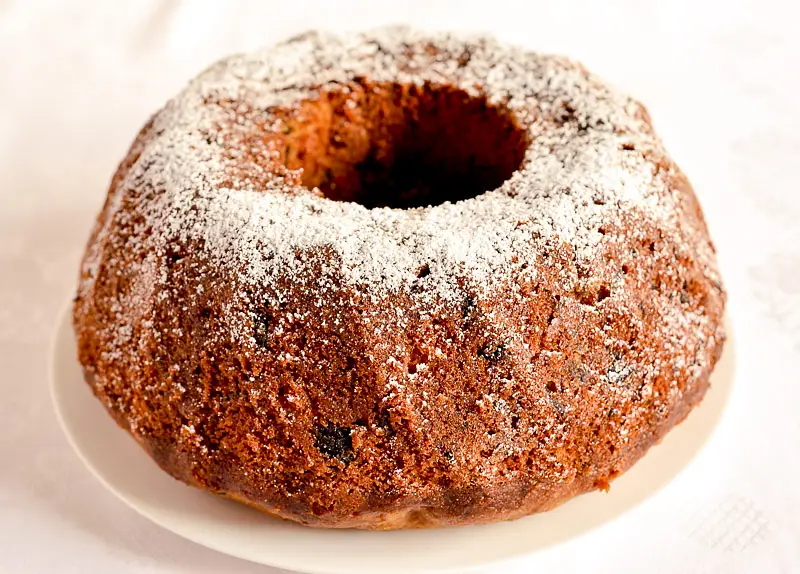
Merry Christmas Fruitcake


Traditional Christmas fruitcake with brandy-soaked candied citrus peel, citron, currants, and raisins, deeply spiced and aged in a tin with periodic brandy basting before the holidays.
Lemon Curd Cheesecake
Lemon curd cheesecake with a tangy cream cheese and sour cream filling topped with homemade lemon curd. Baked low and slow for a crack-free, silky finish.
Delicious Holiday Mince Pie with Beef
Holiday mincemeat with chopped beef, suet, apples, sour cherries, dried fruit, and broken nuts simmered slowly with brandy and warming spices. A massive 48-serving batch for Christmas baking and gift-giving.

Pfeffernuesse
Pfeffernuesse are traditional German spice cookies made with cinnamon, cloves, allspice, nutmeg, black pepper, rum, and candied lemon peel, finished with a white icing.

Christmas Stollen From Brigitte Sealing
A German-style no-yeast Christmas stollen with cottage cheese, rum, almonds, currants, sultanas, and candied lemon peel. Brushed with butter and dusted in powdered sugar for a snowy finish.

Lots of Fruit Bread
Lots of fruit bread, a yeasted holiday loaf packed with prunes, figs, dates, raisins, candied peel, and almonds. The European-style fruit bread for Christmas mornings.
Mom's Fruitcake
Old-fashioned bourbon fruitcake packed with golden raisins, candied cherries, pineapple, citron, pecans, and coconut. Baked low and slow in a tube pan for rich, dense results.
Lemon Orange Coconut Cookies
Citrus lovers will like this refreshing crispy cookie from Jocelyn Moritz of Waukesha.

Rosca de Reyes or Three Kings Bread
This traditional bread served in Mexico celebrates the Epiphany! Usually hidden inside is a coin or toy baby and whoever finds it gets to make the tamales for Candelmas!

Festival Leckerli Cookies
Swiss Leckerli cookies: honey-spiced almond bars with candied citrus peel and kirsch, finished with a hardening sugar glaze. Traditional Basel Christmas market sweet that improves with age.
English Fruitcake
Traditional English fruitcake loaded with raisins, candied orange and lemon peel, citron, candied cherries, and walnuts. Baked low and slow in a tube pan for over 2 hours.

Updated Mincemeat
Homemade mincemeat with raisins, currants, apples, almonds, candied peel, and brandy. No suet needed. Ground twice, baked, and aged for rich, spiced holiday filling.

Zesty Cranberry Lemon Cookies
Cranberry and lemon star in this winning drop cookie with fluffy frosting from Liz Bannon of Port Washington, which was adapted from a recipe in a Taste of Home cookbook.
Zesty Cranberry Lemon Cookies
Cranberry and lemon star in this winning drop cookie with fluffy frosting from Liz Bannon of Port Washington, which was adapted from a recipe in a Taste of Home cookbook.
Vienna Christmas Stollen
Try this neat treat that is perfect for Christmas and is sure to bring family and friends together.
Brigitte's Christmas Stollen
German Christmas stollen with rum-soaked currants, sultanas, chopped almonds, candied peel, and cottage cheese for a moist, rich holiday bread dusted in powdered sugar.

Berlin Bread
Berlin Bread is a spiced German bar cookie loaded with grated chocolate, almonds, rum, apple preserves, and candied lemon peel. Iced while warm and sliced thin, these fragrant little bars belong on every holiday baking list.

Irish Sweet Bread
Made with sour milk and molasses, this moist, delicious bread just might make you become lucky!
Fisherman's Bread
Italian fisherman's bread with golden raisins, candied citrus peels, fennel seeds, and Marsala wine. A rich, buttery quick bread with no yeast, scored in a decorative grid.

Italian Cheesecake with Candied Orange & Lemon Peel
Italian ricotta cheesecake with candied orange and lemon peel, golden raisins, and a splash of amaretto in a shortbread crust. Lighter and less sweet than American cream cheese cheesecake, dense in a softer way.
Heirloom Fruitcake
Heirloom fruitcake packs candied cherries, pineapple, citron, dates, raisins and pecans into a spice-laden batter, baked low and slow then aged a month with wine before serving.

Tortas De Aceite
Crispy Spanish olive oil cookies spiced with anise, cinnamon, and sesame seeds, finished with sliced almonds. Egg-free, dairy-free, and fragrant with lemon and white wine.
Carolina Fruitcake
Very tasty fruitcake, all kinds of candied fruits in the cake, looks great, great flavor! Family and friends enjoyed it
Basel Honey-Spice Cookies (Basel Leckerli)
Traditional Swiss Basel Leckerli: honey-spice cookie bars with cinnamon, cloves, candied peels, kirsch, and almonds under a crackly sugar glaze. Makes 50 to 60 bars that keep for weeks.