What Is Amchoor (dried green mango powder) and How Can I Use It?
Wondering what to do with amchoor (dried green mango powder)? This guide covers how to pick it, cook it, store it, and swap it, plus 8 recipes to put it to work.
Key Points
- Amchoor is dried unripe green mango ground to a tart, fruity, sour beige powder.
- It sours North Indian dishes without adding liquid, so fried surfaces stay crisp.
- Add it near the end; long cooking dulls its tang and turns it bitter.
- Swap lemon juice (about a tablespoon per half teaspoon), tamarind, or anardana powder.
- Store airtight away from heat and moisture; it clumps and fades within a year.
What is amchoor (dried green mango powder)?
Amchoor is a tan, sour powder made by drying unripe green mangoes and grinding them fine. The name comes from the Hindi aam (mango) and choor (powder), and you will also see it spelled amchur.
A small spoonful adds tart, fruity sourness without the wetness a squeeze of lemon would bring.
It tastes sharply sour with a faint resinous, almost honeyed fruitiness underneath. In North Indian cooking it is a go-to souring agent, valued for being dry: you can dust it onto something fried or roasted and keep that crisp surface intact.
How to Use It
Amchoor is a finishing souring agent more than a base spice. It loses brightness in long cooking, so stir it in near the end of a curry or sprinkle it over a dish just before serving.
Start with about half a teaspoon for a dish that serves four and adjust from there. It is potent.
It is a signature note in chaat, the family of tangy Indian street snacks. Amchoor is one of the souring agents in homemade Chat Masala and Chaat Powder (Masala), the seasoning blends dusted over fruit and savory fried snacks.
It also sharpens dry-cooked and stuffed vegetables. A pinch lifts the potato filling in Spicy Potatoes (Samosa filling), and it cuts the richness of a chickpea curry like Channa Masala. Toss it through Ariel's Spicy Indian Potatoes near the end for the same tart edge.
Pairing and Common Mistakes
Amchoor sits comfortably with the warm North Indian spice crowd: cumin, coriander, black salt, chili, ginger, and garam masala. Its sourness is what balances rich and starchy dishes, which is why it turns up with potatoes, chickpeas, okra, and cauliflower.
The most common mistake is treating it like a base spice and cooking it long. Heat dulls its tang, so add it late. The second is overdoing it: too much amchoor turns a dish flatly sour and slightly bitter, so measure rather than pour.
One more note: amchoor is sour but not salty, so it adjusts acidity without affecting your salt. Season the two separately.
Substitutes
The closest swap is fresh lemon or lime juice for similar bright sourness; start with about one tablespoon of juice per half teaspoon of amchoor and accept that you are adding liquid. In a dry rub or spice blend, that liquid swap will not work.
Tamarind paste is a good dry-ish alternative in curries, though it runs darker and a touch sweeter. For chaat specifically, dried pomegranate seed powder (anardana) gives a comparable tangy lift. Citric acid works in a pinch but is one-dimensionally sour and easy to overdo.
Buying and Storing Amchoor
Buy amchoor from an Indian grocer, where it is sold as amchoor or amchur powder, usually a fine beige powder. Some shops sell dried mango slices instead; the powder is far more convenient and dissolves into a dish. Good amchoor smells distinctly tart and fruity, not musty.
Like most ground spices, it fades with time. Keep it in an airtight jar away from heat and moisture, where it holds its sourness for about a year.
It clumps if it picks up humidity, so keep the lid tight and a dry spoon in the jar. If it has lost its sharp aroma, it has lost its point; replace it.
Quick facts
- In Chinese
- amchoor(干青芒果粉)
- British (UK) term
- Amchoor (dried green mango powder)
- en français
- amchoor (séché poudre de mangue verte)
- en español
- amchoor (polvo secado de mango verde)
Recipes using amchoor (dried green mango powder)
There are 8 recipes that contain this ingredient.
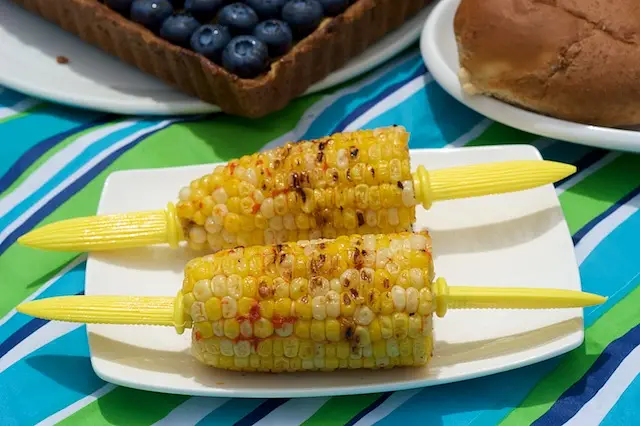
4th of July Grilled Fresh Corn


Mexican street-corn-inspired grilled corn rubbed with lime wedges dipped in chili-amchoor spice. Vegetarian summer BBQ side with bright tang and gentle heat.
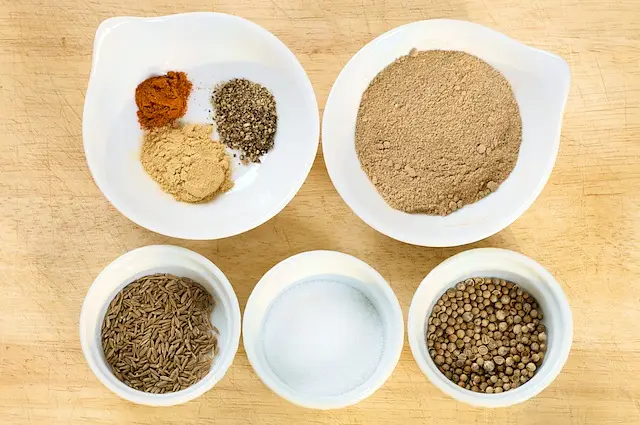
Chaat Powder (Masala)

Chaat masala, the tangy, sour Indian spice blend built on amchoor (dried mango powder) with cumin, coriander, ginger, and a kick of cayenne. Sprinkle it on fruit, potatoes, and snacks for instant zing.
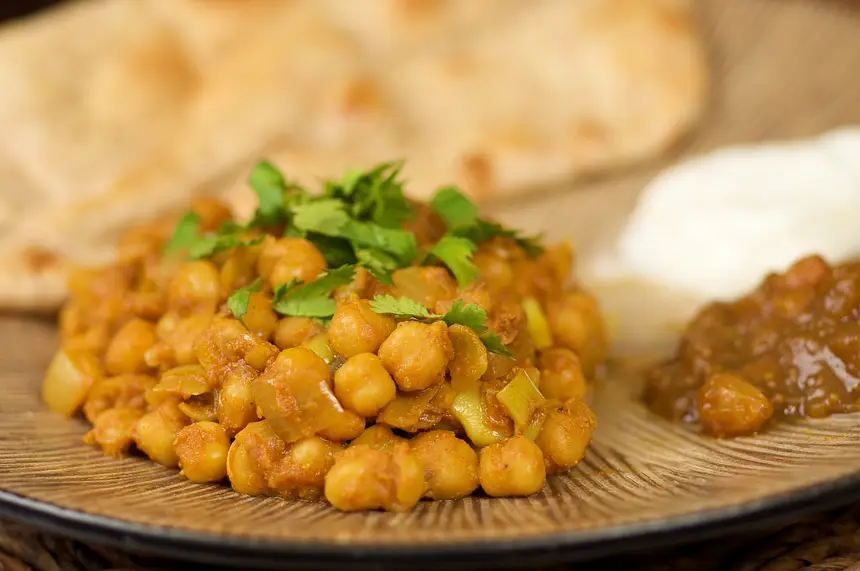
Channa Masala
Classic and very authentic East Indian recipe. Chick peas (garbanzo) in a highly flavored tasty spicy curry sauce. Great served with yoghurt and fresh baked Naan bread.

Ariel's Spicy Indian Potatoes
Shoestring potatoes get pan-fried crispy then hit with crushed black pepper and tangy amchoor powder for fiery Indian street food flavor.
Spinach Ball Curry
Spinach and potato koftas spiced with garam masala, turmeric, and amchoor, rolled in coconut and deep-fried until golden, then simmered in curry gravy. A classic Indian vegetarian dish.

Very Spicy Delicious Chickpeas (Vegan)
Boldly spiced vegan chickpeas simmered with roasted cumin, garam masala, amchoor, and fresh ginger. Ready in 35 minutes and even better the next day.

Spicy Potatoes (Samosa filling)
Indian spiced potatoes with ginger, cumin, garam masala, and amchoor. Use as samosa filling, wrap in tortillas, or stuff in pita. Vegan and ready in 25 minutes.
Chat Masala
Asafetida, mango powder, and black salt distinguish the chat masala from other masalas, giving the blend a sourness that makes it a welcome accompaniment to fresh fruit and other snacks. 'Chat' refers to various snacks and to the North Indian cafes that serve them. Fresh fruit often is sprinkled with lime juice and chat masala. Black salt (which is actually reddish gray), available at Indian food stores, has a distinctive flavor that's quite different from sea salt or table salt. The garam masala is the wild card in this recipe; either one of the (Tamil Nadu Curry Powder or Punjabi-Style Garam Masala) masalas may be used.